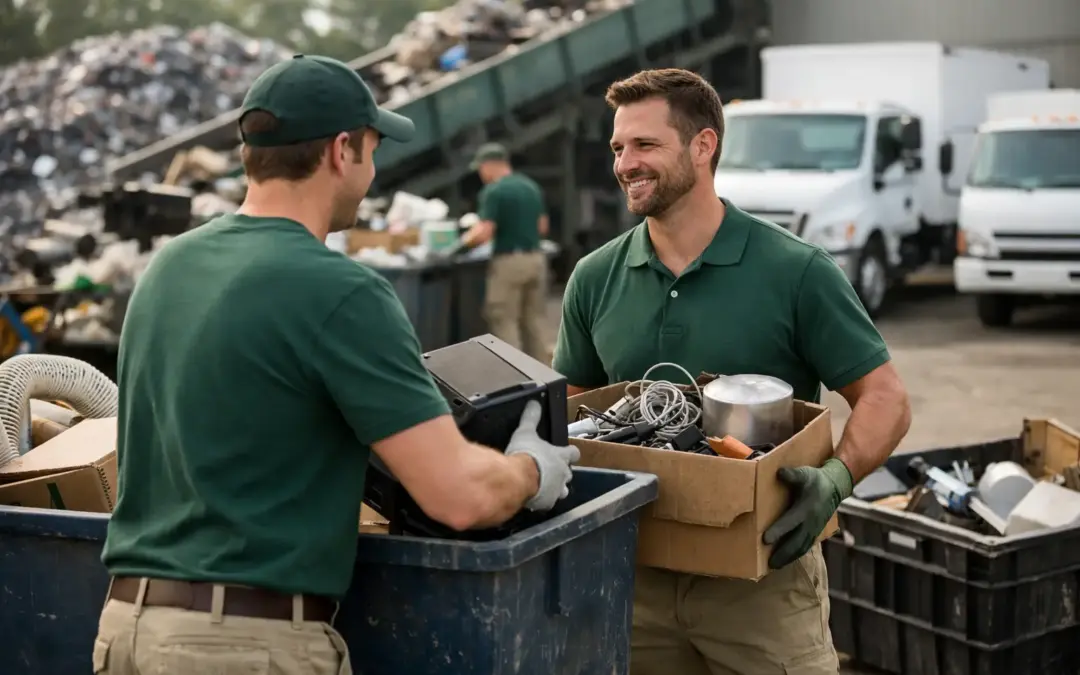
You’ve got an old couch in the garage, a busted washer behind the house, and a pile of moving leftovers you need gone fast. Fair question – do junk companies recycle items, or does everything end up dumped at the landfill once the truck pulls away?
The honest answer is: some do, some don’t, and most fall somewhere in the middle. If you’re hiring a junk removal company, it helps to know what recycling actually looks like in this business, what can realistically be diverted, and what questions to ask before you book.
Do junk companies recycle items, or just haul them away?
A junk removal company’s first job is pickup, loading, and hauling. That part is straightforward. What happens next depends on the company’s process, the condition of the items, local disposal rules, and whether the load contains materials that can actually be reused or recycled.
A good operator doesn’t treat every load like trash. Usable items may go to donation channels. Recyclable materials may be separated and taken to the right facilities. Actual garbage still has to be disposed of, but the better companies work to reduce how much reaches the landfill.
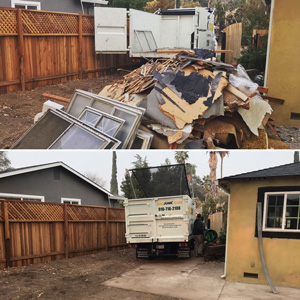
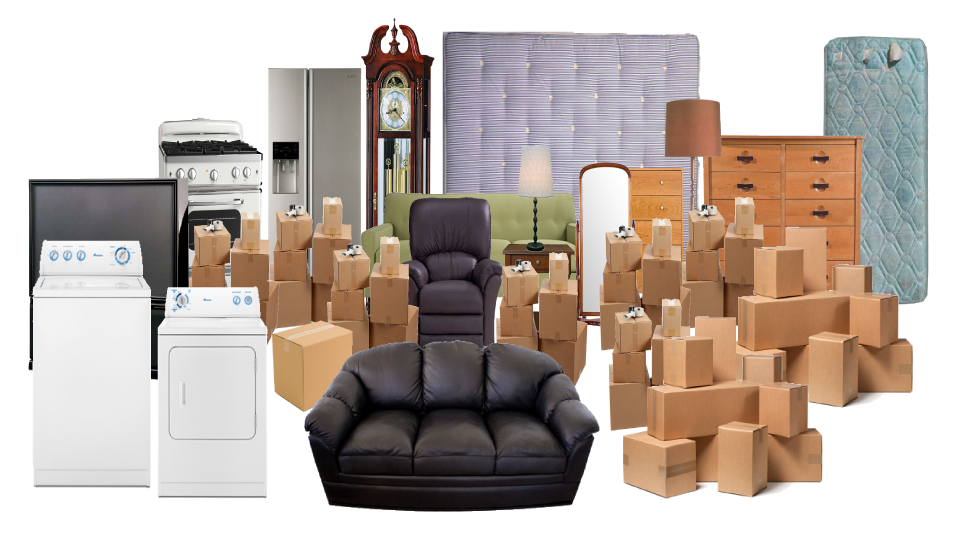
That said, junk hauling is not the same as curbside recycling. Crews are often dealing with mixed loads – furniture, broken appliances, yard debris, cardboard, mattresses, wood, metal, and general clutter all packed together. Sorting takes labor, time, and access to the right drop-off locations. Companies that care about responsible disposal build that work into their operation. Companies focused only on speed may not.
What junk removal companies can usually recycle
The easiest materials to recycle are the ones that already have established processing streams. Metal is one of the best examples. Old bed frames, filing cabinets, shelving, grills, and many appliance components can often be recycled if they’re separated properly.
Cardboard, paper, and some plastics may also be recyclable, especially during office cleanouts, warehouse cleanups, or move-outs where loads contain a lot of packaging material. Electronics can sometimes be directed to e-waste processing, depending on local rules and the company’s setup.
Yard debris is another category that may avoid the landfill. Branches, leaves, and green waste can sometimes be taken to facilities that process organic material instead of burying it.
Wood is more of an it-depends category. Clean lumber from certain jobs may have recycling or reuse value, but painted, treated, wet, or mixed construction debris is harder to process.
What often gets donated instead
Not everything worth keeping belongs in a recycling bin. A lot of items are better candidates for donation if they’re still clean, safe, and usable.
Furniture in decent shape, household goods, working appliances, office equipment, and some home decor items may be diverted this way. The key is condition. A stained mattress, broken recliner, or warped particleboard desk usually won’t make the cut. But a solid dresser, usable dining set, or working microwave might.
This is where customers sometimes get confused. They hear “eco-friendly disposal” and assume everything gets recycled. In reality, responsible junk removal usually means a mix of donation, recycling, and disposal. That’s normal. It’s also more honest.
What usually cannot be recycled
If an item is heavily damaged, contaminated, moldy, infested, soaked, or made from too many mixed materials, recycling gets much harder. Think torn-up sectional sofas, wet particleboard furniture, dirty carpeting, contaminated debris, or piles of bagged household trash.
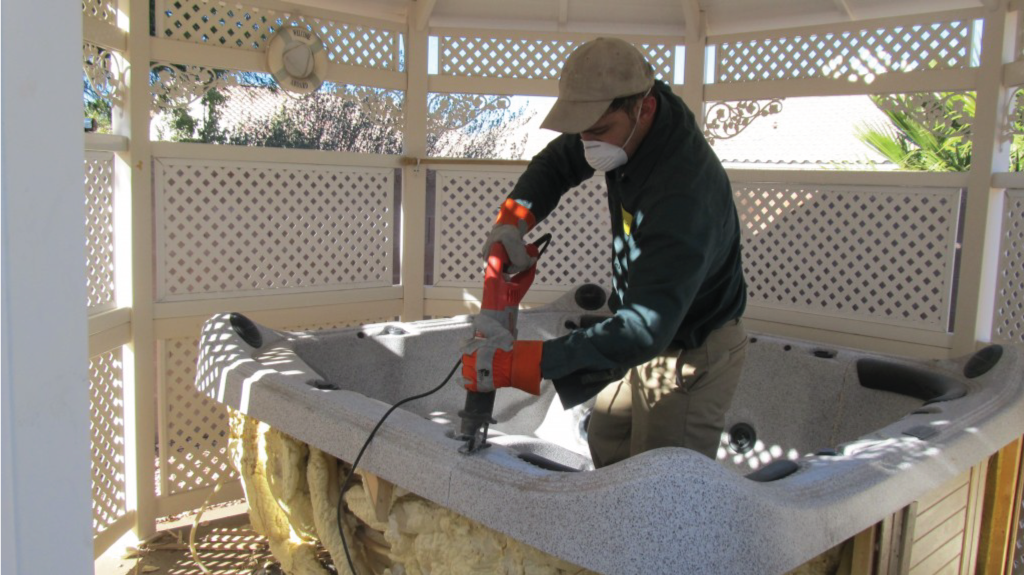
Mattresses are another common gray area. Some can be dismantled and partially recycled, but that depends on local processing options, condition, and whether the company handles that type of drop-off. Appliances can also require extra steps if they contain refrigerants or other regulated components.
Then there are hazardous materials, which most junk removal companies do not take at all. Paint, chemicals, solvents, fuels, asbestos, and certain biohazards follow separate disposal rules. If a company says no to those items, that’s not a lack of service – it’s following the law.
Why recycling rates vary so much
Two junk companies can pick up the same pile and end up with very different disposal outcomes. That doesn’t always mean one is lying. Sometimes it comes down to logistics.
Recycling works best when loads are easier to sort and materials are clean. A garage cleanout with metal shelving, cardboard boxes, and a few appliances offers more recycling opportunities than a post-eviction cleanup full of broken furniture, food waste, and contaminated debris.
Local infrastructure matters too. Some areas have better access to donation partners, recycling centers, green waste facilities, and transfer stations than others. A locally owned operator that knows the Sacramento area well may have a more practical system for separating reusable and recyclable materials than a generic franchise crew following a one-size-fits-all route.
Labor is another factor. Sorting takes time. If a company is promising rock-bottom pricing with no mention of responsible disposal, there’s a fair chance they’re keeping the process simple by dumping more of the load.
How to tell if a junk company really recycles items
You don’t need a long interview. A few direct questions will tell you a lot.
Ask what percentage of material they typically donate or recycle. Ask what happens to furniture, appliances, metal, and yard debris after pickup. Ask whether they sort loads and whether they work with local recycling or donation facilities.
The answers should sound clear, not slippery. A solid company will usually explain that they recycle and donate when possible, but not every item qualifies. That kind of answer is more trustworthy than a blanket promise that “nothing goes to the landfill.” In junk removal, that’s rarely true.
If you want the best shot at keeping items out of the dump, tell the crew ahead of time what you have. Separate obviously usable items if you can. Point out anything you think may be good for donation or recycling. You don’t have to do the heavy lifting, but a little information helps the process.
Do junk companies recycle items during large cleanouts?
Yes, but large cleanouts usually produce a mixed result. Estate cleanouts, rental turnovers, warehouse cleanups, office removals, and garage cleanouts often contain a combination of reusable goods, recyclable materials, and straight trash.
For example, an office cleanout might generate metal desks, cubicle panels, monitors, chairs, paper files, and general trash all in one job. Some of that can be recycled. Some may be donated. Some has no next life and has to be disposed of properly.
The same goes for property management work. After a tenant move-out, there may be salvageable furniture and recyclable cardboard, but there may also be contaminated mattresses, broken household items, and bagged waste that cannot be diverted.
This is why realistic expectations matter. Responsible junk removal is about reducing landfill waste, not pretending landfill use can always be avoided.
What this means for customers who care about disposal
If your main goal is speed, almost any licensed junk hauler can get the pile gone. If you also care where the items end up, you need a company that has an actual disposal process behind the sales pitch.
That process should include sorting, donation when possible, recycling when practical, and straightforward communication about what cannot be diverted. It should also fit the kind of job you have. A single appliance pickup is different from a full warehouse cleanout. A yard debris haul is different from a hoarder house cleanup.
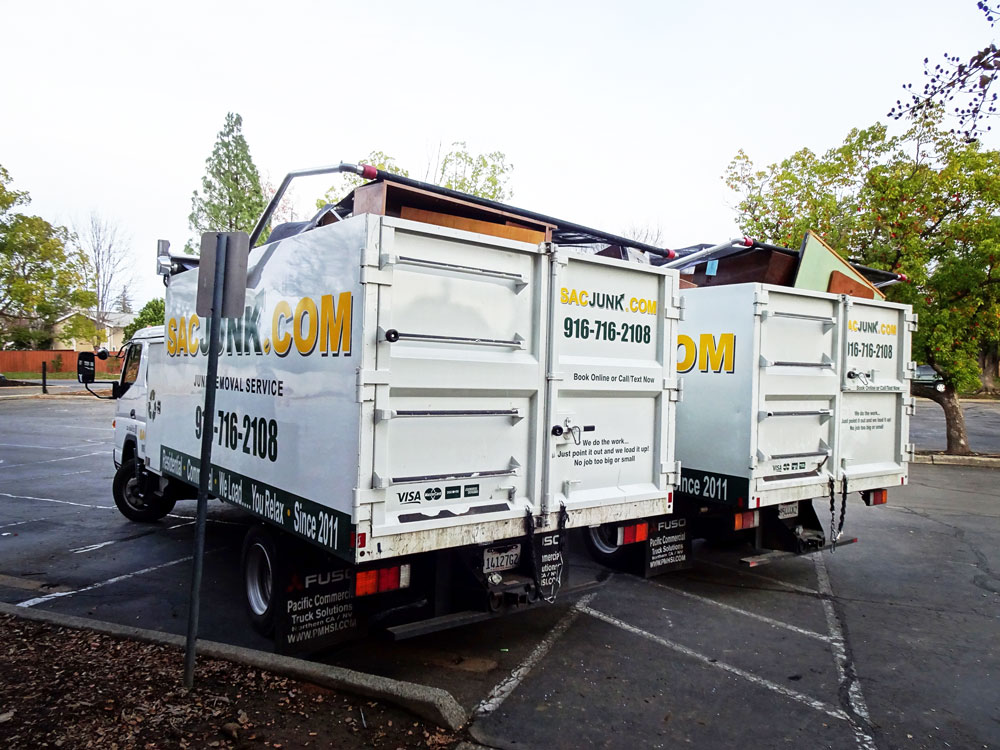
For customers in Sacramento, this matters more than people think. Local crews that understand area facilities, disposal rules, and donation options are often better positioned to keep usable and recyclable materials out of the landfill. That’s one reason locally owned companies like Sac Junk put real emphasis on donation and recycling rather than treating it like a throwaway line.
The bottom line on recycling and junk removal
So, do junk companies recycle items? Many do, at least in part. The better question is how they do it, how often, and how honest they are about the limits.
A good junk removal company won’t promise miracles. They’ll tell you some items can be donated, some can be recycled, and some are simply trash. That’s the real standard to look for – not perfection, but effort, transparency, and a crew that does more than just load fast and dump faster.
If you’re booking a pickup, ask the question directly. The answer should make you feel like the company has a plan, not just a truck. And when a crew can clear your space quickly while still keeping a meaningful share of materials out of the landfill, that’s a service worth paying for.