When a property has reached the point where clear walkways are gone, rooms can’t be used, or a move-out is getting delayed, waiting usually makes the job harder. Hoarding cleanup help Sacramento property owners and families need is not just about hauling junk – it’s about getting a difficult space under control fast, safely, and without putting all the lifting on the people already dealing with the stress.
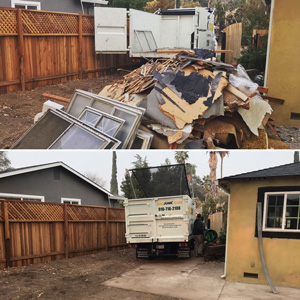
Some cleanup jobs are light sorting projects. Others involve packed garages, blocked hallways, damaged furniture, old mattresses, bagged trash, broken appliances, or years of accumulated household items. The right approach depends on the condition of the property, the timeline, and whether the goal is basic junk removal, a full cleanout, or preparing the space for inspection, sale, repair, or new occupancy.
What hoarding cleanup help in Sacramento usually involves
A lot of people hear the word hoarding and assume every job is the same. It isn’t. Some properties need selective removal, where only obvious junk, broken items, and bulky debris are taken. Others need a near-total cleanout so a home, rental, garage, or storage area can be used again.
That’s why the first real step is not guessing from a phone description. It’s looking at the volume, access, and labor involved. A house with a cluttered back bedroom is very different from a duplex with filled common areas, a shed packed to the roofline, and large-item disposal stacked on top of general trash removal.
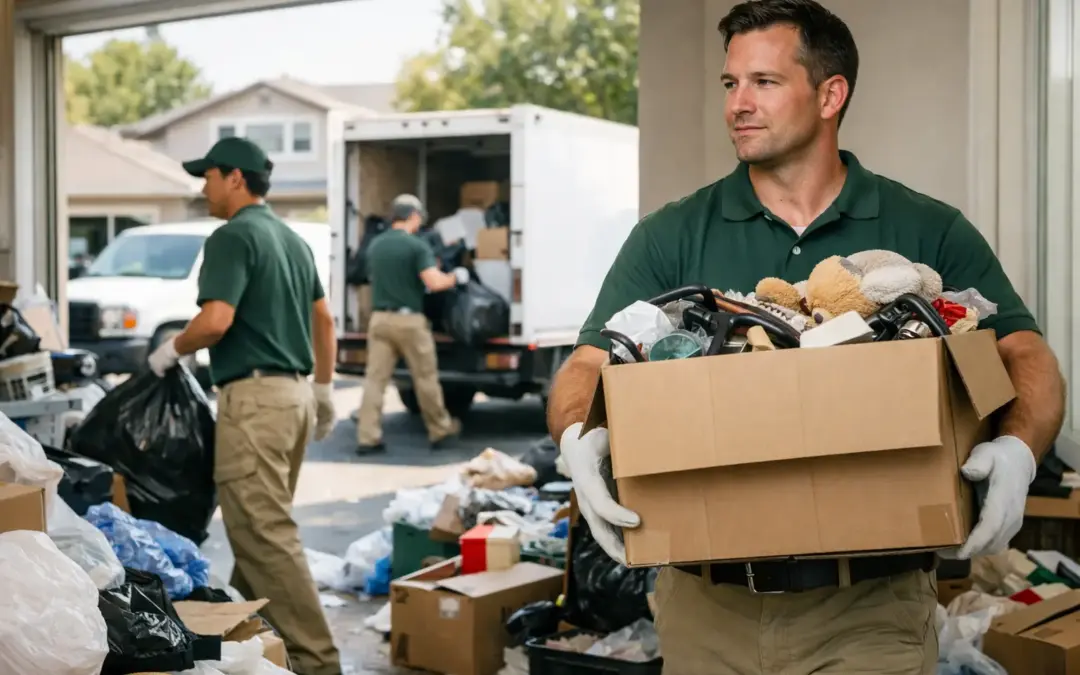
For many Sacramento-area customers, the biggest value is having a crew that handles the full physical side of the work. That means lifting, loading, hauling, and broom-cleaning the area after removal. If you’re a landlord with a turnover deadline, a family member helping a relative, or a homeowner who simply cannot take on a heavy cleanout alone, that labor matters as much as the hauling itself.
When it makes sense to call for hoarding cleanup help Sacramento crews can handle
There’s a point where DIY stops being practical. If the cleanup involves narrow hallways, stairs, heavy furniture, old appliances, multiple rooms of debris, or large piles that would take several dump runs, hiring a crew usually saves time and reduces risk.
This is especially true when the property needs to be cleared on a deadline. Landlords often need units emptied between tenants. Property managers may need fast service after an eviction or abandoned-contents situation. Families may be trying to prepare a home for probate work, repairs, or sale. In those cases, losing a full weekend – or several – to loading trucks and figuring out disposal rules can cost more than bringing in help.
Safety is another factor. Hoarded spaces can have unstable stacks, hidden sharp objects, pest issues, or blocked exits. Not every property will have those conditions, but enough do that it’s worth being realistic. If moving through the space already feels difficult, the cleanup is probably bigger than it first appeared.
What a full-service cleanup should look like
At a minimum, the process should be simple. You book service, get a call before arrival, show the crew what needs to go, approve an on-site quote, and let them do the heavy work. That kind of setup matters because most customers calling for this type of cleanup are already overloaded.
Pricing should also be clear. For junk removal jobs, volume-based pricing is often the most straightforward option because customers can see that the quote reflects truck space, labor, and haul-away service. The exact cost still depends on the size and difficulty of the job, but the important part is getting an upfront price before work begins.
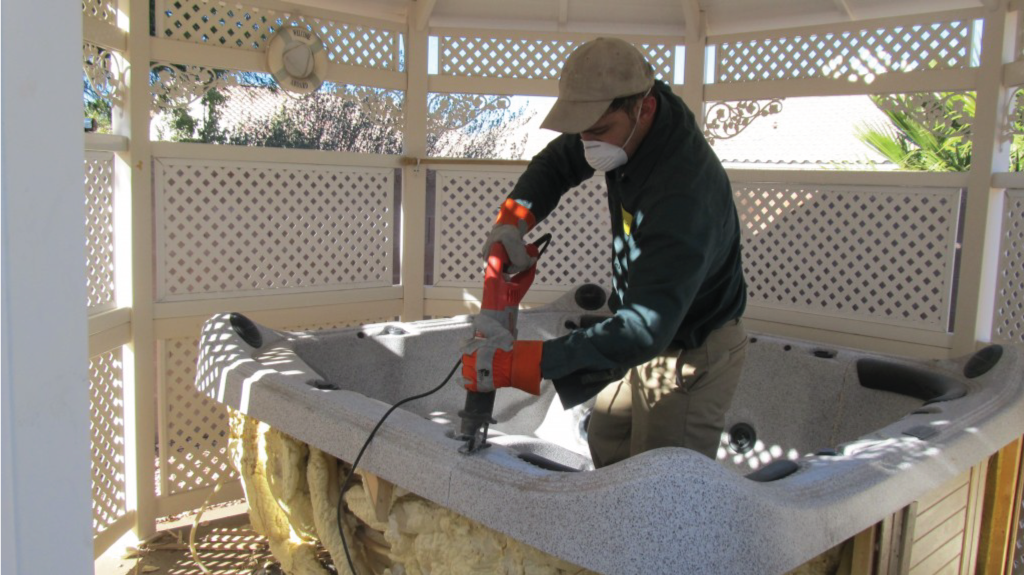
There’s also a difference between curbside pickup and true full-service removal. With curbside service, you do the carrying. With full-service cleanup, the crew goes into the property, removes items from where they sit, navigates stairs or tight access, loads the truck, and cleans up the loose debris left behind. For hoarding-related jobs, that difference is huge.
Sorting, donating, recycling, and trash – what happens to the material
Not everything in a hoarding cleanup is pure trash. Some items may be recyclable. Others may still be usable enough for donation, depending on condition. That matters for customers who don’t want everything sent straight to the landfill.
A responsible hauling company should separate what can reasonably be recycled or donated and dispose of the rest properly. There is a trade-off, though. If items are heavily damaged, contaminated, soaked, or mixed in with general garbage, donation may not be realistic. Customers appreciate honesty here. The goal is to reduce landfill waste where possible, not make promises that don’t fit the condition of the job.
For local crews that prioritize recycling and donation, that extra sorting can be a real advantage. It helps customers clear space while knowing usable material is handled responsibly when the condition allows.
Residential hoarding cleanouts vs. rental and commercial properties
Residential jobs are often more personal. A homeowner or family member may want a slower, more selective approach, especially if some belongings need to be set aside. In that case, the cleanup works best when the keep-items are identified clearly before hauling starts.
Rental property cleanouts are usually more deadline-driven. Landlords and property managers often want the unit cleared quickly so repairs, repainting, pest treatment, or re-listing can begin. The focus is less on sorting every item and more on restoring usable space fast.
Commercial and facility jobs can look different again. Storage rooms, offices, back-of-house areas, warehouse corners, and neglected service spaces can accumulate a surprising amount of junk over time. While that may not fit the typical image of hoarding, the cleanup challenge can be similar – limited access, bulky debris, mixed materials, and a strong need for speed.
How to prepare for a hoarding cleanup without slowing it down
You do not need to bag, stage, or move everything yourself before the crew arrives. In most cases, that defeats the purpose of hiring help. What does help is making a few decisions early.
First, identify anything that absolutely stays. Important paperwork, medications, cash, keys, family photos, and legal documents should be removed from the work area or clearly pointed out. Second, decide whether the goal is selective removal or a full cleanout. Third, make access as straightforward as possible by unlocking gates, clearing parking if you can, and making sure decision-makers are available to approve the quote and answer questions.
If the property is in especially tough shape, it also helps to be honest when booking. Mention stairs, large furniture, packed rooms, or any known issues with access. A good crew would rather show up prepared than be surprised on site.
Choosing the right local crew
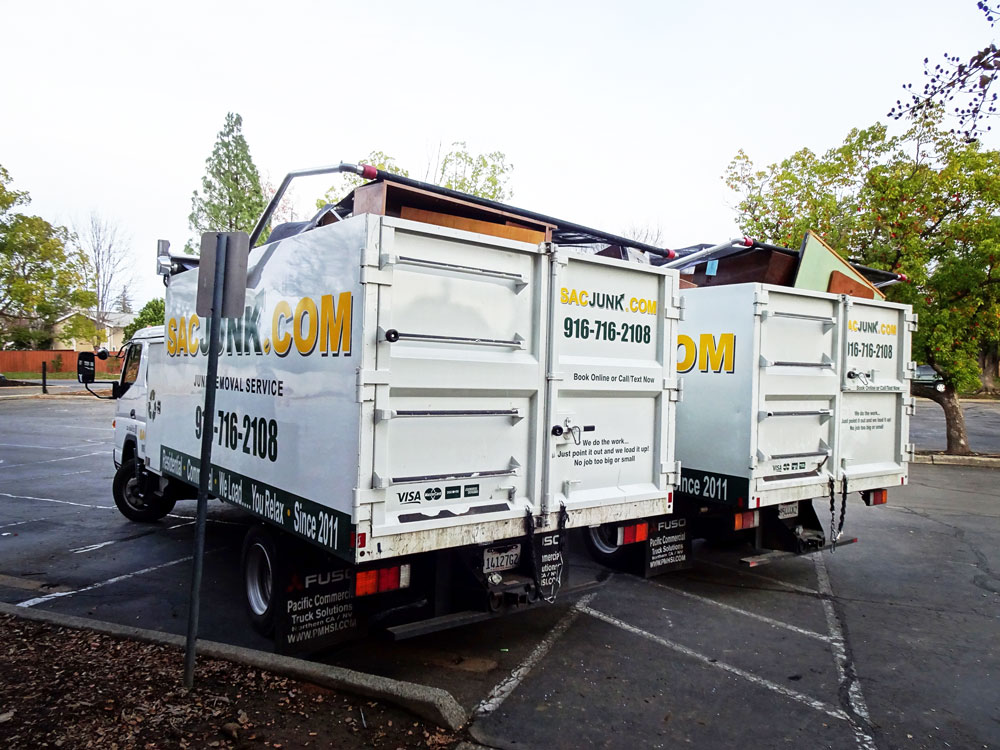
Not every junk hauler is a fit for this kind of work. You want a company that shows up on time, gives an upfront quote, and has no problem doing all the lifting and loading. Local ownership can matter too. A local Sacramento operator is usually more accountable to the community, more flexible on scheduling, and often more price-conscious than a franchise with extra overhead built into every job.
It also helps to ask the practical questions. Will they remove furniture, mattresses, appliances, yard debris, and general junk in the same visit? Can they handle a full property cleanout instead of just a few bulky items? Do they sweep up after loading? Those details tell you whether you’re hiring real cleanup help or just paying for basic haul-away.
For customers dealing with a time-sensitive property, fast turnaround is often the deciding factor. Same-day or next-day availability can keep a cleanup from turning into a larger delay for inspections, repairs, or turnover work.
A job like this usually feels overwhelming until the first real load leaves the property. Then the path forward gets clearer. If you need hoarding cleanup help in Sacramento, the best move is often the simplest one – get a crew out, get an honest quote, and start clearing space so the property can function again.