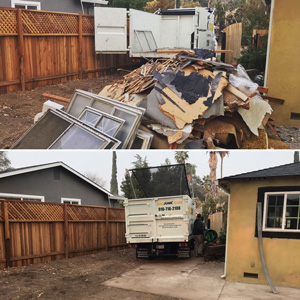
That final layer of renovation dust has a way of lying to you. The paint is dry, the cabinets are in, the new flooring looks great – and then you look outside at the pile of drywall scraps, busted tile, cardboard, lumber offcuts, and old fixtures still sitting in the driveway. Debris removal after renovation is the part most people underestimate, especially when the real goal is getting your home, rental, or job site back to normal fast.
If you are staring at leftover material and wondering whether to bag it, haul it, rent a dumpster, or call a crew, the right answer depends on volume, weight, timing, and how much labor you want to take on yourself. For a lot of property owners and contractors, the biggest value is simple: one visit, upfront pricing, all the lifting handled, and the mess gone.
Why debris removal after renovation gets complicated fast
Renovation waste usually looks manageable until you start moving it. A few broken cabinets turn into heavy, awkward loads. Tile and concrete add weight fast. Drywall creates dust that gets everywhere. Wood with nails, shattered glass, and torn-up flooring can turn a basic cleanup into a safety problem.
There is also the disposal side. Not every item belongs in household trash, and local pickup limits can be a problem if you try to set everything at the curb. Even when city collection allows some material, the volume from a kitchen remodel, bathroom demo, office refresh, or rental turnover often exceeds what regular service can handle.
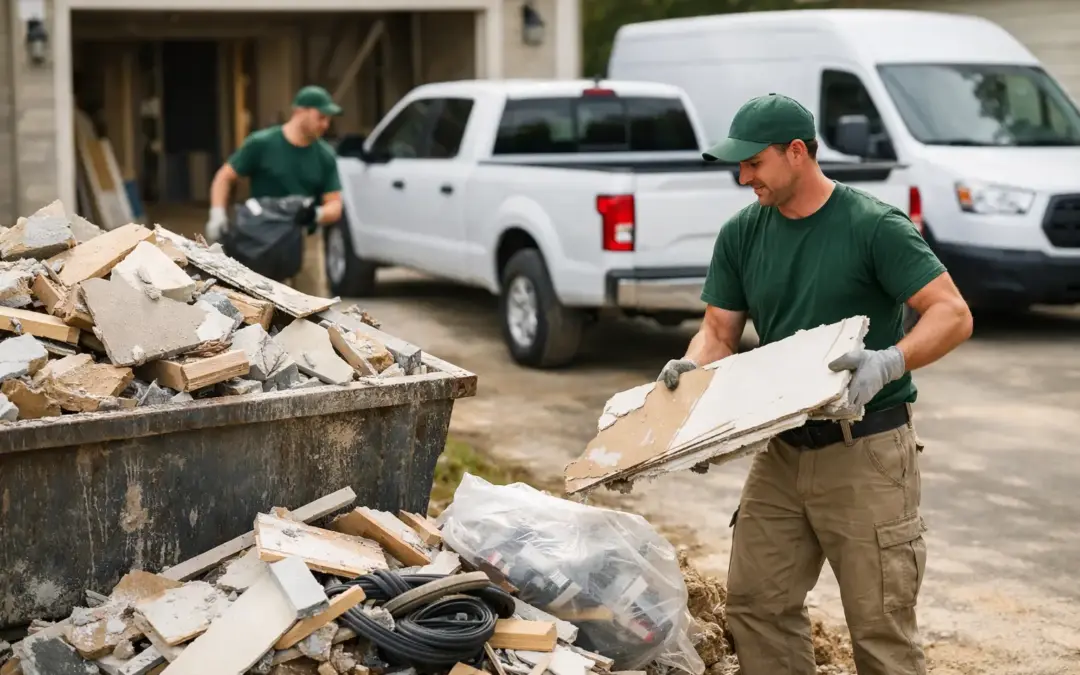
That is why full-service hauling makes sense for so many renovation cleanups. Instead of sorting out bags, making dump runs, and finding enough help to load heavy debris, you get a crew that does the lifting, loading, hauling, and sweep-up in one appointment.
What counts as renovation debris
Most non-hazardous construction-related waste from light remodeling and property updates can be removed in a junk hauling pickup. That often includes drywall, lumber, flooring, carpet, tile, cabinets, sinks, vanities, doors, trim, fencing, shelving, countertops, insulation, cardboard packaging, and old fixtures.
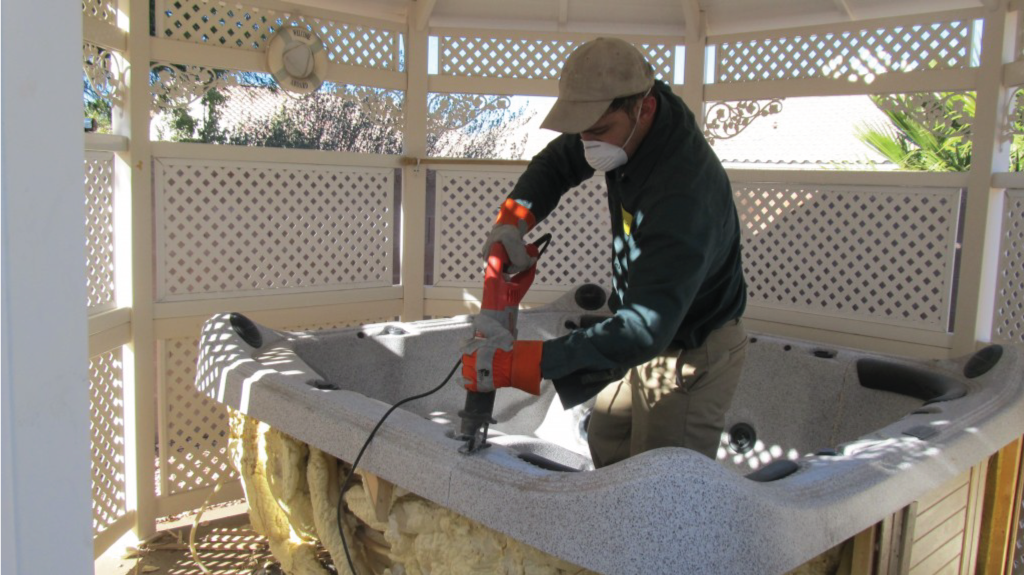
It can also include the bulky items that come out during the project but are not really “construction debris” in the strict sense, like outdated appliances, mattresses from a rental reset, office furniture from a tenant improvement, or shelving removed during a warehouse reconfiguration. That matters because a lot of cleanup jobs are mixed loads, not neat stacks of one material.
The main exception is hazardous waste. Paint, solvents, asbestos-containing material, chemicals, and other regulated debris usually require specialized handling and should be separated before you book pickup. If you are not sure about a material, check first instead of assuming it can go with the rest of the load.
When a dumpster works – and when it does not
A dumpster has its place, especially for multi-day projects with a steady stream of debris. If crews are actively demolishing walls all week, having a container on-site can keep things moving. But dumpsters are not always the best fit for a finished or near-finished renovation.
The trade-off is labor and space. With a dumpster, you still do the loading or pay your crew to do it. You also need room to place it, and that can be a problem at tighter residential properties, shared commercial lots, or buildings with limited access. Heavy materials can also trigger weight limits and extra charges.
Full-service debris removal after renovation is often better when the project is already done, the pile is in one area, or you just want it gone without dragging cleanup out another week. You point to what needs to go, approve the quote, and the crew handles the rest. No container sitting in the driveway, no separate loading day, no extra dump run after your contractor leaves.
What affects the price
The biggest factor is usually how much space the debris takes up in the truck. Volume-based pricing is straightforward because it reflects the actual amount removed, and it works well for mixed renovation waste that is bulky, uneven, or hard to estimate by item.
Weight still matters, especially with tile, dirt, concrete, brick, plaster, or dense lumber. Access matters too. A clean curbside pile is quicker to remove than debris stacked in a backyard, second-floor unit, or cluttered interior space. Time on-site, stairs, distance to the truck, and how loose or scattered the material is can all affect labor.
That is why on-site quotes are useful. You are not guessing from a photo and hoping the final number matches. A crew can see the load, account for labor and weight, and give you a real price before anything is hauled away.
The easiest way to prep for pickup
You do not need to overthink it. In most cases, the best prep is just separating what stays from what goes. If there are tools, reusable materials, or fixtures your contractor wants to keep, pull those aside clearly. The smoother the access, the faster the job moves.
Bagging is optional for many loads, but small loose debris is easier to remove when it is boxed, bundled, or piled in a contained area. Sharp materials should be set where they can be handled safely. If debris is spread through multiple rooms, a quick walk-through before pickup helps avoid confusion.
If the site is still active, timing matters. It usually makes more sense to schedule hauling after demolition and installation debris are fully out in the open, rather than booking too early and ending up with another pile the next day. On the other hand, if debris is slowing down crews or creating a trip hazard, an earlier pickup can keep the project moving.
Residential and commercial jobs have different cleanup needs
For homeowners and renters, the issue is often convenience. After a bathroom remodel or garage conversion, most people do not want to spend their weekend loading broken materials into a pickup truck, making multiple disposal trips, and cleaning up dust afterward. They want the property usable again.
For landlords and property managers, speed usually matters more than anything else. A vacant unit that still has renovation debris is a unit that cannot be shown, cleaned properly, or turned over on schedule. Quick removal helps keep projects and leases moving.
Contractors and commercial operators usually care about labor efficiency and site flow. If your crew is spending paid hours cleaning out old cubicles, hauling packaging, or loading demo scraps instead of building, that is not the best use of time. Outsourcing the haul-off can be the cheaper move when you factor in labor, dump fees, and lost productivity.
Why local hauling matters on renovation cleanup
With debris pickup, reliability beats fancy promises. You need a crew that shows up on time, gives a clear quote, and can handle the physical work without turning a simple cleanup into a scheduling problem. That is especially true when a remodel is wrapping up and everyone wants the property cleared now, not next week.
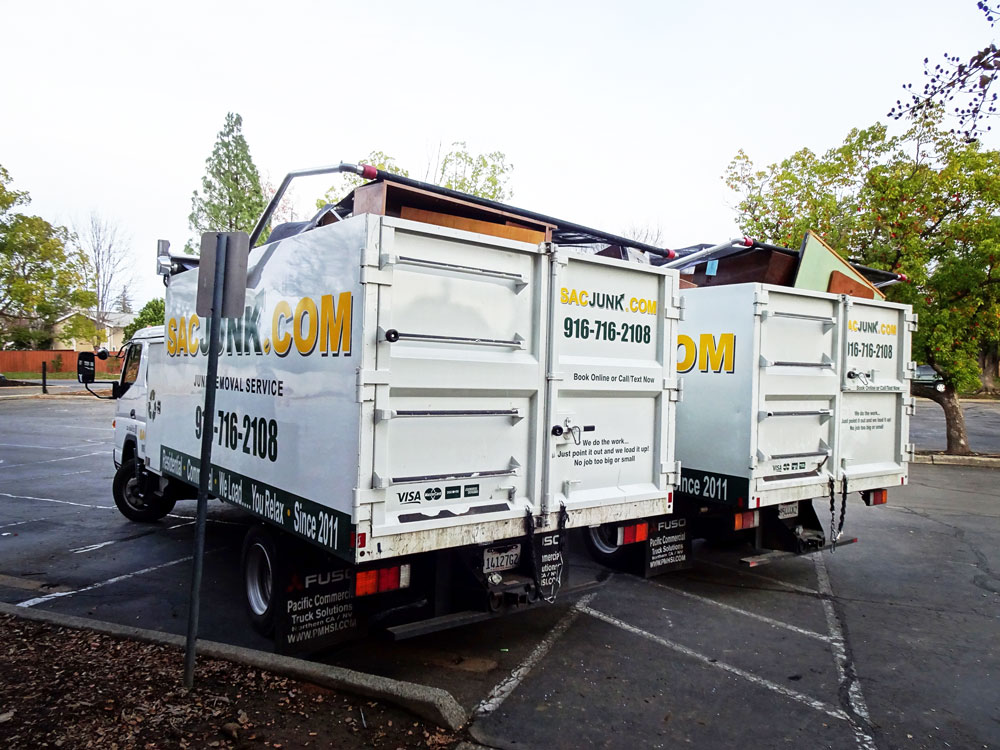
A local Sacramento company also understands the pace of real projects here – from small home upgrades to rental turnovers and commercial cleanouts. Sac Junk works that way: fast scheduling, labor included, upfront volume-based pricing, and full-service hauling that keeps property owners, managers, and contractors from getting stuck with the mess.
There is also the disposal side. Renovation debris is not always trash in the pure landfill sense. Depending on the material, some loads can be sorted for recycling or donation, which helps reduce waste without adding work for the customer.
The bottom line on debris removal after renovation
If the job is finished but the mess is not, the cleanup is still part of the project. Leaving debris around creates safety issues, eats up space, and delays the point where you can actually use the property the way you planned. The best removal option is the one that matches the size of the load, the weight of the material, and how much labor you want off your plate.
For smaller, light cleanups, a self-haul might be enough. For heavy, mixed, or time-sensitive debris, full-service pickup is usually the faster and less frustrating move. Once the scraps, broken materials, and old fixtures are out, the renovation finally feels finished – and that is when the space starts paying off.