A warehouse gets expensive fast when debris starts taking over usable floor space. Broken pallets, damaged shelving, old packaging, abandoned inventory, and general cleanup waste do more than look bad – they slow crews down, create safety issues, and make loading areas harder to manage. If you need warehouse debris pickup Davis property owners and operators can rely on, the real priority is simple: get the mess out quickly, without pulling your team off the work that keeps the business moving.
What warehouse debris pickup in Davis usually includes
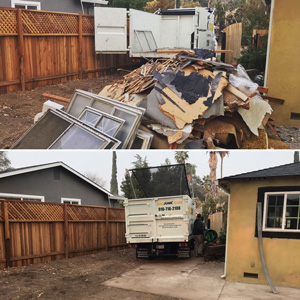
Warehouse debris is rarely just one pile of junk. In most buildings, it shows up in stages. A tenant moves out and leaves fixtures behind. A receiving area collects busted pallets and cardboard. A back corner turns into a holding spot for old racks, damaged furniture, outdated equipment, and loose material no one has time to sort.
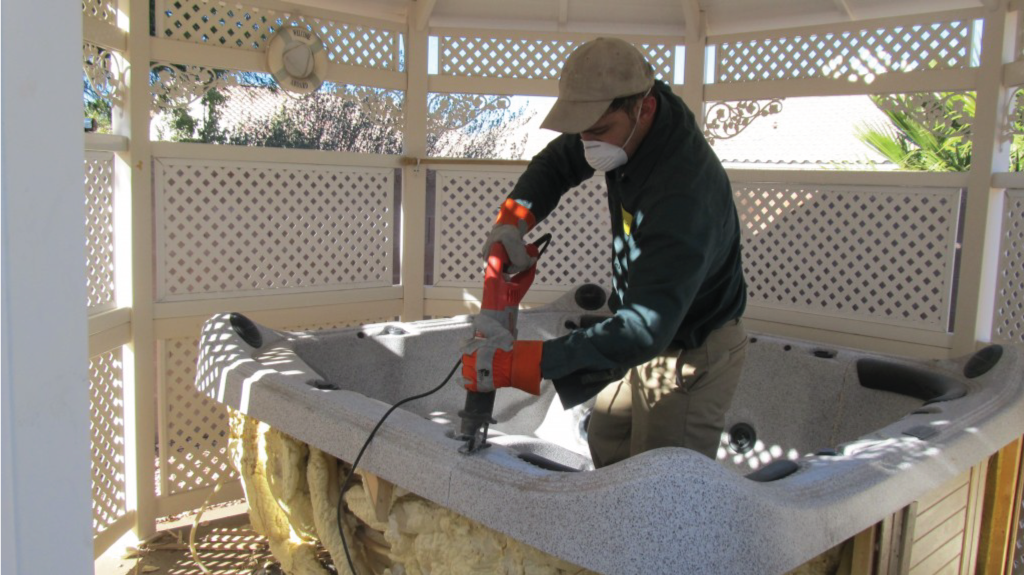
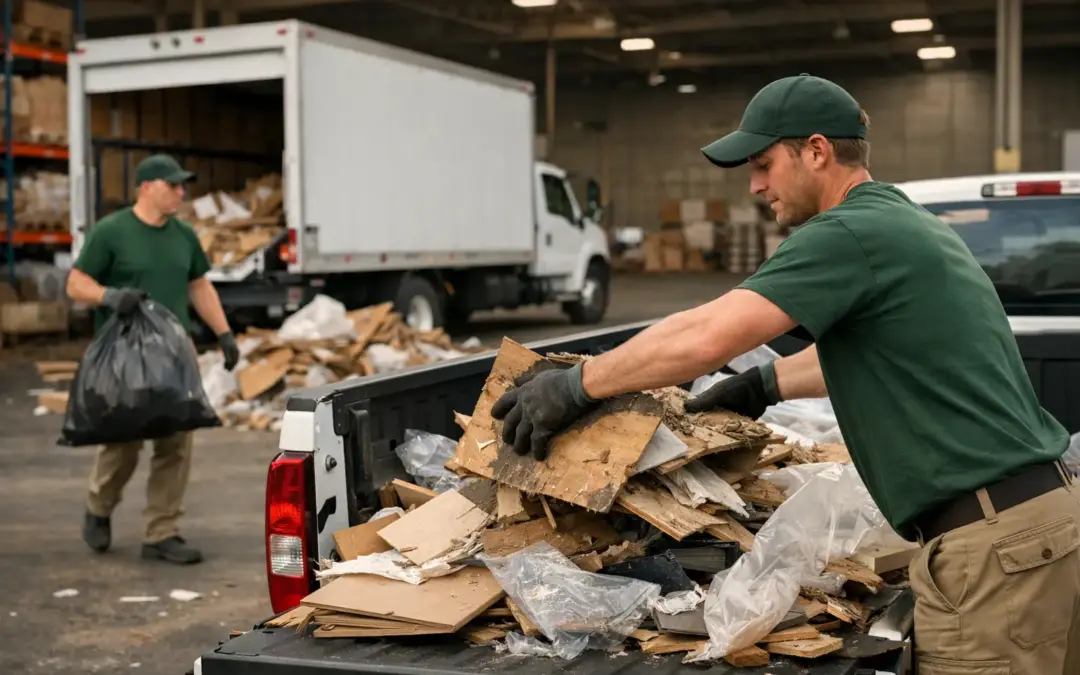
That is why full-service pickup matters. A professional crew should handle the lifting, loading, hauling, and basic sweep-up after the debris is removed. For warehouse managers, contractors, and property owners, that means less downtime and fewer labor headaches.
In a typical warehouse debris pickup in Davis, removable material may include pallet stacks, cardboard, shrink wrap, old office furniture, shelving components, non-hazardous construction debris, packaging waste, broken fixtures, and general bulk junk. The key phrase there is non-hazardous. If a site has chemicals, asbestos, paint, fuel, or other regulated materials, that takes a different type of handling. A good removal company will tell you that upfront instead of showing up and changing the rules later.
Why fast debris removal matters in a warehouse
In a house, clutter is annoying. In a warehouse, clutter affects operations. Forklift paths get tighter. Staging areas shrink. Employees work around waste piles instead of around the layout you actually intended. That lost space turns into lost efficiency.
There is also the liability issue. Loose debris, splintered wood, metal scraps, and unstable stacks create trip hazards and injury risks. If you manage a commercial property, cleanup is not just about appearance. It is part of keeping the site usable and safer for staff, vendors, and tenants.
Timing matters too. Some cleanouts can wait for a scheduled service window. Others cannot. If a warehouse is being turned over between tenants, prepared for an inspection, or cleared after a rush of shipping or construction activity, pickup needs to happen on a real timeline. That is why many business customers look for same-day or next-day service instead of a company that puts them two weeks out.
When to schedule warehouse debris pickup Davis service
The best time to schedule removal is usually before debris becomes a larger operational problem. That sounds obvious, but in practice most warehouse cleanup jobs happen after the mess has already spread across multiple areas.
If you are seeing blocked corners, overloaded dumpsters, material stacked near roll-up doors, or cleanup tasks getting pushed from one week to the next, it is usually time to bring in outside hauling help. The same goes for move-outs, inventory resets, remodels, equipment replacements, and post-construction cleanup.
There is also a cost trade-off. Waiting can seem cheaper if your staff handles cleanup little by little. But labor hours disappear quickly when warehouse employees are asked to dismantle, carry, sort, and load debris instead of doing their regular jobs. A full-service crew often makes more sense because the work gets done in one visit and your team stays focused on operations.
What to look for in a debris pickup company
Not every junk removal company is set up for commercial warehouse work. Some are fine for a couch or a garage cleanout but struggle with loading dock access, bulky material, or large-volume jobs.
For warehouse debris pickup, look for a crew that can handle commercial sites efficiently. That means they show up on time, give a clear quote on-site, do all the lifting and loading, and understand that business customers care about speed, safety, and minimal disruption. If your site has tight scheduling needs, a courtesy call before arrival is not a bonus – it helps your staff prepare access and keep the day moving.
Pricing clarity matters just as much. Volume-based pricing is often the most straightforward fit for debris hauling because warehouse jobs vary so much. One site might have a few pallets and cardboard. Another might have shelving parts, bulk trash, and old fixtures spread across 8,000 square feet. You want a quote that matches the actual load, not vague promises that turn into surprise charges after everything is on the truck.
Local ownership can matter here too. A locally operated company usually has more flexibility and better accountability than a franchise running every job through a distant system. When timing is tight and access details matter, that local responsiveness makes a difference.
How the pickup process should work
A good warehouse pickup process is simple. You book by phone or online, confirm the service window, and get a heads-up before the crew arrives. Once on-site, the team reviews the debris, gives you an upfront quote, and starts work after approval.
From there, the job should be hands-off for you. The crew lifts, loads, hauls, and cleans up the area when finished. That is the value of full-service removal. You are not paying just for truck space. You are paying to avoid dragging your maintenance team, office staff, or warehouse crew into a cleanup project they did not plan for.
For larger warehouses, some jobs happen in phases. That can be the better option if the building is still active and you need certain sections cleared first. A smart debris removal team will work with the site conditions instead of forcing a one-size-fits-all approach.
Common debris problems in warehouse cleanouts
Some warehouse jobs are straightforward, and some are messy for reasons that only show up once the crew walks the site. Mixed debris is a common issue. Cardboard, pallet wood, loose metal, old furniture, and abandoned stock all piled together slows down cleanup. Access is another factor. If debris is packed behind equipment or scattered between aisles, labor time goes up.
Then there is the question of what should be hauled versus what should be kept. During tenant turnovers or warehouse reorganizations, it is common to find materials that one manager assumes are trash while another wants saved. The easiest way to avoid confusion is to identify hold items before pickup starts.
The better companies know how to move through these issues without turning the job into a drawn-out project. That is especially important in commercial spaces where cleanup has to happen around business hours, deliveries, or contractor schedules.
Disposal matters after the truck leaves
Once debris is off your property, it still has to go somewhere. That matters to a lot of businesses, especially those trying to reduce waste or keep reusable material out of the landfill.
Not every warehouse load is pure trash. Depending on the material, items like metal, cardboard, usable furniture, and certain fixtures may be recyclable or donatable. That does not mean every load gets diverted, because condition and material type matter. But responsible sorting is still worth asking about.
A company that donates and recycles a meaningful share of what it removes is doing more than hauling. It is reducing disposal waste and handling the job with a little more care. For local businesses, that can align better with operational goals and community values.
Choosing a crew that keeps the job easy
If you need warehouse debris pickup in Davis, the decision usually comes down to speed, labor, and price clarity. You want a crew that shows up when promised, gives you a fair quote before the work starts, and clears the debris without creating more work for your staff.
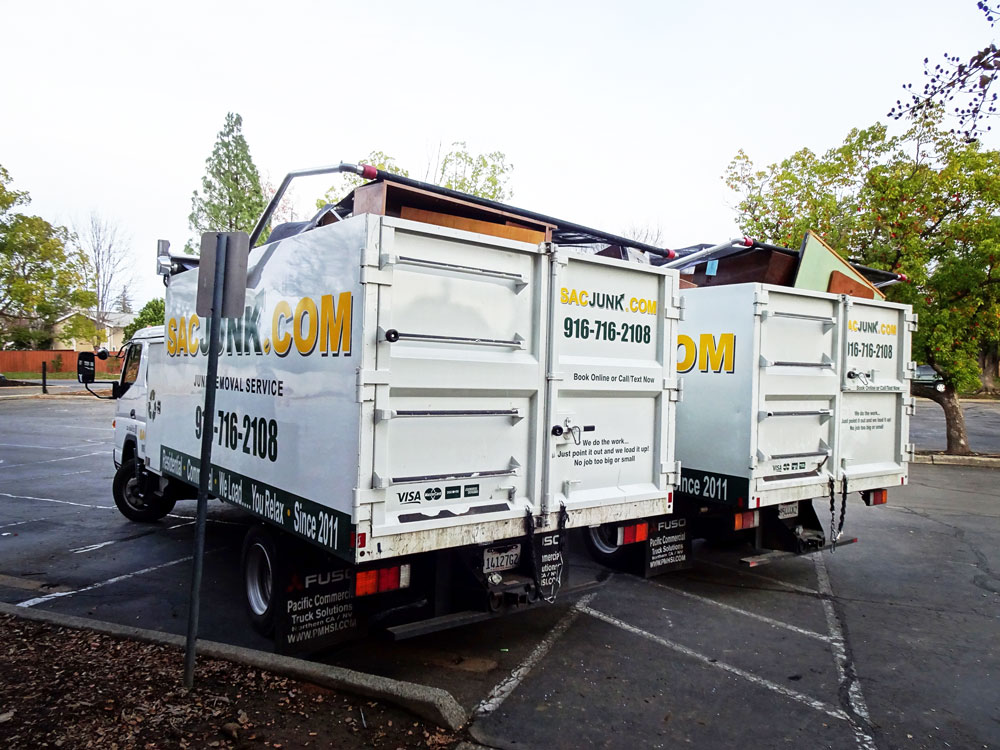
That is why many business owners, contractors, and property managers choose a full-service local hauler instead of trying to piece the cleanup together on their own. A company like Sac Junk handles the heavy lifting, loading, hauling, and cleanup so your team can stay focused on the warehouse, not the waste.
If your floor space is getting crowded, your dock area is backing up, or a move-out left more junk behind than expected, waiting usually does not make the job easier. Getting it cleared now gives you your space back and lets the building work the way it is supposed to.