A bad move-out can wreck your schedule for the whole week. One trashed unit turns into delayed repairs, lost rent, tenant complaints, and a maintenance team stuck handling junk instead of real turnover work. That is why a clear property manager cleanup example helps – not as theory, but as a real look at what a fast, full-service haul can solve.
A real property manager cleanup example
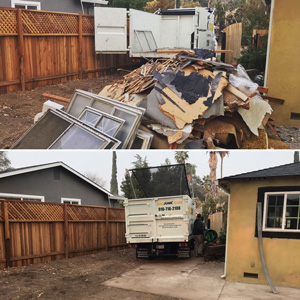
Picture a small apartment complex with a two-bedroom unit just vacated after an eviction. The tenant left behind a sectional sofa, two broken mattresses, bagged clothing, loose food waste, damaged shelving, a refrigerator that no longer worked, and a patio piled with old planters, scrap wood, and black trash bags. Inside, there was also a stack of water-damaged boxes in the dining area and a bedroom closet packed floor to ceiling with mixed debris.
For a property manager, this kind of unit creates three problems at once. First, the space is unusable for painters, cleaners, or flooring crews. Second, the volume is too much for regular maintenance staff to handle without losing a full day or more. Third, there is risk in leaving it untouched – pests, odors, and tenant perception all get worse the longer it sits.
In this example, the goal was simple: clear everything non-hazardous in one visit, sweep out the debris, and get the unit ready for the next trades. That is the kind of job a junk removal crew is built for.
What was removed in this cleanup
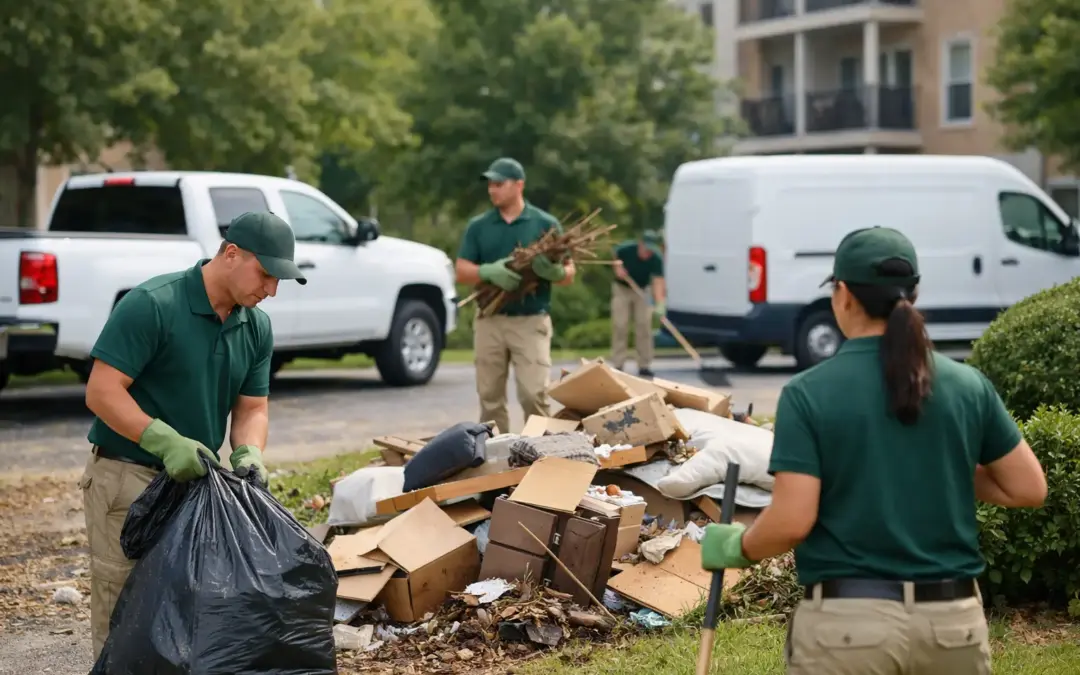
The inside work started with the bulky items because they block the path and slow everything else down. The crew pulled the sofa, mattresses, broken bed frame, shelving pieces, and the dead refrigerator first. After that came the bagged trash, loose debris, cardboard, clothing, and damaged household items.
The patio was handled last so interior access stayed clear. That outdoor pile included yard waste, old pots, wood scraps, and general junk that had built up over time. Once everything was loaded, the crew did a final sweep so the property manager could move directly into the next phase of turnover.
That detail matters. A cleanup is not just about hauling stuff away. It is about clearing the way for painters, cleaners, contractors, and leasing timelines.
What did not belong in the load
Not every item should go with a standard junk crew. Paint, chemicals, fuel, asbestos-containing materials, and other hazardous waste usually need separate handling. Good cleanup planning starts by identifying those items early so they do not hold up the rest of the job.
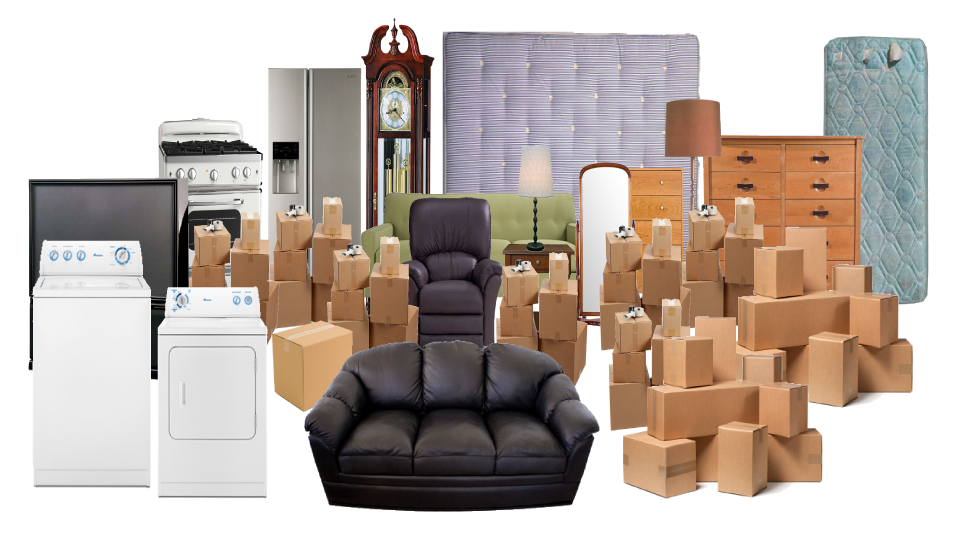
For most rental cleanouts, though, the bulk of what gets left behind is ordinary non-hazardous junk: furniture, mattresses, appliances, bagged trash, tenant leftovers, yard debris, and broken household goods. That is where full-service hauling saves the most time.
Why this type of cleanup gets delayed
Property managers rarely struggle because they do not know what needs to be done. The problem is that junk removal is labor-heavy, time-sensitive, and usually dropped into an already packed day. If maintenance handles it, that means less time for work orders and repairs. If a manager waits for city bulk pickup or tries to piece together labor, the vacancy drags on.
The hidden cost is not just the junk. It is the downtime.
That is why speed and labor matter more than fancy process. A property manager needs a crew that shows up, gives a clear quote, does all the lifting, and gets out of the way so the property can start earning again.
The process behind a good property manager cleanup example
The best cleanups are straightforward. The manager calls or books, gets a time window, receives a courtesy call before arrival, walks the unit with the crew, approves the on-site quote, and then the hauling starts. No need to stage items at the curb. No need to find extra labor. No need to make your maintenance technician wrestle a sleeper sofa down a staircase.
This matters even more at occupied properties. If a unit sits near current residents, speed reduces complaints. If the junk is in a shared area like a dumpster enclosure, breezeway, garage, or alley, same-day pickup can prevent a small mess from turning into a bigger site issue.
A solid crew also knows how to work around access problems. Tight stairwells, upstairs units, locked gates, narrow breezeways, and crowded parking lots are normal in property work. The right team plans for that instead of charging ahead and creating damage.
How pricing usually works
Most property managers want one answer fast: how much is this going to cost? In junk removal, pricing often depends on how much truck space the load takes up, along with labor difficulty and item type. That tends to be more practical than quoting by individual piece when a unit has mixed debris.
For example, a half-truck load of furniture and bagged trash from a small turnover costs less than a full truck of appliances, patio debris, and dense material from a larger cleanout. Stairs, long carry distances, and especially heavy items can affect the quote too.
That is not a bad thing as long as the pricing is explained clearly on site before work starts. Property managers do not need mystery fees. They need a crew that looks at the actual job, prices it fairly, and sticks to the scope.
When a cleanup crew makes more sense than in-house labor
Sometimes a maintenance team can handle a few small items. If the job is one chair, a broken microwave, and some boxes, outsourcing may not be necessary. But once the cleanup involves mattresses, appliances, soaked debris, or enough junk to tie up staff for hours, hiring a haul-away crew usually becomes the cheaper option.
The trade-off is simple. In-house labor may look cheaper on paper if you only count wages. It gets expensive when you factor in delayed turns, overtime, repeat trips, injury risk, and lost focus on repairs that actually prepare the unit for leasing.
For larger properties, the biggest value is consistency. Managers need a cleanup partner who can handle one unit today, a dumpster enclosure tomorrow, and a full property-wide trashout next week without changing the playbook.
A few signs a property needs immediate cleanup
Some messes can wait a day. Others should not. If there is food waste, pest activity, strong odor, blocked access, illegal dumping, or visible trash in common areas, quick removal protects both operations and resident experience.
The same goes for move-outs where junk is holding up vendors. If your carpet installer cannot get in, your painter has nowhere to work, or your appliance delivery is delayed because the old units are still there, the cleanup is no longer a side task. It is the bottleneck.
What property managers should have ready before the crew arrives
A smooth job starts with basic access and a clear scope. Make sure the team can get through gates, into the unit, and to any storage or outdoor areas that need service. If there are items that must stay, point them out before loading begins. If the property has special rules for parking, loading zones, or tenant communication, say that up front.
Photos help too, especially when the unit is in rough shape. A few quick pictures can speed up scheduling and help set expectations about truck size and labor needed. It does not replace an on-site quote, but it helps everyone move faster.
The bigger value is turnover speed
The strongest property manager cleanup example is not just a before-and-after photo. It is a unit that goes from blocked and unusable to ready for cleaning, repairs, and leasing in the same day. That is the real win.
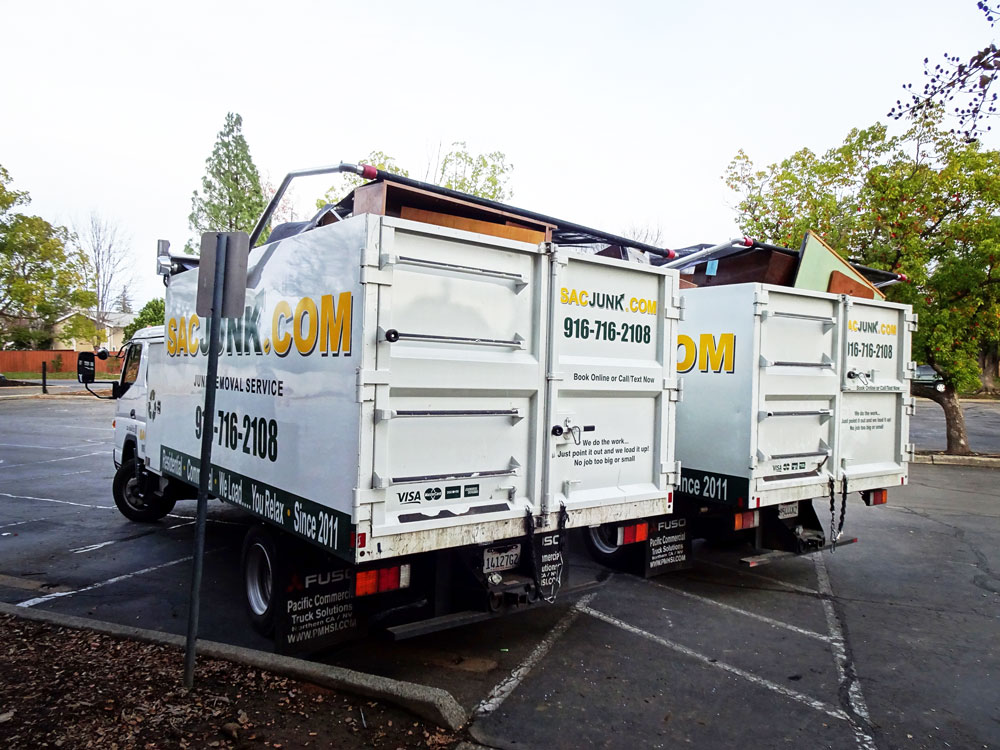
A local, full-service company like Sac Junk is built for exactly that kind of pressure. The crew does the lifting, loading, hauling, and final sweep so your team can stay focused on getting units back online.
If you manage rentals, cleanup should never be the reason a unit sits idle. The right haul-away service keeps the turnover moving, protects your staff from unnecessary heavy labor, and gives you one less fire to put out before lunch.