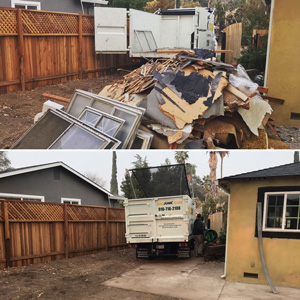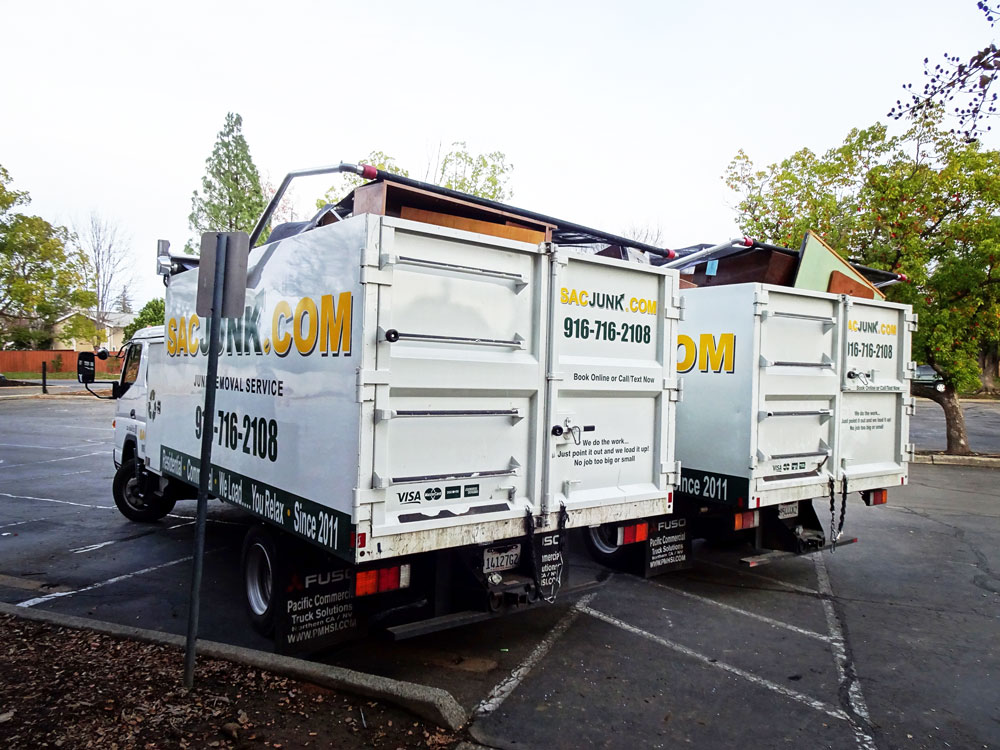

A remodel is not finished when the last cabinet is installed. It is finished when the old cabinets, drywall scraps, broken fixtures, packaging, and leftover debris are out of the way. Junk hauling for contractors keeps jobs moving by clearing space without pulling your crew off skilled work to load trucks, make dump runs, or sort through a growing debris pile.
For Sacramento contractors, cleanup can become a real schedule problem fast. A cluttered site slows the next trade, creates trip hazards, blocks access for deliveries, and leaves a poor final impression for the client. A full-service hauling crew handles the lifting, loading, hauling, and sweep-up so your team can stay focused on the build.
Why Contractors Need Fast Jobsite Cleanup
Construction and renovation debris rarely arrives all at once. Demolition creates the first major pile, rough work brings packaging and cutoffs, and final punch-list work often leaves old appliances, fixtures, flooring, and bulky items behind. Waiting until the end can work on a small project with plenty of staging room. On a tight residential lot, occupied commercial space, or active turnover project, it usually creates more problems than it solves.
Regular hauling helps keep work areas clear and accessible. It also gives you a cleaner handoff when an inspector, property owner, tenant, or final trade walks through the site. A clean jobsite signals that the work is under control.
The best timing depends on the project. For a kitchen or bath remodel, pickup after demolition and another pickup near completion may be the right fit. For a large cleanout, retail refresh, or warehouse project, one scheduled haul after the work is complete may be more efficient. The goal is not to haul every small scrap immediately. It is to remove bulky, inconvenient material before it starts costing your crew time.
What Junk Hauling for Contractors Can Remove
A professional hauling crew is built for the material that is awkward, heavy, or time-consuming to deal with. That includes items left from demolition, tenant improvements, property turnovers, and jobsite cleanup.
Common contractor pickups include old cabinets and countertops, carpet and padding, lumber cutoffs, drywall, doors, windows, tile, flooring, fencing, fixtures, and non-hazardous construction debris. Crews can also remove appliances, water heaters, furniture, mattresses, cubicles, shelving, pallets, packaging, yard debris, and abandoned items from garages, backyards, or storage areas.
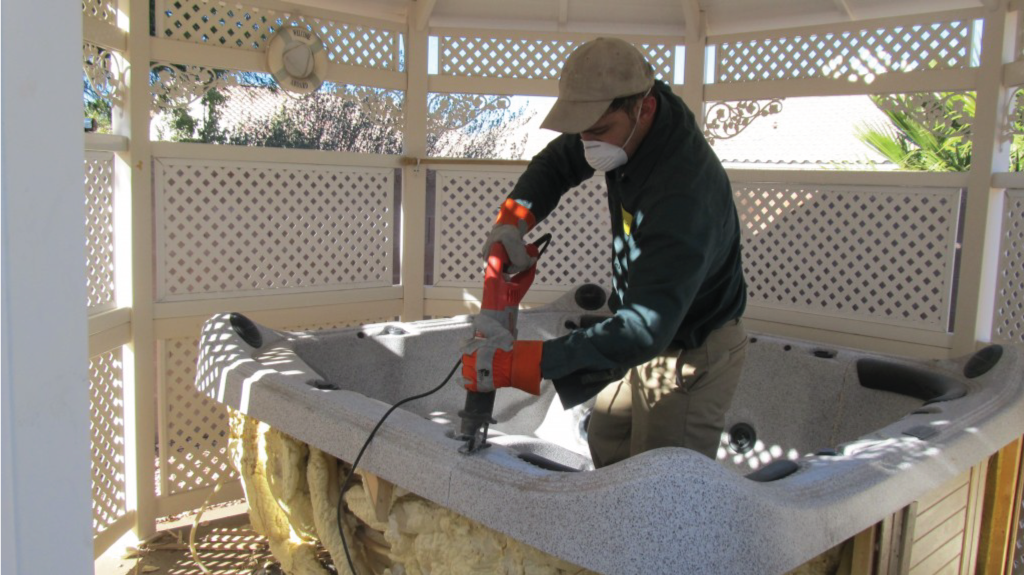
This service is especially useful when a job includes more than standard debris. A renovation may uncover an old spa, a damaged shed, unwanted patio furniture, or a garage full of items the owner wants gone before work begins. Instead of coordinating several disposal trips, you can have one crew load the material from wherever it sits on the property.
There are limits. Standard junk hauling is for non-hazardous materials. Paint, chemicals, fuels, asbestos-containing materials, explosives, and other regulated waste need specialized handling. If you are unsure about a material, flag it before booking. Identifying special waste early protects your crew, the hauling team, and the project schedule.
Hauling Service vs. a Dumpster Rental
Dumpsters have their place, particularly on longer projects that produce a steady volume of debris every day. They give your crew a nearby disposal point and can be practical when there is enough room for placement, access, and ongoing loading.
But a dumpster also puts the loading work on your crew. It can take up driveway or parking space, require permits in some locations, and stay on-site longer than needed. Weight limits and prohibited materials can also affect the final cost.
Full-service hauling is often the better choice for short projects, final cleanups, occupied properties, and jobs with heavy or scattered items. The hauling crew comes in, loads everything, and takes it away. Your team does not have to carry old cabinets down stairs, break down bulky furniture, or spend an afternoon at a transfer station.
For many contractors, the decision comes down to labor and timing. If your crew can keep producing billable work while someone else clears the debris, hauling can be the more cost-effective option even when the pile looks manageable.
How to Plan a Smooth Contractor Pickup
A little preparation makes pickup faster, but you do not need to stage every item perfectly. Start by separating material that must stay from material that is approved for removal. This matters on remodels, tenant improvements, and owner-occupied properties where tools, salvageable fixtures, or delivery materials may be near the debris.
Next, make a clear path to the load. Open gates, move vehicles if possible, and let the crew know about stairs, narrow hallways, elevators, locked access points, or debris behind the structure. These details help set realistic expectations for the job and avoid wasted time on pickup day.
If you are managing several trades, schedule hauling around the work that creates the biggest obstruction. After demolition is usually a strong choice. So is the point just before flooring, painting, final cleaning, or client walkthroughs. Removing debris before those phases protects finished surfaces and gives the next crew room to work.
For recurring projects, use the same simple process each time: identify the pile, confirm access, request a pickup window, approve the quote on-site, and let the crew handle the rest. Consistency is valuable when you are coordinating multiple jobs across Sacramento, Elk Grove, Folsom, Rancho Cordova, or nearby service areas.
What Drives the Cost of Contractor Hauling
Most full-service junk removal is priced by the amount of truck space your material uses, not by the hour. That makes pricing easier to understand than trying to estimate how long a crew will need to load a mixed pile of debris.
The final quote can depend on volume, material type, weight, access, and labor. A ground-level pile of light packaging takes less effort than a third-floor removal of dense tile, cabinets, and appliances. Heavy materials such as concrete, dirt, brick, roofing, or large amounts of tile may require special pricing because they add significant disposal weight.
The smart move is to get an on-site quote before work begins. You can see the price, ask questions, and approve it before the crew loads anything. That gives you control over the cost and lets you decide whether to remove the full pile or prioritize certain items first.
Be careful about the false savings of handling debris in-house. A pickup truck, dump fees, fuel, disposal time, and two workers away from the job can add up quickly. If the project is on a deadline, the indirect cost of a delayed next step may be even higher.
Keep Safety and Site Conditions in Check
Debris piles are not just unattractive. They can hide nails, broken glass, sharp metal, unstable stacks, and tripping hazards. They can also block emergency access, walkways, electrical panels, and materials needed by the next trade.
Do not ask a hauling crew to work around active demolition, exposed hazards, or unsafe structural conditions. Secure the work area first, identify what is being removed, and keep people clear while loading is underway. If debris is mixed with personal property or salvage items, mark what stays. A few minutes of direction prevents expensive confusion.
It also helps to keep recyclable or reusable items separate when practical. Metal, cardboard, usable furniture, and certain appliances may have a better destination than the landfill. Sac Junk works to donate and recycle up to 60% of the materials it removes, helping contractors clear jobs responsibly without adding another task to the project manager’s list.
A Clean Site Helps You Finish Strong
Clients remember the final condition of a project. They notice whether the driveway is full of broken materials, whether the garage is usable again, and whether the work area looks ready for the next phase. Fast debris removal protects that final impression while giving your crew the space to do its best work.
When the pile is slowing down the job, do not turn skilled labor into a hauling crew. Set the pickup, approve the quote, and get the site clear so the project can keep moving.