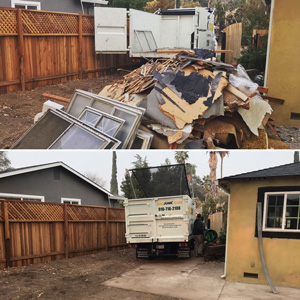
A sofa left beside a dumpster, a mattress behind a rental, or broken chairs piled near a business entrance can become a problem fast. If you are asking who removes abandoned furniture, the right answer depends on where it sits, who owns the property, and whether you have authority to have it hauled away.
For most homeowners, landlords, property managers, and business owners, a full-service junk removal company is the fastest option. A trained crew can lift, load, haul, and sweep up the area without leaving you to wrestle a soaked couch into a pickup truck. But abandoned furniture can also involve tenant-property rules, illegal dumping concerns, and public-right-of-way restrictions. Handling those details first prevents a simple cleanup from turning into a larger headache.
Who Removes Abandoned Furniture From Private Property?
If the furniture is on property you own or manage, a junk removal company is usually the practical choice. This includes furniture left in a driveway, alley, garage, apartment common area, warehouse, office suite, dumpster enclosure, yard, or vacant unit.
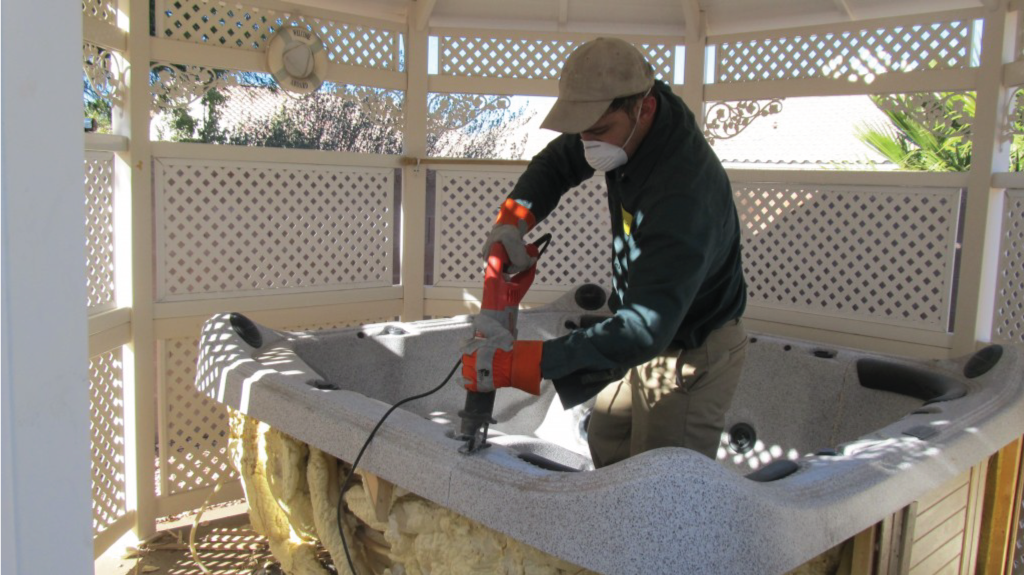
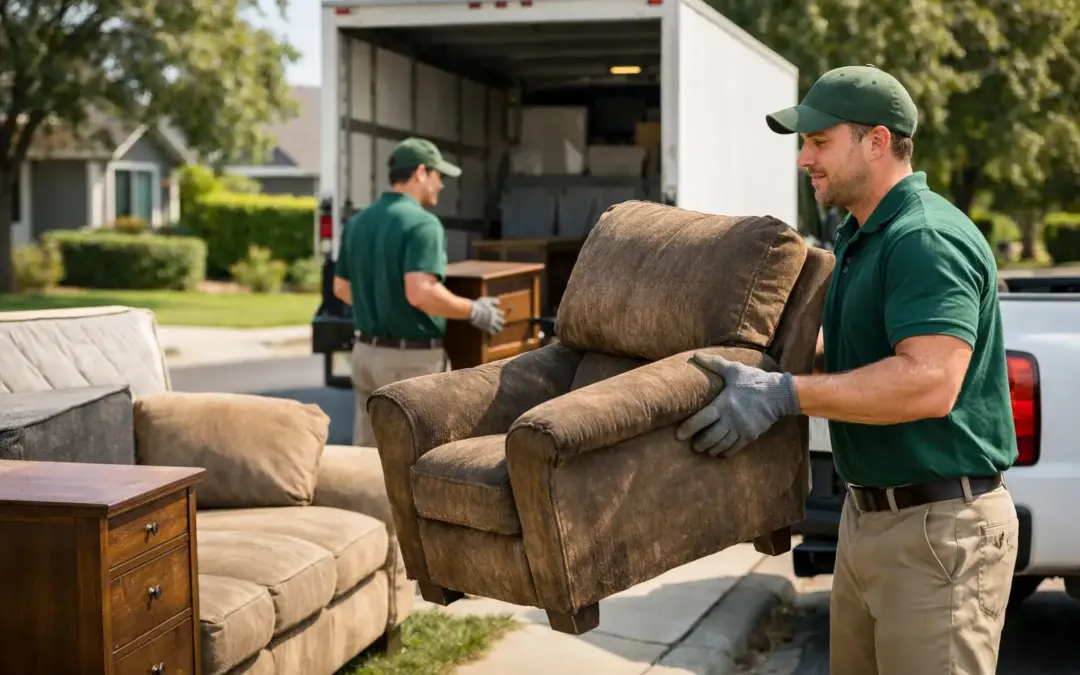
Full-service removal is especially useful for large, dirty, or damaged items. Crews handle the labor that most people do not have the time, equipment, or back strength to manage: carrying heavy pieces down stairs, navigating narrow hallways, loading the truck, and clearing loose debris after the item is gone.
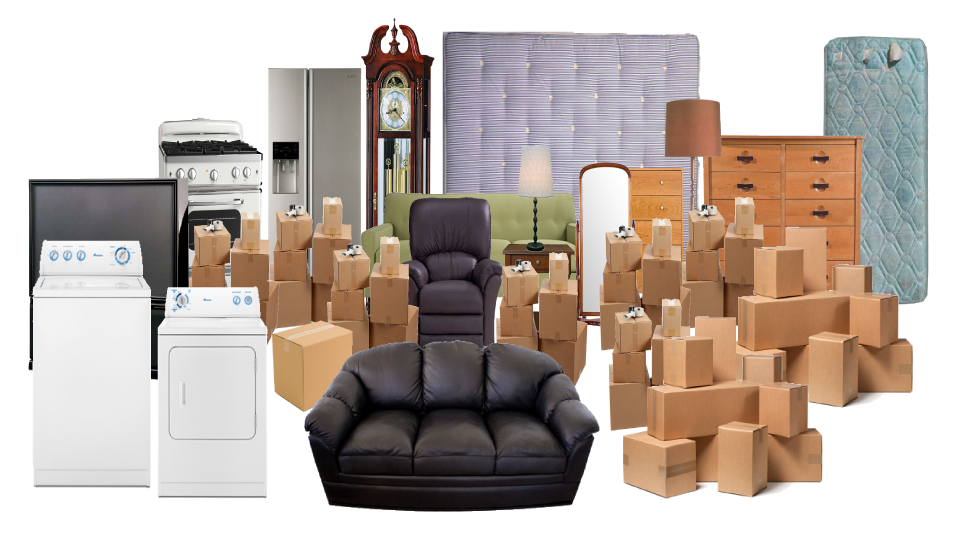
A professional hauler can commonly remove items such as couches, recliners, dressers, tables, bed frames, desks, filing cabinets, patio furniture, entertainment centers, and non-hazardous mattresses. The crew should confirm what is being removed before loading and provide a clear quote based on the amount of space the items take up in the truck.
For Sacramento property owners and managers, this is often a better fit than waiting for a limited municipal bulky-item collection. City programs can be helpful for planned disposal, but they may have appointment limits, item restrictions, placement rules, or longer wait times. When furniture is blocking access, creating a mess, or making a property look neglected, a hauling crew gives you more control over the timing.
First, Make Sure You Can Authorize Removal
“Abandoned” does not always mean “free to throw away.” Before scheduling a pickup, confirm that the furniture has actually been discarded and that you have the right to remove it.
For a homeowner, that is straightforward when the items are on your property. For a landlord or property manager, the situation may require more care. Furniture left by a former tenant can be subject to California rules on personal property after a move-out or eviction. Required notices and holding periods may apply depending on the circumstances and value of the belongings. Do not assume an occupied tenant’s possessions, or items connected to a recent vacancy, can be removed immediately.
If the furniture was dumped on a commercial site, document it before cleanup. Take photos, note the date and time you found it, and check security footage if available. Documentation helps with internal records, lease enforcement, and any report you choose to make about illegal dumping.
When the item is on a sidewalk, street, public alley, parkway, or another public area, do not arrange removal unless you have clear authority. Contact the local city, county, property owner, or code enforcement office for direction. In some cases, the public agency handles collection or investigates illegal dumping. In others, an adjacent property owner may be responsible for clearing it. The location matters.
When a Junk Removal Crew Is the Best Option
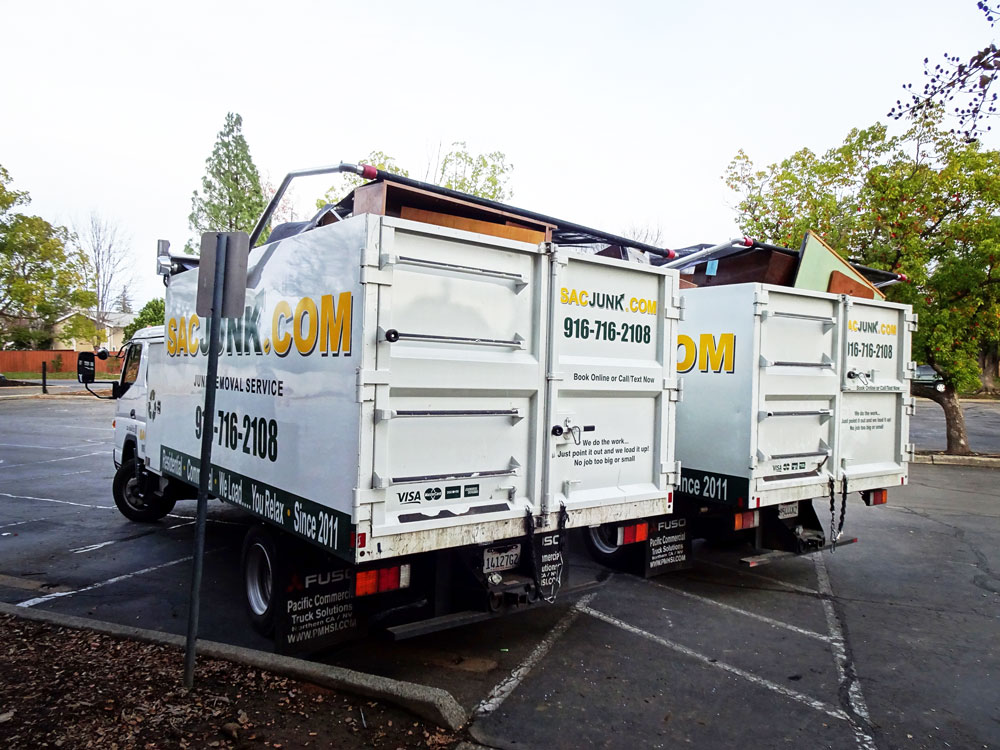
A junk removal service makes the most sense when the job needs physical labor and fast cleanup. You point out what needs to go, approve the price on-site, and the crew does the lifting, loading, hauling, and basic site cleanup.
This is a strong option in several common situations:
- A tenant or former resident left furniture in a garage, backyard, storage area, or common area after you have confirmed it can be removed.
- A couch, mattress, or dining set was illegally dumped behind a rental, retail building, office, or dumpster enclosure.
- An estate cleanout, move-out, renovation, or eviction has left a mix of furniture and general non-hazardous junk.
- A business is replacing desks, cubicles, breakroom furniture, or waiting-room seating and needs the old items gone without disrupting operations.
- A homeowner needs one large item or several bulky pieces removed without renting a truck or finding a disposal site.
The trade-off is cost versus effort. A municipal pickup or self-haul trip may cost less for one clean, easy-to-move item when you have the time and a suitable vehicle. Full-service junk removal costs more because it includes the crew, truck, lifting, loading, hauling, and disposal coordination. For a heavy sectional on the second floor or a pile of furniture behind an apartment building, that labor is usually the value.
How Pricing Usually Works
Most reputable junk removal companies price by truck volume, not by the number of minutes it takes to load. That means a single recliner costs less than a full apartment of furniture, while a bulky sectional, oversized armoire, or water-damaged mattress may take up more space than expected.
The best process is simple: the crew arrives, looks at the furniture, confirms what will be taken, and gives you an upfront price before work starts. Ask whether labor, loading, hauling, and disposal fees are included. You should know the total before anyone begins carrying items out.
Access can affect the job. Tell the company if the furniture is upstairs, behind a locked gate, in a basement, at the back of a large property, or mixed with other debris. Mention tight stairways, elevators, parking limits, and whether the item is wet, infested, badly damaged, or contaminated. Clear details help the crew bring the right equipment and avoid surprises at arrival.
What Happens to Furniture After Pickup?
Not every abandoned couch is landfill material. Furniture in good condition may be suitable for donation, while metal frames, wood, cardboard, and certain components can sometimes be separated for recycling. The condition of the item determines the best path.
A couch that has been sitting outside in rain, has visible mold, carries pests, or is heavily soiled may not be accepted for donation. The same is true for damaged mattresses and upholstered items with stains or odors. Responsible removal still means taking the right disposal route, even when reuse is no longer realistic.
Sac Junk works to donate and recycle up to 60% of the materials it removes when condition and local processing options allow. That effort can reduce unnecessary landfill waste, but it should never be treated as a promise that every abandoned item can be donated. Safety, sanitation, and facility acceptance rules come first.
Items That Need a Different Plan
Standard junk crews generally remove non-hazardous furniture and household debris. Some items require specialized handling or should be disclosed before scheduling. These include paint, solvents, fuel, chemicals, propane cylinders, pesticides, asbestos-containing materials, medical sharps, and unknown liquids.
If abandoned furniture has signs of bed bugs, rodent infestation, mold, or human waste, say so upfront. A removal company may still be able to help, but the crew needs to determine whether the material can be safely handled and what preparation is required. Do not bag up hazardous materials with the furniture or hide them inside drawers and cabinets.
For homeless encampment debris, safety and legal considerations are even more important. These cleanups can involve sharps, biohazards, personal property, and public-agency requirements. Use an experienced cleanup provider and follow the directions of the property owner or local authority rather than treating it as ordinary curbside junk.
A Fast Way to Get the Furniture Gone
Once you have confirmed authorization, take a few photos and estimate the number of items. Then contact a local full-service hauler, explain where the furniture is located, and ask for the earliest available pickup. If possible, send photos or describe the size and condition of the items.
Before the crew arrives, keep pathways reasonably clear and separate anything you want to keep. For rental and commercial properties, make sure the person meeting the crew can approve the quote and authorize removal. A quick walkthrough avoids accidental pickup of tools, tenant belongings, or useful equipment stored near the abandoned furniture.
Abandoned furniture rarely gets easier to deal with after another week outside. Confirm your authority, document the situation, and bring in a crew that can clear the space safely so your home, rental, or business can get back to looking cared for.