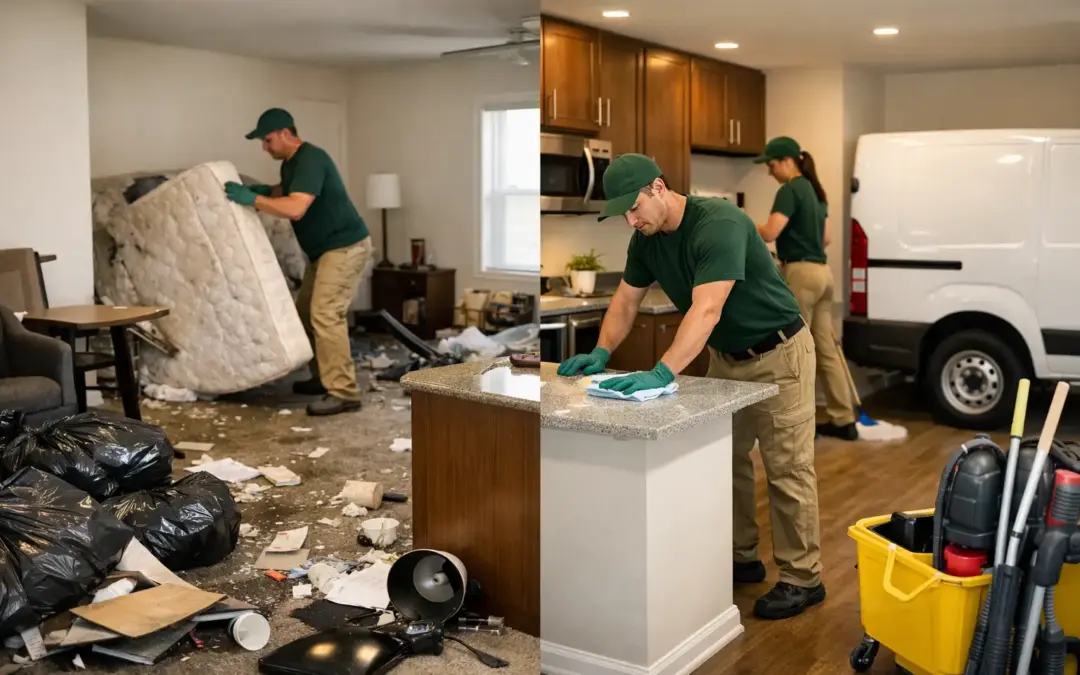
A tenant is out, the locks have been changed, and the next showing is waiting on a clear unit. This eviction cleanup example shows what a real rental-property cleanout can look like, from the first walkthrough to the final sweep-up. For Sacramento landlords and property managers, the goal is not just getting rid of abandoned stuff. It is getting the property safe, accessible, and ready for repairs, cleaning, and a new resident.
An Eviction Cleanup Example in a Two-Bedroom Unit
Picture a two-bedroom apartment after an eviction. The living room has a worn sectional, a broken TV stand, bags of clothing, kids’ toys, and loose trash. The kitchen has spoiled food, old dishes, a damaged microwave, and a refrigerator that needs to be hauled away. One bedroom is mostly empty, while the other is packed with a mattress, bed frame, dresser, boxes, and personal items left behind.
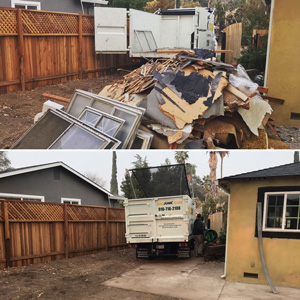
Outside, there is a small pile of patio furniture, yard debris, and a few bags near the dumpster enclosure. The property manager needs the unit cleared quickly so a cleaning crew can get in, maintenance can assess wall damage, and leasing can schedule photos.
A full-service junk removal crew starts by walking the unit with the manager. This is the time to identify what stays, what goes, and any items that require special handling. Once the crew provides an on-site, volume-based quote and receives approval, the heavy work begins.
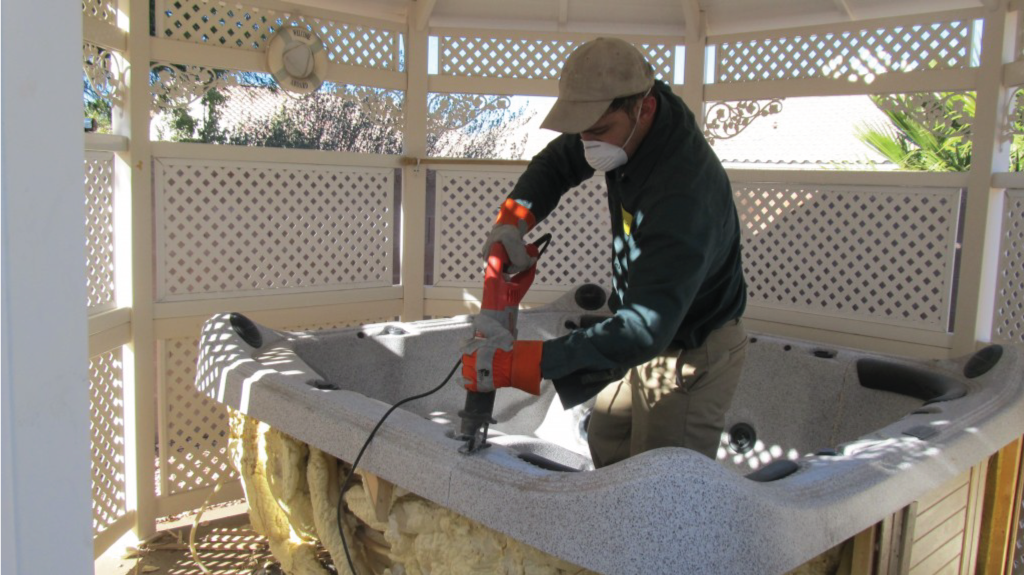
The crew removes furniture, bagged trash, mattresses, appliances, boxes, and outdoor debris. They carry everything down stairs if needed, load it into the truck, and sweep up the areas where junk was removed. The manager does not need to rent a dumpster, find extra labor, make landfill runs, or ask maintenance staff to spend a full day hauling somebody else’s leftovers.
That is the basic value of an eviction cleanout: one coordinated removal job that clears the way for the work that actually gets the rental back on the market.
What an Eviction Cleanout Crew Can Remove
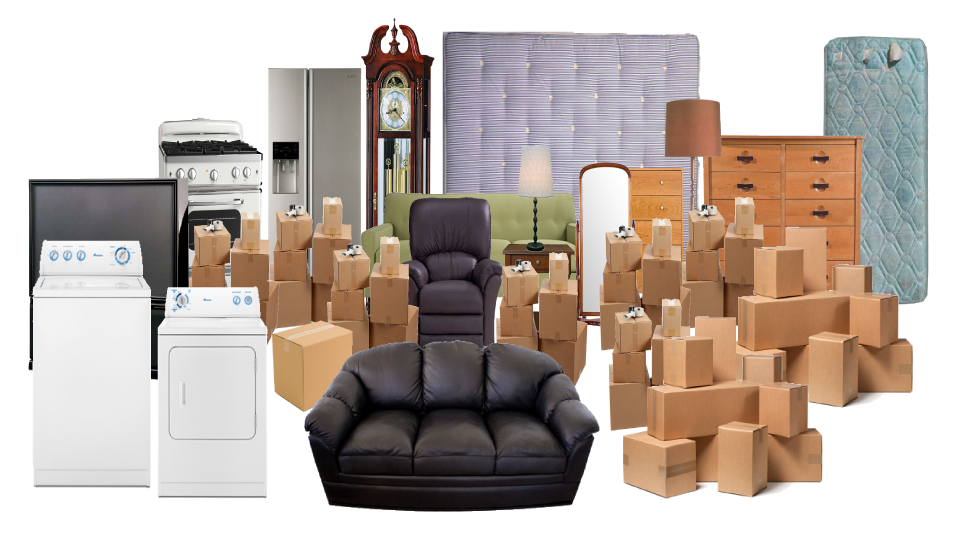
Every unit is different. Some evictions leave behind a few bags and a sofa. Others involve packed closets, damaged furniture, garage overflow, and debris across the yard. A removal crew can typically haul non-hazardous items such as furniture, mattresses, appliances, electronics, clothing, household goods, carpets, shelving, bagged trash, boxes, and small renovation debris.
Common items from an eviction cleanup include:
- Couches, recliners, tables, chairs, and bed frames
- Mattresses, box springs, dressers, and damaged bedroom furniture
- Refrigerators, microwaves, washers, dryers, and unwanted small appliances
- Boxes, clothing, toys, kitchenware, and general household clutter
- Patio furniture, broken planters, branches, and yard waste
- Garage junk, shelving, tires where accepted, and miscellaneous debris
The key limitation is safety. Standard junk removal is for non-hazardous materials. Chemicals, paint, fuel, propane tanks, biohazards, needles, and unknown substances may require a specialized disposal provider. If a unit has severe contamination, pest activity, mold, or bodily fluids, say so before scheduling. A good cleanup plan starts with an honest description of the conditions.
Why Documentation Comes Before Hauling
The fastest cleanup is not always the first thing to do. California landlords and property managers need to follow their own legal process for abandoned personal property before disposal. Depending on the situation, that can include inventorying items, storing certain belongings, providing required notice, and waiting through the applicable period.
Do not treat a cleanout crew as the party deciding what can legally be discarded. The owner or manager should make that call after following the right process. Once items are cleared for removal, the hauling crew can move quickly.
Photos are useful before, during, and after the job. Take wide shots of each room, closets, the garage, and exterior areas. Document major damage separately from ordinary junk. This protects the property owner, helps maintenance crews prepare their scope of work, and gives everyone a clear record of the unit’s condition.
How Pricing Usually Works for Eviction Cleanup
Eviction cleanup pricing depends mainly on how much space the load takes up in the truck. A small pickup of a mattress, dresser, and a few bags costs less than a whole-unit cleanout with furniture, appliances, and garage debris. Stairs, long carry distances, exceptionally heavy items, and difficult access can also affect the job.
For property managers, on-site estimates are usually the cleanest way to price a unit. The crew sees the actual volume, checks access, and gives a quote before loading starts. That is better than guessing from a few photos and finding out on pickup day that the debris fills far more space than expected.
Labor should be part of the quote. An eviction cleanout often requires repeated trips through hallways, up stairs, around parked vehicles, or through a narrow side gate. If the service is truly full-service, the crew handles the lifting, loading, hauling, and basic sweep-up after the load is gone.
There is a trade-off between a dumpster and full-service removal. A dumpster can make sense for a large renovation where workers will add debris over several days. For an abandoned-unit cleanout, full-service hauling is often more practical because the crew does the labor and the container does not sit on the property taking up parking or attracting more dumping.
A Better Order of Operations After an Eviction
Speed matters, but sequence matters too. Start with legal clearance and documentation. Then separate anything that must be retained from items approved for disposal. If possible, remove valuable fixtures or materials that are staying before the hauling crew arrives.
Next, schedule the junk removal before deep cleaning and most repairs. There is little value in shampooing carpet around an old couch or patching a wall behind a packed bedroom set. Once the space is open, maintenance can inspect the actual condition of floors, walls, plumbing, cabinets, and appliances.
For units with exterior debris, include that in the same appointment when possible. Clearing the patio, carport, garage, and dumpster area at the same time improves curb appeal and prevents loose materials from becoming another maintenance issue.
A final walkthrough after the haul is also worth a few minutes. Check closets, cabinets, attic access, storage lockers, and outdoor corners. Small items left behind can delay cleaners, frustrate vendors, and make an otherwise finished unit look neglected.
Turning a Vacant Unit Around Faster
A vacant unit produces no rent, and every extra day between tenants can create more work for the property team. The practical fix is to avoid turning junk removal into a multi-person project. Assign one decision-maker, document the unit, approve the haul, and let a trained crew clear the space in one visit when conditions allow.
For a landlord with several doors or a property manager handling multiple turnovers, consistency helps. Use the same intake process each time: photos, item list, access instructions, legal clearance confirmation, and a target completion date. Crews can work more efficiently when they know where to park, which gate to use, whether there are stairs, and who can approve the quote on site.
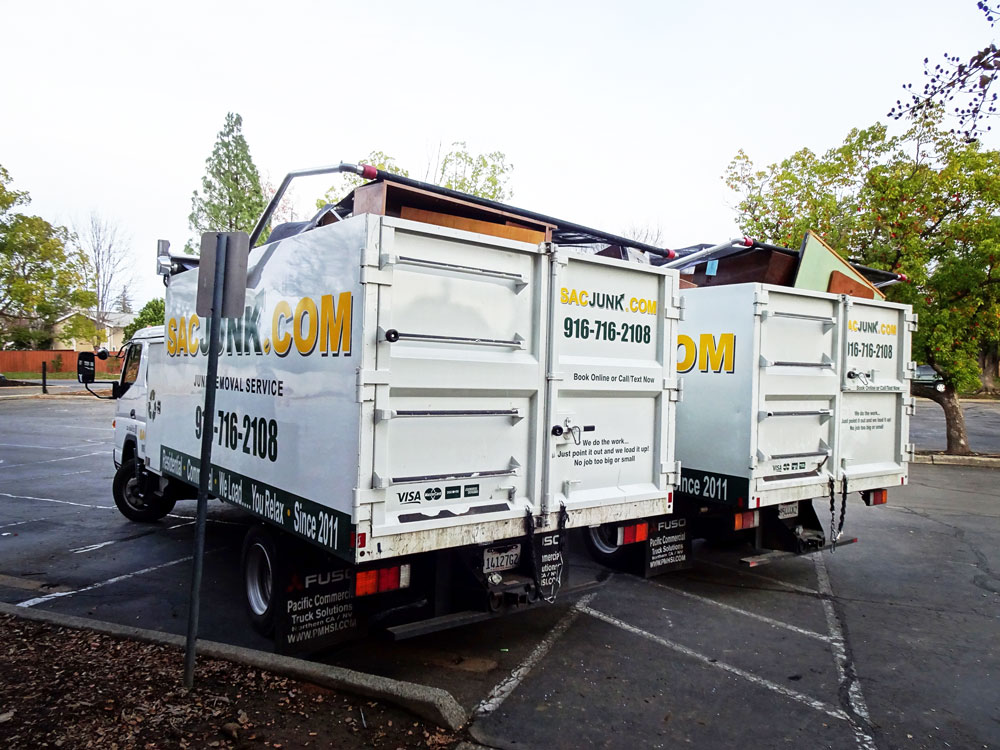
Sac Junk provides labor-inclusive eviction cleanouts for rental properties across Sacramento and nearby communities. The crew handles the loading and hauling so owners and managers can focus on repairs, cleaning, and leasing instead of wrestling abandoned furniture down a hallway.
What Happens to the Removed Items?
A cleanout does not automatically mean every item goes straight to a landfill. Usable furniture, household goods, metal, cardboard, and certain other materials may be candidates for donation or recycling when their condition and local processing options allow. That said, an eviction unit can contain damaged, soiled, or contaminated items that cannot be reused.
The right expectation is responsible sorting where practical, not a promise that every item can be diverted. A local hauling company that prioritizes donation and recycling can reduce waste while still keeping the job moving on a tight turnover schedule.
When the unit is legally cleared and ready to be emptied, do not let abandoned junk become the bottleneck. A fast, full-service cleanup gives your cleaners a clear floor, your maintenance team a better view of the work ahead, and your next tenant a property that feels ready from the first walkthrough.