An estate cleanout is rarely just a big trash pickup. It can involve a family home full of memories, a rental deadline, probate paperwork, valuable belongings, and more heavy furniture than anyone expected. This estate cleanout step guide helps you make clear decisions, protect what matters, and get the property ready for its next chapter without trying to do all the lifting yourself.
Estate Cleanout Step Guide: Start Before You Move Anything
The fastest cleanouts usually begin with a short pause. Before family members start taking items home or boxes start going to the curb, make sure the right people have permission to make decisions. If the estate is in probate, the executor, administrator, attorney, or estate representative should set the rules for what can be removed and when.
Secure the property first. Collect keys, change locks if needed, forward mail, and keep important documents in one safe location. Take quick photos of each room before sorting begins. These photos can help with family conversations, insurance questions, or tracking the property condition before it is listed, rented, or repaired.
Set a realistic deadline. A home being prepared for sale may need a complete clear-out within days, while a family property may need several weekends of sorting. The right pace depends on the legal timeline, the number of decision-makers, and whether the property has furniture, vehicles, sheds, garages, or outdoor debris to handle.
Step 1: Protect Documents, Valuables, and Personal Items
Do not begin by filling a dumpster or hauling furniture. Start with a detailed sweep for items that should never be tossed without review. Check desk drawers, filing cabinets, closets, book covers, locked boxes, coat pockets, kitchen containers, and the space under beds.
Pull aside identification documents, wills, deeds, tax records, bank statements, insurance paperwork, military records, photos, jewelry, collectibles, firearms, cash, and keys. Even ordinary-looking paperwork can matter. A utility bill may reveal an account that needs to be closed, and an old folder may contain a vehicle title or property document.
Create one clearly marked keep area that is off-limits to the cleanup crew and anyone dropping by to help. If several family members are involved, photograph and label disputed items rather than making a rushed call. A little organization early can prevent a lot of frustration later.
Step 2: Sort Each Room Into Clear Categories
Once important items are safe, work room by room instead of trying to sort the whole house at once. Starting in one area keeps piles from spreading through the home and gives everyone a visible sense of progress.
Use five simple categories: keep, family distribution, sell, donate, and remove. Keep items should leave the property quickly so they do not get mixed back into the cleanout. Family distribution items need a deadline. If a relative wants something, ask them to arrange pickup by a specific date instead of letting one chair or box delay the entire project.
Selling can make sense for antiques, quality furniture, tools, collections, or vehicles with documented value. But be practical about the trade-off. Selling takes time, photos, buyer coordination, and storage space. If the property must be cleared quickly, it may be better to sell only higher-value items and donate or remove the rest.
Donation is a good option for clean, usable furniture, household goods, clothing, books, and working appliances. Not every item is donation-ready, though. Wet, broken, heavily worn, or pest-damaged belongings generally need disposal. Separating reusable materials from true junk can reduce landfill waste and make a difficult job feel more purposeful.
Step 3: Make a Plan for Large, Heavy, and Awkward Items
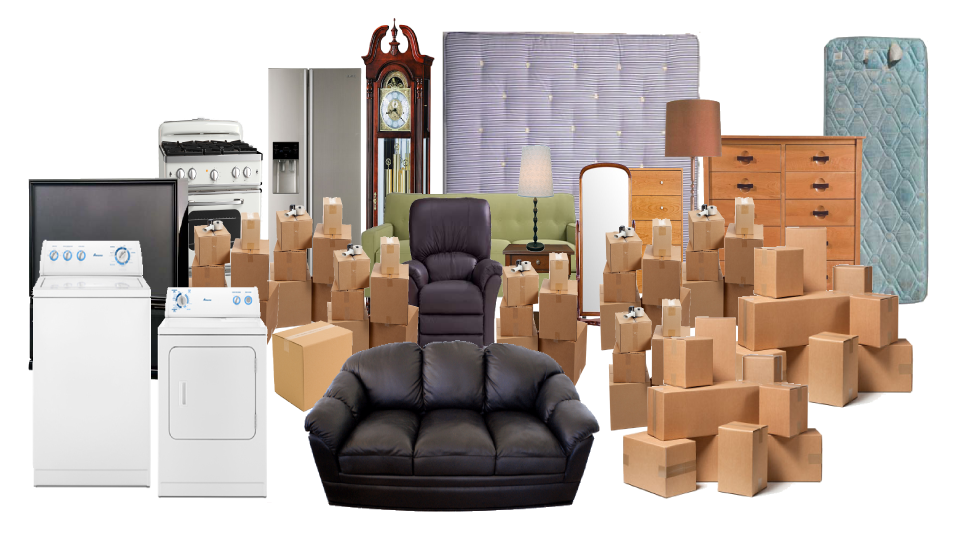
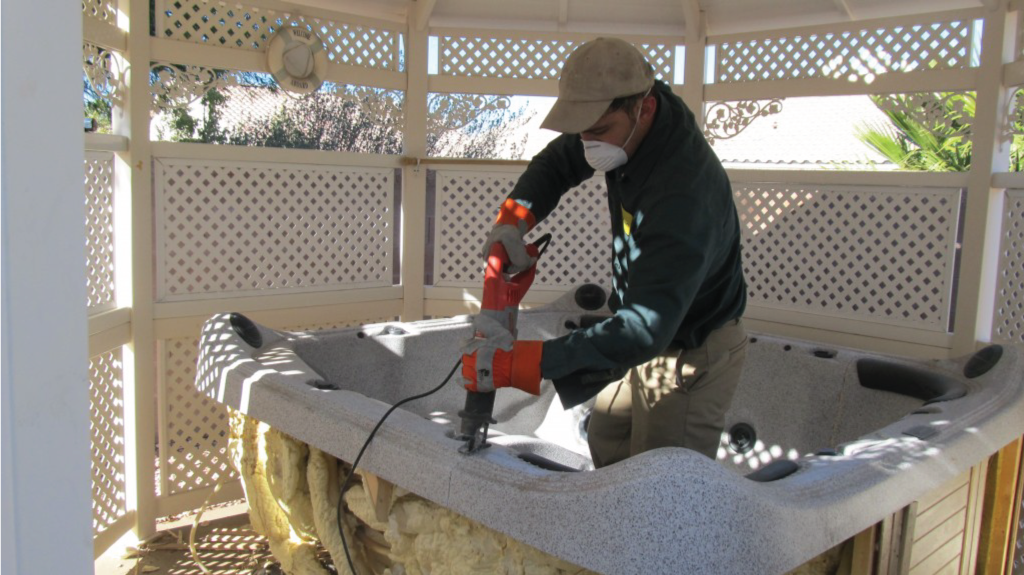
Estate properties often contain the items that are hardest to move safely: solid wood furniture, refrigerators, mattresses, garage shelving, old exercise equipment, sheds, hot tubs, and years of stored boxes. Trying to move these items with a borrowed truck can turn a cleanout into an injury, property damage, or multiple exhausting trips.
Walk the property and make a separate list of bulky items. Note narrow hallways, stairs, low tree branches, gated backyards, parking restrictions, and anything that may require disassembly. These details help you decide whether a full-service junk removal crew is the better choice.
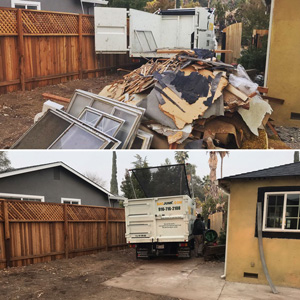
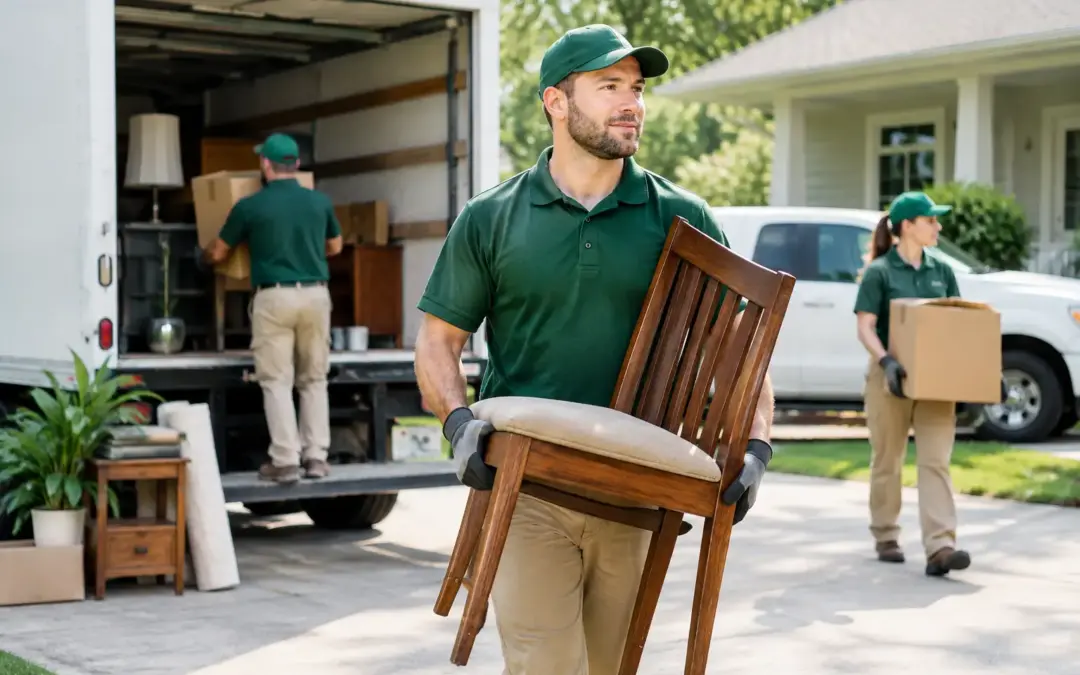
A professional crew can handle the lifting, loading, hauling, and basic sweep-up after removal. For Sacramento-area estate cleanouts, that can be especially useful when a home needs to be emptied before a sale, a landlord needs a unit turned quickly, or family members live out of town. Volume-based pricing also gives you a clearer picture of cost than making repeated dump runs with fuel, rental, and disposal fees added on.
Step 4: Handle Hazardous Items Separately
Most junk removal services handle non-hazardous belongings, not hazardous waste. Before scheduling pickup, inspect the garage, workshop, shed, laundry area, and under-sink cabinets for paint, solvents, gasoline, propane tanks, pesticides, chemicals, batteries, fluorescent bulbs, and medical waste.
Keep these materials separate and use the proper local disposal channel. Do not hide hazardous materials inside boxes or bags headed for a removal truck. That creates safety risks for the crew and can delay the entire cleanout.
This is also the time to check appliances. Refrigerators, freezers, air conditioners, and similar equipment may require special handling because of refrigerants. Ask about accepted items before the appointment so there are no surprises when the crew arrives.
Step 5: Schedule Removal After the Sorting Is Done
You do not need to sort every paperclip before getting a quote, but the major decisions should be made first. Removal is smoother when the keep items are gone, valuables are secured, hazardous materials are separated, and the remaining load is clearly identified.
When you book a cleanout, describe the property honestly. Mention the number of rooms, garage or backyard debris, stairs, large appliances, sheds, and any unusually heavy items. A good removal company should provide a courtesy call before arrival, review the job on-site, give an upfront quote, and wait for your approval before loading begins.
At Sac Junk, the crew handles the physical work after you approve the price: lifting, loading, hauling, and cleaning up the area once the unwanted items are removed. Usable materials are sorted for donation and recycling whenever possible, which helps keep more from going straight to the landfill.
Step 6: Do a Final Property Walk-Through
After the rooms look empty, walk through the property one more time before turning over keys. Open every cabinet, closet, drawer, attic access point, garage shelf, and outdoor storage area. Check behind doors, under appliances, inside mailboxes, and along fence lines.
Look for small but important items: spare keys, remotes, documents, prescription medications, family photos, cleaning supplies, and hardware for appliances or furniture. If the property is being sold or rented, remove remaining personal items from the refrigerator, wipe out cabinets, and make sure the yard and driveway are clear.
A final walk-through is also your chance to identify what comes next. The home may need deep cleaning, repairs, landscaping, or staging. A clean, empty space makes those jobs faster because contractors, agents, and new occupants can see exactly what they are working with.
When an Estate Cleanout Needs Extra Help
Some cleanouts are straightforward. Others involve hoarding conditions, pest damage, eviction-related belongings, large commercial equipment, or a property that has been vacant for years. In those situations, do not expect one family member to solve everything over a weekend.
Bring in the right help early, whether that means an estate attorney, realtor, appraiser, cleaning crew, or removal team. The goal is not to rush through meaningful belongings. It is to keep the project moving safely, respectfully, and on a schedule that protects the property.
Clearing an estate is hard work, but it does not have to become a burden that sits on your family for months. Make the important decisions first, set firm pickup deadlines, and let a capable crew handle the heavy items when it is time to clear the space.