A broken couch on the curb, bags of garage clutter by the gate, and a move-out deadline tomorrow can turn a simple cleanup into a real problem. When you need to schedule curbside junk pickup, the goal is not just to get items gone. You need a crew that shows up on time, gives you a clear price, and handles the heavy work without creating a bigger mess.
For Sacramento homeowners, renters, landlords, and businesses, curbside pickup can be a smart option when items are easy to access. But it is not always the right answer. The size of the load, where it is located, and what needs to be removed all affect how quickly the job can be completed and what it will cost.
When Curbside Pickup Makes Sense
Curbside junk pickup works best when your unwanted items are already gathered in an accessible spot near the street, driveway, alley, or parking area. This setup can save time for the crew and help keep your pickup moving quickly, especially for a small-to-medium load of household junk.
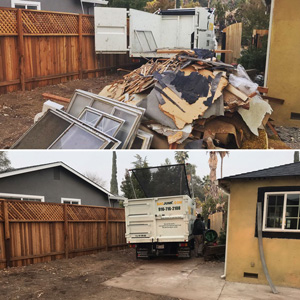
It is a practical choice after clearing a garage, replacing a few pieces of furniture, trimming a yard, or finishing a small rental turnover. Landlords and property managers may also use curbside service to remove bagged debris, abandoned furniture, or unwanted items left near a dumpster enclosure.
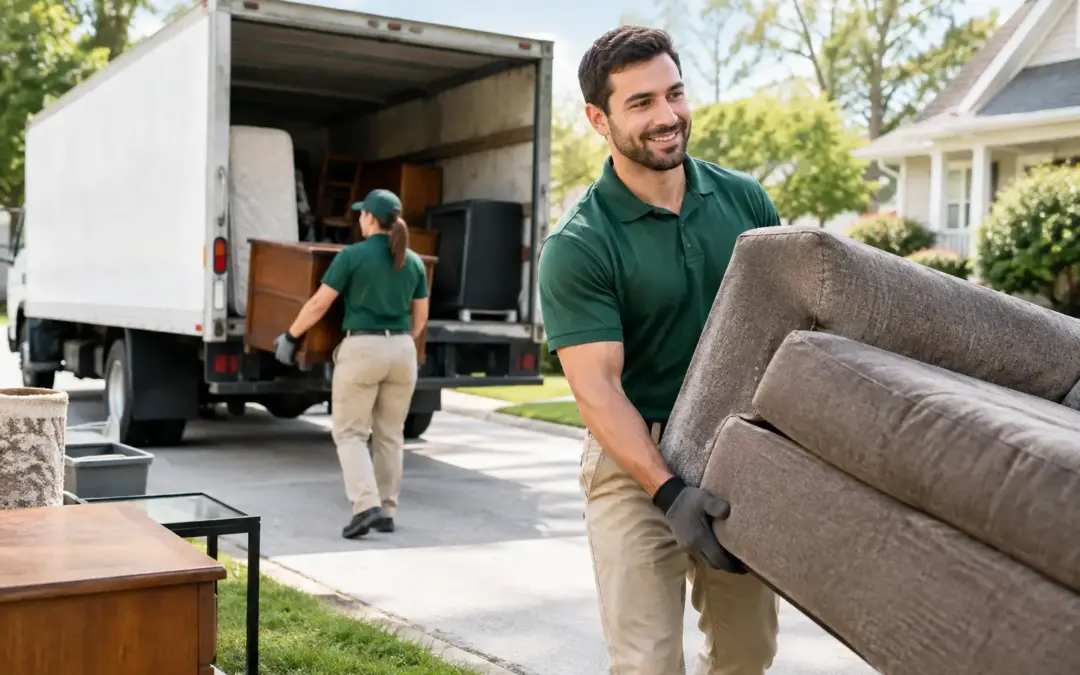
Access matters. A crew needs a safe place to park and a clear route to the materials. If a load is behind a locked gate, down a long staircase, inside a home, or buried under other clutter, full-service junk removal is usually the better fit. You do not have to drag a heavy sleeper sofa across the yard just to qualify for removal. A full-service crew can come to the item, lift it, load it, and clean up the area after it is gone.
How to Schedule Curbside Junk Pickup Without Delays
A quick pickup starts with a clear description of what needs to go. When booking, explain the main items, estimate the amount of space they take up, and mention anything unusually large or heavy. Photos can also help a junk removal company understand the scope before arrival.
Be specific about the pickup location. Let the crew know whether items will be at the curb, in the driveway, beside a garage, behind a building, or near a commercial loading area. If parking is limited or the property has a gate code, include that information early. Small details prevent wasted time on pickup day.
For the smoothest process, follow these steps:
- Gather approved items in one accessible area when possible.
- Keep cars, bins, and other obstacles away from the pickup path.
- Separate anything you plan to keep before the crew arrives.
- Tell the company about oversized items such as appliances, mattresses, hot tubs, sheds, or office cubicles.
- Ask for a courtesy call before arrival so you know when the crew is close.
A reputable local company should provide a quote after seeing the load in person. That gives you a chance to approve the price before any work begins. With volume-based pricing, you pay for the space your items fill in the truck, along with the labor to remove them. There should be no guessing about whether lifting, loading, or hauling will show up later as an extra charge.
What You Can Usually Put Out for Pickup
Most non-hazardous household and commercial junk can be removed from the curb or another accessible outdoor area. Common pickup items include old furniture, mattresses, box springs, appliances, electronics, bagged clutter, yard debris, scrap material, office furniture, shelving, and renovation leftovers that are safe to handle.
A curbside load may include a worn recliner, a refrigerator that no longer cools, cardboard from a move, broken patio furniture, and a pile of branches from weekend yard work. For businesses, it can include desks, chairs, filing cabinets, display fixtures, pallets, and general warehouse debris.
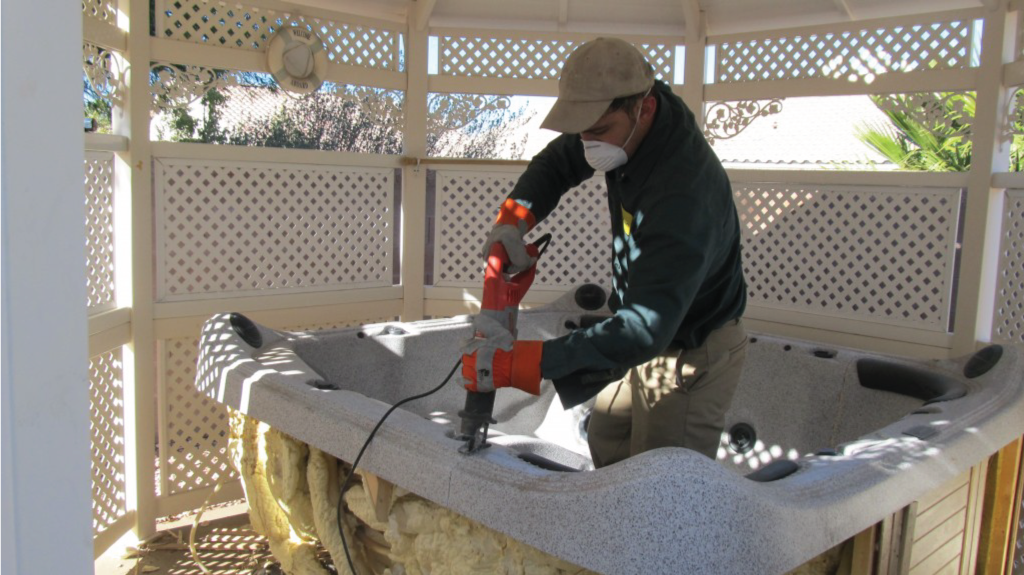
Some jobs need more planning. A large shed, spa, heavy commercial equipment, or a full warehouse cleanout may require onsite labor, disassembly, and extra crew capacity. That does not mean the job cannot be done. It just means the pickup should be booked as a full-service removal project rather than treated like a standard curbside pile.
Hazardous materials are different. Do not place chemicals, fuels, paint, propane tanks, explosives, medical waste, or other regulated materials in a curbside junk pile unless you have confirmed they are accepted. These materials require specialized disposal methods, and mixing them into a regular load can create safety and compliance issues.
Curbside Pickup vs. Full-Service Junk Removal
The main trade-off is labor. Curbside pickup is convenient if you are able to bring items outside and stage them safely. Full-service removal is the better option if you want the crew to do every part of the job.
For example, a homeowner replacing a few appliances may be comfortable placing the old units in the driveway. A family handling an estate cleanout may need help sorting through a packed home, hauling furniture down stairs, clearing a garage, and removing years of accumulated belongings. Both situations need junk removal, but they require different levels of service.
The same applies to rental properties. If former tenants left a few bags and a chair by the curb, pickup may be enough. If they left a full apartment, damaged furniture, food waste, and debris throughout the unit, a complete cleanout prevents delays before the next tenant moves in.
Do not risk injury trying to force a large item through a doorway or down a staircase. Mattresses, solid wood furniture, appliances, and awkward office equipment can cause back injuries and property damage when handled without the right team. Paying for labor can be the more affordable decision when it saves your time, protects your property, and gets the space ready sooner.
How Pricing Typically Works
Junk removal pricing is generally based on how much room your items take up in the truck. A single chair costs less to remove than a garage full of furniture, construction debris, and boxed clutter. The final price can also depend on labor time, item weight, access conditions, and disposal requirements.
The best way to avoid surprises is to get an onsite quote before loading starts. A professional crew should walk the load with you, explain the price, and wait for your approval. If the quote does not work for your budget, you should be able to decline before the crew begins.
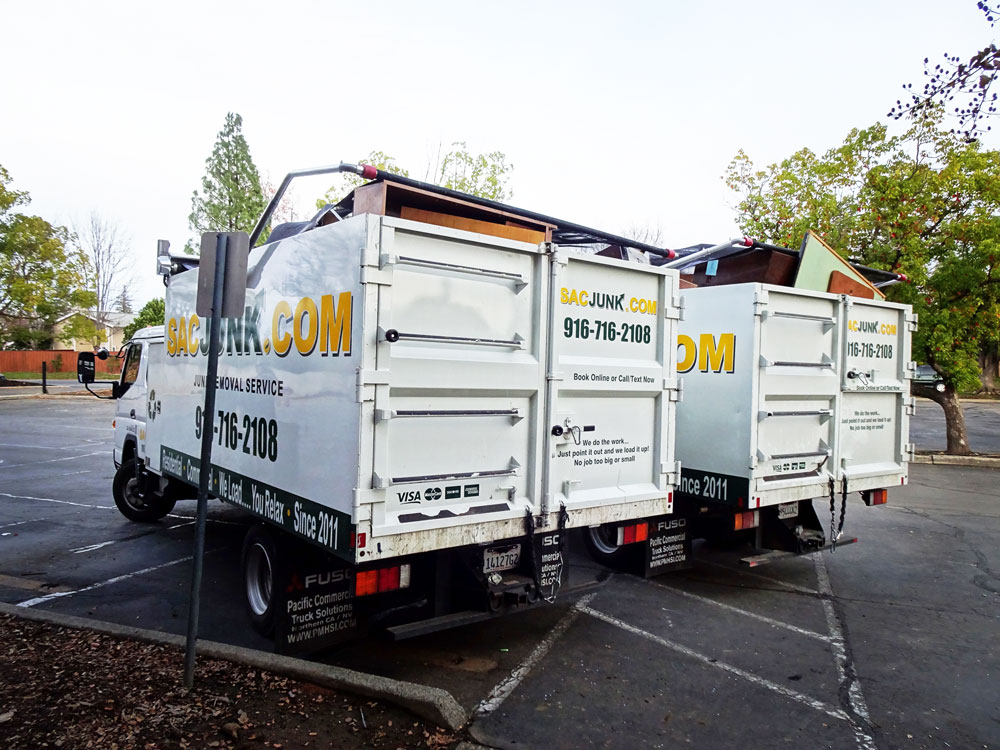
Local operators can often offer a more personal experience than a large franchise. They understand Sacramento-area neighborhoods, common property layouts, and the urgency that comes with move-outs, contractor schedules, and rental turnovers. Sac Junk provides labor-inclusive hauling, so customers do not have to hire separate movers, rent a truck, or make repeated landfill trips.
Keep Your Pickup Area Safe and Ready
Before the crew arrives, look over the pile once more. Remove personal documents, keys, medications, family photos, and anything that may have slipped into a box or drawer. If an item is being donated, make sure it is clearly separated from the junk pile.
Keep children and pets away from the work area. Broken materials, loose nails, sharp metal, and heavy lifting all create hazards during a cleanup. If rain is expected, cover electronics, paperwork, or materials that could become unsafe or much heavier when wet.
It is also wise to follow local rules about leaving items at the curb. Some neighborhoods, HOAs, and commercial properties have restrictions on how long bulky materials can remain outside. Booking a prompt pickup helps keep the property clean, avoids complaints, and reduces the chance that someone adds more junk to your pile overnight.
A clean property is easier to show, safer to work around, and far less stressful to manage. Whether you have one bulky item or a full load waiting to go, set it out if you can, give clear access, and let an experienced crew take the weight off your hands.