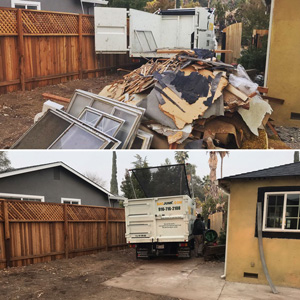

A job site can go from productive to piled up fast. Broken drywall, lumber offcuts, old cabinets, concrete chunks, packaging, and torn-out flooring do not just take up space. They create trip hazards, slow down crews, block access, and make the finished job look unfinished. This construction debris disposal guide covers what to separate, what requires special handling, and when full-service hauling is the smarter call.
Start With a Clear Disposal Plan
The cheapest-looking option is not always the lowest-cost option. A dumpster can work well for a long demolition or a major remodel with steady debris every day. But it also takes up driveway or street space, may require permits depending on placement, and leaves your crew responsible for loading it.
For a smaller renovation, a turnover, or a final job-site cleanup, on-demand junk removal is often the better fit. A hauling crew arrives, loads the debris, sweeps up the area, and takes the material away in one visit. You pay for the space your debris fills in the truck, rather than paying for a container that may sit half-empty for a week.
Before anyone starts tearing materials out, identify where debris will be staged. Keep the area accessible to a truck, away from active work zones, and clear of customer vehicles or pedestrian paths. If the site is a rental property or commercial building, confirm loading access, gate codes, parking rules, and any required certificates before pickup day.
Sort Construction Debris Before It Becomes a Problem
You do not need a complicated recycling operation to keep a cleanup under control. The goal is to avoid mixing materials that need different handling, especially heavy debris, reusable items, and prohibited waste.
Clean lumber, metal, cardboard, and some appliances may be recyclable or reusable. Cabinets, doors, fixtures, and usable building supplies can sometimes be donated when they are in good condition. Separating these materials from mixed demolition debris gives them a better chance of staying out of the landfill.
Heavy materials deserve their own pile whenever possible. Concrete, brick, dirt, rock, asphalt, and tile add weight quickly. A truck that looks only partially full can be at its safe weight limit if it contains dense debris. Let the hauling company know upfront if you have concrete, soil, roofing shingles, or other heavy material so the crew can plan the right equipment and disposal route.
A practical staging setup usually includes four areas:
- Reusable or donatable items, such as intact cabinets, doors, and fixtures
- Recyclable materials, including metal, clean cardboard, and separated lumber
- General construction debris, such as drywall, carpet, insulation, and mixed scraps
- Materials requiring special instructions or separate disposal
Do not spend hours sorting tiny scraps if the job does not justify it. The right level of sorting depends on the volume, material type, and timeline. On a fast tenant turnover, keeping the work area safe and clear may matter more than perfect separation. On a larger project, sorting can reduce disposal costs and make hauling more efficient.
Know What Cannot Go in Standard Junk Removal
Most construction cleanup is straightforward, but some materials should never be tossed into a general debris pile. Paint, solvents, fuels, pesticides, automotive fluids, propane tanks, batteries, and other hazardous products need proper local disposal. These items can create safety risks for crews and may be refused at disposal facilities.
Older structures need extra caution. Suspected asbestos-containing material, lead-related debris, mold-contaminated materials, and certain chemicals may require testing or specialized remediation before removal. Do not guess based on appearance. If you are renovating an older Sacramento-area property and have concerns about hazardous materials, pause work in that area and get qualified guidance.
Electronics and fluorescent bulbs also need separate handling in many cases. If your construction cleanup includes old office equipment, light fixtures, or appliances, tell the removal company what is on site before the appointment. A clear inventory prevents delays when the crew arrives.
Choose the Right Cleanup Method
Your disposal method should match the size and pace of the project. For an active multi-week demolition, a roll-off dumpster may make sense because debris is produced daily and needs a place to go. Just factor in delivery timing, space requirements, loading labor, and the risk of other people adding trash to an open container.
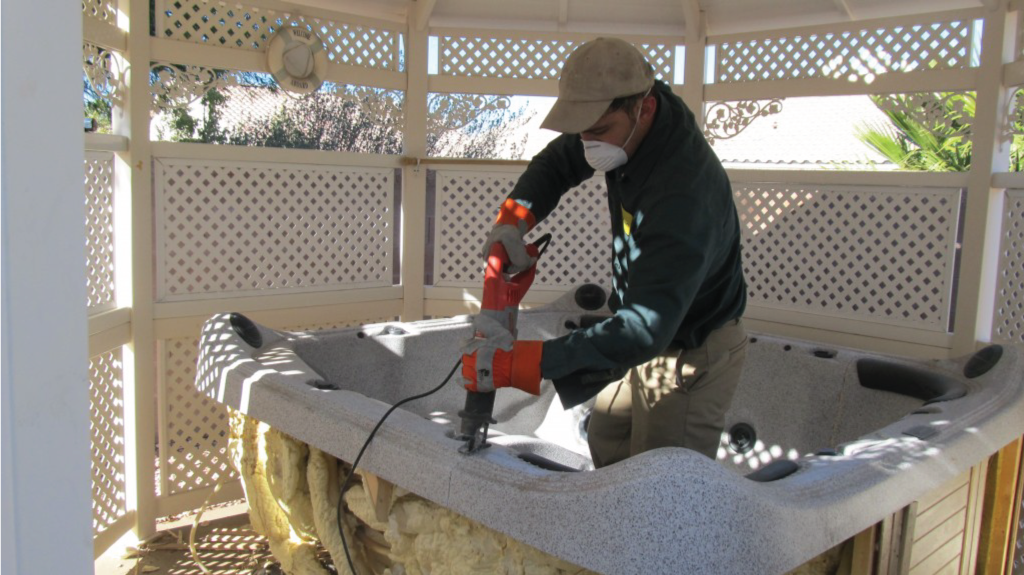
For punch-list cleanup, bathroom or kitchen renovations, flooring removal, fence replacement, shed tear-downs, and property turnovers, full-service hauling is usually more direct. The crew does the lifting, loading, hauling, and basic sweep-up. That means your contractor, maintenance staff, or family does not lose half a day carrying debris to a bin.
Truck-volume pricing is particularly useful when the pile is hard to estimate. Instead of trying to guess how many dumpster yards you need, you can receive an on-site quote based on how much truck space the debris actually uses. Ask for the quote before loading begins so there is no confusion about the cost.
Make Pickup Day Faster and Safer
A little preparation helps the removal crew move quickly. Consolidate loose debris into one accessible area when possible, but do not create an unstable pile. Keep nails, sharp metal, broken glass, and blades contained. If materials are upstairs, in a backyard, or behind a locked gate, mention that when booking so the job is quoted and staffed correctly.
You should also point out anything that stays. On a cluttered job site, it is easy for a stack of new flooring, boxed fixtures, or salvaged materials to look like debris. Mark saved items, move them to a separate location, or tell the crew directly before loading starts.
Weather matters more than many people expect. Rain can make drywall, cardboard, and wood heavier. Muddy access can limit where trucks can park. High winds can scatter lightweight packaging across the property. If conditions change, communicate early so the removal plan can be adjusted instead of forcing your crew to work around an avoidable mess.
Get a Fair Quote Without Surprises
A good debris removal quote should account for volume, material weight, labor, access, and any special disposal needs. Be cautious with a price given without asking what the pile contains or where it is located. A small load of concrete is not priced the same way as a small load of cardboard, and a curbside pickup is different from hauling debris down three flights of stairs.
When requesting service, provide photos if you can and describe the materials honestly. Include details such as heavy debris, long carry distances, stairs, tight access, or demolition still in progress. This helps the crew arrive prepared and gives you a more accurate estimate.
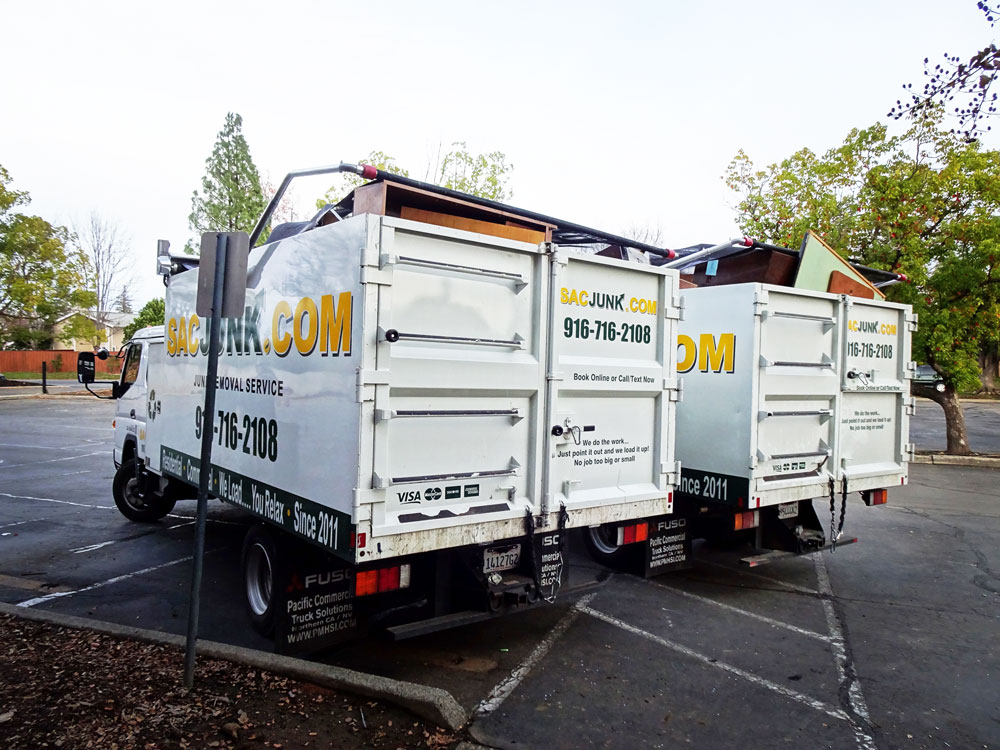
For Sacramento contractors, landlords, homeowners, and property managers, Sac Junk can handle non-hazardous construction debris with labor-inclusive pickup and upfront on-site pricing. The crew can remove the pile, load it, haul it away, and leave the work area cleaner without adding another physically demanding task to your schedule.
A Construction Debris Disposal Guide for Better Closeouts
A clean closeout protects your schedule and your reputation. It gives inspectors, tenants, customers, and the next trade a clear space to work. It also helps you spot leftover tools, damaged surfaces, and unfinished details that are easy to miss when debris is everywhere.
Do not wait until the pile has spread across the driveway, hallway, or yard. Set aside what can be reused, isolate anything that needs special disposal, and remove the rest before it starts holding up the job. A fast, well-planned haul keeps the project moving and lets the finished work stand out for the right reason.