A warehouse cleanout rarely starts as a simple hauling job. Behind old pallets, damaged shelving, abandoned equipment, and stacks of boxed inventory, there may be trip hazards, unstable loads, sharp materials, leaking containers, or blocked exits. This warehouse cleanout safety guide gives Sacramento-area business owners, property managers, and facility teams a practical way to get the space cleared without putting people or property at risk.
The fastest cleanout is not the one where everyone starts dragging items toward the door. It is the one where the work area is controlled first, the crew knows what can be moved, and the right hauling plan is in place.
Start With a Warehouse Cleanout Safety Assessment
Walk the entire space before anyone begins lifting, loading, or operating equipment. This first pass should identify the obvious junk, but it also needs to uncover what is hidden by the junk. Check aisles, storage racks, loading areas, mezzanines, offices, restrooms, break rooms, dumpster enclosures, and exterior staging areas.
Look closely for damaged racking, loose shelving, exposed nails, broken glass, standing water, oil, pest activity, and overhead items that could fall. If a pile is leaning, do not pull from the bottom or reach into the center. Mark it off until it can be broken down from a safe position.
Pay attention to fire lanes, electrical panels, sprinkler controls, exits, and loading dock paths. These areas need to stay accessible during the job. A cleanout can create a new problem if bags, furniture, or carts are staged in the only path out of the building.
It also helps to decide who is in charge on site. One point person should answer questions about what stays, what goes, restricted areas, tenant property, and where trucks can park. That keeps the crew from stopping every few minutes and prevents costly mistakes with inventory or equipment.
Separate Items Before Loading Begins
Warehouses often hold a mix of ordinary debris and materials that need special handling. Sorting at the start makes the job safer, keeps disposal on track, and helps avoid loading something that a standard junk removal crew cannot legally take.
Create clear zones for items to keep, donate, recycle, dispose of, and review. If there is any uncertainty about an item, put it in the review area instead of making a rushed call. This matters with usable fixtures, boxed inventory, tools, computers, and records that may still belong to a tenant, vendor, or department.
Do not mix suspected hazardous materials into the general junk pile. Common examples include paint, solvents, fuel, propane cylinders, pesticides, chemicals, asbestos-containing materials, medical waste, ammunition, and unknown liquids. Batteries, fluorescent tubes, e-waste, and appliances may also require separate recycling or disposal arrangements.
If containers are leaking, swollen, corroded, or unlabeled, keep people away from them. Do not open them to find out what is inside. The right response depends on the material, so contact a qualified hazardous-waste provider or the appropriate local authority before the cleanout continues in that area.
Control Traffic, Access, and Heavy Equipment
A warehouse is built around movement. During a cleanout, that movement gets more complicated because people, hand trucks, forklifts, roll-off containers, and haul trucks may all be working in a tight area.
Set up a clear route from the removal area to the loading point. Keep pedestrians and equipment separated whenever possible. If forklifts are operating, establish eye contact with the operator before stepping into the travel lane, and never walk beneath raised forks or suspended loads.
Loading docks deserve extra attention. Keep dock edges visible, use proper dock plates where needed, and do not leave loose debris where it can roll under a cart or vehicle tire. If the dock door is open, make sure no one can back or step into an unprotected edge.
For exterior loading, reserve enough room for the hauling truck and keep gates, drive aisles, and fire access clear. In busy Sacramento commercial areas, it may be necessary to schedule the work around delivery windows, tenant traffic, or building rules. A little coordination before the crew arrives can save hours on the day of service.
Use Safe Lifting Practices, Not Guesswork
Heavy furniture, old machinery, metal shelving, filing cabinets, and construction debris can hurt someone quickly when the move is improvised. Before lifting an item, decide whether it needs two people, a dolly, straps, a pallet jack, or a different route.
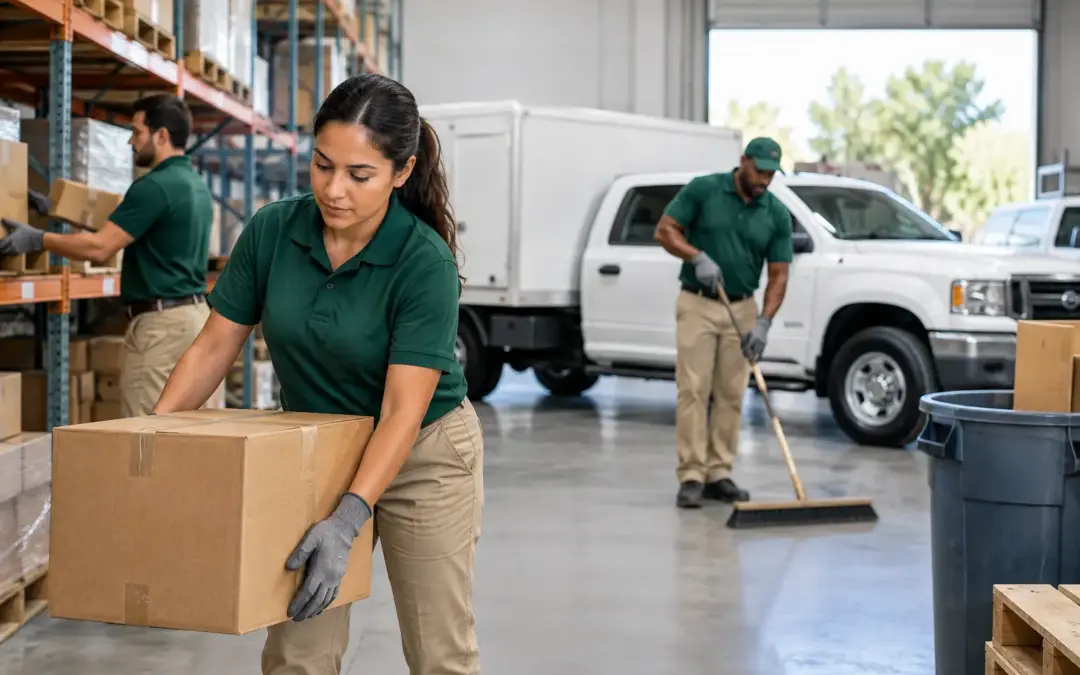
Lift from a stable position, keep the load close to the body, and avoid twisting while carrying. Move your feet instead of turning at the waist. If an item is too heavy or awkward to control, stop. Trying to save a few minutes by forcing the lift is how strains, crushed fingers, and damaged walls happen.
Break down large items when it makes sense. Remove drawers from filing cabinets, take legs off tables, empty storage cabinets, and disassemble cubicles before moving them. The trade-off is extra labor at the start, but it usually makes the removal safer and reduces damage to doorways, elevators, and floors.
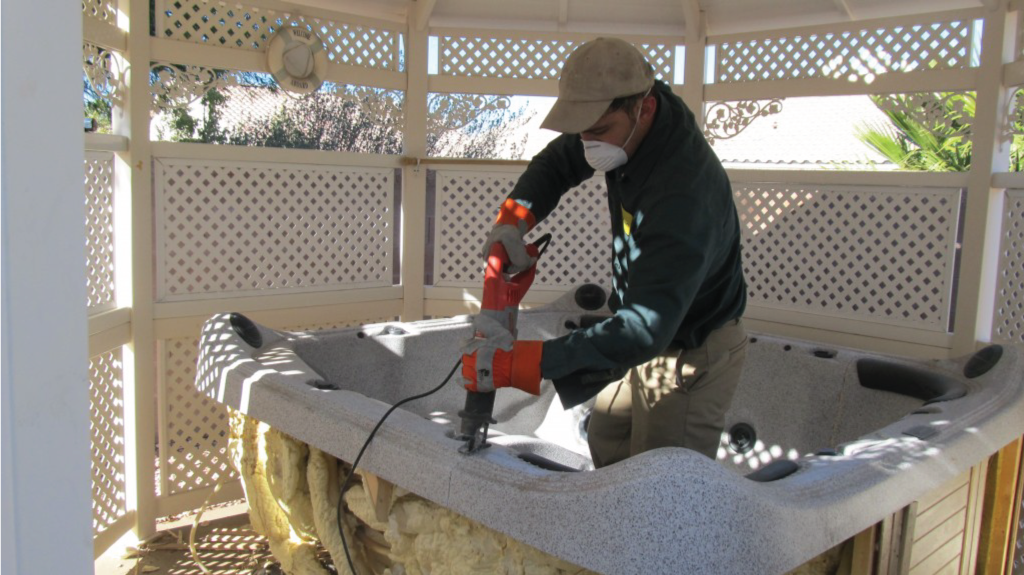
Personal protective equipment should match the work. At a minimum, sturdy closed-toe footwear and work gloves are practical for most cleanouts. Safety glasses are useful when handling broken materials or dismantling fixtures. Hard hats, high-visibility vests, and respiratory protection may be appropriate in active industrial areas or dusty spaces, but they are not a substitute for controlling the hazard itself.
Watch for Hidden Warehouse Hazards
Older warehouses and long-vacant units can contain surprises that are not visible during a quick walkthrough. Dust and mold may be present in stored materials. Rodents or insects may be living inside boxes, appliances, or wall voids. Ceiling tiles, insulation, and deteriorated building materials can create health concerns when disturbed.
Avoid sweeping large amounts of unknown dust into the air. Do not cut, drill, or demolish suspect building materials without confirming what they are. If you suspect asbestos, lead-based paint, mold contamination, or another regulated issue, pause work in that area and bring in a qualified professional.
Data security is another hazard that gets missed during commercial cleanouts. Computers, hard drives, printers, paper files, labeled inventory, and old phones may contain sensitive information. Set these aside for secure handling rather than tossing them into general debris. The same goes for keys, access cards, alarm equipment, and documents connected to former tenants.
Plan the Haul Before the Space Is Empty
A cleanout job can stall when the removal crew arrives to find blocked access, unclear item boundaries, or materials that cannot be loaded. Confirm where the truck will park, which entrance will be used, whether stairs or elevators are involved, and whether the building requires proof of insurance, a loading reservation, or advance notice.
Volume-based pricing works best when the crew can see the full load and the customer has identified what is included. A reputable hauler should provide an on-site quote before loading starts, explain what is covered, and let you approve the price. Labor, loading, hauling, and final sweep-up should be clear from the beginning.
For warehouse cleanouts with usable office furniture, metal, cardboard, appliances, or other recoverable materials, ask about donation and recycling options. Disposal is sometimes the only practical route, especially with damaged or contaminated items. But separating reusable material can reduce landfill waste and may make the cleanup more efficient.
Know When to Call a Full-Service Crew
A small pile of cardboard and broken chairs may be manageable in-house. A warehouse full of abandoned shelving, pallets, cubicles, old equipment, and mixed debris is different. The more lifting, sorting, stairs, dock work, or tight access involved, the more value there is in using a trained, insured removal crew.
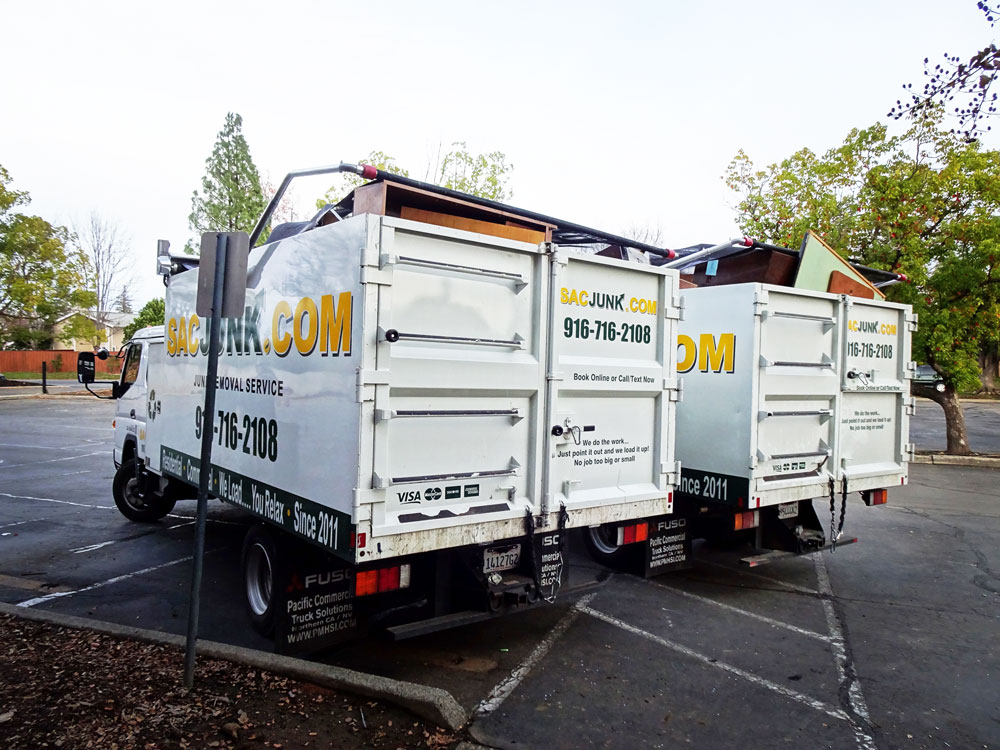
Sac Junk handles the lifting, loading, hauling, and cleanup for non-hazardous warehouse junk throughout Sacramento and nearby communities. The crew can help clear space quickly while you keep your team focused on operations, tenants, inventory, or the next phase of the property.
Before work begins, take photos, identify what stays, secure the site, and give the crew a clear path to the load. That preparation does more than speed up the cleanout – it gives everyone a safer way to get the warehouse back in service.