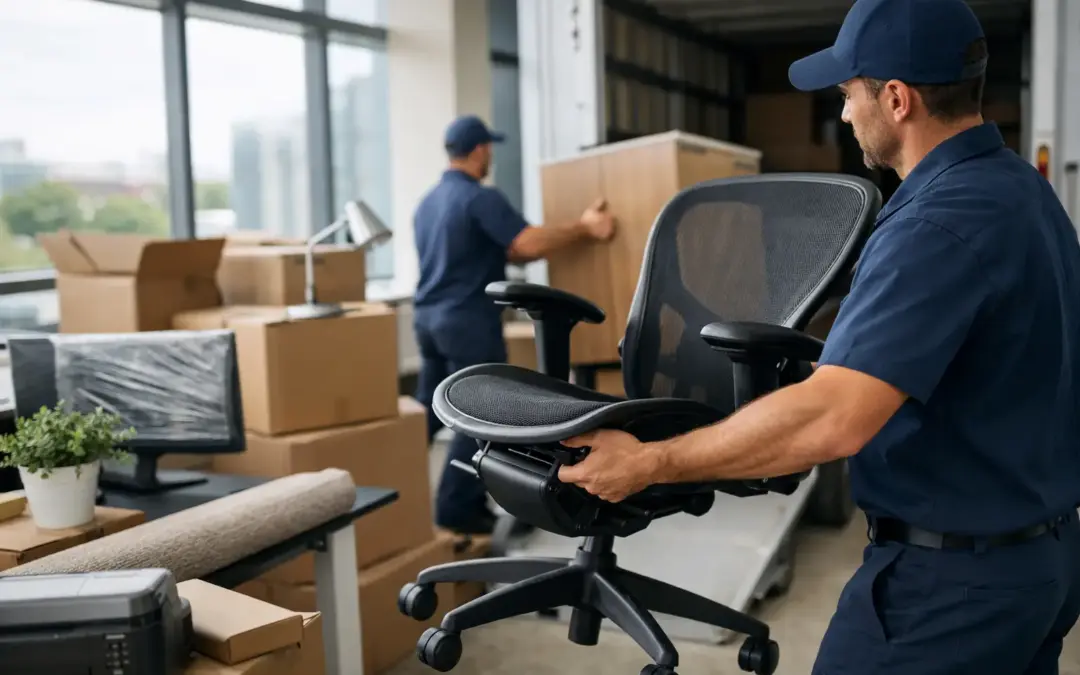
When an office starts stacking old desks in the hallway, broken chairs in the corner, and unused cubicles in the back room, productivity takes a hit fast. Office furniture removal Sacramento businesses need is not just about hauling junk away. It is about clearing space quickly, avoiding downtime, and getting the job done without asking your staff to lift a thing.
For most businesses, office furniture removal shows up during a move, remodel, downsizing, lease turnover, or warehouse reorganization. That usually means tight timelines, heavy items, and no room for delays. If you are dealing with bulky desks, conference tables, file cabinets, cubicles, waiting room furniture, or old breakroom pieces, the right crew should handle removal from start to finish and leave your space cleaner than they found it.
When office furniture removal in Sacramento makes sense
Some jobs are obvious. You are moving out of a suite and the lease says everything has to go. You are replacing old workstations with a new layout. You bought new lobby furniture and need the old set gone before delivery day.
Other situations sneak up on people. A storage room fills up with extra chairs and damaged tables. A warehouse office gets converted and the leftover furniture becomes a problem. A property manager inherits a commercial unit with abandoned office pieces after a tenant leaves. In those cases, waiting usually makes the job worse. Furniture gets moved around, stacked unsafely, or pushed into areas your team still needs to use.
That is where full-service removal matters. You should not have to coordinate labor, rent a truck, figure out disposal rules, and lose half a workday just to get rid of furniture your business no longer needs.
What a full-service office furniture removal Sacramento job should include
A good commercial removal service should do more than load items at the curb. Office furniture is often inside active workspaces, upstairs suites, loading docks, back offices, and tight hallways. Some pieces come apart easily. Others do not. Large conference tables, reception desks, and cubicle systems often need disassembly before they can be removed safely.
A full-service crew should arrive ready to do the lifting, sorting, hauling, and basic cleanup. That includes removing furniture from wherever it sits, whether that is a private office, bullpen, storage area, or warehouse mezzanine. If your building has access restrictions, elevator rules, or designated loading hours, that should be part of the plan before the job starts.
This is also where experience saves time. Office cleanouts are different from simple curbside pickups. Commercial spaces have more moving parts, and mistakes cost money. Scraped walls, blocked hallways, missed pickup windows, and surprise labor charges are the kind of problems businesses want to avoid.
Common items removed from offices
Most office furniture jobs involve a mix of large and small items. Desks, office chairs, cubicles, conference tables, filing cabinets, bookshelves, credenzas, partitions, and lobby furniture are common. Breakroom tables, storage cabinets, copy room shelving, and old décor often get added once the job is underway.
Some businesses also need non-furniture items hauled away at the same time, like boxed clutter, old equipment stands, pallet debris, or general office junk left behind during a move-out. Combining those items into one pickup is usually easier than scheduling separate services.
The key is simple: if it is non-hazardous and taking up space, it is usually worth asking about. That saves you from piecing together multiple vendors for one cleanup.
Pricing depends on volume, access, and labor
Business owners usually want the same answer first – what is this going to cost? Fair question. The honest answer is that office furniture removal is typically priced based on how much space your items take up in the truck, plus the labor involved if the job requires extra time, disassembly, stairs, or difficult access.
That is actually better for most customers than flat guessing over the phone. Volume-based pricing gives you a quote based on the actual load, not a vague estimate built around worst-case assumptions. If your furniture takes up less space than expected, you should not be paying for a full truck anyway.
Access matters too. Ground-floor pickup with easy loading is faster than removing modular workstations from a second-floor suite with elevator scheduling. Neither job is impossible, but they are not the same. A professional crew should explain the quote clearly on site before any work begins, so you know what you are approving.
Why speed matters for commercial furniture removal
In residential jobs, speed is convenient. In commercial jobs, speed protects operations. Every extra day old furniture sits around can slow down a remodel, delay a move, create a safety issue, or leave a bad impression on employees and clients.
Fast turnaround is especially valuable for offices dealing with lease deadlines, contractor schedules, or building management requirements. If your landlord expects the suite emptied by a certain date, there is not much room for a slow back-and-forth process. The same goes for retail back offices, medical admin spaces, schools, and warehouses with office sections that need to be cleared on schedule.
That is why many businesses prefer a crew that can handle same-day or next-day removal when needed. Quick pickup is not just about convenience. It keeps projects moving.
Donation and recycling are worth asking about
Not every desk or chair belongs in a landfill. Some office furniture still has life left in it, especially during relocations or upgrades where items are outdated for one business but still usable somewhere else.
Responsible hauling matters here. A removal company that donates and recycles when possible can reduce waste and help your cleanout feel less like a total dump run. It also matters for businesses that care about sustainability goals or just do not want usable materials tossed unnecessarily.
There is always some case-by-case judgment involved. Broken laminate desks and damaged particleboard cabinets may not be reusable. Metal furniture, certain shelving, and decent-condition chairs may have better options. The point is not to promise every item gets recycled. The point is to work with a company that makes the effort where it makes sense.
How to prepare for office furniture removal in Sacramento
Most office pickups go smoother when the job is scoped clearly ahead of time. You do not need to overcomplicate it, but it helps to know what is staying, what is going, and whether any items need to be disconnected or emptied first.
If filing cabinets are still full, make sure paperwork has been removed or secured. If desks contain electronics, personal items, or sensitive documents, clear those before the crew arrives. For larger projects, it helps to identify access points, parking, loading zones, and any building rules that affect timing.
Beyond that, the goal should be simple. Point out what needs to go, approve the quote, and let the crew do the work. Your team should not be stuck dragging furniture through hallways or breaking down stations in business clothes.
Choosing the right local crew
For commercial jobs, local matters. A locally owned company usually has more flexibility, better knowledge of Sacramento-area properties, and more accountability than a national franchise working off a rigid script. You want a crew that understands urgency, shows up on time, and gives straightforward pricing without playing games.
That also means knowing the area well enough to serve businesses across Sacramento, Elk Grove, Rancho Cordova, Folsom, Citrus Heights, and nearby communities without treating every job like a major production. If you manage multiple properties or work across different job sites, consistency matters just as much as price.
One strong option is Sac Junk, which offers full-service hauling, labor-inclusive removal, upfront quotes on site, and responsible disposal practices for commercial and residential customers. For businesses that need office furniture gone fast, that kind of simple process saves time and cuts down on headaches.
The biggest mistake businesses make
The most common mistake is waiting too long and assuming the office furniture problem will somehow stay manageable. It usually does not. One desk becomes six. One leftover cubicle wall turns into a whole storage area full of things nobody wants to deal with.
The longer it sits, the more likely the cleanup gets mixed with other junk, interferes with operations, or turns into a rushed last-minute job. Getting rid of office furniture early is usually cheaper, easier, and less disruptive than letting it pile up until move-out week.
If old furniture is taking over usable space, slowing down a project, or creating extra work for your staff, it is time to clear it out and move on.