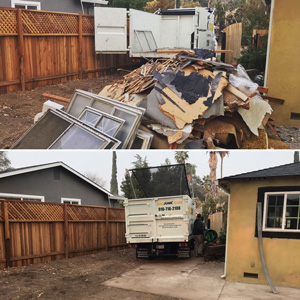

That old drywall pile gets real heavy when it has been sitting in the driveway for three days. If you are figuring out how to haul renovation debris, the biggest mistake is treating it like regular trash. Demo waste is heavier, messier, and more expensive to deal with if you load it wrong or wait too long.
Whether you are remodeling a bathroom, tearing out kitchen cabinets, replacing flooring, or cleaning up after a rental turnover, the right hauling plan saves time, protects your vehicle, and keeps the job moving. Some projects are fine for a few dump runs. Others are better handled by a full-service junk hauling crew that does the lifting, loading, and cleanup for you.
How to haul renovation debris without making the job harder
Start by looking at what you actually have. Renovation debris is not one thing. A small pile of laminate flooring and baseboards is very different from broken tile, plaster, concrete chunks, insulation, and cabinets. Weight, sharp edges, dust, and disposal rules all change depending on the material.
If the debris is mostly light and clean, like wood trim, cardboard, or empty packaging, hauling it yourself may be manageable. If the pile includes tile, drywall, countertops, doors, fencing, or mixed job site debris, the job gets harder fast. That is usually where people underestimate the labor. Loading is one issue. Sweeping up nails, carrying awkward pieces through tight hallways, and making multiple trips is where the real time disappears.
A smart plan starts with separating the debris before you touch the truck or trailer. Keep wood, metal, cardboard, and general construction debris in distinct piles if possible. That makes loading more efficient and can reduce disposal headaches later. It also helps if part of the material can be recycled instead of dumped.
Know what you can and cannot haul together
One reason renovation cleanup turns into a headache is mixing everything into one load. It feels faster in the moment, but mixed debris often means more sorting later, more mess in your vehicle, and in some cases higher disposal costs.
Drywall dust gets everywhere. Broken tile and concrete can overload a truck bed sooner than expected. Old cabinets may have nails, hinges, and splintered edges that catch on everything. Carpet and padding take up a lot of room, even when they are not especially heavy. If you are hauling debris from a bathroom or kitchen remodel, expect a mix of dense and bulky material, which is the toughest combination.
There is also the question of what should not go in a standard debris load. Paint, solvents, asbestos-containing materials, chemicals, and other hazardous waste follow different disposal rules. Electronics and appliances can also require separate handling. If you are not sure about a material, check before you load it. Guessing wrong can waste a trip.
Choose the right hauling method for the size of the job
There is no single best answer for how to haul renovation debris. It depends on how much material you have, how quickly it needs to go, and whether you want to do the labor yourself.
For a very small project, a personal pickup truck may be enough. That works best when the debris is dry, relatively light, and easy to stack. You still need a tarp, gloves, and a plan to secure the load. Loose debris blowing out on the road is not a small issue. It creates a safety problem and can lead to fines.
A utility trailer gives you more room, but not always more convenience. Loading a trailer full of demo waste still takes time, and you may need to hand-unload it at the disposal site. If the trailer sits too high, heavy lifting gets old quickly.
A dumpster can make sense for major remodels that create debris over several days. The trade-off is space. Not every property has a good place to park one, and not every customer wants a container blocking the driveway or job site. You also still have to load it yourself.
Full-service junk hauling is often the better fit when speed matters, labor is the main problem, or the debris is already piled up and needs to disappear fast. That is especially true for landlords, property managers, contractors, and homeowners who do not want the cleanup dragging on after the renovation work is done.
Load safely or do not load at all
Renovation debris causes injuries when people rush. Sharp metal, shattered glass, exposed nails, and awkward sheet goods are common problems. Heavy debris is even riskier because it shifts while you carry or stack it.
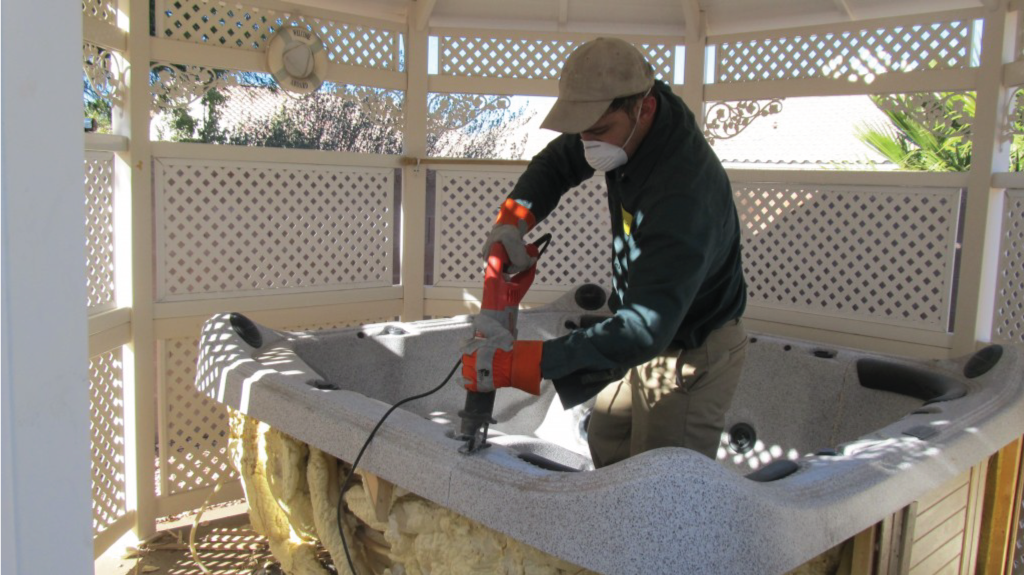
Wear work gloves, closed-toe boots, and eye protection if you are handling demolition material. Lift with help when pieces are long, uneven, or too heavy to control. Drywall and plywood may not look dangerous, but large sheets catch wind and throw off your balance. Broken tile and concrete are worse because smaller pieces make buckets and bins deceptively heavy.
When loading a truck or trailer, put the heaviest material on the bottom and distribute weight evenly. Do not stack debris higher than the side rails unless it is properly secured. Use straps and a tarp, not just good intentions. If your rear suspension is sagging, you are probably carrying too much.
This is where a lot of DIY hauling stops making financial sense. One overloaded trip can damage a truck, tear up the bed, or leave you paying dump fees after spending half a day doing your own labor.
Think about cleanup, not just hauling
Getting the debris off the property is only part of the job. Most renovation sites still need a final pass after the big pieces are gone. Dust, nails, screws, broken glass, insulation scraps, and packaging always seem to be left behind.
That matters more than people think. A driveway with leftover nails becomes a tire problem. A side yard full of drywall dust and small debris does not look finished. On rental properties and commercial spaces, incomplete cleanup can delay the next tenant, contractor, or inspection.
If you are hiring help, ask whether cleanup is included. The best hauling service is not just a truck. It is a crew that removes the debris, loads everything, and leaves the area broom-clean so you can move on to the next step.
When professional hauling is the better call
If the project created more debris than you expected, you are not alone. That happens on remodels all the time. A small bathroom demo can turn into tile, vanity pieces, drywall, mirrors, fixtures, and packaging piled across a garage before you know it.
Professional hauling makes the most sense when the material is heavy, bulky, mixed, or spread across the property. It also makes sense when you are on a schedule. Contractors do not want crews working around junk piles. Property managers do not want renovation debris sitting at a unit. Homeowners usually do not want a weekend lost to lifting and dump runs.
In the Sacramento area, that speed matters even more during busy project seasons when driveways, garages, and job sites fill up fast. A local full-service crew can often clear the debris in one visit, give you an upfront quote on-site, and handle the lifting without turning cleanup into another project.
For many customers, the real value is not just disposal. It is avoiding multiple trips, avoiding damage to a personal vehicle, and not having to figure out where every type of material goes.
A few cost factors people overlook
People usually focus on dump fees, but hauling renovation debris has other costs. Fuel, time off work, trailer rental, protective gear, and the physical labor all count. So does the risk of loading too much weight into the wrong vehicle.
There is also a volume issue. Bulky items like cabinets, doors, and flooring underlayment can fill a truck long before the load is especially heavy. Dense materials like concrete, brick, and tile do the opposite. They hit the weight limit before the truck looks full. That is why debris pricing often depends on both volume and material type.
A fair quote should reflect the amount of space the debris takes up and the labor involved in removing it. If the pile is easy to access in a driveway, that is different from carrying debris down apartment stairs or out of a backyard demolition site.
The fastest way to keep a renovation site under control
The best time to plan debris hauling is before the pile gets out of hand. Set aside a staging area, keep materials grouped, and get the waste removed before it spreads across the property. That keeps the work site safer and makes the final cleanup much easier.
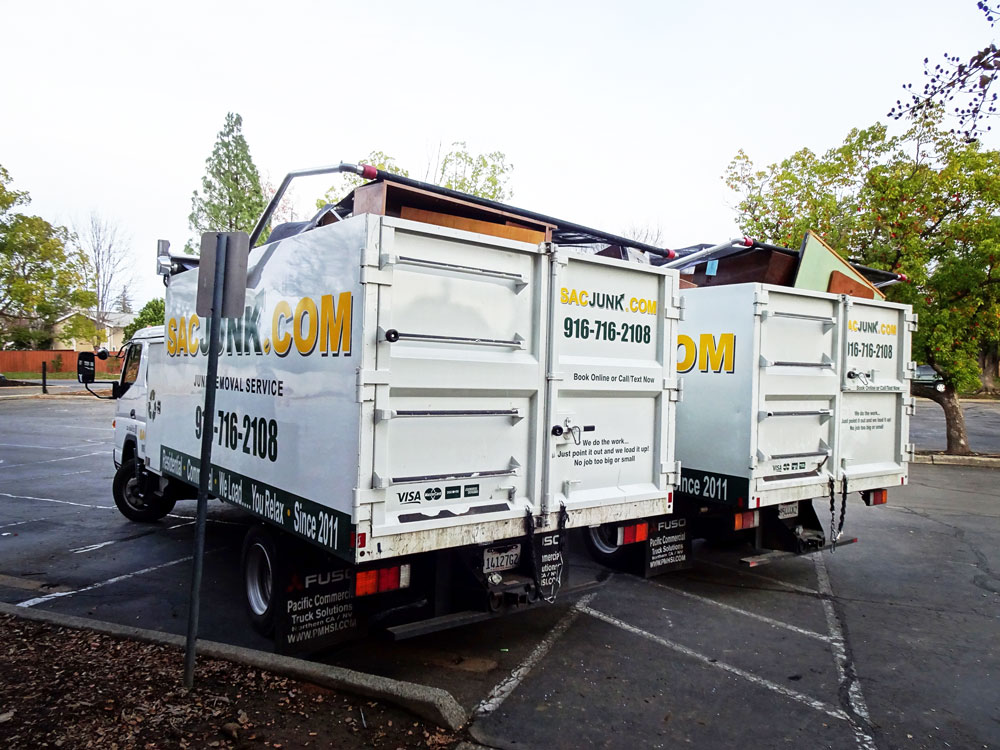
If you are doing the hauling yourself, be realistic about load size, labor, and disposal rules. If you want the fastest path, use a full-service team that can show up, quote the job clearly, load everything, and clean up the area when they are done. Companies like Sac Junk are built for exactly that kind of job – fast pickup, labor included, and straightforward pricing.
Renovation work is hard enough without turning debris removal into a second project. When the mess is heavy, mixed, or slowing everything down, the smart move is the one that gets your space clear and your day back.