
If you have a garage packed with old furniture, a rental full of leftover junk, or a job site that needs to be cleared fast, price is usually the first question. This junk removal pricing guide breaks down what you are actually paying for, why quotes vary, and how to tell if a hauling service is giving you a fair deal.
The biggest thing to understand is that most full-service junk removal is priced by volume, not by individual item alone. That means the amount of space your junk takes up in the truck matters more than how many pieces you point at. A busted sofa, a pile of yard debris, and a stack of boxes all price differently because they load differently, weigh differently, and take different amounts of labor to remove.
How junk removal pricing usually works
For most customers, pricing comes down to how much truck space your load uses. Full-service crews typically quote based on fractions of a truck, from a small pickup load up to a full truck. This model is straightforward because it bundles the main parts of the job into one number.
That quote often includes labor, loading, hauling, transportation, and basic site cleanup. In other words, you are not just paying for disposal. You are paying for a crew to do the lifting, carry everything out, load it efficiently, and save you the time and hassle of making multiple dump runs yourself.
This matters if you are comparing junk removal to renting a dumpster. A dumpster can look cheaper at first, but it usually leaves the labor to you. If you are cleaning out a second-story apartment, an office with cubicles, or a property with heavy appliances, labor is not a small detail. It is a major part of the job.
A practical junk removal pricing guide by job type
Not every load is priced the same way, even under a volume system. The type of material affects how quickly it can be removed, how much it weighs, and whether special handling is needed.
Furniture and household junk
Couches, dressers, mattresses, dining tables, and general household clutter are among the most common removal jobs. These are usually priced well under a full truck unless you are doing a full home cleanout. The final number depends on bulk, access, and how much sorting is involved.
A single item might be simple if it is near the curb or in the garage. That same item can cost more if it has to be carried down stairs, maneuvered through tight hallways, or removed from a property with limited access.
Appliances and heavy items
Refrigerators, washers, dryers, and older exercise equipment tend to drive pricing up faster than lighter household items. They are dense, awkward, and often require a two-person lift. Some appliances may also involve added disposal handling depending on the unit and local requirements.
If you are replacing multiple appliances at once, bundling them into one pickup usually makes more sense than scheduling separate visits.
Yard waste and outdoor debris
Tree branches, fencing, dirt, lumber, and green waste can take up a lot of truck space quickly. Even when the debris looks manageable in a pile, it can compact differently once loaded. Weight also becomes a bigger factor on these jobs, especially with wet yard waste, soil, or broken concrete.
This is one area where customers sometimes underestimate cost. A light-looking pile can turn into a surprisingly heavy load.
Construction debris and cleanouts
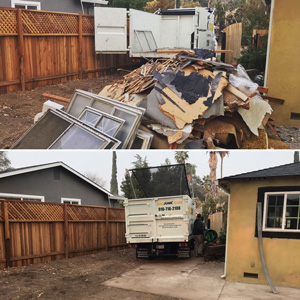
Contractors, landlords, and property managers often need fast cleanouts after remodels, evictions, or turnovers. These jobs can include drywall, flooring, cabinets, shelving, fixtures, and mixed trash. Pricing depends on both volume and material type.
Mixed debris usually takes longer to load and sort than a straightforward furniture pickup. If the crew also has to clear scattered material from multiple rooms, the labor side becomes more significant.
Commercial and warehouse hauling
Office furniture, cubicles, pallet debris, shelving, and warehouse junk are often quoted after an on-site look. That is because access, loading dock conditions, item size, and total volume can vary a lot. A one-room office cleanout is different from clearing years of accumulation from a back warehouse.
For business customers, speed often matters just as much as price. Delays cost time, disrupt staff, and slow down operations.
What makes one quote higher than another
Two jobs that look similar at first glance can price differently for good reason. The first factor is volume, but it is not the only one.
Access plays a big role. If the crew can back up close to the junk, the job is faster and easier. If they have to carry everything from an upstairs unit, a long backyard, or a downtown commercial space with limited parking, that adds time and labor.
Weight matters too. Heavy material increases disposal costs and affects how much can be safely loaded in one trip. This is why concrete, dirt, roofing, and dense construction debris are often treated differently than light household junk.
The type of items also matters. A pile of bagged trash is not the same as a hot tub teardown, shed removal, or a refrigerator wedged into a tight laundry closet. Some jobs are simple pickups. Others are part removal, part demolition, part haul-away.
Timing can also affect pricing. Same-day service, urgent cleanouts, or after-hours commercial work may cost more than a flexible appointment. For many customers, though, paying a little more to get the space cleared immediately is worth it.
What should be included in a fair quote
A fair junk removal quote should be clear enough that you know what happens once the crew arrives. At minimum, you should understand whether labor, loading, hauling, and cleanup are included. You should also know if there are extra charges for stairs, distance from the truck, very heavy materials, or specialty items.
On-site quotes are common because they let the crew see the actual volume and access conditions before starting. That protects both sides. You get an accurate number, and the company avoids guessing low over the phone and arguing later.
Transparent pricing matters because hidden fees are what frustrate customers most. A good service explains the cost before any work begins and gives you the choice to approve it or not.
How to keep your junk removal cost down
The easiest way to reduce cost is to group items into one pickup instead of calling for separate small jobs. Combining a few rooms of junk, outdoor debris, or old furniture into one visit usually gets you better value than spacing it out.
It also helps to make items accessible if you can do so safely. Moving loose junk into one area, opening gates, clearing pathways, and setting aside what stays can speed up the job. You do not need to do the heavy lifting yourself, but a little prep can reduce confusion and labor time.
Photos can help when asking for an estimate, especially for larger cleanouts. They give the company a better sense of truck volume, item type, and access before arrival.
If you are comparing options, make sure you compare the same level of service. A cheaper price is not always a better price if it leaves you with extra cleanup, disposal runs, or surprise add-ons once the crew is on site.
When full-service junk removal is worth it
For small, lightweight loads, doing it yourself may be fine if you have a truck, enough time, and somewhere legal to dump the material. But many customers are not dealing with one lamp and a few boxes. They are dealing with a garage cleanout, a move-out deadline, bulky furniture, or a property that needs to be turned over fast.
That is where full-service removal earns its price. You are buying speed, labor, convenience, and a cleared space without having to lift, sort, haul, or sweep up afterward. For landlords, business owners, and homeowners on a deadline, that can be the difference between a problem dragging on for another week and being done today.
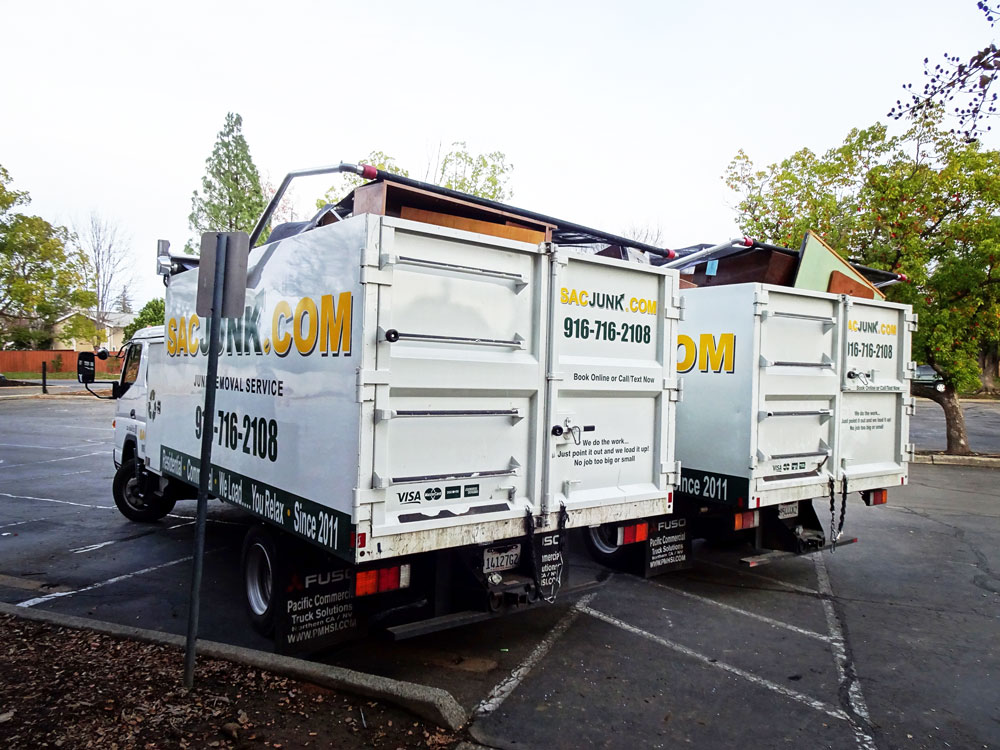
A local company like Sac Junk also brings something national franchises often cannot match as well – pricing that stays competitive because it is built around the actual job, not franchise overhead. For customers in Sacramento who want fast service and a straightforward quote, that local model usually makes the process easier.
Why responsible disposal matters in pricing
Some customers focus only on the truck and forget what happens after pickup. Disposal has real cost, and responsible disposal takes effort. Items may need to be sorted for donation, recycling, or landfill drop-off, and that work is built into the service.
That is not a bad thing. If a company donates usable items and recycles materials when possible, you are getting more than a dump run. You are getting a service that handles the job responsibly while saving you time.
The right price is not always the lowest number. It is the quote that makes sense for the size of the load, the labor involved, the speed you need, and the peace of mind that the job will be done right the first time.