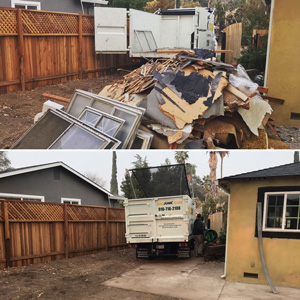

When a warehouse aisle is blocked by broken pallets, old shelving, and dead equipment, you do not need a sales pitch. You need a clear commercial junk removal comparison that shows who can actually show up fast, load everything, and get your business back to normal without wasting your day.
For most businesses, the wrong junk removal company costs more than the invoice. It can slow down operations, tie up staff, create safety issues, and leave you with half-finished cleanup. That is why comparing providers has to go beyond the advertised starting price. You need to know what is included, how pricing works, how quickly the crew can respond, and whether they can handle the kind of material your site actually has.
What matters most in a commercial junk removal comparison
The first thing to compare is the service model. Some companies are truly full-service, which means the crew does the lifting, loading, hauling, and cleanup. Others mainly provide curbside pickup or require your team to stage items first. If you are clearing out an office, retail space, warehouse, or rental property, that difference matters. Having employees stop work to drag desks, fixtures, or debris outside is not cheap just because it is not listed on the junk bill.
The second factor is response time. Commercial jobs are usually tied to a deadline. You may be turning over a tenant space, clearing a job site, replacing office furniture, or trying to pass an inspection. A company that can offer same-day or next-day service is often worth more than one with a lower quote but a five-day wait.
The third factor is pricing clarity. Commercial clients usually want to know whether they are paying by truck volume, labor hours, item count, weight, or dump fees. None of those models is automatically bad, but hidden variables are where budgets get blown. Volume-based pricing is often the easiest to understand on mixed loads because you can see the space the material takes up. Hourly pricing can make sense for complicated tear-outs or jobs with a lot of onsite sorting, but it can also reward slow work.
Comparing franchise haulers vs local operators
A big-name franchise may feel familiar, especially for office managers or property teams that want a recognizable vendor. Franchises often have polished branding, standardized scripts, and broad coverage. In some cases, that can help if you manage multiple markets.
But for a single-market commercial job, a local operator often has the edge where it counts. Local companies usually have more pricing flexibility, faster decision-making, and better knowledge of the area. They are not sending a slice of every job to a national brand office. That can translate into more competitive rates and a more direct line when schedules change.
There is also the accountability factor. A local crew working in Sacramento is not just passing through. They depend on repeat business from contractors, landlords, property managers, and business owners in the same community. When a company is built around local service, there is usually more pressure to solve problems quickly and keep the job moving.
Commercial junk removal comparison by pricing model
If you are reviewing quotes, do not compare totals without looking at how each company got there. A low number upfront can become the highest bill once labor, stairs, distance to truck, or extra materials start getting added.
Volume-based pricing
This model charges based on how much truck space your junk uses. It is straightforward for office cleanouts, warehouse clutter, old furniture, packaging waste, and mixed commercial loads. You can usually approve the quote onsite once the crew sees the material.
The upside is transparency. The trade-off is that very dense material can feel expensive if it does not take up much room but is heavy to handle. Still, for most commercial cleanouts, it is one of the easiest models to budget.
Hourly labor pricing
Some haulers charge by time and labor, sometimes with disposal fees added separately. This can work for jobs where the scope is unclear, like sorting through a back storage room or clearing a property with scattered debris in multiple areas.
The issue is predictability. If access is bad, elevators are slow, or the crew is not efficient, your cost rises. For business owners who want a hard number before work begins, hourly pricing can feel too open-ended.
Flat item pricing
This works best when you are removing a few known items, such as a copier, conference table, or a row of cubicles. It is simple, but it breaks down fast on mixed loads. Once the job includes loose trash, e-waste, shelving, or miscellaneous debris, itemized pricing can become clunky and less competitive.
Speed, labor, and logistics matter more than people think
A true commercial junk removal comparison should measure operational impact, not just disposal cost. If a crew arrives on time, calls ahead, brings enough labor, and finishes in one trip, that saves real money even if the quote is not the absolute lowest.
Think about what happens when the wrong company shows up. Your maintenance team gets pulled in to help. Tenants complain. A contractor cannot start the next phase. An employee spends half the day managing the removal instead of doing their actual job. That is why full-service labor is not a nice extra. On many commercial jobs, it is the difference between a quick fix and a messy handoff.
Access is another point buyers miss. Ask whether the company can handle upstairs offices, long interior walks, loading docks, tight alleys, or warehouse layouts with active operations nearby. A crew that has done commercial work before will ask these questions early because logistics change the job.
What to ask before booking
You do not need a long vendor checklist, but you should ask a few direct questions. Is all labor included? Do you provide an onsite quote before starting? Can you handle bulky items like desks, cubicles, shelving, appliances, or warehouse debris? What do you do with reusable materials? How soon can you get here?
Those answers tell you more than a homepage slogan. They also show whether the company understands commercial work or mainly handles residential pickups with a few business jobs mixed in.
Don’t ignore disposal practices
Commercial customers are paying more attention to where material goes, especially property managers, builders, and businesses with sustainability goals. Not every item can be donated or recycled, but a company should have a process for separating reusable and recyclable material when possible.
That matters for two reasons. First, it can reduce landfill waste, which is good business and good community practice. Second, it usually signals a more organized operation. Companies that sort material carefully tend to run cleaner jobs overall.
For example, old office furniture, usable fixtures, metal shelving, cardboard, and certain appliances may have a better destination than the dump. A local company with established donation and recycling habits can often make better decisions on these materials than a crew focused only on speed to the landfill.
Who usually wins for commercial jobs?
It depends on the site, the deadline, and the type of material. A national franchise may fit a company that wants a familiar name and has time to work through a standard process. A small independent hauler may fit a simple curbside load with minimal labor.
But for most active commercial cleanouts, the best fit is usually a local full-service company with clear volume pricing, fast scheduling, and crews that do all the lifting. That setup works especially well for offices, warehouses, retail spaces, rental turnovers, dumpster enclosure cleanup, and post-project debris where speed and labor matter as much as hauling.
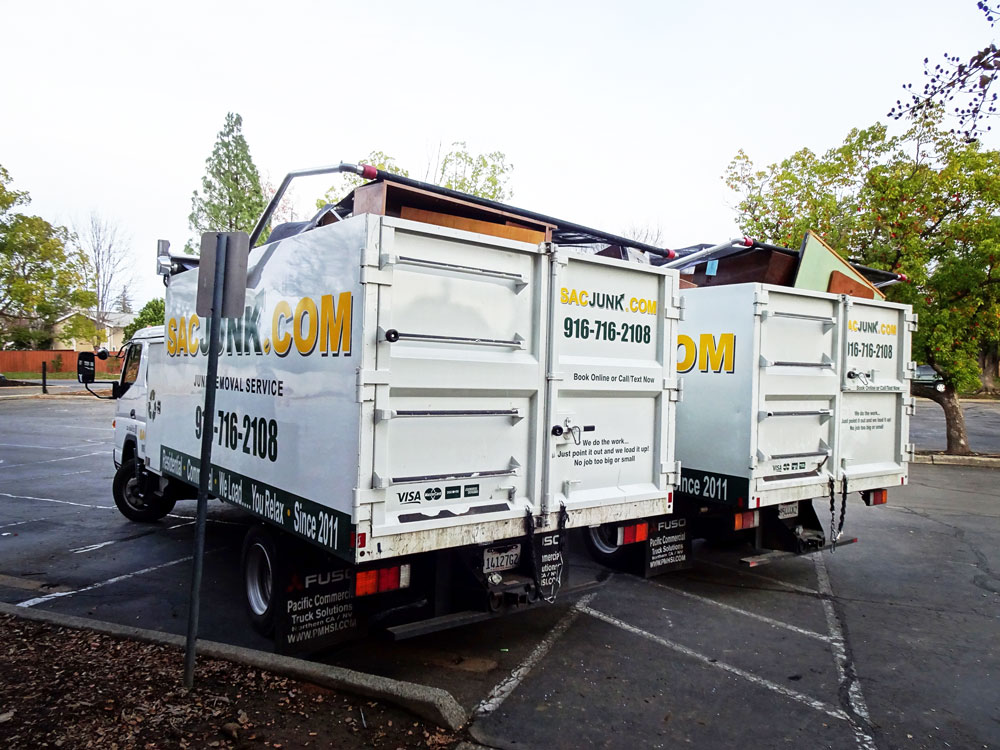
In Sacramento, that local advantage is real. Traffic, access issues, tight project timelines, and property turnover schedules do not leave much room for slow communication or vague pricing. A company like Sac Junk is built around that reality – fast pickup, labor included, onsite quotes, and a straightforward process that gets junk out without adding work to your staff.
The best comparison is the one that matches your job
A commercial junk removal comparison is only useful if it reflects what your business actually needs. If your main concern is lowest upfront price, you may choose one provider. If your concern is getting a crew onsite tomorrow, clearing the space completely, and moving on with operations, you may choose another.
The smart move is to compare more than the truck. Compare the labor, the speed, the pricing method, the communication, and the cleanup standard. The best hauling partner is the one that makes the problem disappear with the fewest surprises. When your space is blocked and your schedule is tight, that is the comparison that counts.