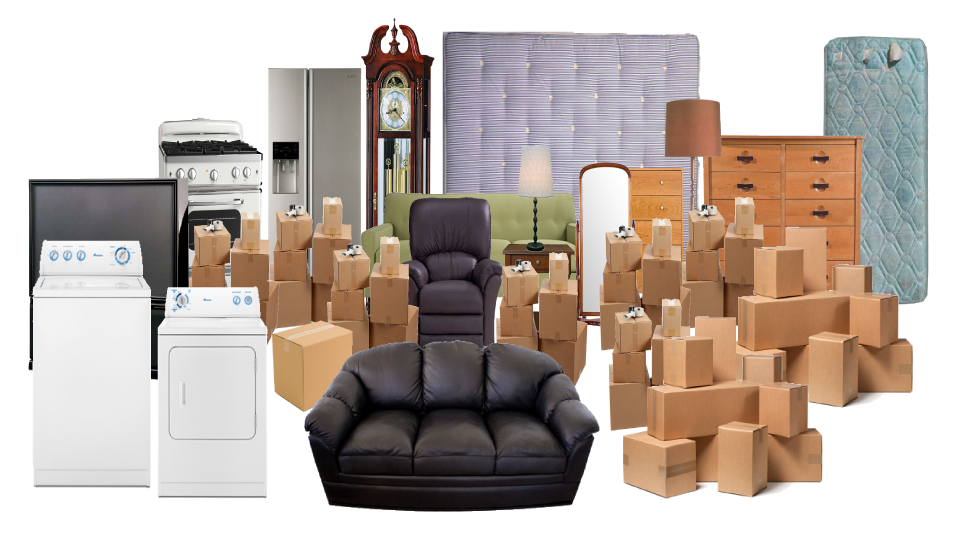

That back room full of broken chairs, outdated monitors, mystery boxes, and retired cubicle parts is not harmless overflow. It takes up usable square footage, slows down moves and repairs, creates trip hazards, and makes everyday work feel harder than it should. The best office decluttering ideas start with a simple goal: keep what your team uses, store what the business truly needs, and remove the rest without letting the project stall.
For a small office, a focused cleanup may take an afternoon. For a larger Sacramento workspace, warehouse office, medical suite, or property turnover, it may require a coordinated cleanout. Either way, the most effective approach is practical, fast, and based on clear decisions.
1. Start with the space that causes the biggest delay
Do not begin by straightening every desk. Start where clutter is actively costing the business time or space: a crowded supply room, a jammed storage closet, an unused office, or the area blocking a remodel. Clearing one high-impact area gives the team room to work and creates momentum for the rest of the project.
Walk the space with a phone or clipboard and note what is blocking access, collecting dust, or no longer serving a current employee or process. This is also the right time to identify heavy items that will need professional lifting, such as filing cabinets, conference tables, metal shelving, appliances, and cubicle systems.
2. Use a four-category sorting system
Every item should have a destination before anyone starts moving it. A simple four-category system prevents the usual problem of shifting clutter from one corner to another:
- Keep: active equipment, required records, and furniture in good condition
- Relocate: useful items that belong in another department, room, or storage area
- Donate or recycle: usable furniture, electronics, and supplies that can stay out of the landfill
- Remove: broken, obsolete, damaged, duplicate, or unwanted items
Avoid adding a fifth category called “decide later.” That category becomes the next pile. If an item has not been used in a year and has no specific future purpose, it is usually taking up more value than it provides.
3. Clear desk surfaces before buying organizers
Desk organizers can help, but they are not a fix for too much stuff. Ask employees to remove personal extras, old paperwork, duplicate office supplies, empty packaging, and outdated reference materials first. Once the surface is clear, give each employee a small, consistent place for daily tools, active files, and personal items.
This works best when management sets a realistic standard. A desk does not need to look empty to be productive. It should have enough open space for the employee to work comfortably, clean easily, and find what they need without digging through stacks.
4. Set a real paper-retention rule
Paper is one of the easiest forms of office clutter to ignore because it fits in drawers and boxes. Over time, old invoices, printed emails, outdated reports, training packets, and duplicate forms can fill entire cabinets. Before purging documents, separate records that must be retained for legal, financial, HR, or client reasons from routine paper that has outlived its purpose.
For confidential documents, use a secure shredding process rather than tossing them into regular trash or a donation pile. Once the old paper is handled, label active files clearly and assign one person or department to maintain the filing standard. A clean filing cabinet will not stay clean if everyone uses a different system.
5. Create one supply station, not five
When every desk, cabinet, and break room has its own hidden supply stash, the office overbuys. Pens, toner, batteries, folders, printer paper, and cleaning products multiply because no one knows what is already on hand.
Choose a central supply area and give it simple labels. Keep a reasonable backup quantity, especially for high-use materials, but do not treat every closet like an emergency warehouse. If your office has multiple floors or departments, a few supply stations may make sense. The goal is controlled access, not forcing staff to walk across a building for a staple remover.
6. Deal with outdated technology quickly
Old monitors, keyboards, printers, desktop towers, phones, cables, and networking equipment pile up fast during upgrades. They are bulky, awkward to store, and often sit untouched because nobody wants to figure out disposal. Designate a temporary electronics holding area, then set a pickup deadline so it does not become permanent storage.
Technology may contain sensitive data, so make sure drives and devices are handled according to your company’s security policy before removal. Reuse, donation, recycling, and disposal options depend on the equipment condition and local requirements. The key is not leaving retired technology scattered through closets, under desks, and beside the loading area.
7. Reclaim unused furniture and empty offices
An extra office can become a dumping ground within weeks. So can a vacant suite, old reception area, or storage room after a tenant move-out. Take an honest inventory of unused desks, chairs, cabinets, bookcases, tables, and cubicle panels. Keep only the furniture you have a planned use for in the next few months.
Good-quality pieces may be worth donating or reusing at another site. Damaged furniture, mismatched leftovers, and large quantities of old cubicles are often better removed in one organized haul. Waiting until furniture is needed again rarely solves the problem, especially when a growing pile limits access to a room you could otherwise use.
8. Give shared spaces a purpose
Break rooms, conference rooms, copy areas, and reception spaces collect abandoned items because they are common areas. Decide what each space is for, then remove everything that does not support that purpose. A conference room should not double as a chair warehouse. A break room should not store old marketing displays and unused computer parts.
Use closed storage for supplies that need to stay nearby, and make cleanup part of the normal routine. A five-minute reset after meetings is easier than a major cleanout every quarter.
Best office decluttering ideas for large cleanouts
When clutter has spread beyond desks and cabinets, a normal office cleanup turns into a removal project. This is common during relocations, lease turnovers, remodels, downsizing, warehouse reorganizations, and property management turnovers. At that point, assign a decision-maker who can approve what stays and what goes. Crews lose time when every item requires a new discussion.
Stage approved removal items in a safe, accessible area when possible, but do not block fire exits, hallways, elevators, or loading zones. Separate anything that requires special handling, including confidential records, hazardous materials, or equipment with sensitive information. Standard junk removal companies typically handle non-hazardous items, so confirm what can be taken before the crew arrives.
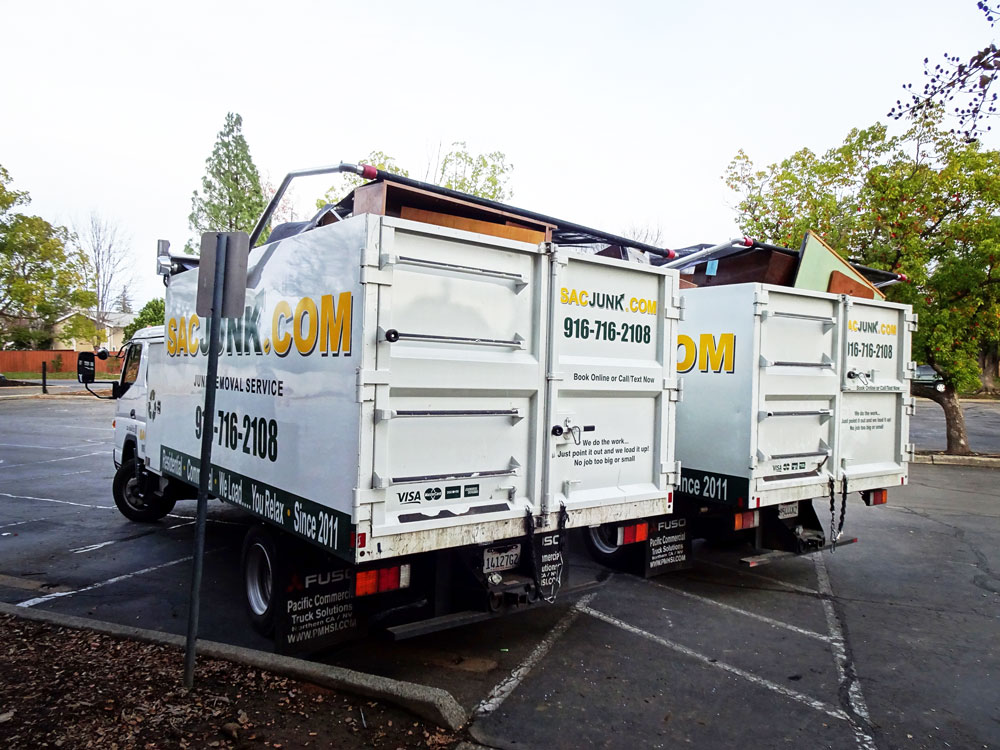
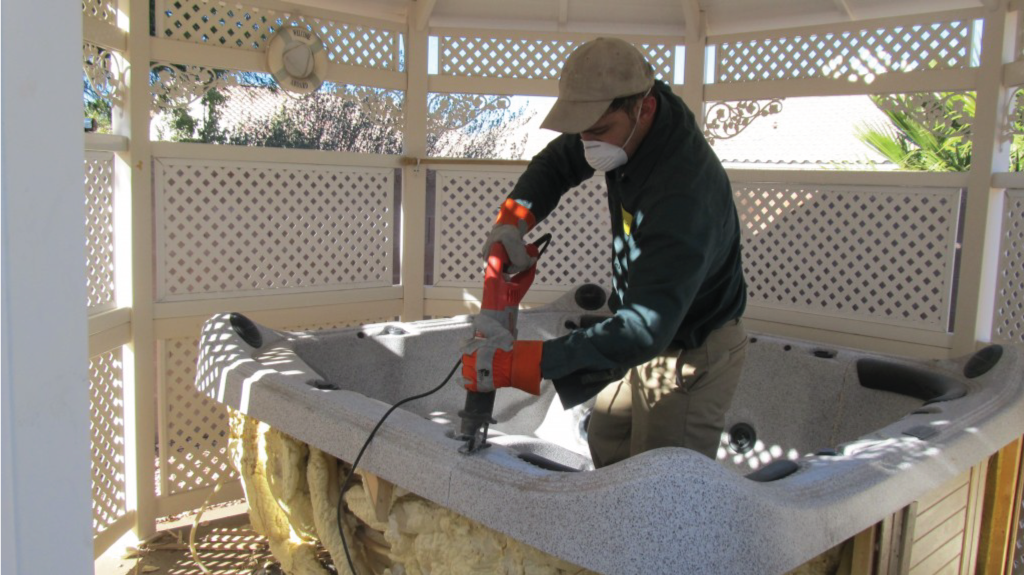
For Sacramento businesses that need the labor handled from start to finish, Sac Junk can remove unwanted office furniture, cubicles, appliances, electronics, warehouse debris, and general non-hazardous junk. The crew does the lifting, loading, hauling, and final sweep-up after you approve the on-site quote. That can be the better option when employees should stay focused on customers and daily operations instead of hauling desks down a stairwell.
9. Schedule decluttering before it becomes urgent
The best time to clear an office is before a lease deadline, inspection, move, renovation, or new hire makes the mess impossible to ignore. Put a quarterly walkthrough on the calendar for storage rooms, supply areas, shared spaces, and unused offices. A short review catches buildup while it is still manageable.
For busy offices, designate one person to flag bulky items as they become obsolete. A broken chair does not need to sit in a hallway for six months waiting for a larger cleanup day.
10. Protect the clear space you just created
A decluttered office stays that way only when there is a simple rule for incoming items. Before ordering new furniture, equipment, promotional materials, or supplies, decide where it will live and what it will replace. If there is no place for it, do not let it arrive without a plan.
Clear space is not wasted space. It is room for employees to move safely, work efficiently, welcome clients, and adapt when the business changes. Start with the area creating the most frustration, make fast decisions on what no longer earns its footprint, and remove the heavy stuff before it turns back into another long-term pile.