
A rental turns over on Friday, the next tenant moves in on Monday, and the old place still has mattresses, broken chairs, bagged trash, and a garage full of leftovers. That is usually when people start searching how to clear rental property without losing another weekend, another cleaning crew, or another chunk of the security deposit timeline. The fastest cleanout is not the one where you try to do everything yourself. It is the one where you make quick decisions, separate what matters, and get the heavy stuff out in one pass.
How to clear rental property without wasting time
The biggest mistake landlords and property managers make is treating a rental cleanout like a normal household cleanup. It is not. A rental property cleanout is tied to turnover deadlines, lease obligations, vendor scheduling, and sometimes legal questions about abandoned items. If the unit is blocked by junk, every other step gets delayed – repairs, painting, cleaning, photos, and showings.
Start with the condition of the property, not the pile itself. Walk the unit and decide what kind of job you are dealing with. Some rentals only need a quick haul-away of a few bulky items. Others need a full cleanout with furniture, trash, food waste, garage debris, and outdoor junk. That first call matters because it tells you whether you need a basic pickup or a crew that can handle lifting, loading, hauling, and cleanup.
If the property was left in rough shape, do not lose hours trying to organize everything into perfect categories. You are not staging a donation drive. You are trying to restore the property to rentable condition as efficiently as possible. Separate obvious keep items, obvious trash, and anything that may need a second look because of lease records, keys, documents, or personal property rules.
Start with what you can legally remove
Before you clear anything, make sure the tenancy has officially ended and that you are handling any abandoned property according to California requirements. This part depends on the situation. If a tenant surrendered the unit and removed what they wanted, the path is usually straightforward. If they left property behind after moving out, there may be notice and storage rules that apply.
That is why speed matters, but guessing does not. Tossing everything immediately can create bigger problems than a delayed turnover. Paperwork, medications, financial documents, family photos, and electronics deserve a closer look. The same goes for anything that appears intentionally stored rather than simply abandoned in a rush.
Once you know what can be removed, move quickly. The longer junk sits in the property, the more likely the cleanup gets more expensive. Odors settle in. Pests find food and nesting material. Moisture damage gets worse. Contractors waste time working around clutter.
What to remove first
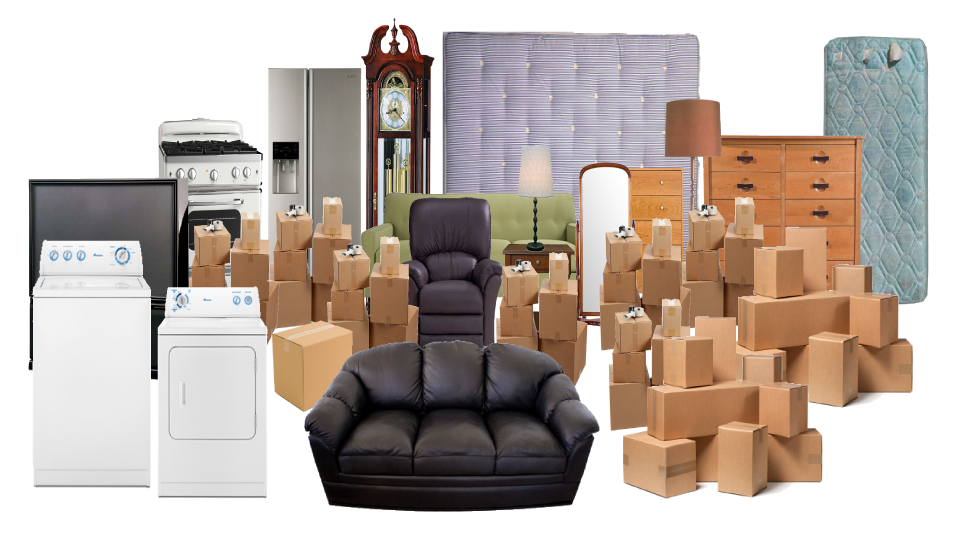
When the goal is turnover speed, order matters. Start with the items that slow every other trade down. That usually means mattresses, couches, broken tables, dressers, appliances no one wants, and piles of bagged trash. Large items block access, hide damage, and make the unit feel worse than it is.
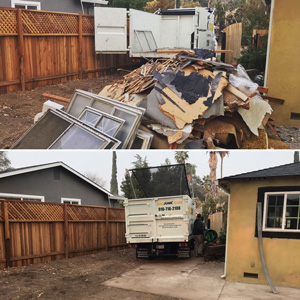
After the bulky stuff, clear loose debris from kitchens, bathrooms, closets, patios, and garages. Do not overlook outdoor areas. A messy side yard, old fencing, abandoned tires, and yard waste can wreck curb appeal before a prospect ever sees the inside.
If the property has a garage or storage shed, expect it to be the last dumping ground. That is where old paint cans, broken shelving, scrap wood, boxes, and mystery junk tend to end up. Some items may require special handling or may not be accepted in standard junk removal, so it helps to identify those before pickup day instead of when the truck is already on site.
Decide what is worth saving
Not everything left behind belongs in a landfill. Some furniture can be donated. Some appliances can be recycled. Scrap metal, cardboard, and usable household goods may have another destination if they are still in decent condition. That said, a rental turnover is not the time to spend three days trying to recover twenty dollars in leftover items.
A good rule is simple: if it is clean, usable, and easy to move through the proper channel, save it. If it is damaged, infested, soaked, unsafe, or too time-consuming to process, remove it and move on. Property owners often burn time trying to squeeze value out of low-value leftovers while the vacancy keeps costing them rent.
This is where a full-service crew helps. Instead of renting a truck, finding labor, loading everything yourself, and figuring out disposal afterward, you get one team handling the heavy lifting, loading, hauling, and general sweep-up. For busy landlords and managers, that usually saves more money than trying to patch together the job with separate vendors.
How to clear rental property faster with the right crew
If you are handling a larger cleanout, your vendor choice affects the entire turnover schedule. A cheap option that no-shows or only takes certain items can cost more than a professional crew with clear pricing and a defined process. The right company should be able to tell you what they take, how they price, whether labor is included, and how quickly they can get on site.
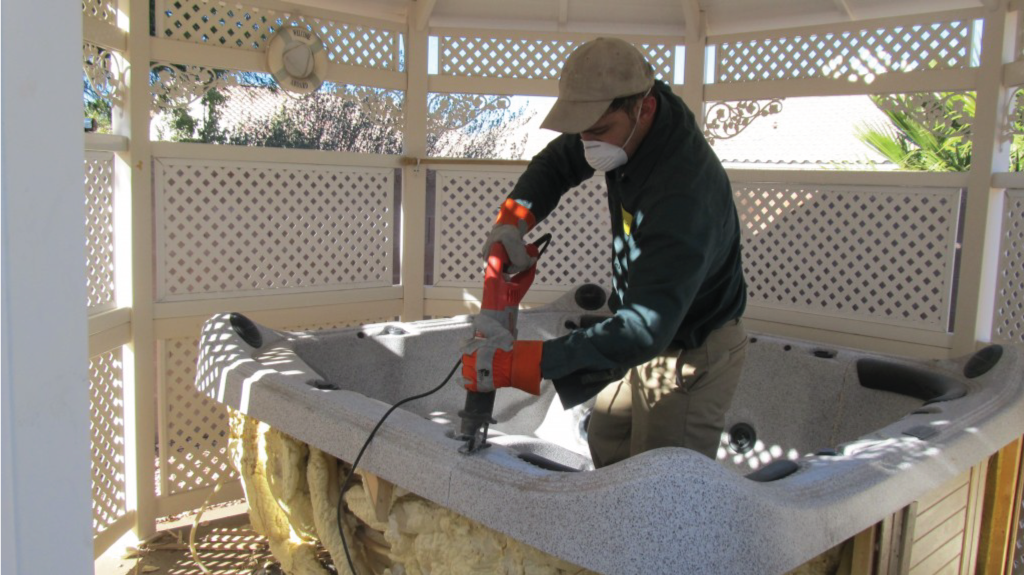
For rental properties, full-service matters more than people realize. You do not want to drag a sofa to the curb, disassemble a bed frame, or haul a refrigerator out of a second-floor unit yourself. You want a crew that shows up, gives you an upfront quote, gets approval, and clears the space without turning your turnover into another project to manage.
In the Sacramento area, that is why many landlords and managers prefer a local operator over a franchise. You get faster communication, more accountability, and pricing that is usually easier to understand. If the company also donates and recycles usable material, that is another plus, especially for larger cleanouts where a lot of the load may not need to go straight to the dump.
Common cleanout mistakes that add cost
The first mistake is waiting too long. People often think they will handle the cleanup after they inspect the unit, after they get an estimate, or after they finish paperwork. Meanwhile, the property sits full of junk and the clock keeps running.
The second mistake is underestimating labor. A rental cleanout is not just a disposal problem. It is a manpower problem. Heavy furniture, stair carries, dirty appliances, and packed garages eat up time fast. If you are short on labor, the job drags.
The third mistake is pricing the job wrong. Dumpster rental can work for some projects, but it is not always the cheaper option. You still have to load it, schedule it, protect the driveway, and stay within the rental window. For a fast turnover, full-service junk removal is often the cleaner move because labor and hauling are built in.
The fourth mistake is forgetting the finish. Once the junk is out, the property still needs to be broom-clean enough for the next step. That does not mean deep cleaning, but it does mean removing the loose debris so painters, cleaners, or maintenance crews can start right away.
A simple plan for landlords and property managers
If you need to clear a rental fast, keep the process tight. Confirm what can legally be removed, walk the property, pull out anything that must be retained, and get the bulky junk out first. Then remove loose trash, clear exterior areas, and leave the unit ready for repair and cleaning.
That approach works whether you are turning over a single-family rental, a small apartment, or a larger multi-unit property. The details may change, but the goal stays the same: get the space empty, accessible, and ready for the next income-producing step.
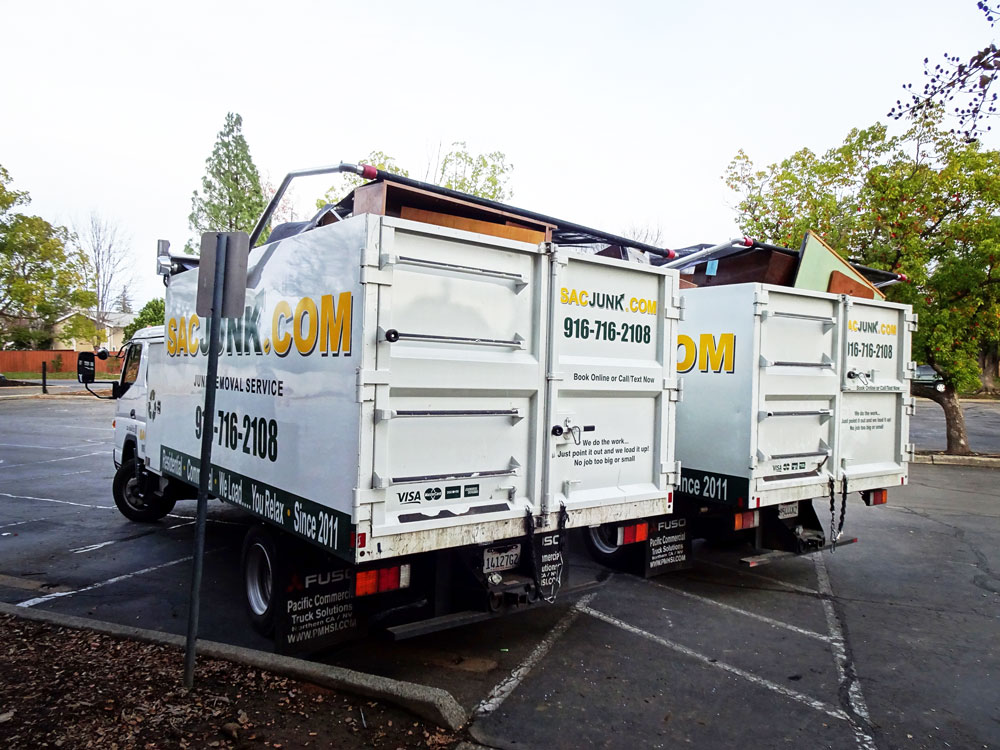
If the cleanout is more than a few curbside items, bring in a crew early. It is usually the fastest way to clear the unit, avoid injuries, and keep the turnover moving. Companies like Sac Junk are built for exactly that kind of work – heavy lifting included, on-site quotes, and fast hauling without making you babysit the job.
A clean rental does more than look better. It gets your schedule back under control, helps your vendors work faster, and shortens the gap between one tenant leaving and the next one moving in. When the property is packed with junk, every day feels expensive because it is.