A mattress is one of those items that can sit in a garage, hallway, or rental unit far longer than planned because nobody wants to wrestle it down the stairs or figure out where it can go. If you searched for “how to dispose mattresses,” the short answer is this: choose the option that fits its condition, your local rules, and how quickly you need the space back.
A clean, usable mattress may be eligible for donation. A worn-out one may be recyclable. A stained, damaged, or bug-infested mattress usually needs professional hauling or disposal through an approved local facility. The right choice keeps your property clear and helps prevent a bulky item from ending up on the curb indefinitely.
How to Dispose of Mattresses Based on Condition
Before arranging pickup, take two minutes to inspect the mattress. Its condition determines whether someone else can use it, whether it can be broken down for recycling, or whether it needs to be disposed of as waste.
Donate a clean, usable mattress
Donation can be a good option when the mattress is clean, structurally sound, and still has plenty of usable life left. Check for major sagging, ripped fabric, strong odors, stains, mold, and pest activity. Many charities and furniture assistance programs have strict acceptance standards for mattresses, and some will not take them at all because of sanitation concerns.
If a local organization accepts yours, ask about pickup requirements before hauling it over. They may require photos, proof that the mattress is free from stains, or placement in a protective bag. Do not leave a mattress outside a donation center after hours. If it is exposed to rain, dirt, or pests, it may become unusable and turn into an illegal dumping problem.
Recycle a mattress when possible
Most mattresses contain materials that can be recovered. Metal springs, foam, fabric, wood frames, and cotton or fiber padding may be separated at a mattress recycling facility. Recycling is often the better route for an old mattress that is no longer suitable for donation but is not contaminated.
The trade-off is logistics. Not every transfer station accepts mattresses for recycling, and facilities may charge separate fees or require you to deliver the item yourself. Call ahead before loading it into a truck. Ask whether they accept box springs, mattress toppers, and bed frames too, since each item can have different rules.
Use a bulky-item or transfer station program
Some cities, waste haulers, and property management companies offer scheduled bulky-item pickup. This may be convenient if you have time to wait for the next available collection date and can safely move the mattress to the required pickup location.
Read the instructions carefully. A bulky pickup may limit the number of items, require an appointment, or specify where the mattress must be placed. In some areas, mattresses must be wrapped in plastic, especially if there is any chance of bed bugs. Putting a mattress out early can block sidewalks, create complaints from neighbors, and expose it to weather.
Hire a full-service junk removal crew
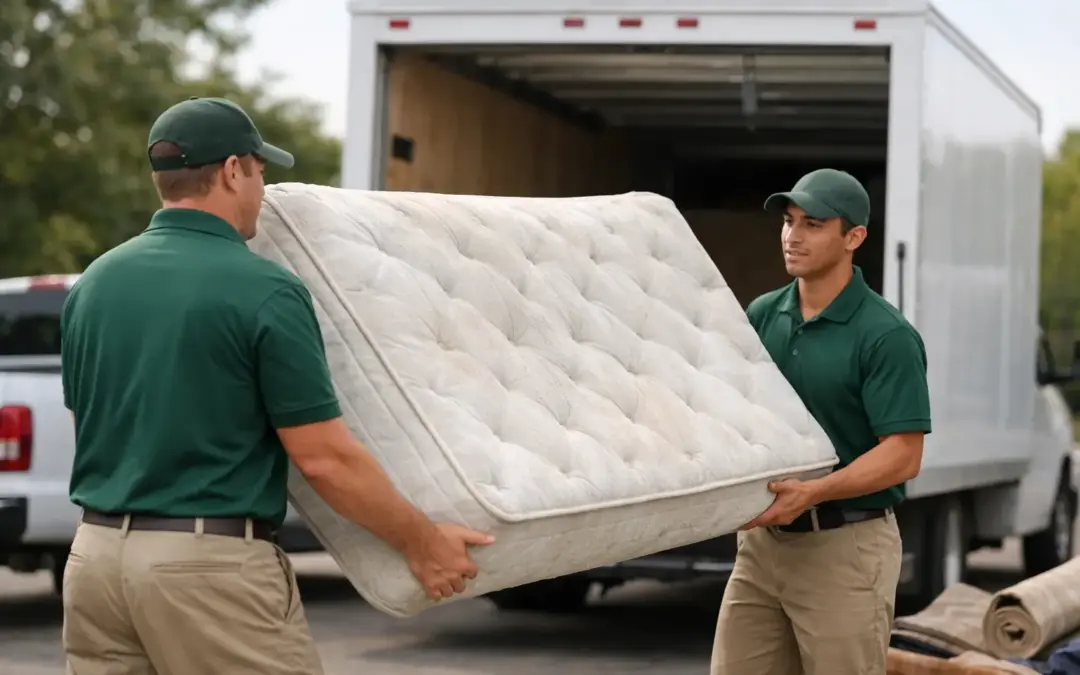
For many homeowners, renters, landlords, and property managers, full-service removal is the fastest and simplest answer. A crew handles the lifting, stairs, loading, hauling, and cleanup, so you do not need a pickup truck, a helper, or a trip to a disposal facility.
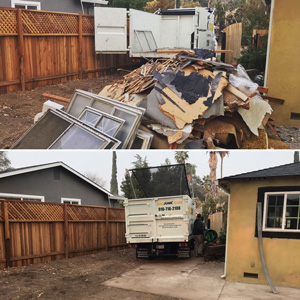
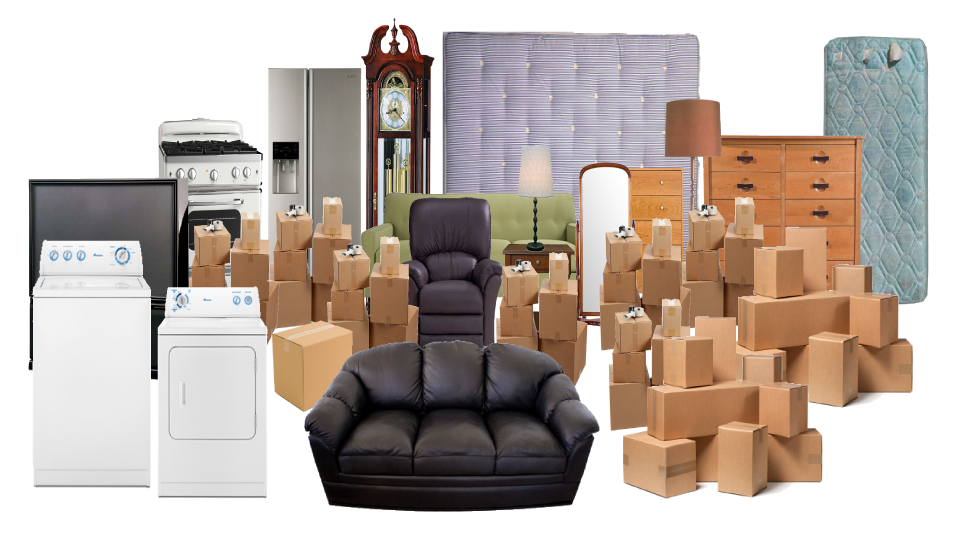
This option is especially useful during move-outs, estate cleanouts, tenant turnovers, remodels, and garage cleanups. It also makes sense when the mattress is one item among several, such as a box spring, bed frame, dresser, old couch, or bags of household clutter. Rather than making multiple disposal runs, you can clear the space in one visit.
Do Not Leave a Mattress on the Curb
Leaving a mattress at the curb without an authorized pickup is not a disposal plan. It can violate local rules, obstruct public access, attract illegal dumping, and create a sanitation issue when rain or pests get into the fabric and padding.
A mattress that looks harmless in a driveway can become much harder to handle after one wet night. It gets heavier, dirtier, and less likely to qualify for recycling or donation. If you have an appointment scheduled, place it out only when instructed. Otherwise, keep it dry and inside a garage, covered patio, or other protected area until pickup.
What to Do With a Mattress That Has Bed Bugs
A mattress with suspected or confirmed bed bugs needs extra care. Do not donate it, sell it, or give it away. Moving an infested mattress without precautions can spread pests through hallways, elevators, vehicles, and neighboring units.
First, follow the guidance of your pest control provider or property manager. Many professionals recommend enclosing the mattress in a sealed mattress disposal bag before it is moved. Labeling it as bed bug-infested may also be required or recommended by local disposal procedures.
Tell your removal provider about the issue before they arrive. That allows the crew to prepare and confirms whether they can safely accept the item. The goal is to get the mattress out without turning one bedroom problem into a building-wide problem.
Prepare Your Mattress for Pickup or Drop-Off
A little preparation makes disposal faster and protects your home during removal. Strip off sheets, pillows, mattress protectors, and personal items from around and beneath the bed. If you are keeping the frame, make sure the crew has a clear path to remove only the mattress and box spring.
For a second-floor room, measure tight stairwells or corners if the mattress is oversized. Crews can handle awkward items, but knowing about a narrow staircase, gated entry, or elevator reservation in advance helps avoid delays. If you live in an apartment or condo, check whether the building requires move-out windows, proof of insurance, or advance notice for hauling crews.
If you are taking the mattress yourself, use a protective cover and secure it properly in the vehicle. A loose mattress can shift in traffic, block your view, or become a hazard. Never place it unsecured on a roof unless your vehicle and tie-down setup are designed for that kind of load.
Mattress Disposal Costs: What Affects the Price?
The cost to dispose of a mattress depends on the method you choose. Self-hauling may appear cheapest, but factor in disposal fees, fuel, truck rental, protective bags, and the time it takes to load and unload a bulky item. Donation may be free if accepted, although pickup availability can be limited.
Professional junk removal pricing commonly depends on the amount of space your items take in the truck, not just the mattress itself. That can be a better value when you are clearing multiple pieces at once. Ask for an upfront quote after the crew sees the load, and make sure labor, loading, hauling, and disposal are included before work begins.
For Sacramento-area customers who want the mattress gone without doing the heavy lifting, Sac Junk provides full-service mattress removal with on-site pricing and responsible sorting for donation or recycling whenever possible. That is often the practical choice when time, stairs, tenant turnover, or a packed schedule makes self-hauling unrealistic.
When It Makes Sense to Replace and Remove at the Same Time
If a new mattress is being delivered, ask the retailer whether they offer old mattress removal. Some delivery services provide haul-away for an added fee, while others only remove the old mattress if it is clean, accessible, and disconnected from the bed frame. Confirm the details before delivery day so you are not left with an old mattress in the driveway.
Retailer removal can be convenient for a single replacement. However, it may not help with extra furniture, box springs, bed frames, or clutter from the room. In that case, a separate hauling appointment can clear everything at once and leave the room ready for its new setup.
A Clear Path to a Cleaner Space
Do not let an old mattress turn into a long-term storage problem. Keep usable mattresses clean for possible donation, recycle materials when a local facility accepts them, and use authorized pickup or full-service hauling when the item is damaged, bulky, or simply needs to go now. The best disposal option is the one that clears your space safely, follows local requirements, and saves you from doing a job that usually takes more muscle and time than expected.