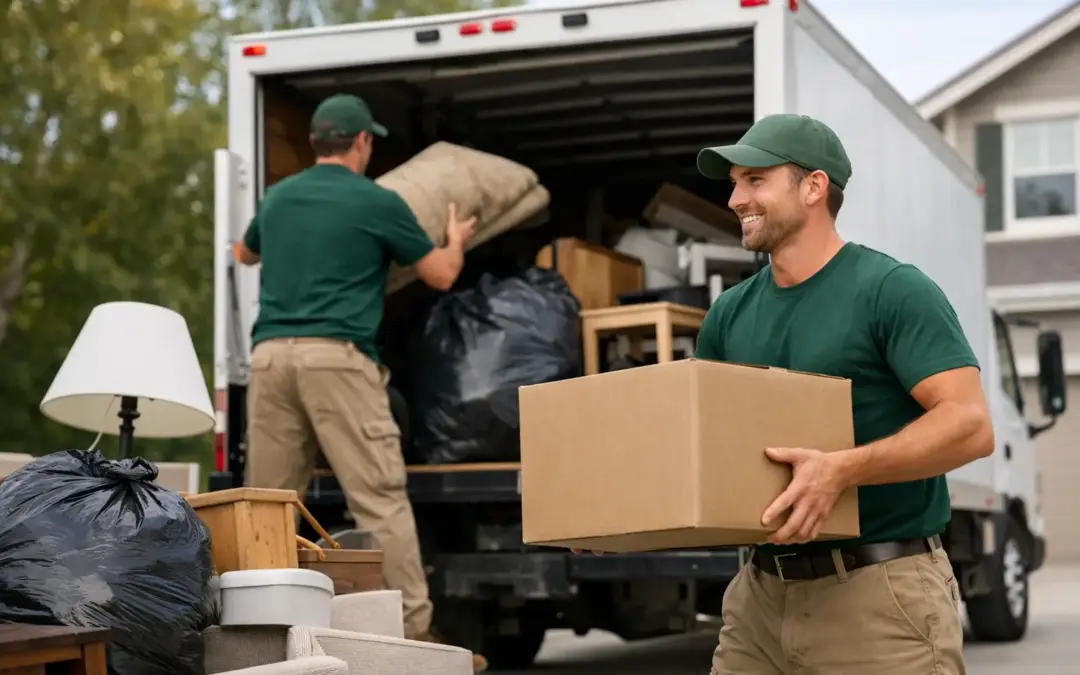
A junk removal crew can clear a packed garage, old office furniture, or a move-out pile fast – but a little preparation makes the appointment faster, safer, and easier to price. When you prepare for junk removal before the truck arrives, you help the crew focus on what they do best: lifting, loading, hauling, and leaving you with usable space again.
You do not need to drag everything to the curb or take apart every bulky item yourself. Full-service removal means the crew handles the labor. Your job is simply to make smart decisions ahead of time, point out what goes, and make access safe.
Prepare for Junk Removal by Deciding What Stays
The biggest delays happen when customers are still sorting through items after the crew arrives. Before your appointment, walk through the room, yard, storage unit, or work area and make a clear keep-or-go decision. If something is not going, move it away from the removal pile or mark it clearly.
This matters most in garages, estate cleanouts, rental turnovers, and offices, where useful belongings can get mixed in with debris. Set aside documents, family photos, cash, keys, jewelry, medication, and anything you may need later. Check drawers, cabinets, desk pedestals, nightstands, and appliance compartments before the pickup.
If you are clearing a property for someone else, confirm what the owner, tenant, or property manager wants removed. A quick conversation can prevent an expensive mistake. When there is any doubt, keep the item out of the junk area until you get an answer.
Make a Clear Removal Zone
You do not have to create a perfect pile, especially if heavy furniture, appliances, or construction debris are involved. Still, grouping smaller items gives the crew a clearer picture of the job and can speed up loading. Place bags, boxes, loose household goods, and yard waste in one general area when it is safe to do so.
For larger cleanouts, use simple labels such as “REMOVE” and “KEEP.” Bright tape, sticky notes, or a piece of cardboard works fine. Labels are especially useful when a house has multiple rooms, a warehouse has mixed inventory, or a rental has items left by different tenants.
Keep donated, sold, or personally retained items separate from the removal zone. If you plan to give something away, move it to another room, a locked shed, or a clearly marked area. A crew works quickly, and clear boundaries protect the things you want to keep.
Do Not Worry About Heavy Lifting
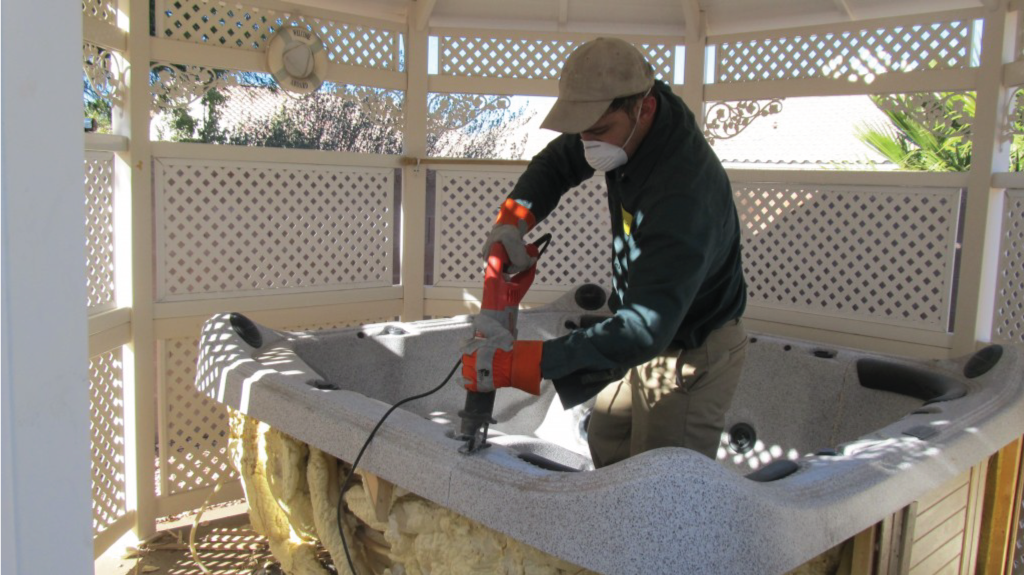
Trying to move a sleeper sofa, refrigerator, old spa, or oversized desk by yourself can turn a cleanup into an injury or property-damage problem. Leave awkward, heavy, or bulky items where they are unless moving them is easy and safe. A professional junk removal crew brings the labor needed to get items out without asking you to wrestle them down stairs or across a yard.
The exception is access. If a pathway is blocked by loose boxes or small items, clearing that path ahead of time helps everyone work safely.
Create Safe Access for the Crew
A few minutes spent preparing the route can make a major difference. Unlock gates, garages, storage units, sheds, and doors that lead to the junk. Move vehicles out of the driveway when possible so the truck can park close to the load. The shorter and clearer the route, the more efficiently the crew can work.
Look for trip hazards along the path: garden hoses, loose cords, toys, slippery leaves, construction materials, and uneven pavers. If the removal is inside, keep pets in a secure room or arrange for them to be elsewhere during loading. This protects your pets, the crew, and your open doors.
For apartment, condo, office, and commercial pickups, make sure the crew can access the right entrance. Reserve an elevator if your building requires it, notify a gate attendant, and ask management about loading-zone rules. In Sacramento-area neighborhoods with narrow streets or limited parking, letting the crew know about access issues before arrival can save time.
If the junk is in a backyard, behind a fence, or inside a detached structure, check that gates open fully and that the route is not blocked by equipment or landscaping. You do not need to remove a fence for a difficult item without discussing it first. Just point out the conditions so the crew can determine the safest removal plan.
Know What Needs Special Handling
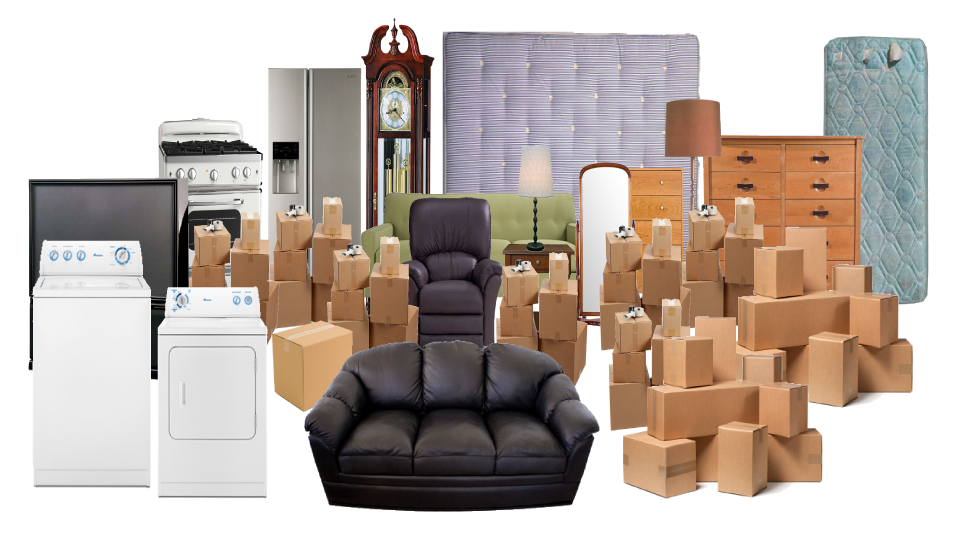
Junk removal is designed for common non-hazardous items such as furniture, mattresses, appliances, electronics, yard debris, renovation waste, office equipment, and general household clutter. Some materials require special handling or cannot go on a standard junk truck.
Before pickup, separate anything that may be hazardous or regulated. That includes paint, solvents, gasoline, motor oil, propane tanks, pesticides, chemicals, explosives, and medical sharps. Do not hide these items inside bags or boxes. Tell the company about them when booking so you can get the right disposal guidance.
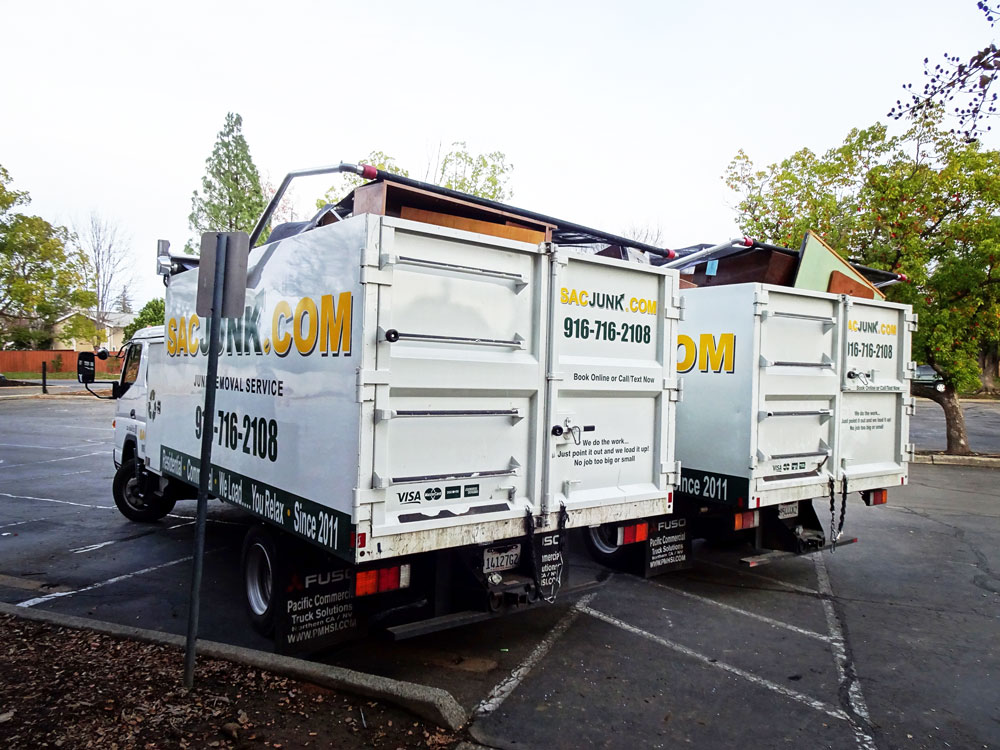
It is also smart to identify appliances and electronics early. Refrigerators, freezers, air conditioners, televisions, and computer equipment may require different handling because of refrigerants or recyclable components. A local full-service company such as Sac Junk can explain what it can take and how the load will be handled.
Bag Loose Debris When It Makes Sense
Bagging is useful for small, loose items such as clothing, paper, broken-down household clutter, leaves, and light yard debris. Use sturdy bags and do not overfill them. A bag that tears on the way to the truck slows down the job and creates more cleanup.
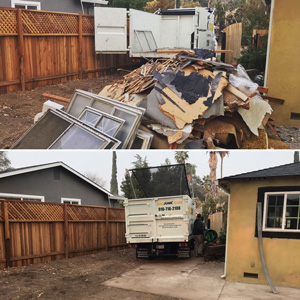
Do not bag sharp materials loosely. Broken glass, nails, screws, and jagged metal should go into a rigid, labeled container when possible. For demolition debris, let the removal company know what materials are present, particularly if the load includes heavy concrete, tile, dirt, or roofing material. These materials can affect truck space, weight limits, and pricing.
Be Ready to Approve the On-Site Quote
Good junk removal pricing should be clear before loading begins. With volume-based pricing, the crew assesses how much space your items take up in the truck, along with the labor and disposal needs of the job. That is why an on-site look is useful, particularly for mixed piles and whole-property cleanouts.
To keep the estimate accurate, show the crew every item you want removed before approving the quote. Mention hidden items in closets, upstairs rooms, attics, crawl spaces, sheds, or behind the building. If you add a large item after the quote, the price may need to change because the truck volume and labor have changed.
You do not need to be an expert on truck loads. Ask a straightforward question: Does this quote include all labor, loading, hauling, and cleanup for the items we showed you? You should know the price before the work starts, not find out after the truck is loaded.
For landlords, contractors, and business owners, designate one person who can authorize the work and payment. A crew should not have to wait for a remote decision-maker while a unit, office, or job site needs to be cleared.
Take Photos for Large or Shared-Property Jobs
Photos are not required for a simple couch pickup, but they are helpful for bigger jobs. Before-and-after photos can document a rental turnover, an estate cleanout, a warehouse area, or a construction site. Property managers may also need them for owner records, tenant disputes, or maintenance files.
If you are requesting removal from a shared space, photograph the pile and verify which items belong to your unit or business. That is a practical safeguard when dumpsters, alleys, hallways, and parking areas are used by multiple people.
What You Can Leave to the Removal Crew
Once you have separated your keep items, created access, and approved the quote, step back. You do not need to carry furniture, sweep every corner, or load your own truck. The point of full-service junk removal is to avoid the rental truck, landfill lines, heavy lifting, and multiple disposal runs.
A reliable crew should load the agreed-upon items, check the work area for leftover debris, and haul the load away for responsible sorting, donation, recycling, and disposal when possible. That is especially valuable when you need a garage opened up, a rental ready for the next tenant, or a job site cleared without losing a full day to hauling.
A clear pile, a safe path, and a firm decision about what goes are enough to get started. Make those three things happen before the appointment, and your space can go from crowded to usable much sooner.