
A vacant unit can lose money by the day. The faster you can inspect, repair, clean, and show it, the sooner it can produce rent again. This property manager turnover cleanup guide gives Sacramento-area property managers a practical way to handle the mess left behind without sending maintenance staff into a multi-day hauling job.
Turnover cleanup is not just a cleaning task. It is a scheduling task, a documentation task, and often a heavy-lifting job. Furniture, mattresses, bagged trash, broken appliances, abandoned patio items, and garage debris can stall every crew behind them. A clear process keeps the unit moving toward rent-ready status.
Start With Documentation, Not Removal
Before anyone starts loading items into a truck, complete the move-out inspection and follow the terms of the lease and applicable California requirements. Take clear, dated photos and video of every room, closet, garage, storage area, patio, and yard. Document abandoned personal property separately from obvious trash or damaged fixtures.
This matters because removal can make it harder to support a deposit deduction or respond to a former resident’s question later. If there is any doubt about whether an item is abandoned property, confirm your company policy and legal obligations before disposing of it. A couch covered in pet hair may be straightforward. A box of paperwork, medications, family photos, or electronics may require a different handling process.
Once documentation is complete, separate work into three lanes: items that stay for repair or reuse, items that require a former resident notice or special handling, and junk that can be removed immediately. That simple separation prevents a rushed cleanup from creating an avoidable problem.
Build a Turnover Scope Before Crews Arrive
A vague request like “clean out unit 204” often leads to delays. A better scope tells your maintenance team, cleaners, vendors, and hauling crew what is present, what needs to happen first, and which areas are accessible.
Walk the property with a phone or tablet and note bulky items by room. Include access conditions such as stairs, elevator access, locked gates, narrow hallways, parking restrictions, and whether the unit is occupied by vendors. If junk is in a backyard or dumpster enclosure, note that too. Those details help the removal crew arrive with the right plan instead of losing time on site.
Your scope should identify the biggest obstacles, including:
- Furniture, mattresses, appliances, and oversized items
- Bagged trash, loose debris, and food waste
- Garage, patio, shed, attic, or storage-area contents
- Yard waste, broken fencing, and outdoor debris
- Items that may be hazardous or need separate disposal
Do not assume every item can go in the same load. Standard junk removal crews can handle most non-hazardous household and rental debris, but materials such as paint, chemicals, fuel, propane tanks, batteries, asbestos-containing material, biohazards, and certain electronics may have separate disposal rules. Calling out those items early helps you schedule the right solution rather than discovering the issue after the truck is loaded.
Set the Right Order of Operations
The best turnover schedule depends on the unit condition. For a lightly used apartment with a few leftover bags and a chair, cleaners may be able to start right after removal. For a severe move-out, cleanup should happen before deep cleaning, flooring work, painting, pest treatment, or repairs.
In most cases, the order is straightforward. First, document the condition. Next, remove abandoned junk and debris. Then let maintenance address damage, cleaners handle the unit, and vendors complete specialized work. Finally, conduct a rent-ready walk-through before listing or showing the property.
The trade-off is speed versus coordination. Sending a junk crew immediately can save a day, but it may cause problems if you have not completed your inspection or if flooring installers need specific items left in place. On larger properties, group multiple unit cleanouts into one service window when possible. You can reduce vendor coordination, clear common areas at the same time, and get better visibility into the full turnover workload.
Use a Property Manager Turnover Cleanup Guide for Common Problem Areas
Some of the most time-consuming junk is not sitting in the middle of the living room. It is hidden in the places residents use to postpone decisions: closets, patios, garages, storage rooms, and dumpster enclosures.
Garages, Patios, and Outdoor Areas
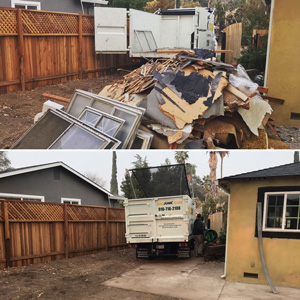
Outdoor areas can turn a normal turnover into a bigger hauling job. Look for old patio furniture, grills, tires, planters, broken toys, lumber, bagged yard waste, and loose debris behind sheds or fences. Check for access before booking removal. A locked side gate, overgrown pathway, or vehicle blocking the driveway can slow the work down.
For multifamily properties, inspect the dumpster enclosure as part of the turnover. Residents sometimes leave mattresses, couches, cabinets, or move-out debris next to the bins. That can create overflow, attract illegal dumping, and leave a poor impression on prospective residents touring the property.
Appliances and Heavy Furniture
Appliances, sectional couches, bed frames, recliners, and solid wood furniture are difficult for a small maintenance crew to move safely. They take time, require proper lifting, and can damage walls, stairwells, doors, and floors when handled without enough help.
A full-service junk removal crew does the lifting, loading, hauling, and basic sweep-up after the load is removed. That lets your staff focus on repairs, vendor access, inspections, and resident communication instead of spending an afternoon wrestling a refrigerator down a staircase.
Office and Common-Area Turnovers
Property managers also deal with turnover outside individual rental units. Leasing offices, maintenance shops, clubhouses, storage rooms, and vacant commercial spaces collect old desks, cubicles, chairs, shelving, monitors, and boxes over time. These spaces are easier to clear when you identify what needs to be retained before removal begins.
Mark keep items clearly. If possible, move them into one designated area. This reduces confusion on a busy cleanout day and gives the hauling crew a clean path to remove everything else.
Keep Pricing and Approval Simple
Turnover costs can get out of hand when vendors bill separately for labor, hauling, disposal, and last-minute add-ons. Ask how pricing is calculated before service begins. Volume-based pricing can work well for junk removal because you pay for the amount of truck space your items fill, while labor, loading, and hauling are included.
An on-site quote is especially useful when photos do not tell the whole story. A pile that looks small in a picture may include dense materials, hidden debris, or items in a difficult access area. On the other hand, a large room of lightweight cardboard may take up space without requiring extensive labor. The key is approving the price before removal starts, so there is no confusion about the scope.
For regular turnover work, create an approval process your team can use quickly. Give designated property staff authority to approve removals up to a set amount, with clear instructions for when a larger cleanout needs owner approval. Waiting half a day for a callback can cost more in vacancy time than the removal itself.
Protect Your Team and Your Property
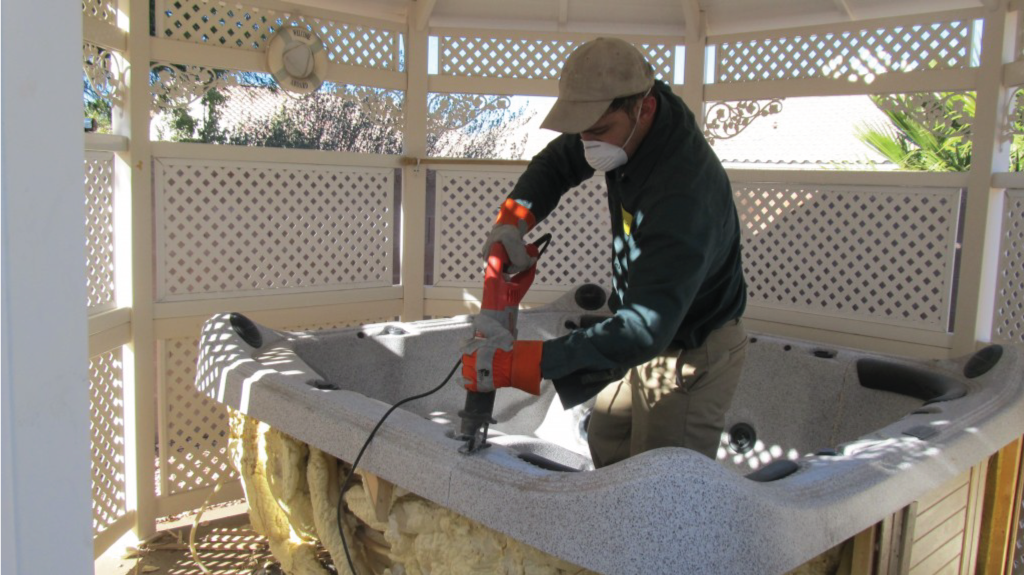
Fast does not mean careless. Have staff avoid lifting unknown bags, moving extremely heavy items alone, or handling sharp debris without proper protection. Watch for pest activity, water damage, mold-like conditions, exposed nails, broken glass, and damaged flooring under furniture.
It also helps to clear a route before the hauling crew arrives. Reserve parking when possible, unlock gates, communicate entry instructions, and let vendors know the removal window. In apartment communities with tight parking or stair access, a courtesy call before arrival gives your onsite team time to prepare the path.
If a unit has a major sanitation issue, illegal dumping, or a large amount of debris, do not try to make it a side job for one employee. Bring in enough labor to clear it safely and quickly. The goal is not simply to empty the space. The goal is to hand a clean, accessible unit to the next crew without creating new damage or delays.
Make Responsible Disposal Part of the Process
Rent-ready speed matters, but landfill waste matters too. Furniture, usable household goods, metal, cardboard, and certain appliances may have donation or recycling options depending on their condition and local acceptance requirements. A removal company that sorts materials for donation and recycling can reduce what goes to the landfill while still getting the property cleared on schedule.
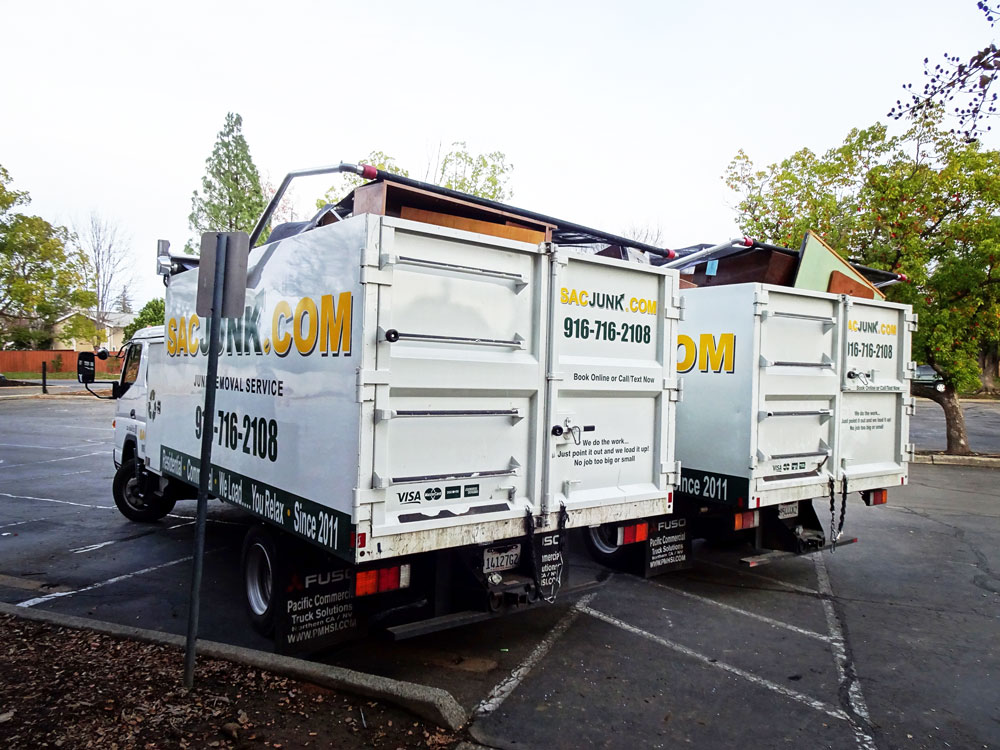
For Sacramento property managers, Sac Junk provides full-service removal for rental turnovers, from a single abandoned mattress to a full apartment, garage, or office cleanout. The crew handles the heavy lifting and provides an upfront on-site quote before work begins.
The next time a move-out leaves more than a few bags behind, treat cleanup as the first job in your turnover schedule. Get the unit documented, get the obstacles out of the way, and give every crew after that a clean place to work.