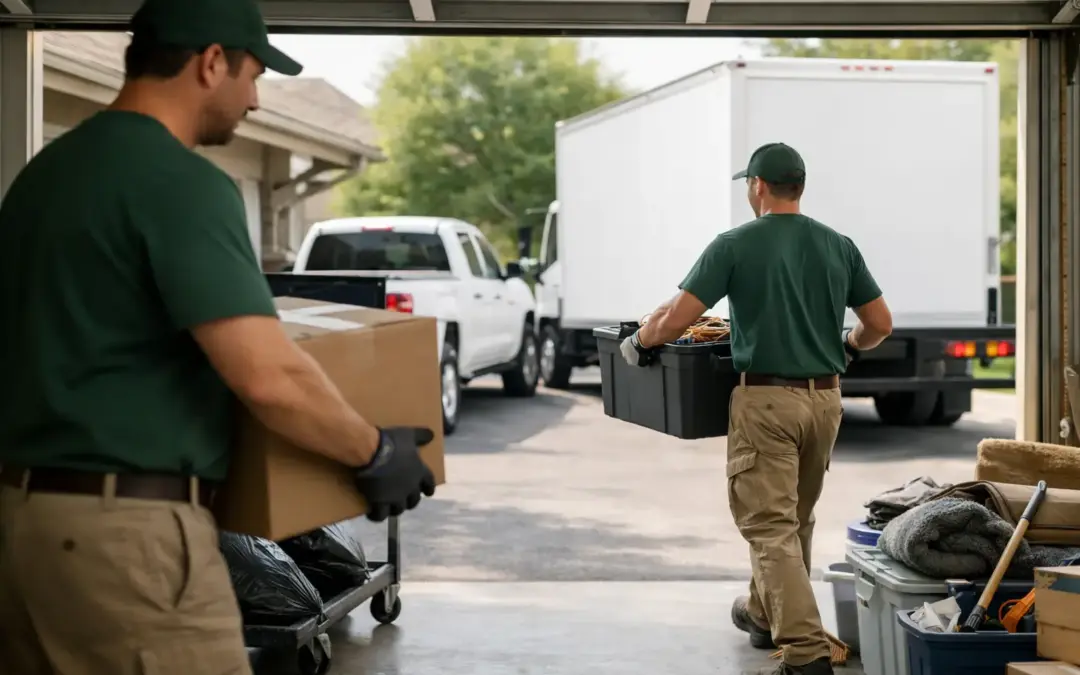
A garage can fill up one box, broken chair, and leftover project at a time until parking inside feels impossible. The best garage cleanout methods are not about making perfect piles or spending every weekend moving the same stuff around. They are about making quick decisions, clearing the largest obstacles first, and having a realistic plan for where everything goes.
For Sacramento homeowners, landlords, and property managers, the right approach depends on the size of the mess, the weight of the items, and how quickly the space needs to be usable again. A few storage bins can be handled in an afternoon. A garage packed with old furniture, appliances, construction debris, and years of household overflow may call for a full-service hauling crew.
Start With a Clear Finish Line
Before opening the first box, decide what a clean garage means for your property. Maybe you need room for two cars before the summer heat arrives. Maybe a tenant move-out left behind a garage full of junk. Or maybe you are preparing a home for sale and need the space to look larger and more functional.
That finish line keeps the project from turning into an organizing exercise with no actual removal. If an item will not serve a clear purpose in the garage after cleanup, it should be sold, donated, recycled, disposed of, or moved somewhere it belongs.
Set a realistic time limit as well. A homeowner with a lightly cluttered garage may get through the work in three or four hours. For a packed garage, do not assume one Saturday is enough. Breaking the job into a sorting day and a removal day often prevents burnout and keeps the driveway from becoming a second storage area.
Use the Best Garage Cleanout Methods in the Right Order
The most efficient cleanouts follow the physical layout of the garage. Start near the entrance and work inward, clearing a path wide enough to walk safely and move large items out without tripping over loose tools, cords, or boxes.
Begin with the obvious junk. Broken furniture, damaged cardboard, empty paint cans, worn-out mattresses, obsolete electronics, and items you have not used in years are usually easier to decide on than sentimental boxes. Removing those first creates visible progress and gives you space to sort what remains.
Next, group the rest by destination rather than trying to organize every item immediately. Make one area for items you are keeping, one for donations, one for recycling, and one for disposal. If you are selling items, keep that pile small and specific. A garage cleanout stalls fast when every old tool, chair, and mystery box gets assigned to a future online listing that never happens.
For most people, the practical rule is simple: if an item is worth the time to sell, list it within a few days. If not, move it to donation or removal. The goal is usable garage space, not another month of decision-making.
Deal With Heavy Items Early
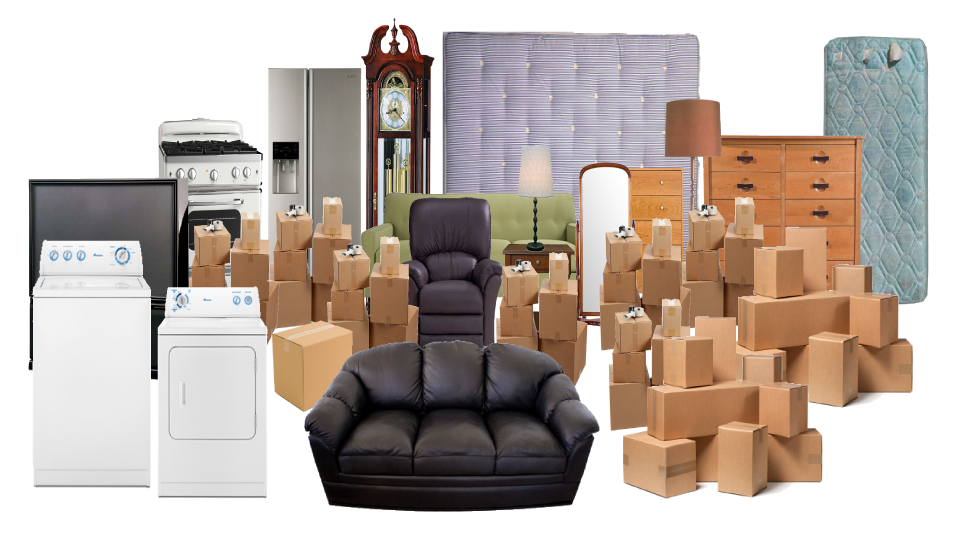
Large, awkward items set the pace for the whole project. Old refrigerators, washers, dryers, sectional sofas, mattresses, workbenches, and exercise equipment can block the exit and make every other task harder. They can also create a real injury risk when one person tries to drag them down a driveway or lift them into a pickup.
If you have help, plan the route before lifting anything. Measure narrow gates, doorways, and stairways. Remove loose shelves or doors from furniture when possible, and use proper lifting equipment for appliances and heavy equipment. Do not scrape a refrigerator across a finished floor or try to tip a loaded cabinet into a truck bed without enough hands.
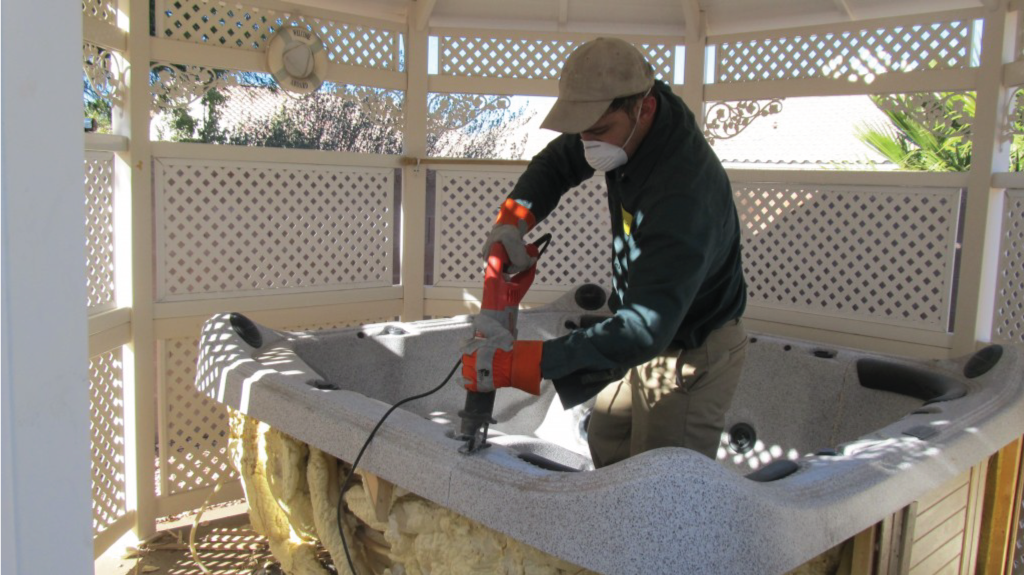
This is where full-service junk removal can save substantial time. A professional crew handles the lifting, loading, hauling, and final sweep-up, so you can focus on deciding what stays instead of figuring out how to move a 300-pound appliance.
Keep, Donate, Recycle, or Remove
A cleanout works best when every item gets one final destination. The keep pile should be limited to items you actively use, seasonal equipment, essential tools, and belongings with a designated storage spot. If the keep pile is still large enough to fill the garage, the sorting is not finished yet.
Donation is a good option for usable furniture, household goods, tools, sporting equipment, and other items in decent condition. Recycling may be available for metal, cardboard, electronics, and certain appliances. Separating these materials can reduce landfill waste and give usable items a second life.
Some materials need special handling and should not go into a standard junk pile. Hazardous products such as chemicals, motor oil, fuels, pesticides, batteries, propane tanks, and many paint products should be set aside for the appropriate local disposal program. If you are unsure whether something is hazardous, treat it carefully and check its label before moving it.
For everything else, avoid making multiple disposal trips if the load is large. Truck space disappears quickly once bulky furniture, bagged debris, and old shelving are involved. A volume-based junk removal service can be more practical than renting a dumpster or making repeated runs, especially when labor and loading are the hard part.
Do Not Organize Before You Declutter
One of the most common garage cleanout mistakes is buying shelves, totes, hooks, and storage cabinets before getting rid of unwanted items. New storage can make clutter look tidier, but it does not create parking space or solve an overloaded garage.
Remove first. Then measure the open space and choose storage that fits what you actually kept. Wall-mounted racks work well for bikes and yard tools. Clear, labeled bins make seasonal items easier to find. Cabinets can keep chemicals and small tools out of sight, provided they are stored safely and remain accessible.
Keep frequently used items between waist and shoulder height. Put holiday decorations, camping gear, and other occasional-use items higher up. Leave a clear walkway to the electrical panel, water heater, and any utility equipment. That small amount of planning makes the garage easier to maintain after the cleanout is done.
Choose DIY Cleanup or Full-Service Hauling
A do-it-yourself cleanup makes sense when the garage contains mostly light items, you have enough time, and you have a safe way to haul the materials away. It can be a good choice for a few boxes, small yard debris piles, or a quick seasonal reset.
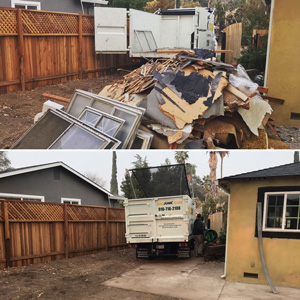
Full-service removal is often the better choice when the job involves heavy furniture, appliances, mattresses, renovation debris, large quantities of bagged junk, or a deadline. It also helps landlords and property managers who need a garage cleared between tenants without pulling maintenance staff away from other work.
Before booking any hauling service, ask how pricing is determined, whether labor is included, and what happens to reusable or recyclable materials. Clear answers matter. You should know the price before the crew begins loading, not after the truck is full.
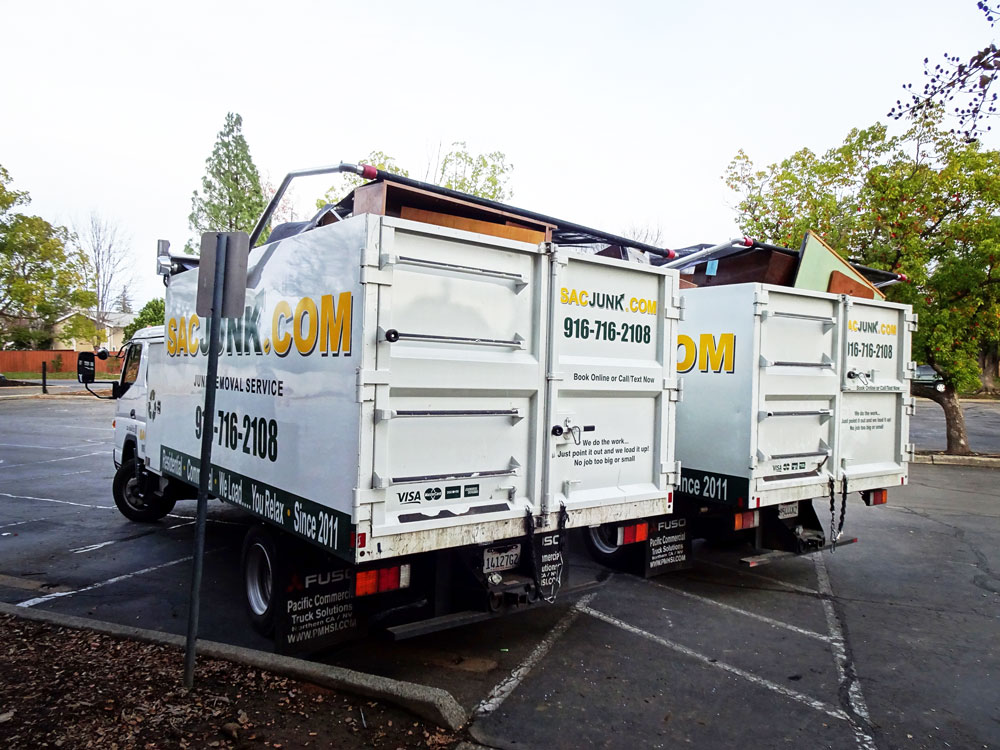
Sac Junk provides on-site quotes and handles the full load-out for garage cleanouts across Sacramento and nearby communities. That means no renting equipment, no recruiting friends for heavy lifting, and no guessing how to fit a garage full of junk into a personal vehicle.
Make the Clean Garage Stay Clean
The final step is not buying more containers. It is creating a simple rule for anything new that enters the garage. When a new tool, piece of equipment, or storage bin comes in, decide where it belongs immediately. If there is no place for it, something else may need to leave.
Schedule a short reset every few months. Fifteen minutes is often enough to break down cardboard, return tools, remove donation items, and stop small piles from becoming another major cleanout. If the garage is already past that point, clear the large stuff first, make firm decisions on the rest, and get the hauling help you need to reclaim the space.