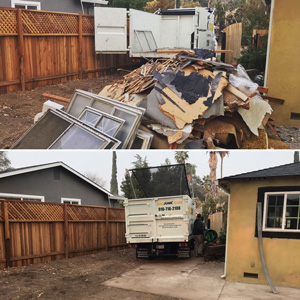
A garage cleanout can look like a simple Saturday project until the old couch will not fit through the side gate, the pickup bed fills after three items, and the local transfer station has separate rules for mattresses, appliances, and debris. That is where junk hauling versus self hauling becomes a real decision, not just a question of who owns a truck.
For some small loads, taking items yourself makes sense. For a packed rental, a heavy appliance, a yard full of debris, or a deadline-driven commercial cleanup, full-service removal can save far more than a few trips to the dump. The right choice comes down to the true cost of the job: time, labor, vehicle capacity, disposal fees, safety, and how quickly you need the space cleared.
Junk Hauling Versus Self Hauling: Start With the Real Job
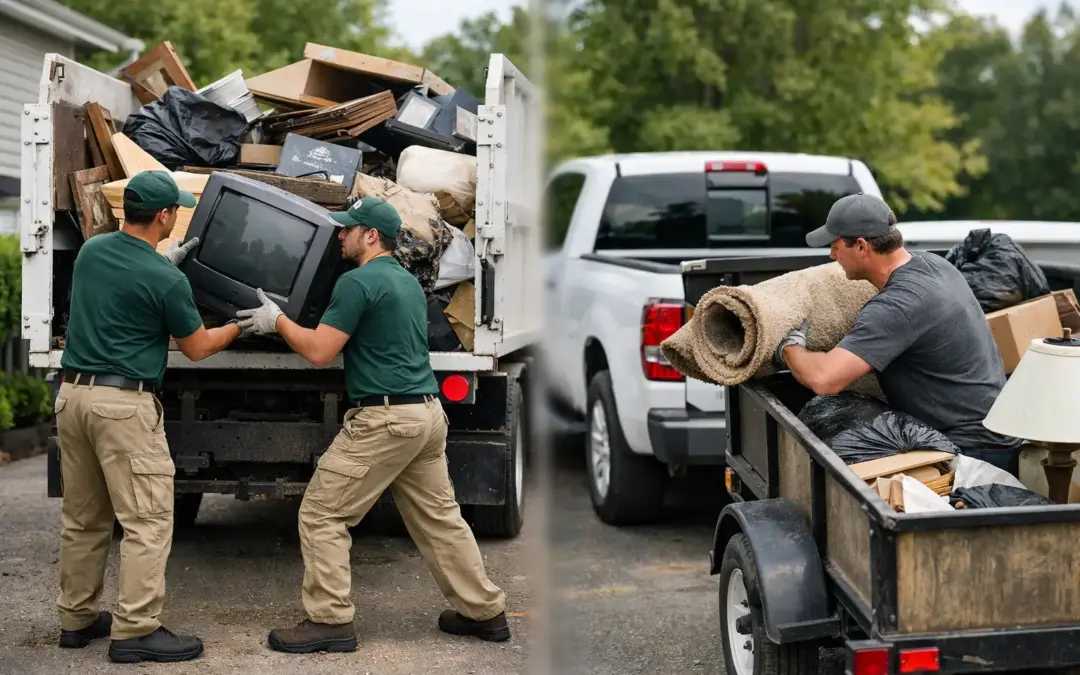
Self hauling means you sort the material, lift it, load it, secure it, transport it, unload it, and follow the disposal requirements at every stop. If you are clearing a few boxes, a small pile of branches, or items that fit safely in your vehicle, that can be a reasonable plan. You stay in control of the schedule and only pay for fuel and disposal.
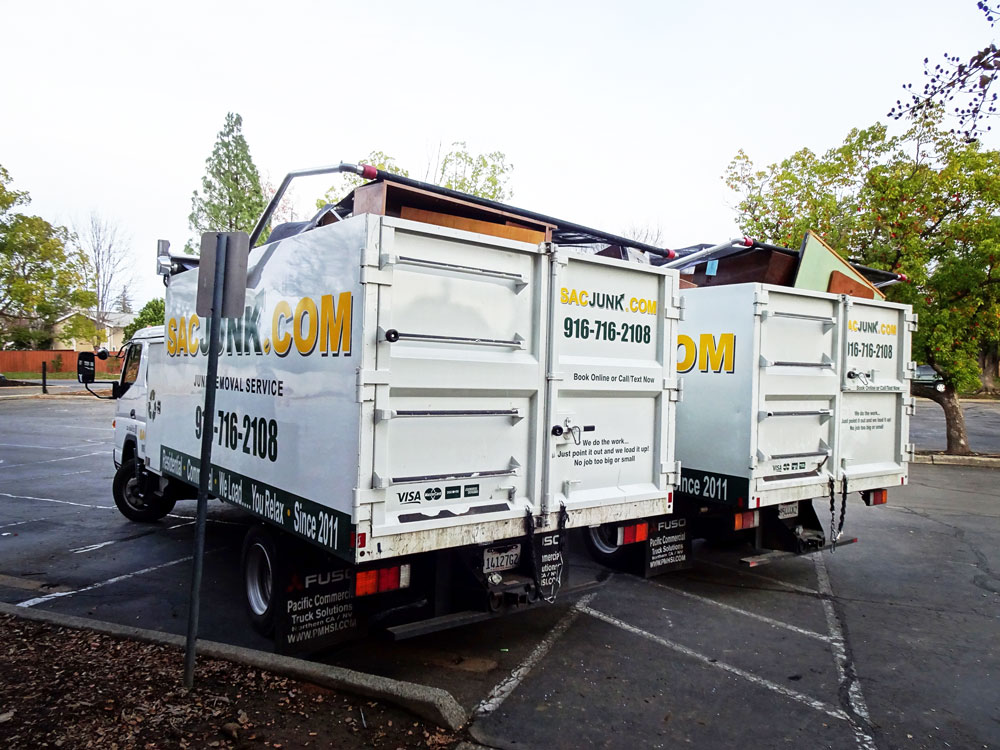
Junk hauling is a full-service option. A crew arrives, gives you an on-site quote, does the lifting and loading, hauls the material away, and leaves the area swept up. Pricing is typically based on how much truck space the junk uses, with labor included. That matters when the job involves more than a couple of manageable items.
Do not compare only the dump fee with the hauling quote. Compare the complete workload. A self-haul project can involve renting a truck, buying tie-downs, paying mileage, making multiple disposal runs, and spending hours loading and unloading. A professional crew bundles those moving parts into one appointment.
When Self Hauling Makes Sense
Self hauling is often the lower-cost route when the load is genuinely small and easy to manage. A few flattened boxes, bags of household clutter, light scrap, or trimmed branches may fit in a personal vehicle or pickup without creating a safety issue. It also works well when you have plenty of time and already know where each material needs to go.
The key word is manageable. A job is not a good DIY hauling project just because the items technically fit in a truck. You need enough people to lift safely, enough space to secure the load, and the ability to unload everything at the destination. An old recliner may be awkward but manageable. A sleeper sofa, refrigerator, hot tub, or waterlogged shed debris pile is a different class of work.
Self hauling can also be practical if you are already taking a trip to a proper disposal facility and your vehicle has open capacity. Just check the facility’s accepted materials before loading. Some locations have rules, fees, or limits for electronics, tires, mattresses, treated wood, construction debris, and appliances containing refrigerants.
The Costs People Forget to Add Up
The truck rental rate is rarely the final number. A self-haul cleanup may require a rental truck or trailer, fuel, mileage charges, insurance coverage, landfill or transfer-station fees, and extra time away from work or family. If a load is not secured correctly, you may also need tarps, straps, or other equipment before you can legally transport it.
Then there is the number of trips. One overloaded pickup load is not a bargain if it turns into three runs across town. Loading, driving, waiting at the facility, unloading, and returning home can consume most of a day. That is especially costly for landlords preparing a unit, contractors trying to keep a job site moving, or business owners who need warehouse space back quickly.
Professional junk removal is not always the cheapest option for a single lightweight item. But it can be the better value when the load is large, mixed, heavy, or located upstairs, behind a building, or at the far end of a property. You get a clear quote before work begins, and you avoid trying to estimate every separate cost yourself.
Heavy Items Change the Decision
The riskiest part of self hauling is usually not the drive. It is the lifting. Furniture can shift unexpectedly, appliances are heavier than they look, and bulky items are difficult to maneuver around corners, stairs, gates, and parked vehicles. One rushed lift can damage a wall, scratch flooring, strain a back, or turn a cleanout into an injury.
Think carefully before handling these items without trained help:
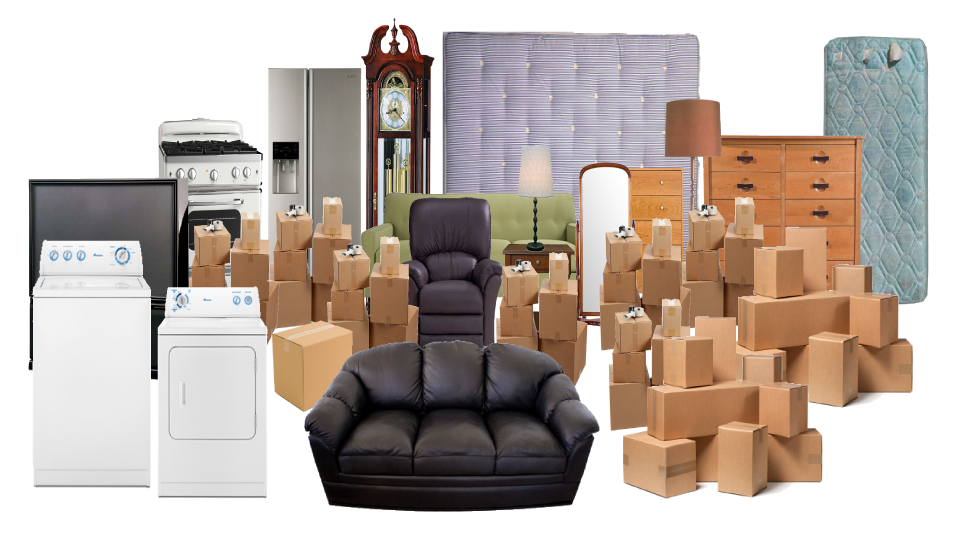
- Refrigerators, washers, dryers, and large freezers
- Sofas, sectionals, sleeper couches, and large entertainment centers
- Mattresses and box springs from upstairs rooms
- Old sheds, fencing, construction debris, and dense yard waste
- Office furniture, cubicles, warehouse material, and large commercial loads
A hauling crew brings the labor and vehicle capacity for these jobs. More importantly, the crew is used to planning the carry path, protecting the work area, and loading material efficiently. That is a major advantage when time is short or the item is too large to handle safely with friends or family.
Disposal Is More Complicated Than One Dump Run
Not all junk belongs in the same bin. Donations, recycling, e-waste processing, metal recovery, and landfill disposal may all be part of one cleanup. If you self haul, you are responsible for separating those streams and getting each item to the right place.
That is easy to overlook during a move-out or estate cleanout. You may have usable furniture, bags of clothing, broken electronics, paint cans, a damaged mattress, metal shelving, and ordinary trash in the same room. Hazardous materials should not be placed into a standard junk load, and they require their own approved disposal method. Common examples include chemicals, gasoline, propane tanks, paint, batteries, and certain automotive fluids.
A responsible hauling company can sort the non-hazardous items it takes for the best available destination. Sac Junk donates and recycles up to 60% of removed material when possible, helping keep usable goods and recyclable materials out of the landfill. That can save you the work of figuring out multiple drop-off locations on your own.
Time Pressure Usually Favors Full-Service Hauling
If you have a week to slowly clear a garage, self hauling may be fine. If you have a tenant turnover tomorrow, a home sale inspection coming up, a renovation crew waiting, or an office that needs to reopen, the calculation changes fast.
Full-service junk removal is built for jobs with a deadline. You book the pickup, receive a courtesy call before the crew arrives, approve the on-site price, and point out what needs to go. The crew handles the rest. There is no rental counter, no loading crew to organize, and no afternoon spent making disposal runs.
For Sacramento property managers and landlords, that speed can help turn a vacant or problem property back into usable space. For homeowners, it can mean clearing the garage before a move rather than living around a growing pile for another month. For contractors, it keeps debris from slowing the next phase of work.
A Simple Way to Choose
Self haul if the load is small, light, easy to secure, and accepted at a disposal facility you can reach without multiple trips. It is also a good fit when you have the right vehicle, enough help, and the time to do the job carefully.
Choose professional junk hauling when you are dealing with volume, heavy lifting, stairs, mixed materials, a tight timeline, or a property that needs to be cleared in one visit. The same applies when you do not want to risk damage to your vehicle or your back just to avoid a service call.
Before deciding, walk the area and count more than the obvious large items. Include bags, loose debris, items in closets, material behind the shed, and everything that will need to be swept up afterward. A cleanup that looks like one truckload from the driveway can be much bigger once you start moving things.
If the job is already taking up your weekend before you have lifted the first box, it may be time to let a local crew carry the load.