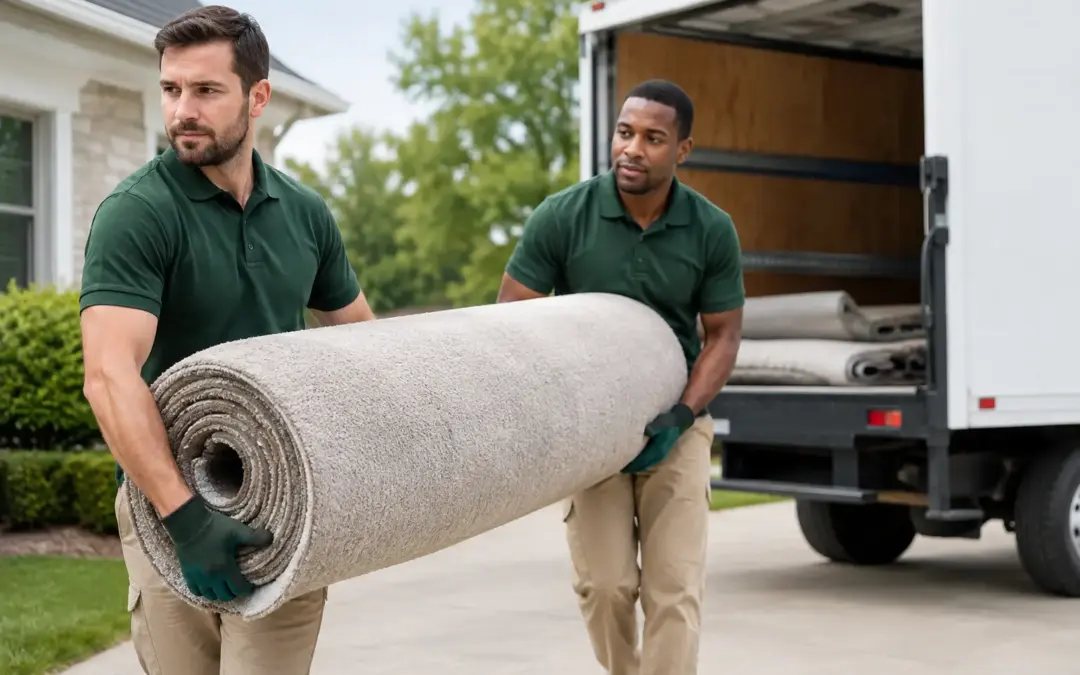
That old carpet gets a lot heavier once it is rolled up, dirty, and sitting in the hallway while a new floor is waiting to go in. The best methods for carpet disposal depend on its condition, how much you have, and whether you can safely move it. For most Sacramento homeowners, landlords, and contractors, the right answer comes down to separating reusable material from true waste, then choosing the removal option that will not slow down the job.
Carpet is not as simple as tossing out a few bags of household trash. It can hold years of dust, pet hair, odors, moisture, and allergens. The rolls are awkward, the padding adds volume, and tack strips can cause injuries if they are handled carelessly. A little planning keeps the cleanup moving and gives reusable materials their best chance of staying out of the landfill.
Best Methods for Carpet Disposal, Based on Condition
Start by looking honestly at the carpet. A clean, dry piece that was recently installed may have a second use. Carpet that is stained, moldy, water-damaged, infested, or heavily worn is generally disposal material. Do not spend time trying to donate flooring that a reuse organization cannot safely accept.
Donate clean, usable carpet remnants
Large remnants can be useful for garages, workshops, storage sheds, pet areas, play spaces, or small room projects. If the carpet is clean and odor-free, a local nonprofit, reuse center, school theater program, animal rescue, or community group may be able to use it. New or lightly used remnants are much more likely to be accepted than carpet pulled from a busy living room.
Call before loading it up. Many donation sites have strict rules about used flooring, dimensions, stains, and odors. Roll the carpet tightly, secure it with twine or tape, and share the approximate size when you ask. Padding is usually not accepted as a donation, even when the carpet itself is in good shape.
Recycle carpet when a local facility accepts it
Some carpet can be broken down and recycled, particularly certain synthetic fibers and clean carpet material from renovation jobs. Recycling is a good route when the material is dry and the local facility is equipped to accept it. It is not automatic, though. Facilities may have rules about fiber type, backing, contamination, roll size, minimum quantities, or whether padding must be separated first.
Before you make a trip, confirm that the facility accepts residential or commercial carpet from the public. Ask whether you need to remove tack strips, nails, adhesive, padding, and debris. A recycling trip can be worth the effort for a larger cleanout, but it may not make sense for one wet, dirty roll from a bedroom.
Use a transfer station or landfill for damaged carpet
When carpet has mold, pet contamination, flood damage, pest activity, or deep-set odors, disposal is usually the responsible choice. The same goes for brittle carpet that falls apart as you lift it. Most transfer stations and landfill facilities treat old carpet as bulky construction or household waste, not regular curbside trash.
This option works well if you already have a truck, can load safely, and have a place that accepts the material nearby. Keep in mind that carpet disposal fees are often based on weight, load type, or minimum charges. The drive, unloading time, and cleanup can add up fast when you are dealing with several rooms.
Schedule full-service junk removal for the fastest clearout
Full-service removal is often the best option when the carpet is already out, the rolls are too heavy to manage, or the project has more than flooring involved. A crew can remove carpet, padding, tack strips, old furniture, renovation debris, and other unwanted items in one visit. That is especially useful for rental turnovers, estate cleanouts, office updates, and move-out deadlines.
With a local hauling service such as Sac Junk, you approve the price on-site before the work begins, then the crew handles the lifting, loading, hauling, and final sweep-up. Pricing is typically based on how much space the material takes in the truck, which can be more practical than making multiple disposal runs yourself. It also means you do not need to find a truck, protect it from dirt and odors, or wrestle a heavy carpet roll down a flight of stairs.
Prepare Old Carpet for Safe Removal
The easier you make the carpet to handle, the smoother disposal will be. If you are removing it yourself, wear gloves, long sleeves, closed-toe shoes, and a dust mask, especially with older carpet. Tack strips are sharp, staples hide in the padding, and dust can become airborne quickly once the flooring is disturbed.
For a manageable cleanup, follow these basics:
- Cut carpet into strips about 3 to 4 feet wide instead of trying to carry an entire room in one roll.
- Roll each strip tightly and secure it so it does not spring open during transport.
- Remove padding separately when possible because it is lighter, bulkier, and may have different disposal rules.
- Pull out exposed tack strips and place nails, staples, and sharp pieces in a sturdy container.
Do not cut directly into the subfloor. Slow down near doorways, seams, and walls where staples and trim are common. If the carpet was affected by moisture, wear extra protection and bag loose debris rather than shaking it out in the house.
Know when not to handle it yourself
A small bedroom with dry carpet may be a realistic DIY job. A whole-house replacement is different. Wet carpet becomes surprisingly heavy, and carpet from older buildings may conceal damaged subflooring, pest debris, or sharp fasteners. If you have a bad back, limited help, a narrow staircase, or a short deadline, hauling it yourself can turn a simple flooring project into the hard part.
Property managers and contractors also need to consider labor time. A maintenance crew that spends half a day cutting, loading, driving, unloading, and returning has lost time that could have gone toward repairs or turnover work. Paying for removal can be the lower-cost choice once labor, dump fees, vehicle use, and schedule delays are counted.
Avoid Common Carpet Disposal Mistakes
Putting full rolls beside the curb is a common mistake. Most residential trash service will not take bulky carpet with normal collection, and leaving it out can create a neighborhood eyesore or code issue. Check your local bulky-item rules before assuming pickup is included.
Another problem is mixing carpet with hazardous materials. Carpet itself is generally non-hazardous, but paint cans, chemicals, batteries, solvents, and other restricted items should never be hidden in a carpet roll or loaded into a junk pile without disclosure. Keep those materials separate and use the proper disposal channel.
Do not assume every old carpet can be recycled, either. Recycling is a strong option when the material qualifies, but contamination can make it unusable. Being clear about the condition of the carpet saves time and helps the removal crew or receiving facility direct it properly.
What About Carpet Padding and Tack Strips?
Treat padding as its own material. Foam padding may be light, but it can be dirty, crumbly, and bulky. It is usually best to bag or roll it separately from the carpet. Rubber-backed padding can be especially heavy and may require a different disposal approach depending on the facility.
Tack strips, nails, staples, and transition pieces should be gathered carefully. Use a pry bar and gloves, then place sharp debris in a rigid box, bucket, or container that will not tear. If you are booking junk removal, tell the crew that the load includes flooring hardware so they can plan for safe handling.
Choose the Option That Keeps Your Project Moving
Donation and recycling are worth pursuing when the carpet is clean, dry, and accepted locally. Self-hauling works when you have the vehicle, physical ability, and time to make the run. For large, dirty, heavy, or deadline-driven jobs, full-service removal takes the burden off your crew, your vehicle, and your schedule.
Once the old carpet is out of the way, you can focus on the part of the project you actually want to see: a clean subfloor, an open room, and space ready for what comes next.