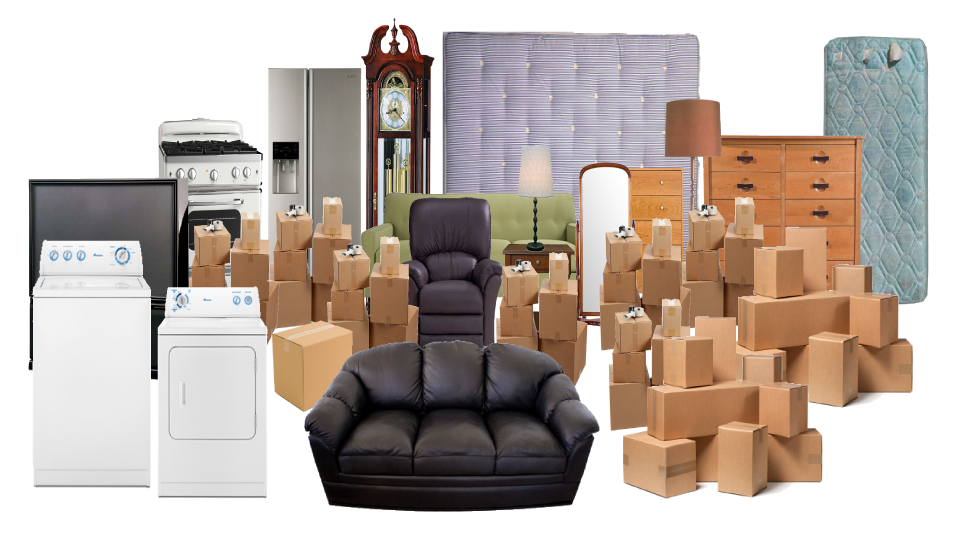
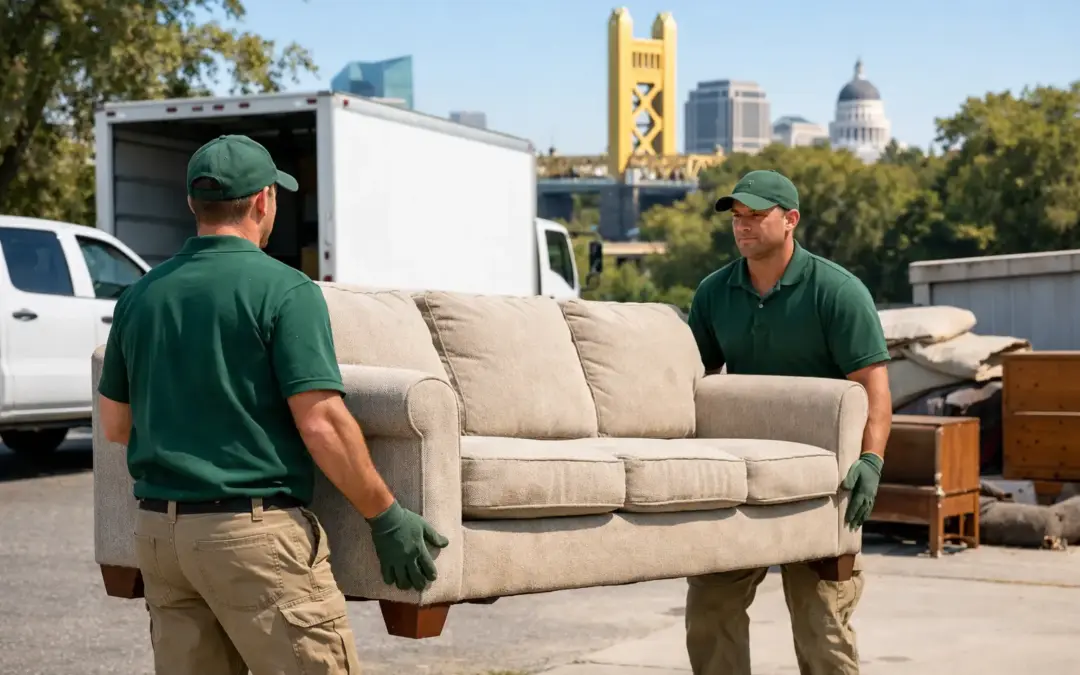
That sagging couch in the garage, broken dresser at a rental, or stack of office chairs after a move can take up far more space than expected. The best ways to dispose of furniture depend on its condition, how quickly you need it gone, and whether you can safely move it. A clean, usable dining table deserves a different plan than a water-damaged mattress or a sectional that will not fit through the door.
For Sacramento homeowners, landlords, contractors, and business owners, the goal is usually simple: clear the space without wasting a weekend, risking an injury, or leaving items at the curb where they can create a problem. Here is how to choose the right furniture disposal option.
1. Donate Furniture That Is Clean and Usable
Donation is one of the best options when furniture is structurally sound, clean, and ready for someone else to use. Think solid wood tables, working desks, gently used chairs, dressers with functioning drawers, and couches without major stains, tears, odors, or pet damage.
Before arranging a donation, inspect the item honestly. Many organizations cannot accept furniture with rips, excessive wear, smoke odor, mold, broken frames, missing hardware, or evidence of pests. Mattresses are often subject to stricter rules for health and sanitation reasons.
Donation can keep usable items in circulation and reduce landfill waste, but it is not always the fastest route. Some organizations have limited pickup schedules, item restrictions, or long wait times. If you are handling a move-out, estate cleanout, or rental turnover on a deadline, waiting for a donation pickup may not be practical.
2. Sell Furniture When Time Is Not the Priority
Selling can make sense for higher-quality pieces that still have clear value. Solid wood bedroom sets, designer furniture, newer patio sets, matching office desks, and clean appliances often attract buyers. A few well-lit photos, accurate measurements, and an honest description can help an item move quickly.
The trade-off is effort. You need to answer messages, coordinate pickups, deal with no-shows, and possibly help buyers load heavy items. That may be worthwhile for a valuable piece, but it is often not the best use of time for a worn sofa, bulky entertainment center, or a house full of mixed furniture.
Safety matters, too. Avoid moving large furniture alone, and be careful about inviting strangers into an occupied home or vacant rental. If the item does not sell within a reasonable window, it may be better to move on to donation, recycling, or professional removal rather than letting it hold up the cleanup.
3. Use Curbside or Local Bulky-Item Programs
Some local waste providers offer bulky-item collection for residents. This can be a good low-cost option when you have a few accepted items, can wait for the scheduled date, and are able to get everything safely to the pickup location.
Check the rules before putting furniture outside. Programs can limit the number of items, require advance scheduling, exclude certain materials, or specify exactly where items must be placed. Apartments, commercial properties, and multi-unit rentals may have different requirements than single-family homes.
Curbside pickup also puts the lifting on you. A recliner, sleeper sofa, armoire, or large desk can be awkward and dangerous to move down stairs, through narrow halls, or across a sloped driveway. If you do not have enough help, the cheapest disposal route can become the most expensive when someone gets hurt or property gets damaged.
4. Recycle Furniture Materials When They Can Be Separated
Furniture is not one material. A desk may contain wood, metal, plastic, glass, and hardware. A couch can include fabric, foam, wood framing, springs, and plastic components. Recycling is often possible for parts of an item, especially scrap metal, clean wood, and certain rigid plastics.
The challenge is sorting and transportation. Disassembling furniture takes time and tools, and not every recycling facility accepts every material. Particleboard, upholstered furniture, laminate pieces, contaminated items, and broken composite materials may have limited recycling options.
Recycling makes the most sense when you already have materials separated during a renovation, office cleanout, or warehouse cleanup. For one oversized, mixed-material item, full-service removal is usually more practical because a crew can haul it away and sort reusable and recyclable materials as part of the disposal process.
5. Schedule Full-Service Furniture Removal for Heavy or Urgent Jobs
For most people, professional junk removal is the easiest answer when furniture is bulky, damaged, numerous, or difficult to move. You point out what needs to go, approve the price, and the crew handles the lifting, loading, hauling, and basic cleanup of the area.
This option is especially useful for:
- Couches, sectionals, recliners, and sleeper sofas
- Mattresses, bed frames, dressers, and oversized armoires
- Office desks, cubicles, filing cabinets, and conference tables
- Rental move-outs, estate cleanouts, and foreclosure cleanups
- Furniture mixed with boxes, appliances, yard debris, or general junk
A full-service crew saves more than a trip to the dump. It saves you from finding enough people to lift safely, renting a truck, protecting walls and floors, securing a load, and figuring out disposal rules. For landlords and property managers, it also keeps turnover work moving when a unit needs to be ready for the next tenant.
Sac Junk provides furniture removal throughout Sacramento and nearby communities with labor included and volume-based pricing. You receive a quote on-site before work begins, then the crew does the loading and hauling so you can get the room, unit, office, or garage back in order.
6. Handle Mattresses and Upholstered Furniture Carefully
Mattresses, box springs, upholstered chairs, and couches require extra attention. If the item is clean and in good condition, donation may be possible in some cases. If it is stained, torn, wet, moldy, or has bed bug concerns, donation is usually off the table.
Do not leave mattresses or upholstered furniture near a dumpster or curb for extended periods. Rain can make them heavier and harder to handle, while exposed items can attract pests and create a visual mess at a property. For apartment complexes and rentals, abandoned furniture can also block walkways, take up dumpster space, and lead to complaints.
Professional pickup is often the cleanest choice for these items, particularly when you need them removed from an upstairs room, narrow hallway, or occupied building without dragging them through common areas.
7. Plan Ahead for Office and Commercial Furniture
Commercial furniture disposal has different challenges than clearing a single room at home. Offices may have cubicles, workstations, chairs, filing cabinets, breakroom tables, shelving, and electronics all leaving at once. Warehouses and retail spaces can have damaged pallets, fixtures, display furniture, and large quantities of debris mixed together.
Start by separating anything the business plans to keep, sell, relocate, or donate. Then identify items that need to be removed quickly so a new tenant, construction crew, or incoming equipment is not delayed. If there are access restrictions, loading docks, elevators, security procedures, or after-hours requirements, communicate those details before the crew arrives.
The right hauling team can clear a commercial space efficiently while keeping the job organized. That is particularly valuable when downtime costs money or a lease deadline is approaching.
8. Never Dump Furniture Illegally
Abandoning furniture in an alley, vacant lot, apartment dumpster, or roadside area is not a shortcut. It can lead to fines, property complaints, pest issues, and extra cleanup costs for neighbors or property owners. Dumpsters also have rules, and using one without permission can create problems for both the person disposing of the item and the business or property that owns the container.
If you are unsure whether an item can go in your regular trash, contact your waste provider or arrange proper removal. The few minutes spent choosing a legitimate option are worth avoiding a much larger headache.
How to Pick the Right Furniture Disposal Method
Start with three questions: Is the furniture usable? Can you move it safely? How soon does the space need to be cleared? Donation and selling work best for clean, functional items when you have time. Curbside programs can work for a small number of approved items if you can handle the lifting. Recycling is useful when materials are already separated or accepted locally.
When furniture is broken, oversized, upstairs, mixed with other junk, or needed gone fast, full-service removal is usually the straightforward choice. You should not have to recruit friends, rent a truck, or make multiple disposal trips just to reclaim a room.
Clear the piece that is blocking your next step first. Whether that is a couch before moving day, a dresser after a tenant move-out, or rows of old desks before an office reset, getting it out of the way creates the space to move forward.