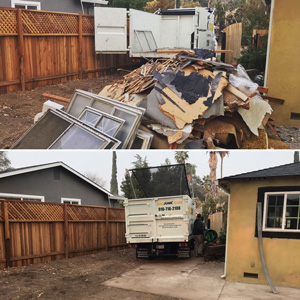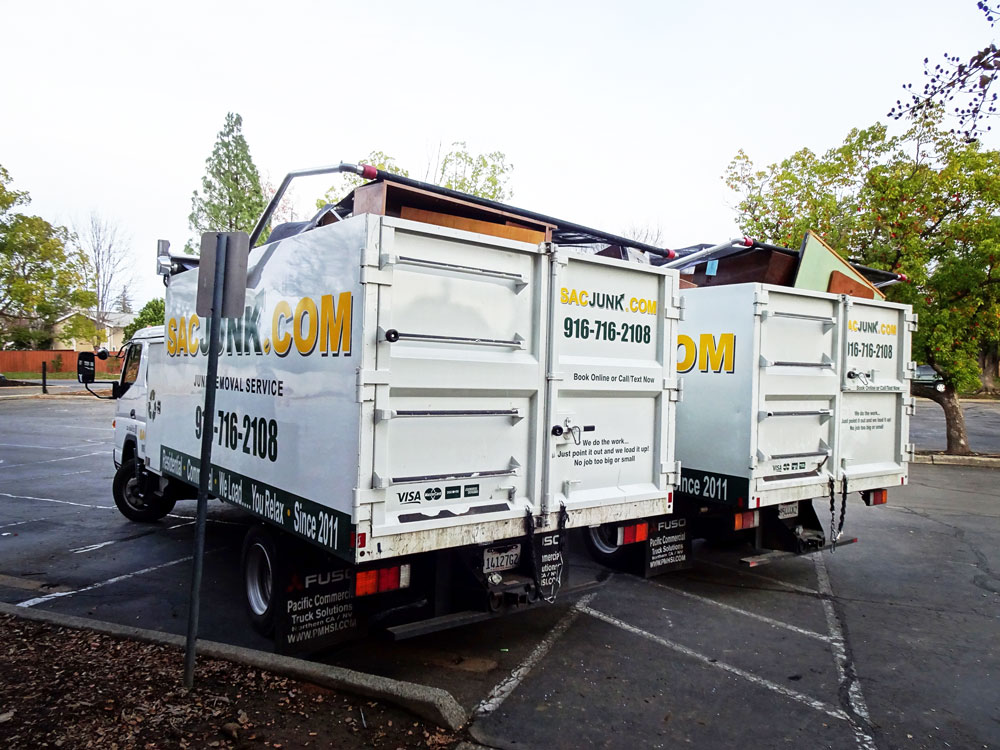

A junk removal quote should answer one simple question before anyone starts loading: what will this job cost? This volume pricing review explains why truck-space pricing is often the clearest way to price a pickup, cleanout, or hauling job when the pile is too big, too heavy, or too mixed up for a flat rate to make sense.
For homeowners, landlords, contractors, and businesses, the real value is not just getting junk out of the way. It is knowing the crew will handle the lifting, loading, hauling, and basic cleanup without surprise labor charges appearing after the work is done.
How volume-based junk pricing works
Volume pricing means your price is based mainly on how much space your unwanted material takes up in a junk removal truck. A few boxes and a small chair use far less truck capacity than a garage full of furniture, bagged debris, shelving, and old appliances. The quote reflects that difference.
At an on-site estimate, the crew looks at the full load, identifies items that may require special handling, and tells you the price before removal begins. You approve the quote first. If the price does not work for you, you are not obligated to move forward.
This approach is useful because most junk jobs are not neat, predictable piles. A move-out may include mattresses, broken furniture, clothes, kitchen items, and garage clutter. A rental turnover may have abandoned belongings spread across several rooms. A warehouse cleanup may combine pallets, office furniture, packaging, and scrap material. Pricing each item one by one can become slow and confusing. Pricing by the truck space needed keeps the estimate tied to the actual job.
Volume pricing review: what should be included
A fair volume quote should cover the work required to remove the items, not merely the right to put them in a truck. When comparing junk removal estimates, ask what happens after the crew arrives and whether labor is included from the start.
With full-service removal, the crew does the physical work. That includes carrying items from inside the home, garage, yard, office, storage area, or job site; loading the truck; hauling the material away; and sweeping up the immediate area afterward. You should not need to drag a sectional to the curb, break down a desk, or recruit friends to lift an old refrigerator.
The quote may also reflect practical job conditions. For example, a clear driveway with easy access is different from a third-floor apartment with no elevator. A few loose branches are different from a backyard packed with wet soil, fencing, and heavy yard waste. Honest pricing accounts for the amount of material and the labor needed to safely remove it.
That does not mean every job costs the same simply because it fills a similar amount of truck space. Some materials have disposal requirements or higher handling costs. Appliances, mattresses, tires, electronics, and certain construction materials can require different processing than general household clutter. A professional crew should explain those factors clearly instead of burying them in vague fees.
Why an on-site quote is better than a guess
Photos and descriptions are helpful when scheduling, but they cannot always show the full scope of a removal job. A picture of a garage may not reveal what is behind the front row of boxes. A photo of a couch may not show a stairway, narrow hallway, or additional furniture waiting in another room.
An on-site quote gives you a real number based on what needs to go. It also gives you a chance to point out everything you want removed before loading starts. That matters when you are clearing a property on a deadline and do not want to discover later that a shed corner, side yard, or storage closet was left out of the estimate.
For Sacramento-area customers, this is especially helpful during rental turnovers, estate cleanouts, renovation projects, and last-minute move-outs. The job can change quickly. An experienced local crew can assess the load, explain the price, and get to work once you approve it.
When volume pricing is the right fit
Volume-based pricing works best when you have a mixed load or a larger amount of material. It is a practical fit for garage cleanouts, furniture removal, yard debris pickup, office cleanouts, tenant move-outs, storage unit cleanouts, and warehouse hauling.
It is also useful when you do not know exactly how much junk you have. Many people start with a single room and then realize the garage, patio, closets, or backyard need attention too. A volume estimate lets the crew price the load as it stands instead of forcing you to build an exact itemized inventory before you call.
A flat per-item price can make more sense for a very simple job, such as removing one couch or one appliance with easy access. But once several items are involved, per-item pricing can become harder to follow. The customer may be left wondering whether every bag, box, chair, and loose piece of debris carries another charge. For a full cleanout, truck-volume pricing is often more straightforward.
How to get the most accurate junk removal estimate
You do not need to organize every item before requesting a quote, but a little preparation helps the process move faster. If there are items you plan to keep, separate them or clearly point them out. Let the crew know about heavy pieces, upstairs items, locked gates, narrow access points, or material located behind the house.
Try to show the entire load at once. If you have junk in the garage, backyard, and an upstairs bedroom, mention all three areas. The crew can then provide one accurate quote based on the complete job rather than stopping midway to reprice added material.
Be direct about timing, too. If you need a property cleared before new tenants arrive, before a construction crew starts, or before a home sale closes, say so when booking. Fast service is easier to deliver when the team understands the deadline and the size of the job from the beginning.
Watch for pricing that is unclear
The lowest number over the phone is not always the lowest final bill. Be cautious if a company will not explain whether labor, hauling, and disposal are included. You should also be wary of estimates that sound unusually cheap but are not confirmed after the crew sees the job.
A good quote is specific enough to make a decision. You should know the truck volume being priced, what work is included, and whether any special items affect the total. Clear communication protects both sides: you know what you are paying, and the crew knows what it is being asked to remove.
At Sac Junk, the goal is simple: give customers a clear on-site price before the work begins, then handle the heavy lifting from start to finish. Usable items may be donated and recyclable materials sorted when possible, helping keep more material out of the landfill without adding more work to your day.
If clutter is taking up space you need back, do not spend the weekend guessing at disposal runs, truck rentals, or landfill fees. Get the pile seen, get the price approved, and let a working crew turn that crowded space into a usable one again.