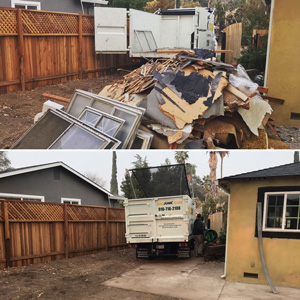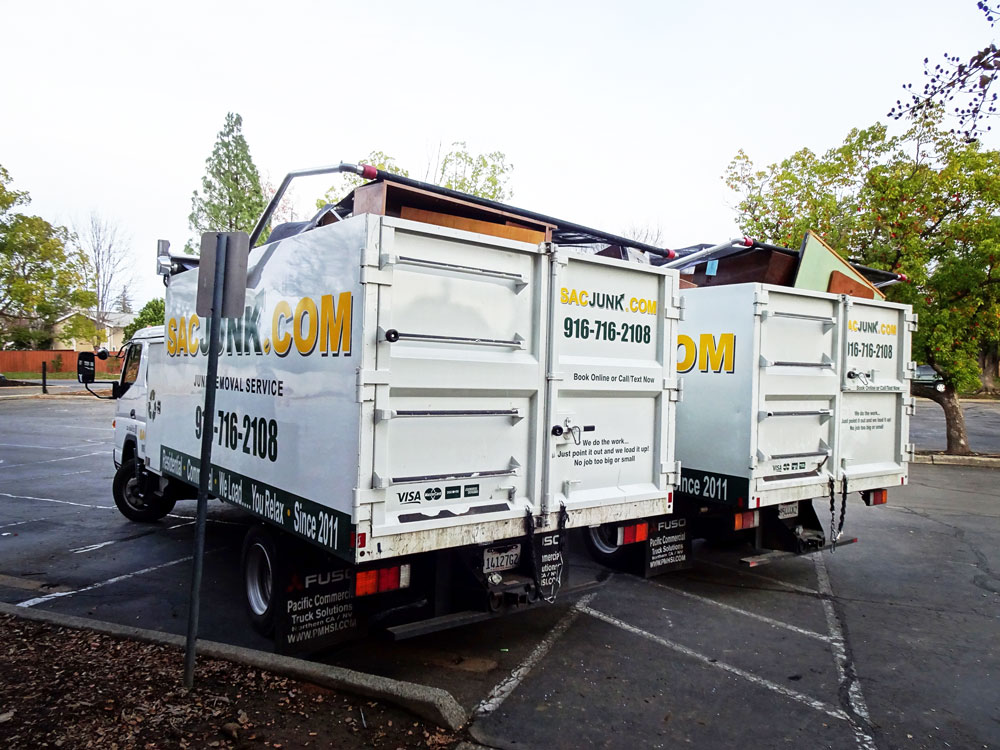

A pile of junk can look manageable until you start figuring out who will lift it, where it will go, and how many trips it will take. This Sacramento volume pricing guide explains the straightforward approach: your price is based mainly on how much space your items take up in the truck, with the lifting, loading, hauling, and standard disposal work included.
That means you are not paying by the minute while a crew works, and you do not have to rent a dumpster, borrow a truck, or make repeated dump runs. For homeowners clearing a garage, landlords handling a move-out, or contractors cleaning a job site, volume pricing keeps the conversation focused on the actual amount of material that needs to go.
How Volume-Based Junk Removal Pricing Works
Volume pricing measures the portion of a junk removal truck your load fills. A few bags, boxes, or a single chair may take up a small amount of space. A garage cleanout, office furniture removal, or a shed full of old belongings may fill a large section of the truck or require a full load.
The crew reviews the items in person before work begins and provides an upfront quote. You decide whether to approve it. Once approved, the crew does the heavy lifting, loading, hauling, and a basic sweep-up of the cleared area.
This model works well because junk comes in all shapes and sizes. Two customers may both have a “pickup load,” but one has lightweight moving boxes while the other has a sleeper sofa, broken appliances, and dense construction debris. Pricing by truck space gives a more realistic starting point than charging one flat rate for every job.
What Is Usually Included in Your Quote
A proper volume quote should cover more than the space in the truck. Full-service junk removal is designed to take the physical work off your plate, so labor is a major part of the service.
Your quote generally includes the crew, lifting and carrying, loading, transportation, and disposal or processing of accepted non-hazardous materials. If items are in a garage, backyard, upstairs room, office suite, storage area, or warehouse, the crew handles the work of getting them out. You do not need to drag everything to the curb unless you want to.
That is the value behind a volume-based quote. A rental dumpster may look less expensive at first, but it leaves you with the loading, the timing, and the risk of ordering the wrong size. A truck rental adds driving, fuel, disposal fees, and the labor of loading heavy items safely. With a full-service crew, the job is handled from pickup to cleanup.
Sacramento Volume Pricing Guide: What Changes the Price
Truck space is the foundation, but a few details can affect the final quote. The goal is not to surprise you with add-ons. It is to account for materials that require more handling, special disposal, or substantially more truck capacity.
The amount of truck space
This is the biggest factor. A single mattress, a few old dining chairs, and several bags of household clutter use far less truck space than a complete apartment cleanout. If you are adding items while preparing for pickup, let the crew know before they begin so the quote can reflect the actual load.
Material weight and density
Volume and weight are not the same thing. A truck section packed with cardboard is very different from the same space filled with concrete, dirt, roofing material, tile, or wet yard waste. Dense debris can increase disposal costs and may limit how much can be safely loaded in one trip.
For renovation debris or landscaping material, separating heavy material from lighter junk can help the crew assess the job accurately. It also gives you a clearer explanation of what is driving the price.
Special handling needs
Most household and commercial junk is easy to identify and load. Some items need extra planning because they are oversized, awkward, or require disassembly. A large sectional, heavy entertainment center, cubicle system, hot tub, shed, or commercial fixture may take more labor than ordinary loose clutter.
Access matters, too. A ground-level pile near the driveway is usually faster to load than items spread through several floors, a long backyard, or a building with limited elevator access. This does not mean difficult access automatically makes a job expensive. It simply helps the crew plan the right people, equipment, and truck space.
Disposal requirements
Junk removal companies cannot take every item. Hazardous materials such as chemicals, paint, gasoline, propane tanks, explosives, and certain automotive fluids need specialized disposal routes. These items should be identified before scheduling so you can receive the right guidance.
Some accepted items can also carry separate processing considerations, including certain appliances, tires, e-waste, or unusually heavy debris. Asking about these items when you book prevents confusion on pickup day.
How to Estimate Your Load Before Pickup
You do not need to measure every box or guess a perfect truck fraction. A quick, honest overview is enough to get the process moving. Start by grouping what you have into a few broad categories: furniture, bagged trash, boxes, appliances, yard debris, and construction materials.
Photos are especially helpful when you are requesting an estimate. Take wide shots that show the full pile, then include a few closer photos of large or heavy items. If junk is in multiple areas, photograph each area. A garage, side yard, spare bedroom, and storage closet can add up quickly when only one of them is shown.
Try not to hide items behind other items or leave a major piece out of the description. If an old refrigerator, mattress, desk, or pile of drywall is part of the job, include it. Accurate information leads to a more useful estimate and a faster pickup.
Why an On-Site Quote Protects You
A photo estimate is useful, but an on-site quote is where the job becomes clear. Crews can see the actual volume, identify dense materials, confirm access, and make sure all requested items are included. You receive the final price before the loading begins.
This is better than accepting a low quote that changes after the truck arrives. The lowest number is not always the best deal if it excludes labor, dump fees, stairs, or the items you actually need removed. A clear quote should tell you what is being hauled and what the crew will do.
At Sac Junk, the crew gives customers the chance to approve the quote on-site before removal starts. That keeps control where it belongs: with the customer.
Ways to Keep Your Junk Removal Cost Under Control
The easiest way to manage the price is to be intentional about what goes in the load. Pull aside items you plan to keep before the crew arrives. Mark anything that stays, especially if you are clearing a packed garage, rental unit, or storage space.
If you have usable items you want to donate yourself, set those aside as well. For the remaining junk, combine everything you want removed into one accessible area when practical. A single complete pickup is often more efficient than scheduling several small trips.
You can also avoid paying to haul materials that belong in your regular trash or recycling bin. That said, do not overload household bins or create an unsafe pile just to reduce a junk load. Convenience has value, particularly when the items are bulky, heavy, or time-sensitive.
When Volume Pricing Makes the Most Sense
Volume pricing is a strong fit when the load is mixed and the job includes labor. It works particularly well for estate cleanouts, tenant turnovers, garage cleanouts, office furniture removal, yard debris, warehouse cleanup, and post-renovation hauling.
It may be less straightforward for a single item that has a specialized disposal requirement or for extremely dense debris. In those cases, the crew can explain whether the item has a separate handling cost or whether another service is a better fit.
The key is to look beyond the truck space alone. You are paying for a crew to show up, do the lifting safely, haul the load away, and leave you with usable space again. When clutter is slowing down a move, a remodel, a property turnover, or a workday, getting it gone cleanly is often worth more than another weekend of trying to manage it yourself.
Before you book, make a quick pass through the area, set aside what stays, and show the full scope of what needs to go. A clear load leads to a clear quote – and a much faster path to getting your space back.