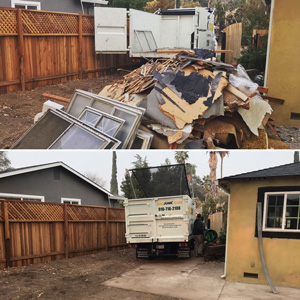

A couch wedged in the garage, a broken refrigerator on the patio, and bags of renovation debris can look like a quick cleanup until it is time to move it. That is where a junk pricing review helps. The right quote should make it clear what you are paying for: the space your items take up, the labor needed to remove them, and any disposal costs tied to special materials.
For most Sacramento-area homes and businesses, full-service junk removal is priced by volume, not by the number of individual items. That matters because a single oversized sectional may use more truck space and require more labor than several boxes. A fair company explains the quote before loading starts, so you can approve the price without guessing what will appear on the final bill.
How Junk Removal Pricing Usually Works
Junk removal companies commonly use one of three approaches: truck-volume pricing, item-based pricing, or hourly labor pricing. Each can be reasonable in the right situation, but they are not equally useful for every job.
Volume-based pricing is often the most practical choice for mixed loads. A crew looks at the total amount of material, estimates how much truck space it will use, and gives you a price before work begins. This works well for garage cleanouts, move-out piles, office furniture, yard debris, and rental property turnovers where the final load includes many different items.
Item pricing can make sense when you have one clearly defined object, such as a mattress, refrigerator, or old spa. The trade-off is that extra items may quickly change the price, especially if they were not included in the original request. Hourly pricing may sound simple, but it can leave customers uncertain about the total when stairs, long carries, heavy furniture, or sorting slow the job down.
With a full-service volume quote, labor, loading, hauling, and a basic sweep-up are generally part of the price. That is the real value for customers who do not have a truck, cannot safely lift heavy items, or simply do not have a Saturday to lose to dump runs.
Junk Pricing Review: What Makes a Quote Fair?
A fair quote is not always the lowest number you hear on the phone. It is the number that matches the work required and does not change after the crew starts loading, unless the scope of the job changes.
Start by asking whether labor is included. Removing a dresser from a ground-floor garage is different from carrying it down three flights of stairs, but a professional crew should account for access when preparing the estimate. The same goes for large appliances, bulky commercial furniture, construction materials, and items located behind a home or deep inside a warehouse.
You should also know whether the price includes hauling and disposal. Some services advertise a low pickup rate, then add fees for fuel, landfill use, or labor. Those charges may be legitimate, but they should be disclosed before you commit. A quote that is easy to understand is usually a better deal than a low starting price filled with conditions.
Responsible disposal also has value. Usable furniture, metal, electronics, cardboard, green waste, and other materials may be donated or recycled when appropriate. Sac Junk works to donate and recycle up to 60% of collected materials, helping keep usable goods and recyclable material out of local landfills. That effort takes sorting and local disposal knowledge, but it can make a major difference after a large cleanout.
Factors That Can Change the Price
Most pricing changes come down to the size of the load and the difficulty of removal. More truck space means more hauling and disposal capacity. Heavy materials such as concrete, dirt, roofing, tile, and dense construction debris can also cost more than household clutter because weight adds up quickly.
Access is another real factor. Narrow hallways, upper-floor apartments, long walks from the curb, gated properties, and bulky items that need to be carefully maneuvered can add labor time. This does not mean every difficult job should come with a surprise charge. It means the crew needs to see the full situation before providing an accurate on-site price.
Certain materials require special handling or cannot be accepted in a standard junk load. Hazardous chemicals, paint, gasoline, medical waste, and similar items should not be tossed into a general hauling truck. Refrigerators, tires, TVs, and mattresses may also carry separate processing requirements depending on the disposal facility. A reputable hauler will tell you what they can take and explain any additional handling cost upfront.
How to Get an Accurate Junk Removal Estimate
The fastest way to get a useful estimate is to describe the whole job, not just the largest item. Let the company know about bags, loose debris, items in closets, garage shelves, backyard piles, or extra furniture that may be added when the crew arrives. Photos can help with early planning, but an on-site quote is often the most accurate option for mixed loads.
Before booking, ask a few plain questions. Is the quote based on volume, items, or time? Does it include all lifting, loading, hauling, and disposal? Are there extra fees for stairs, distance, heavy materials, or specific items? When will the final price be confirmed?
You do not need a long contract to get clear answers. You need a company willing to look at the job, state the price, and wait for your approval. If the crew cannot explain how the number was reached, or pressures you to accept before you understand it, keep looking.
Ways to Keep Your Cost Down Without Doing the Hard Part
You do not have to haul junk to the curb or break your back sorting everything to prepare for pickup. Still, a little organization can make the process faster. Grouping items in one area when it is safe to do so helps the crew see the volume clearly. Point out anything you plan to keep, especially in garages, storage units, and cluttered offices.
If you have clean, usable donations, separate them from obvious trash. If you are clearing a rental after a tenant moves out, remove personal documents and valuables before the crew arrives. Contractors can save time by keeping debris accessible and separating prohibited materials from the general job-site load.
The goal is not to do the crew’s work for them. The goal is to prevent confusion and ensure the quote reflects exactly what you want gone.
When a Dumpster May Be Cheaper – and When It Is Not
A dumpster can be a good fit for an extended renovation where debris will build up over several days. It gives a crew or homeowner a place to toss approved material as the project moves along. But dumpsters are not always the cheaper choice.
You may need room for the container, permission for placement, and time to load it yourself. There can also be weight limits, rental periods, and restrictions on what goes inside. For a one-day garage cleanout, an estate cleanout, an office furniture removal, or a move-out deadline, full-service hauling often saves more than money. It saves physical effort, scheduling headaches, and repeated trips to a disposal site.
A junk removal crew is especially useful when the materials are already inside the property. They can remove furniture from rooms, carry appliances from the back patio, clear a storage unit, or haul away old cubicles without leaving you with a driveway full of work.
The Bottom Line on Junk Removal Prices
The best price is a clear, all-in quote for the job you actually need completed. Compare what is included, not just the first number you hear. A reliable crew should arrive on time, review the items with you, provide a straightforward estimate, and handle the lifting only after you approve it.
If clutter is taking up your garage, slowing down a turnover, or making a job site harder to manage, do not let price uncertainty keep it there. Get the load seen, get the quote in writing or clearly stated on-site, and choose the option that removes the junk without adding another problem to your day.