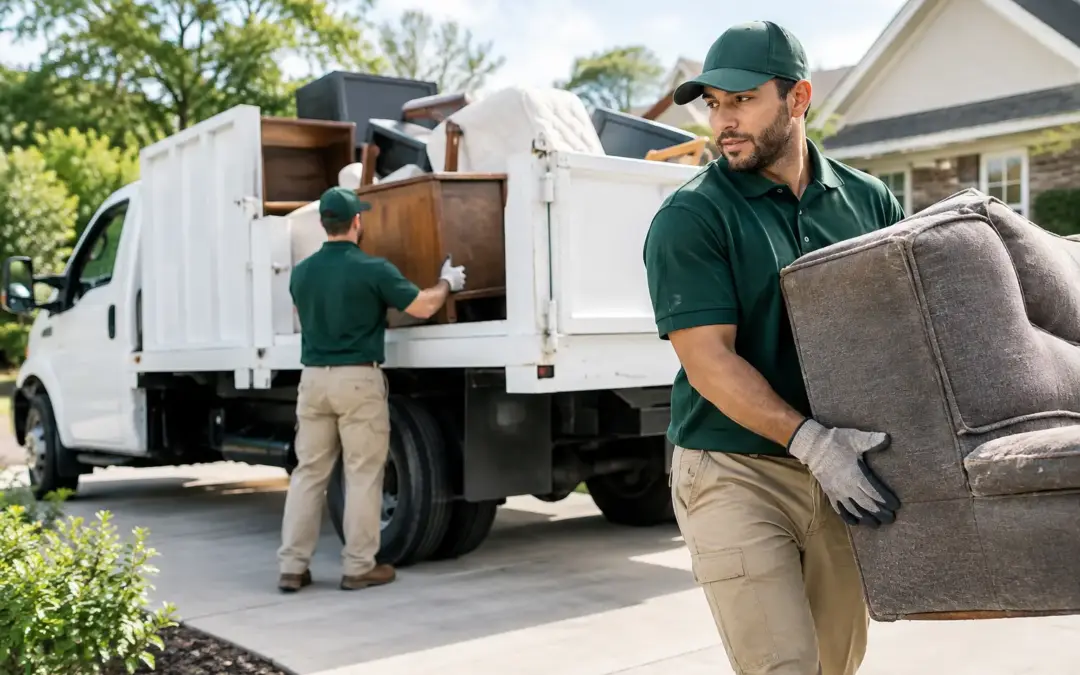
That old couch, broken dresser, pile of garage boxes, or office furniture does not simply disappear when the truck pulls away. Customers often ask, what happens after junk pickup? The short answer is that the load is sorted for its best next destination: donation, recycling, reuse, or proper disposal.
For Sacramento homeowners, landlords, contractors, and business owners, that process matters. You want the space cleared fast, but you also want usable materials handled responsibly whenever possible. A professional junk removal crew takes care of the lifting and hauling, then works through the load so recoverable items do not automatically end up in a landfill.
What Happens After Junk Pickup Starts at the Truck
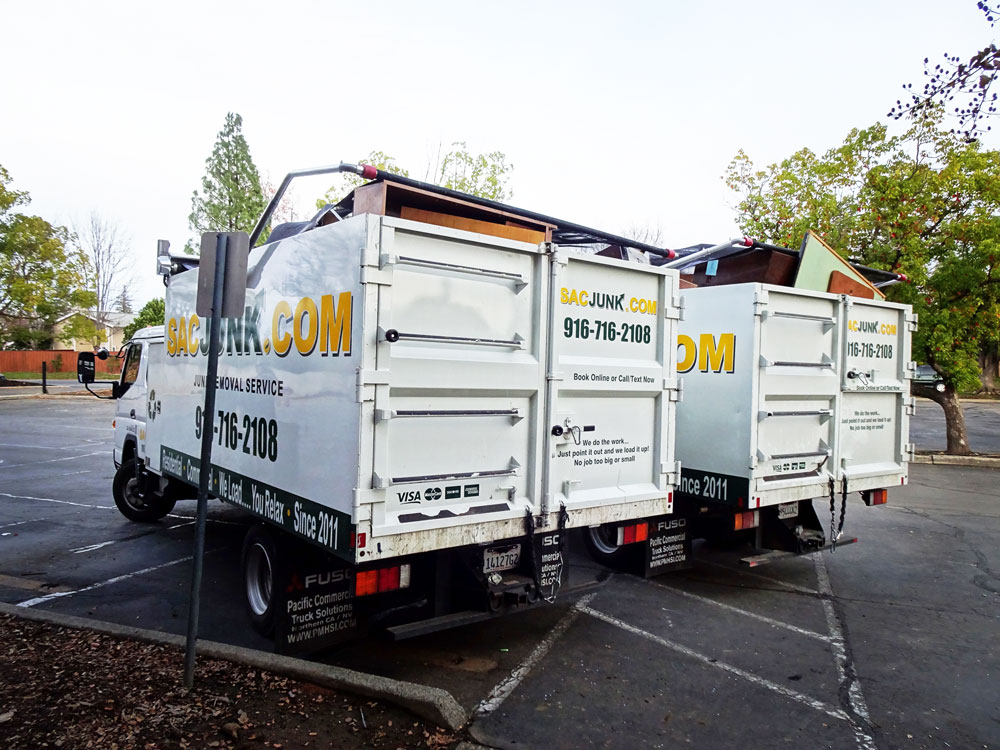
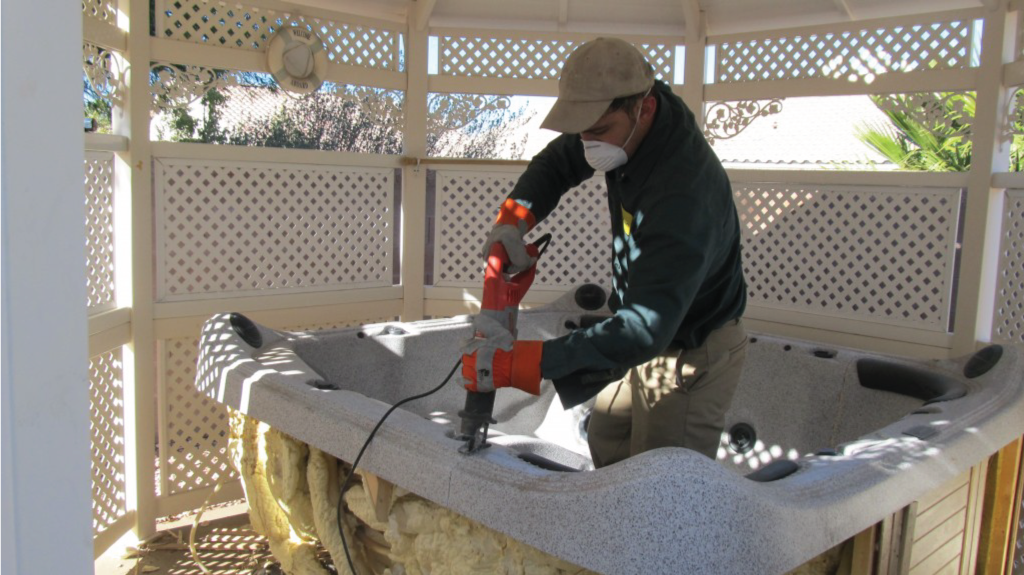
The process begins while the crew is still at your property. Experienced haulers can often identify items that may be reusable or recyclable before loading. Clean furniture, working appliances, usable household goods, metal items, cardboard, yard debris, and construction materials may each require a different disposal path.
That does not mean every item can be saved. A mattress with heavy staining, water-damaged furniture, broken particleboard, moldy belongings, or mixed piles of debris may not be accepted by donation centers or recycling facilities. Condition, local facility rules, contamination, and available processing options all affect where an item goes.
Loads are also arranged carefully. Keeping materials accessible and separating obvious recyclables from general debris can make sorting more efficient after pickup. It is one reason full-service removal is more than tossing everything into a truck and driving away.
Donation Comes First When Items Are Still Usable
Many unwanted items still have plenty of life left. A homeowner may be replacing a dining set that is in good shape. An office may be upgrading chairs, desks, or filing cabinets. A rental property may have clean household items left behind after a move-out.
When accepted by local organizations, these items can be directed toward donation rather than disposal. Donation options vary by item type, condition, safety requirements, and current demand. A charity or reuse organization may accept one couch but decline another because of stains, tears, odors, missing parts, or fire-label requirements.
The key word is usable. Donation is not a solution for damaged, unsanitary, or unsafe materials. Still, choosing a junk removal company that makes an effort to identify reusable items helps keep good belongings in circulation and reduces unnecessary waste.
At Sac Junk, the goal is to donate and recycle up to 60% of the materials removed whenever practical. That approach gives Sacramento-area customers a convenient way to clear out space without having to personally coordinate multiple drop-offs.
Recycling Turns Materials Into New Resources
After donation opportunities are considered, recyclable materials may be separated for processing. Recycling does not look the same for every item. Some materials are easy to recover, while others are made from mixed components that are harder or more expensive to sort.
Metal is one of the most common recovery streams. Old appliances, bed frames, shelving, patio furniture, filing cabinets, tools, and scrap from job sites may contain steel, aluminum, copper, or other metals. These materials can often be processed and used again.
Electronics require more care. Computers, televisions, printers, monitors, and similar items can contain recoverable materials, but they may also contain components that should not be handled like normal household trash. Electronics recycling rules and facility requirements can change, so a crew needs to route those items appropriately.
Cardboard, clean paper, certain plastics, and green waste may also have recycling or composting options. Yard debris such as branches, leaves, brush, and trimmings is generally handled differently from a mixed garage cleanout. Keeping yard waste reasonably separate can improve its chances of being processed instead of buried.
Appliances are another item with special handling needs. Refrigerators, freezers, air conditioners, and other cooling equipment may contain refrigerants. Those units need proper management before recycling, not a quick drop at a standard trash site.
Some Junk Must Go to Proper Disposal
Responsible junk removal includes knowing when disposal is the right answer. Not every item is in condition to donate or recycle, and forcing damaged materials into the wrong stream creates problems for facilities and future users.
General disposal may be necessary for heavily damaged furniture, contaminated household items, mixed debris, worn-out mattresses, broken plastic goods, and materials that no longer have a practical recovery option. Disposal fees and local rules can differ by facility, which is one reason upfront volume-based pricing is useful. You approve the quote before work starts, and the crew handles the logistics afterward.
A reputable hauler also knows what should not be included in a normal junk pickup. Hazardous materials, chemicals, paint, fuels, explosives, and certain regulated waste need specialized handling. If you are unsure about an item, ask before the appointment. It is far easier to plan for a restricted item than to discover it once the crew arrives.
Why Item Condition Changes the Outcome
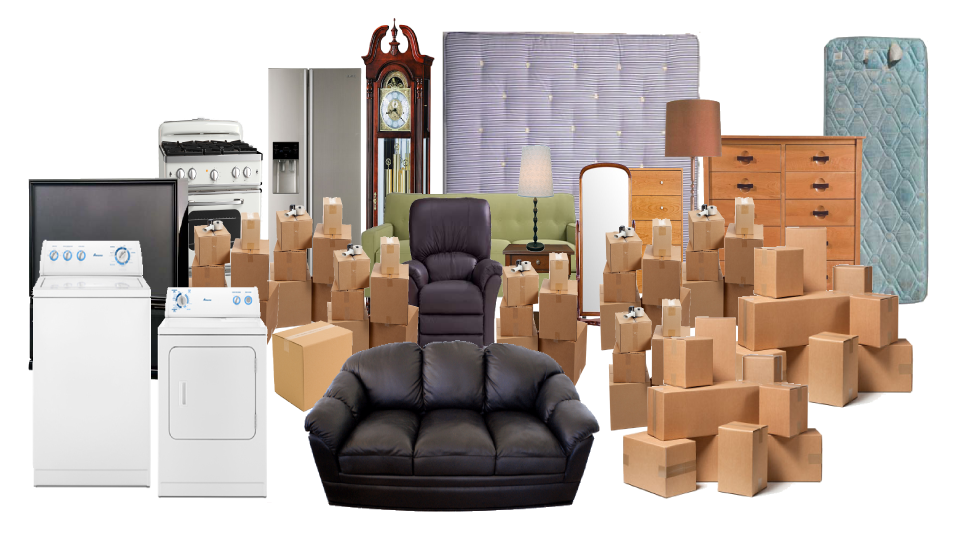
Two items that look similar from across the room can have very different destinations. Consider two couches: one is clean, stable, and free of odors; the other has pet damage, deep stains, and a broken frame. The first may have reuse potential. The second is likely disposal material.
The same is true for appliances. A working washer may be useful to another household or may be recyclable for parts and metal. A washer with significant damage, missing components, or internal contamination may have fewer options. Office furniture follows the same pattern. Clean cubicles, desks, and chairs can sometimes be reused, while broken laminate and heavily damaged pieces may need to be processed as debris.
Customers can help by being honest about an item’s condition. There is no need to clean a whole property before a crew arrives, but pointing out water damage, pest issues, sharp objects, or questionable materials helps the job move safely and keeps the disposal plan realistic.
What Happens After Junk Pickup at a Cleanout
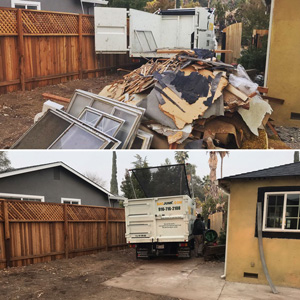
Large cleanouts add another layer to the process. Estate cleanouts, rental turnovers, warehouse cleanouts, and construction-related pickups often involve a wide mix of materials in one location. There may be furniture, cardboard, old electronics, scrap metal, bagged trash, yard waste, shelving, and loose debris all at once.
In these cases, speed matters, but so does sorting. Property managers need a unit ready for the next tenant. Contractors need a job site cleared so work can continue. Business owners need old equipment removed without disrupting operations. A capable crew clears the space, sweeps up when the load is out, and routes the materials based on what the load contains.
There is a trade-off: the more mixed, dirty, or damaged a load is, the fewer recovery options may be available. A clean stack of cardboard or a separated pile of metal is easier to recycle than a wet, mixed pile of trash. Even so, professional hauling saves customers from making repeated trips, finding the right facilities, and doing the heavy lifting themselves.
A Better Way to Clear Space in Sacramento
The best junk pickup is not just about an empty garage, office, yard, or rental unit. It is about getting the work done quickly, receiving a clear price before loading begins, and knowing the crew will make responsible decisions once the materials leave your property.
If you have bulky furniture, appliances, yard debris, warehouse clutter, or a full property cleanout, set aside anything personal or valuable before the crew arrives. Then let the haulers handle the hard part: lifting, loading, sorting, and finding the most practical next stop for your unwanted items.