That dead refrigerator in the garage is more than an eyesore. It is heavy, awkward, and potentially regulated because of refrigerant, oils, or electronic components. The best ways to recycle appliances depend on what still works, what type of unit you have, and how much lifting, transport, and paperwork you are prepared to handle.
For Sacramento homeowners, landlords, contractors, and business owners, the goal is simple: clear the space without dumping reusable materials in a landfill or risking an improper disposal fee. Here is how to make the right call before you drag an appliance to the curb.
1. Donate Appliances That Are Safe and Working
Donation is usually the best first option for appliances that are clean, complete, and in reliable working condition. A working washer, dryer, stove, microwave, or small countertop appliance may have real value for a local nonprofit, community organization, or household that needs it.
Be realistic about condition. A donation center may decline a refrigerator that does not cool consistently, a stove with damaged controls, or a washer that leaks. Older units can also be less desirable because they use more energy than newer models. Calling ahead before loading anything saves time and prevents an unnecessary trip.
Before donating, wipe down the appliance, remove personal items, and keep any manuals or accessories with it. If you are replacing a built-in unit, make sure it has been safely disconnected before pickup or delivery.
2. Ask Your Retailer About Haul-Away Service
Buying a replacement appliance often creates the easiest recycling opportunity. Many retailers offer haul-away service when they deliver a new refrigerator, range, dishwasher, washer, or dryer. In some cases, the old unit is included in the delivery arrangement. In others, there is an added fee.
This option works well when the old appliance is already disconnected and accessible. It is less helpful during a remodel, rental turnover, or property cleanout where several items need to go at once. Retailer crews also may have limits on stairs, disconnected plumbing lines, oversized commercial equipment, or units left outside a delivery window.
Read the haul-away terms before checkout. Confirm that the retailer accepts your exact appliance type and that refrigerant-containing equipment is eligible.
3. Use a Certified Recycling Program for Refrigerated Units
Refrigerators, freezers, wine coolers, air conditioners, and dehumidifiers need special handling. These units can contain refrigerants and other materials that should not be released into the air or tossed into a general debris load.
A qualified recycler recovers refrigerant, removes recyclable metal, and processes components correctly. This matters even if the appliance has been unplugged for months. Unplugging it does not remove the refrigerant or make it safe for regular trash pickup.
For refrigerators and freezers, empty the unit completely, unplug it, and let it defrost before removal. Secure or remove doors if the appliance will sit outdoors before pickup. Standing water, spoiled food, and loose shelves make removal harder and can create a mess in your home or driveway.
4. Check Local Utility and Municipal Programs
Depending on the appliance and current program availability, a utility provider or local government program may offer a rebate, scheduled pickup, or drop-off guidance for energy-hungry appliances. These programs are most commonly associated with older refrigerators and freezers because removing inefficient units can reduce energy demand.
The trade-off is convenience. Program rules can be specific about appliance size, age, working condition, location, and pickup access. You may need to schedule weeks ahead, bring the unit to the curb, or provide account information. That can be worthwhile for one qualifying appliance, but it may not solve a full garage, estate, office, or rental cleanout.
Always confirm current requirements before moving a heavy unit. Program details and availability can change.
5. Sell or Give Away Appliances With Useful Life Left
If an appliance works well and looks presentable, selling it or giving it away can keep it in use longer. This is often a practical choice for newer washers, dryers, stainless steel ranges, compact refrigerators, and appliances removed during a kitchen upgrade.
Be honest in the listing. Include the model number, approximate age, dimensions, known issues, and whether the buyer must bring help to move it. Never promise that an appliance is problem-free if it has intermittent issues or has been sitting unused.
This route takes more effort than recycling. You may answer messages, wait for no-shows, and coordinate pickup with strangers. For a homeowner with time, that may be fine. For a landlord turning a unit quickly or a contractor clearing a job site, the delay can cost more than the appliance is worth.
6. Separate Small Appliances and Electronics When Possible
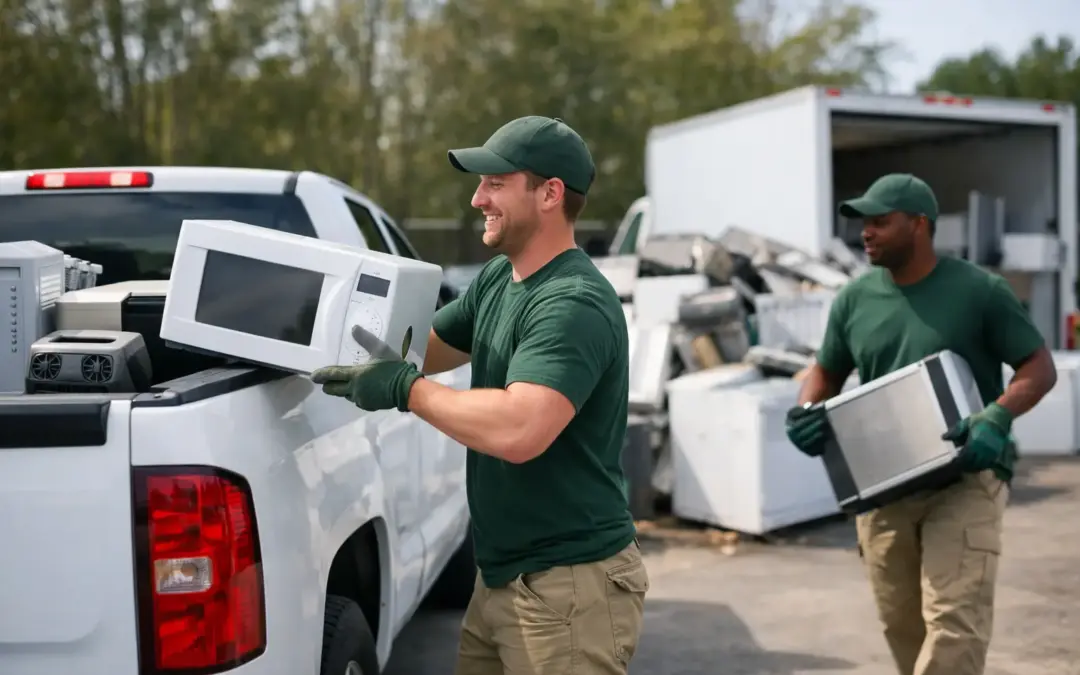
Not every appliance needs the same disposal path. Toasters, blenders, coffee makers, vacuums, fans, mixers, and countertop microwaves may contain recyclable metal, wiring, circuit boards, and plastic. They are easier to transport than major appliances, but they should not automatically go into curbside recycling carts.
Gather small appliances into a box or tote during a garage cleanout rather than making separate trips for each item. Remove batteries from battery-powered devices and set aside anything with a damaged lithium-ion battery, swollen battery pack, or leaking fluid. Those materials may need specialized handling.
For commercial spaces, check office break rooms, warehouses, maintenance areas, and employee kitchens. Small appliances accumulate fast, especially after a move or renovation, and they are easy to overlook until the final cleanup day.
7. Hire Full-Service Appliance Removal When Time Matters
The most practical answer is often professional appliance hauling. This is especially true for heavy units, multiple appliances, upstairs removals, rental turnovers, warehouse cleanouts, and properties where you do not have a truck, a dolly, or extra hands.
A full-service crew does the lifting, loading, hauling, and cleanup so you do not have to wrestle a dryer down a staircase or figure out how to secure a refrigerator in a pickup bed. Responsible junk removal providers sort what they can for recycling or donation rather than treating every load as landfill waste.
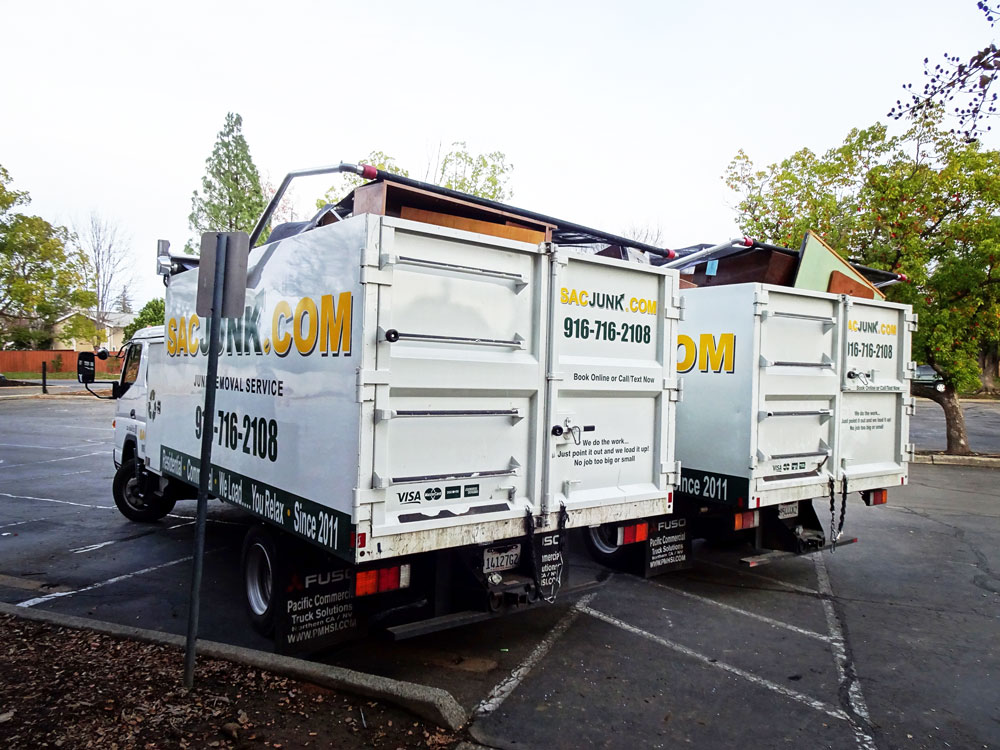
Sac Junk provides appliance hauling across Sacramento and nearby communities, with upfront on-site quotes based on the volume your items take up in the truck. That can make more sense than separate drop-off runs when you also have furniture, mattresses, construction debris, or other unwanted items to clear.
What Not to Do With Old Appliances
Do not leave appliances in an alley, vacant lot, or at the curb without checking local collection rules. Illegal dumping creates safety issues and can lead to fines. It also leaves refrigerant-containing units and sharp metal exposed to the public.
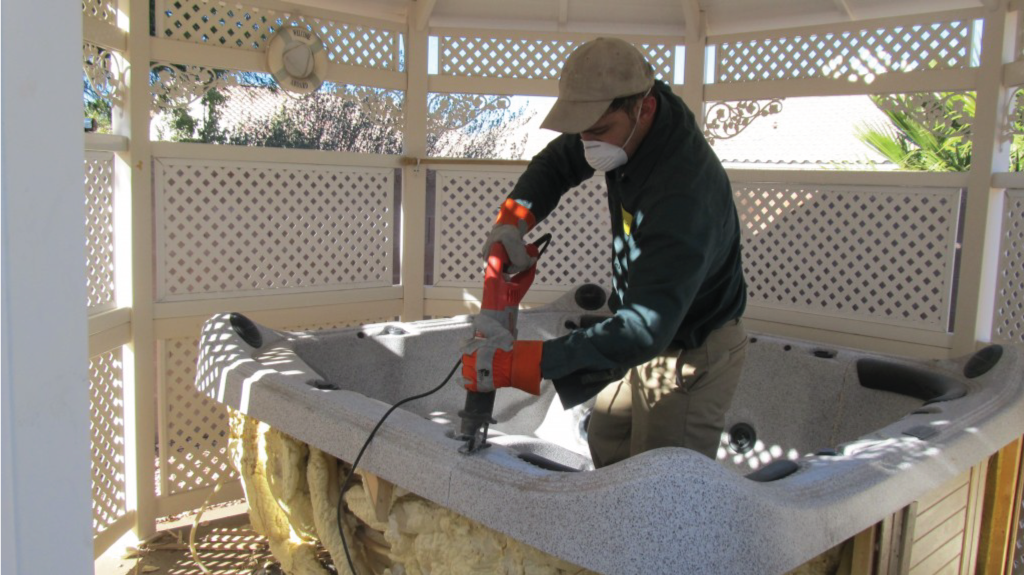
Do not cut refrigerant lines, dismantle sealed cooling systems, or try to remove refrigerant yourself. The metal may have recycling value, but improper dismantling can create an environmental and safety problem. The same caution applies to appliances with broken glass, damaged cords, or electrical components that have been exposed to water.
Avoid assuming that a scrap collector can legally take every appliance in every condition. Ask how they handle refrigerant appliances and whether they accept the specific item you have. A little verification protects you from a disposal problem that gets passed down the road.
Prepare an Appliance for Pickup or Recycling
A few minutes of preparation makes removal safer and faster. First, empty the appliance and remove food, clothing, tools, and personal paperwork. Disconnect water, gas, and electrical connections according to manufacturer instructions or have a qualified professional do it. Appliance haulers generally remove the unit, but they are not always responsible for plumbing, gas-line, or electrical disconnection.
Next, clear a path from the appliance to the exit. Move rugs, boxes, and fragile items out of the way, and measure tight doorways if you are dealing with a large refrigerator or commercial unit. Tell the pickup team about stairs, gates, elevators, or difficult access before they arrive.
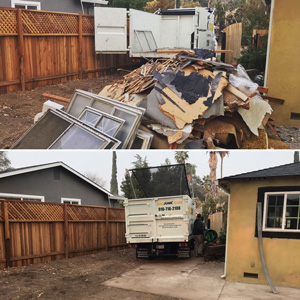
Finally, combine your appliance removal with other clutter if you have it. One organized pickup can clear an old range, garage freezer, broken patio furniture, boxes, and renovation debris in a single visit. You get usable space back sooner, and recyclable materials have a better chance of being sorted properly.
The right disposal option is the one that matches the appliance’s condition and your deadline. If it still has useful life, let someone use it. If it is finished, get it handled by a recycler or hauling crew that can move it safely and keep as much material as possible out of the landfill.