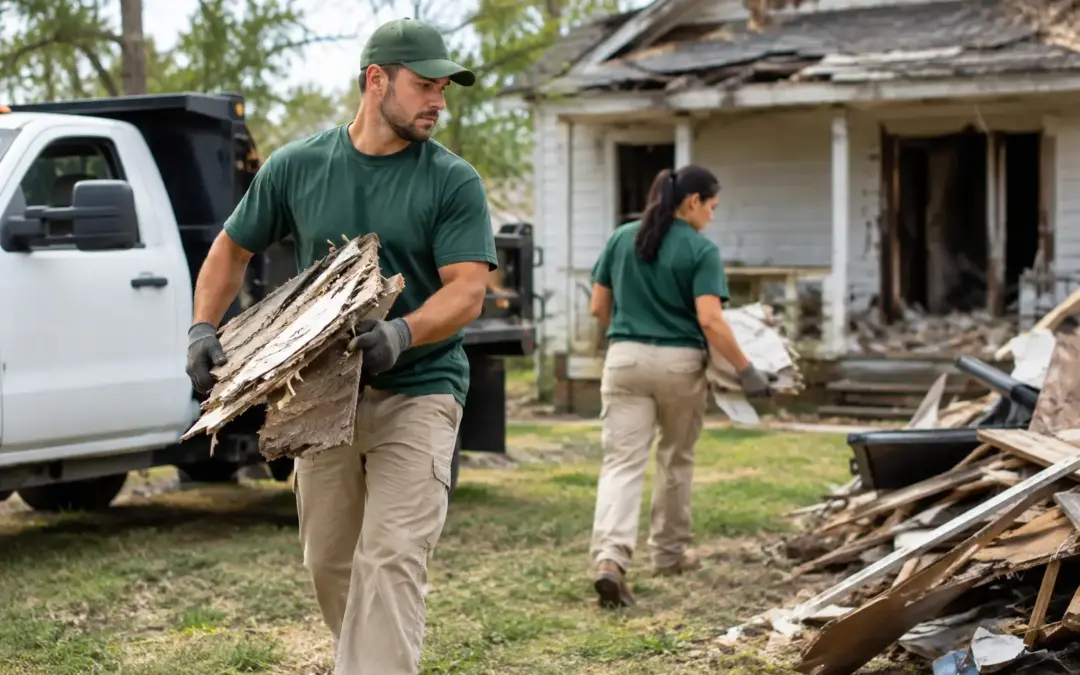
A vacant property can go from manageable to overwhelming fast. One broken fence, a garage full of left-behind furniture, illegal dumping behind the building, or a missed tenant move-out can create a safety issue and hold up your next step. The best abandoned property cleanup options depend on what is on-site, who has legal authority to remove it, and how quickly the space needs to be cleared.
For a landlord preparing a rental, a property manager addressing a neglected unit, or an owner taking back control of a commercial space, the right choice is usually the one that gets the property clean without creating extra labor, delays, or disposal problems.
Start With Access, Authority, and Safety
Before hauling a single item, make sure you are authorized to enter and remove property. An abandoned-looking home, unit, or lot may still have an active tenant, owner, estate representative, lienholder, or legal process attached to it. For rental properties, follow California notice requirements and document the condition of the space before disposal.
Take clear photos and make a quick inventory of what is there. This protects you if questions come up later and helps you get an accurate cleanup quote. Look for obvious hazards before anyone starts working: broken glass, exposed nails, unstable piles, animal waste, needles, mold, standing water, damaged structures, and downed electrical lines all change the scope of the job.
Do not treat hazardous materials like ordinary junk. Chemicals, fuel, paint, asbestos-containing materials, explosives, medical waste, and unknown substances need specialized handling. A professional junk removal crew can remove many non-hazardous items, but dangerous materials should be handled through the proper local program or licensed specialist.
1. Handle a Small, Low-Risk Cleanup Yourself
DIY cleanup makes sense when the property has a limited amount of bagged trash, light debris, or a few items that fit in your vehicle. It can work well for a clean apartment turnover, a small backyard dumping issue, or a garage with only a handful of unwanted boxes.
The trade-off is time. You still need to sort materials, lift heavy items, protect your vehicle, make disposal runs, and learn which facilities accept what. Mattresses, appliances, old electronics, construction debris, and bulky furniture often have separate disposal rules or fees.
If the job takes more than a weekend, requires a truck rental, or involves several trips, DIY savings can disappear quickly. It is also not the best route when you are dealing with heavy items, tight deadlines, or an unsafe space.
2. Rent a Dumpster for Ongoing Work
A dumpster is often a practical choice when a property is undergoing a multi-day renovation or major demolition. Contractors can toss approved debris as work progresses rather than letting piles build up around the job site.
This option is less convenient for a one-time cleanout. You have to estimate the right dumpster size, arrange space for delivery, keep others from filling it, load everything yourself, and avoid restricted materials. Overfilling can also lead to extra charges or pickup delays.
For a property with a steady stream of renovation debris, a dumpster may be the right tool. For a single-day abandoned property cleanout, full-service hauling is usually faster because a crew does the lifting and loading for you.
3. Hire a Full-Service Junk Removal Crew
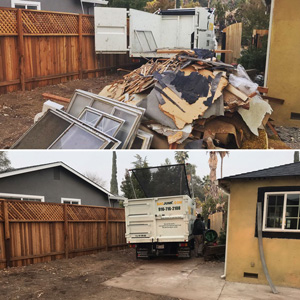
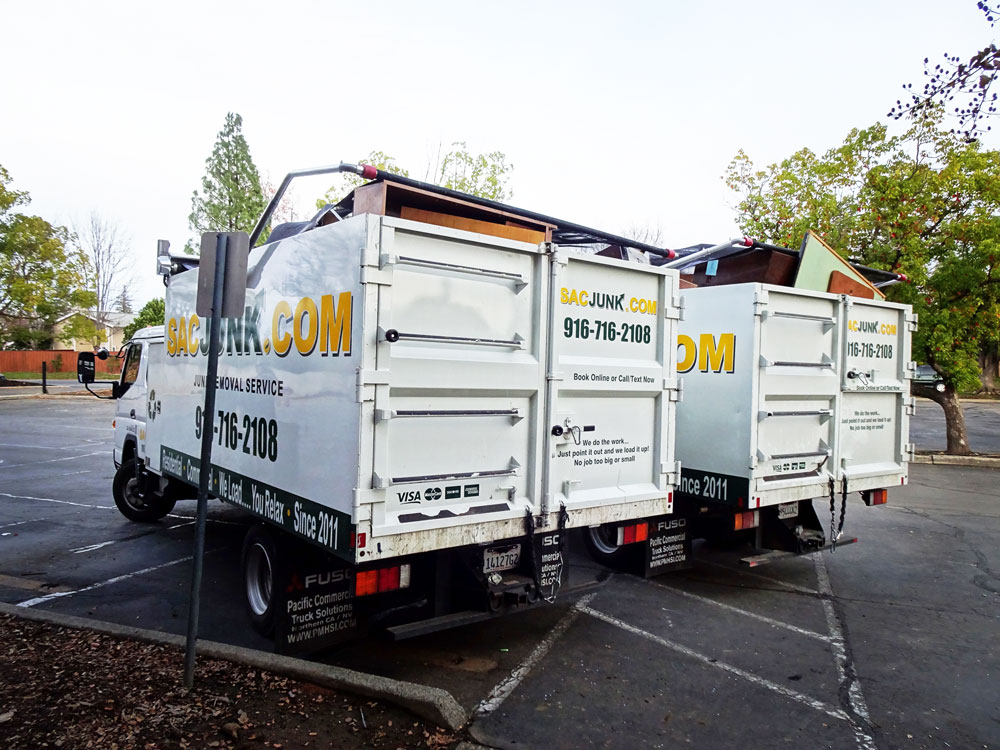
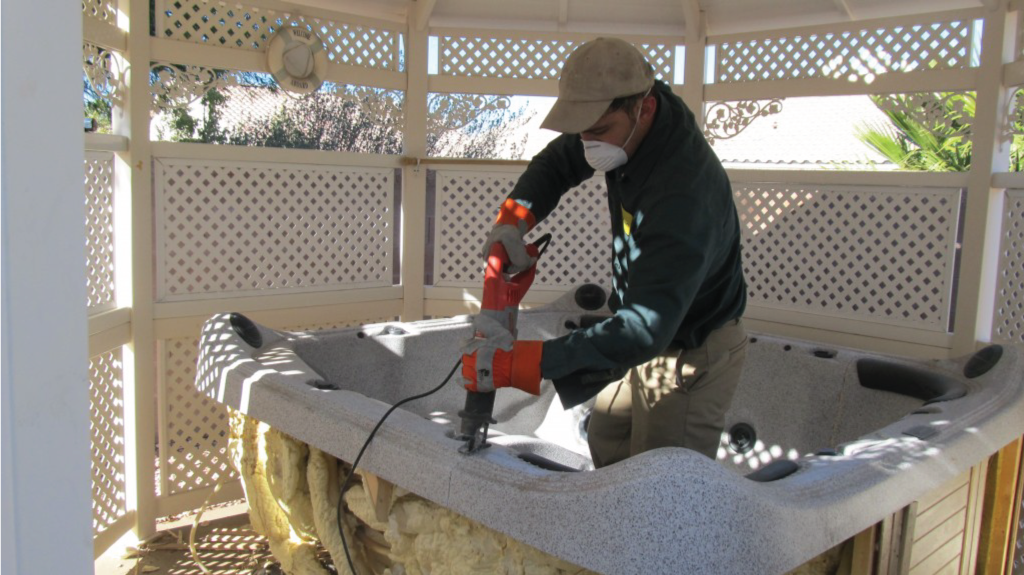
For most abandoned homes, vacant rentals, garages, storage areas, and exterior dumping problems, full-service junk removal is the most efficient cleanup option. The crew removes unwanted non-hazardous items from where they sit, loads the truck, hauls them away, and clears the area afterward.
This is especially useful when the property contains old furniture, mattresses, appliances, boxes, carpet, yard waste, broken shelving, tenant leftovers, or loose debris scattered across several rooms. You do not have to gather everything at the curb or recruit a crew of your own.
Pricing is generally based on how much space the material takes up in the truck, along with the labor and disposal needs of the job. Ask for an on-site quote before work begins. A clear quote lets you approve the price before anything is loaded and avoids the guesswork that comes with trying to estimate a cleanup from photos alone.
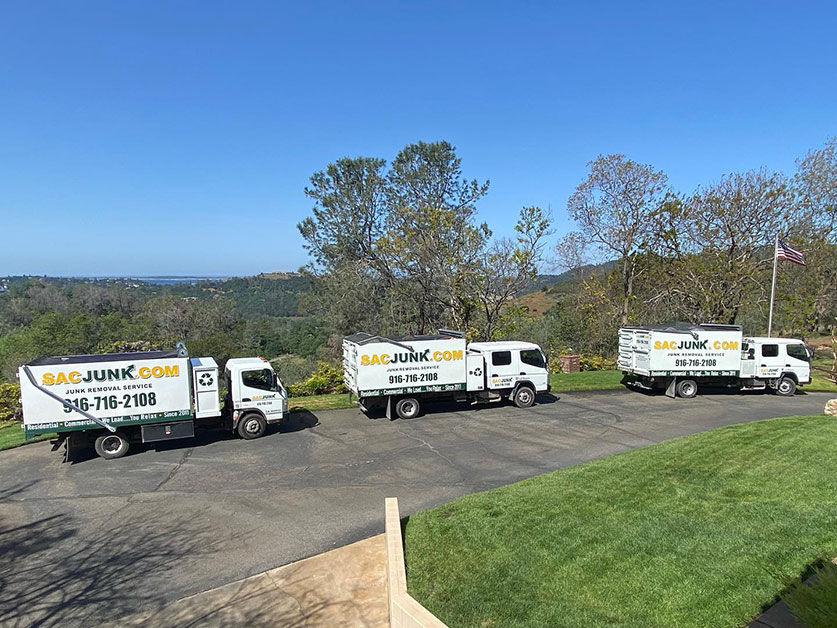
For Sacramento-area owners and managers, Sac Junk can provide labor-inclusive junk removal for non-hazardous cleanouts. That means the crew handles the heavy lifting, loading, hauling, and basic site cleanup, whether the junk is in a house, behind a commercial building, or spread across a rental property.
4. Separate Donation and Recyclable Materials First
Not every item left behind belongs in a landfill. Usable furniture, working appliances, household goods, scrap metal, cardboard, and some building materials may have a better destination when they are separated from obvious trash.
Sorting is worthwhile when the property contains clean, usable items in reasonable condition. It is less useful when everything is wet, contaminated, pest-damaged, or mixed into a large pile. In those cases, the labor required to sort can outweigh the value of the materials.
A responsible removal company can identify items that may be donated or recycled as part of the haul-away process. That helps reduce landfill waste without slowing down the work needed to get the property back in service.
5. Use a Specialty Vendor for Problem Materials
Some abandoned property cleanups require more than junk hauling. If there is a dead animal, biohazard, sewage backup, major mold growth, suspected asbestos, illegal drug residue, or structural collapse, stop and bring in the right specialist.
The same goes for pest infestations. Rodents, roaches, bed bugs, and fleas can spread from abandoned contents into nearby units or vehicles. A pest control company may need to treat the site before removal crews begin clearing furniture, mattresses, or debris.
Using specialists costs more than a standard cleanout, but it prevents a much more expensive mistake. The goal is not simply to empty the property. It is to make it safe, usable, and ready for the next stage, whether that is repairs, leasing, sale, or demolition.
6. Combine Cleanup With Property Repairs
A cleanup often reveals work that could not be seen under the clutter. Once junk is gone, you may find damaged drywall, flooring stains, broken locks, missing fixtures, plumbing leaks, graffiti, or exterior damage.
Plan the work in the right order. Remove junk and loose debris first, then schedule pest treatment or deep cleaning if needed, followed by repairs and painting. Trying to repair around piles of abandoned contents wastes labor and makes it harder to see the true condition of the property.
For outdoor areas, clear dumped items, branches, old fencing, and yard waste before bringing in landscapers or repair crews. A clean site is safer for everyone and gives you a better view of drainage, trip hazards, and damaged surfaces.
7. Build a Fast Turnover Plan for Rentals and Commercial Sites
Property managers and business owners usually need more than a one-time answer. They need a repeatable plan for vacancies, evictions, unauthorized dumping, and move-outs. Keep a photo checklist, document access authorization, identify who approves expenses, and have a dependable removal provider ready to call.
For commercial properties, pay attention to back alleys, dumpster enclosures, storage rooms, loading areas, and vacant suites. Those spaces can collect discarded pallets, office furniture, fixtures, packaging, and illegal dumping long before it becomes visible to customers.
Speed matters, but clear communication matters too. A cleanup crew should provide a courtesy call before arrival, confirm what will be removed, give an upfront quote, and leave the area swept and clear. That is how you keep a cleanup from turning into another management headache.
Choosing the Best Option for Your Property
Choose DIY work for small, safe jobs with plenty of time. Choose a dumpster when renovation debris will build up over several days. Choose specialty vendors when contamination or hazardous materials are involved. For most bulky, labor-heavy, time-sensitive cleanouts, full-service junk removal is the practical answer.
The property does not need to stay buried under someone else’s leftovers. Once you have legal access and a clear plan, clearing it out is the first solid step toward making the space useful again.