
The pile in the garage usually starts small. A broken chair, a few moving boxes, an old mattress you meant to deal with later. Then one weekend turns into six months, and suddenly you are parking outside because the garage is full, the spare room is unusable, or the back lot at your property looks like a storage yard.
If you are looking for the best ways to clear clutter, the real goal is not making neater piles. It is getting your space back without wasting a full day, hurting your back, or paying more than you should. The right approach depends on how much junk you have, how heavy it is, and how fast you need it gone.
The best ways to clear clutter start with the right goal
A lot of people get stuck because they think decluttering means making hundreds of decisions at once. Keep it, donate it, sell it, move it, store it, maybe deal with it later. That is how clutter stays put.
A better way is to set a simple target for the space. Do you need to clear a garage so you can park again? Empty a rental after a move-out? Open up warehouse floor space? Make a spare bedroom usable before family visits? When the goal is clear, the choices get easier.
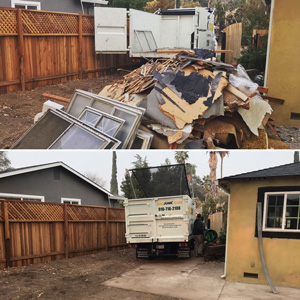
This matters because not all clutter has the same cost. A stack of old paperwork is annoying, but a busted sectional, old appliances, yard debris, and construction leftovers are a different kind of problem. Those jobs take labor, hauling, and proper disposal. In those cases, the fastest solution is usually not more sorting. It is removal.
Start with the biggest and most visible items
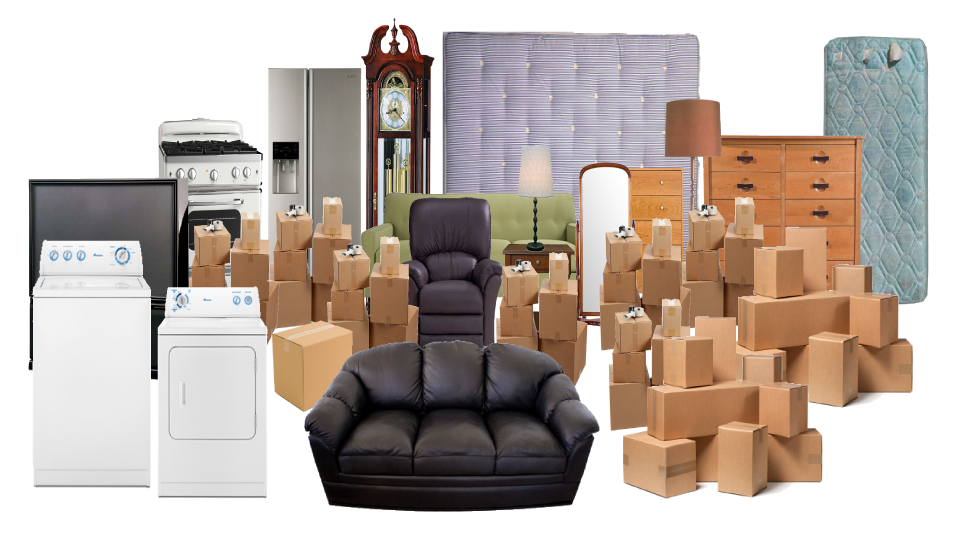
If you want quick progress, begin with the bulky stuff. Old couches, mattresses, broken desks, unused exercise equipment, pallets, shelving, and bags of debris take up the most space and create the feeling that everything is out of control.
Once those large items are gone, the rest of the cleanup becomes easier to manage. You can see the floor, move around the room, and sort smaller items without working around obstacles. It is one of the most practical reasons large-item junk removal is often the first step, not the last.
There is a trade-off here. If you start with small drawers, boxes, or paperwork, you may feel productive, but the space still looks crowded. Starting big gives you immediate square footage back, which is usually what people actually want.
Use a keep, donate, trash, remove system
One of the best ways to clear clutter without overthinking it is to use four simple categories: keep, donate, trash, and remove. The last category matters more than people think.
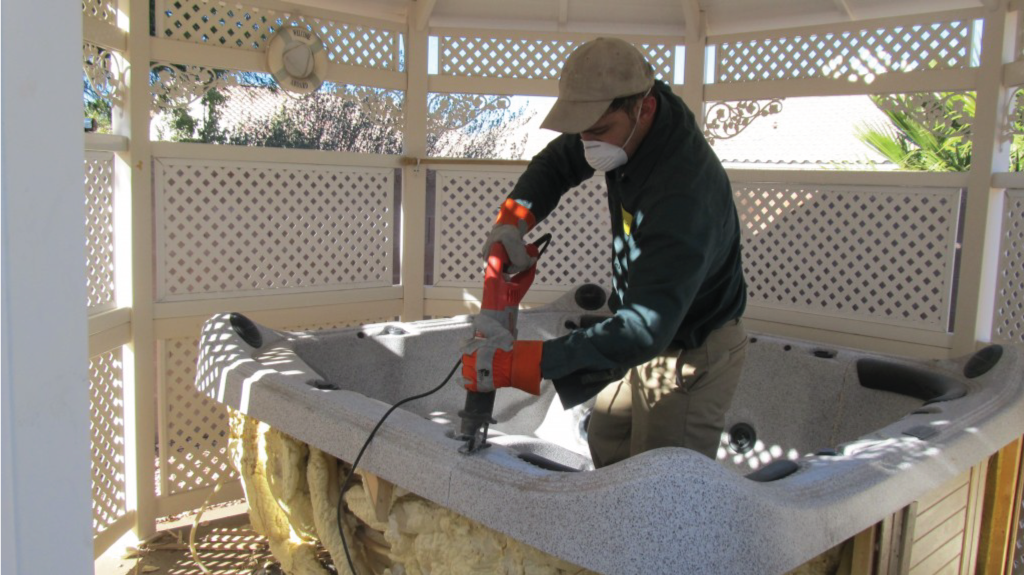
“Remove” covers the items that are too large, too heavy, too awkward, or too time-consuming to handle yourself. That might include old furniture, worn-out appliances, hot tubs, sheds, cubicles, renovation debris, or a full property cleanout. These are the items that tend to sit around because nobody wants to lift them, load them, or figure out where they go.
Donation is worth considering when items still have life left in them. Recycling matters too, especially for metal, appliances, electronics, and reusable materials. But be realistic. If an item has been sitting in the weather for a year, is missing parts, or no longer works, it may be junk. Calling junk junk is often what gets the job moving.
Stop treating storage as a solution
A common mistake is shifting clutter from one area to another. Garage to shed. Office to warehouse corner. Spare room to side yard. Unit to unit in a multifamily property. The clutter moves, but the problem stays.
Storage makes sense when the items are useful, seasonal, or legally required to keep. It does not make sense for broken furniture, old tenant leftovers, dead equipment, scrap wood, or boxes no one has opened in years. Those items do not need better organization. They need to leave.
This is especially true for landlords, property managers, and business owners. Clutter costs money when it slows turnover, reduces usable workspace, creates a poor impression, or turns a clean property into a cleanup project. In those cases, speed matters more than perfect sorting.
Set a hard limit on decision time
One reason clutter builds up is decision fatigue. If every object turns into a debate, the job stalls. Give yourself a rule: if you have not used it in a long time, it is damaged, or replacing it would cost less than storing it, it probably should not stay.
For most homes, thirty seconds per item is plenty. For cleanouts, even less. In commercial spaces, the standard is often simpler. If it is outdated, broken, abandoned, or taking up operational space, it goes.
There are exceptions. Important records, sentimental items, tools you actually use, and backup supplies for active operations deserve a second look. But if everything feels like an exception, that is usually a sign clutter is making the decisions for you.
For heavy jobs, skip the DIY hauling
This is where a lot of cleanups go sideways. People are ready to get rid of the junk, but they underestimate the labor. A refrigerator is not just heavy. It is awkward. An old sleeper sofa is not just bulky. It is a stairwell problem. A backyard shed is not just trash. It has to be broken down, loaded, and hauled off.
DIY hauling can work for a few bags and boxes. It gets a lot harder when you are dealing with full rooms, estate cleanouts, eviction leftovers, warehouse junk, or outdoor debris piles. Then you have truck space, dump fees, loading time, and disposal rules to deal with too.
That is why one of the best ways to clear clutter fast is hiring a full-service crew when the job involves real labor. You get the lifting, loading, hauling, and cleanup handled in one visit. For busy homeowners and property managers, that is often cheaper than losing a whole day and making multiple dump runs.
The best ways to clear clutter in garages, yards, and rentals
Different spaces need different tactics. Garages usually improve fastest when you remove broken furniture, old mattresses, unused equipment, and stacked boxes no one wants. Yards often need branch piles, fence debris, scrap, and bulky outdoor junk hauled off before the space feels usable again.
Rental properties are their own category. Speed is everything. The longer leftover junk sits after a tenant move-out, the longer it can delay repairs, cleaning, showings, and the next lease. In those situations, the best plan is usually to separate obvious personal valuables from trash, then clear the rest fast so turnover can start.
The same goes for offices and warehouses. Old cubicles, desks, damaged inventory, shelving, and floor debris take up space that should be generating revenue, not collecting dust.
Don’t let “responsible disposal” become a delay
A lot of people want to do the right thing with usable items, and that is a good instinct. The problem is when good intentions turn into long-term storage. If donation pickup is weeks out, recycling requires multiple trips, and you need the space now, the cleanup can stall again.
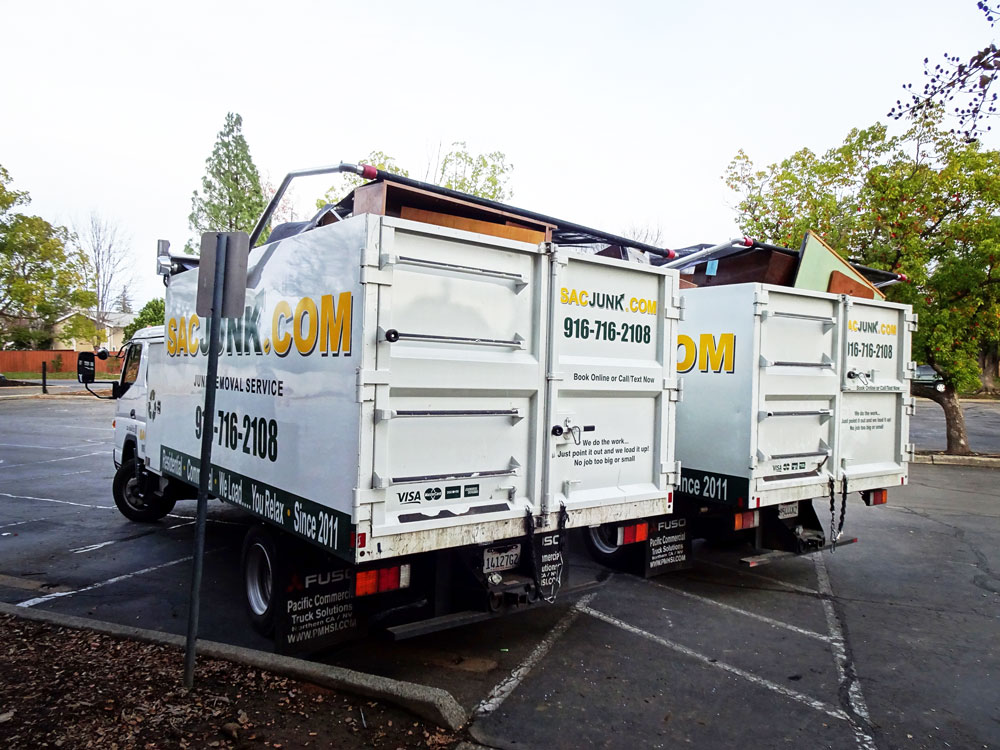
The practical answer is to work with a removal team that already knows how to sort materials for donation, recycling, and disposal. That way, usable items have a chance to stay out of the landfill without turning your property into a holding area. A company like Sac Junk can help with that by doing the loading and hauling while keeping responsible disposal in the process.
Know when clutter is a small project and when it is a removal job
Not every mess needs outside help. A closet full of clothes, a kitchen drawer cleanup, or a few bins in a home office can usually be handled on your own. But once the clutter includes large items, multiple rooms, exterior debris, commercial junk, or tenant leftovers, it becomes a hauling problem.
That distinction matters because people often lose time trying to organize junk that should simply be removed. If your cleanup requires labor, truck space, disposal planning, and site sweep-up, it is no longer just decluttering. It is a junk removal job.
The best results usually come from being honest about the scale. If you can do it in an hour with a few trash bags, handle it. If it needs a crew, a truck, and serious lifting, bring in help and get the space cleared in one shot.
Make the next cleanup easier than the last one
Once the clutter is gone, keep the reset simple. Give bulky items a deadline when they stop being useful. Do not let broken furniture sit in the garage for “someday.” Do not let old office fixtures collect in the back room after a remodel. And do not turn vacant property space into free storage for things nobody wants.
A clean space is easier to keep clean when removal happens early, before the pile becomes a project. That is usually the difference between a quick pickup and a full cleanout.
If you have been staring at the same junk for months, the helpful move is not making one more plan. It is getting the clutter out of the way so the space can work for you again.