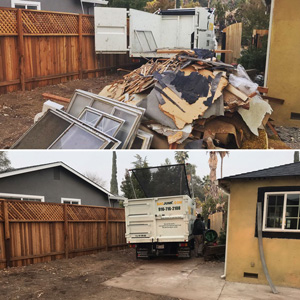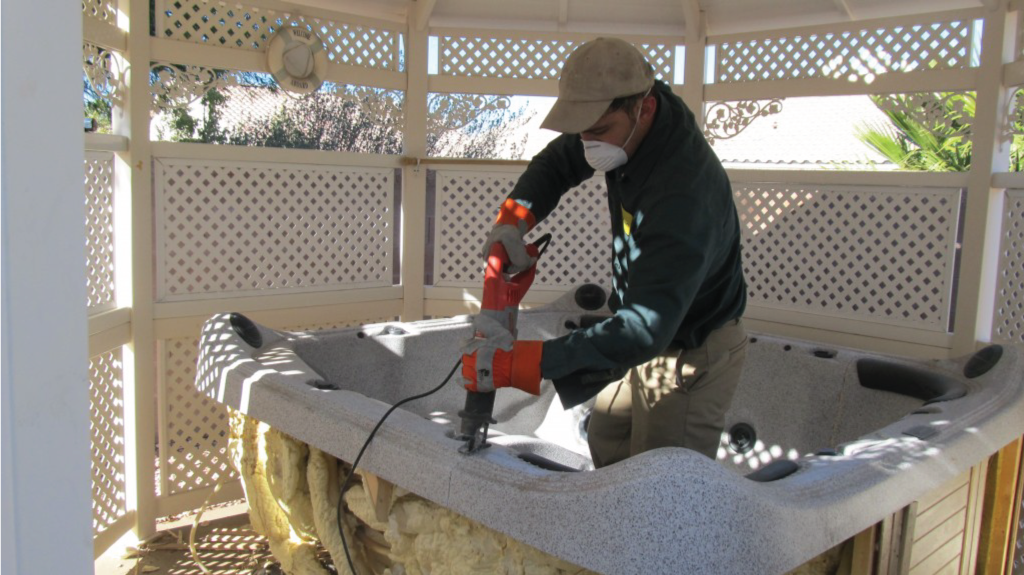

A hoarding cleanup is not an ordinary garage cleanout. Rooms may have narrow walking paths, unstable piles, hidden sharp objects, spoiled food, pest activity, or items that carry deep personal meaning. To clear hoarding debris safely, start by treating the job as a safety project first and a hauling project second. Moving fast without a plan can lead to falls, injuries, damaged belongings, and a cleanup that feels too overwhelming to finish.
For many Sacramento-area families, landlords, and property managers, the hardest part is not deciding that a space needs attention. It is figuring out where to begin without making the situation worse. A steady plan, the right protective gear, and help with the heavy lifting can turn an impossible-looking room into a manageable job.
Start With Safety, Not Sorting
Do not walk into a packed room and start pulling items from the top of a pile. Look at the access route first. Identify doors, windows, hallways, stairs, and any clear path out of the space. If debris is stacked near electrical panels, heaters, gas appliances, or exits, those areas deserve immediate attention because they can create fire and emergency-access concerns.
Wear closed-toe boots with slip-resistant soles, durable gloves, long pants, and a long-sleeve shirt. A well-fitting mask can help with dust, mildew, and other airborne particles. Eye protection is smart when you may encounter broken glass, loose debris, or overhead storage. Keep a first-aid kit nearby, charge your phone, and avoid working alone in a severely cluttered property.
Ventilation matters, but use common sense. Opening windows can reduce dust and odors, yet strong fans can stir up particles in a heavily soiled room. If you see widespread mold, animal waste, needles, unknown chemicals, signs of a dead animal, structural damage, or extensive pest infestation, stop and bring in the appropriate specialized service. Standard junk removal crews handle non-hazardous debris, not biohazards or dangerous materials.
Make a Clear Hoarding Debris Safely Plan
The goal is not to make hundreds of decisions at once. The goal is to create safe working space and keep the cleanup moving. Begin with one small, clearly defined zone, such as the entryway, a three-foot section of a bedroom floor, or the area around a sofa. Finishing one zone gives everyone a visible win and creates room to work.
Before moving anything, set up separate areas or labeled containers for items to keep, donate, recycle, and remove. Keep the categories simple. Too many choices slow the job down and can make a person feel pressured or judged.
A practical order of work is:
- Clear pathways, exits, and stairs first.
- Remove obvious trash, spoiled food, and empty packaging.
- Set aside important papers, medications, keys, phones, and financial records.
- Sort larger furniture and household goods only after there is safe floor space.
This order reduces trip hazards without forcing major decisions too early. It also helps prevent valuable documents and sentimental items from getting mixed into a load headed for disposal.
Check Every Item for Hidden Risks
Hoarding debris can hide more than clutter. Before lifting bags, boxes, or furniture, use a flashlight to check underneath and around the item. Watch for broken glass, blades, nails, animal waste, insects, rodents, and moisture damage. Lift with your legs, keep loads close to your body, and do not twist while carrying. If an item is too heavy or awkward for one person, it is too heavy or awkward for one person.
Be especially careful with old garages, sheds, workshops, and utility areas. Paint, automotive fluids, propane tanks, batteries, pesticides, fluorescent bulbs, and unknown containers need separate handling. Do not combine chemicals or pour them down a drain. Sacramento County has specific disposal channels for household hazardous waste, and those materials should never be tossed into a general junk pile.
Mattresses, upholstered furniture, and cardboard may be easy to remove when they are dry and clean. When they are soaked, contaminated, or crawling with pests, the job changes. Bag loose debris where possible, keep contaminated materials separate, and avoid dragging items through clean areas of the home.
Protect the Person, Not Just the Property
Hoarding situations often come with stress, grief, trauma, health concerns, or family conflict. A cleanup can go off track when people argue over every item or use shame as motivation. Direct language is useful, but it should still be respectful: ask what absolutely must be saved, what can be reviewed later, and what is clearly ready to leave.
If the resident is involved, agree on a realistic pace before work begins. A full-house cleanout may take more than one day, especially when important belongings must be sorted. Rushing can lead to regret. On the other hand, leaving bags and piles in every cleared area can make progress disappear quickly. Find the balance between careful decisions and steady removal.
For landlords and property managers handling a vacant unit, document the condition before moving items. Take photos, follow lease and local legal requirements, and separate personal property from obvious trash until you understand your obligations. The fastest cleanup is not always the safest legal choice.
Know When a Full-Service Crew Makes Sense
There is no prize for trying to haul a whole-house cleanup with a borrowed pickup and two tired friends. Large hoarding cleanouts often involve heavy furniture, packed bags, old appliances, mattresses, and years of accumulated household items. Multiple dump runs add time, fuel costs, lifting risks, and the problem of figuring out what can be recycled or donated.
A full-service junk removal team can remove the physical burden once the items are identified. The crew does the lifting, loading, hauling, and sweep-up, while you stay focused on decisions that only you or the property owner can make. For an urgent move-out, a rental turnover, or a property that needs clear access quickly, that labor support can make a major difference.
Ask for an on-site quote before the work starts. Volume-based pricing is often a practical fit for hoarding debris because the final load may include a mix of furniture, bags, boxes, and bulky items. A reputable crew should explain what is included, point out anything they cannot take, and get approval before loading.
Sac Junk serves Sacramento and nearby communities with labor-inclusive junk removal for non-hazardous cleanouts. After the keep items and hazardous materials are separated, a local hauling crew can take away the unwanted debris without asking you to lift a couch, carry a mattress downstairs, or make repeated disposal runs. Usable items may be donated and recyclable material separated when possible, helping keep unnecessary waste out of the landfill.
Keep the Space From Filling Back Up
Once the debris is gone, the empty room can feel surprising. That is the moment to make the space easier to maintain. Do not rush to buy bins, shelves, or organizers before the remaining belongings have a home. Storage products can become more clutter if they are used to hide unsorted items.
Start with the basics: keep exits clear, leave floor space open, and give frequently used items a predictable place. A small weekly reset is more effective than waiting for another major cleanup. For rental properties, set a regular inspection and maintenance schedule. For families, consider whether continued support from a counselor, organizer, social worker, or trusted relative would help protect the progress that was made.
A safer home starts with one open path, one cleared room, and one load removed at a time. Take the work seriously, respect the people involved, and get help before heavy debris or unsafe conditions turn a difficult cleanup into an injury.