You drag an old mattress, broken patio chairs, and a pile of boxes to the curb, then realize the hard part was not getting it there. The real question is whether anyone will actually take it, how much they will take, and what happens if the pile is bigger than expected. That is where a real curbside junk pickup review matters, because curbside service can be a smart money-saver in some situations and a frustrating half-solution in others.
For Sacramento-area property owners, renters, landlords, and businesses, curbside pickup sounds simple for a reason. It cuts labor time for the hauler and can lower your bill. But the trade-off is just as simple: you do the prep work, you handle the heavy lifting, and you take on the risk of items being left behind if they do not meet the pickup rules.
What a curbside junk pickup review should actually cover
A lot of reviews stop at price, and that is not enough. If you are comparing curbside junk removal to full-service hauling, you need to look at effort, access, speed, item limits, and cleanup.
Curbside pickup usually means the crew only takes what is already placed in an accessible outdoor area, typically by the curb, driveway edge, or front of the property. They are not coming inside to remove a sofa from the second floor. They are not disconnecting appliances. They are not clearing a backyard full of debris tucked behind a fence unless that is specifically included.
That can be fine if your load is already staged and easy to reach. It is a different story if you are dealing with a move-out, tenant trash-out, office cleanout, or bulky items that require two people and a dolly.
Where curbside junk pickup works well
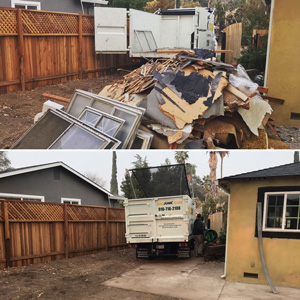
Curbside service tends to make the most sense when the junk is already outside, already gathered, and not especially difficult to move. Think bagged yard debris, a few broken pieces of furniture, old exercise equipment sitting in the garage near the door, or renovation scraps that have already been stacked in the driveway.
For some homeowners, that is enough. If you have help on hand and want to shave some cost off the job, curbside pickup can be efficient. The truck arrives, the crew loads, and the junk is gone without a long appointment or a lot of back-and-forth.
It can also work well for landlords and property managers between tenants, especially when the outgoing debris has already been pushed to the front of the property. In those cases, curbside pickup is less about convenience and more about speed. You want the property cleared fast and ready for the next step.
Where curbside pickup starts to fall short
This is the part many people do not think through until pickup day. Curbside pricing may look attractive, but it assumes you can do the lifting yourself or have someone else to do it. If the junk is inside, upstairs, behind a locked gate, mixed with loose trash, or spread across the property, curbside service stops being convenient.
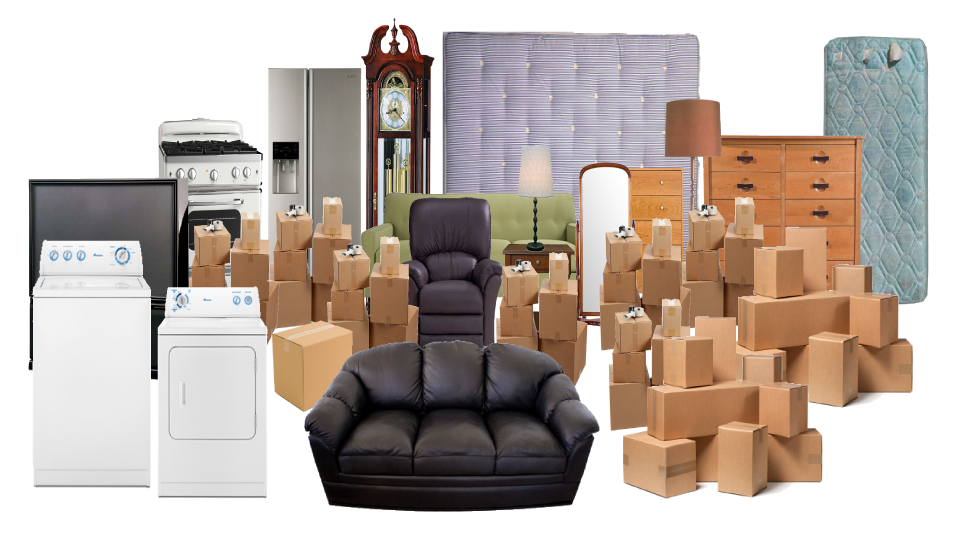
A curbside junk pickup review should also be honest about physical strain. Appliances, sectionals, mattresses, office desks, and loaded bookshelves are not easy to move. Even when customers are willing, they may not have the right vehicle access, tools, or manpower to stage everything safely.
Then there is the issue of appearance. Leaving a large junk pile at the curb can create a problem with neighbors, HOAs, tenants, or commercial customers if it sits there too long. For businesses and rental properties, that matters. A pile of junk outside the building is not a great look, especially if the schedule changes or weather rolls in.
Price matters, but so does what is included
Most people start with cost, and fair enough. Curbside pickup is often cheaper than full-service junk removal because the crew spends less time on site and does not provide as much labor. But lower price does not always mean better value.
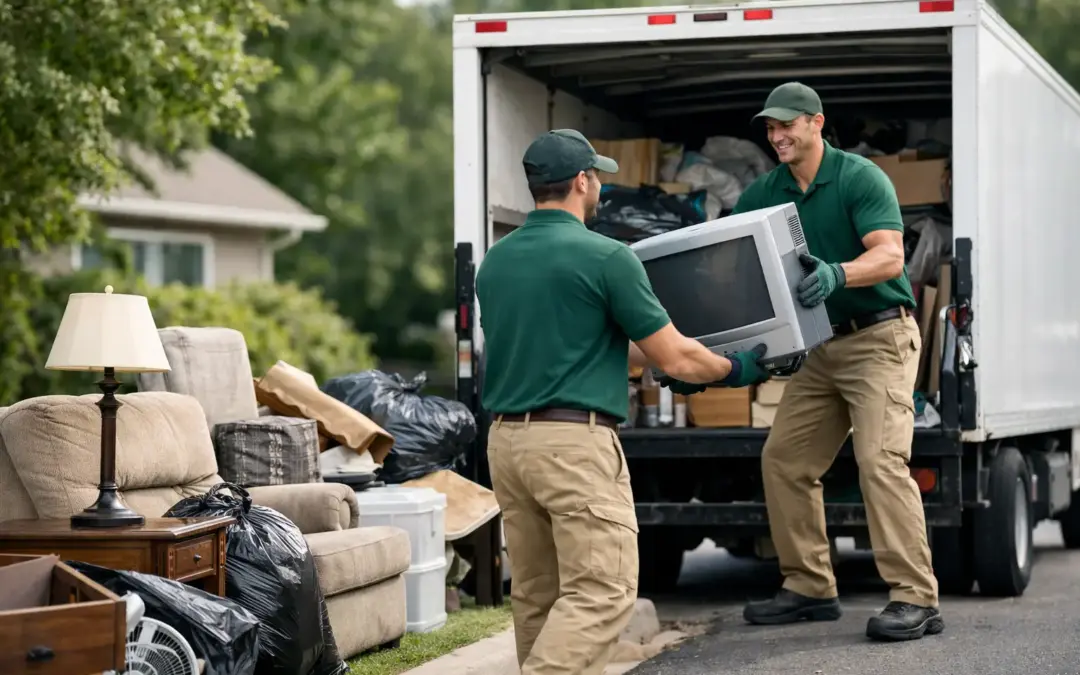
If you spend half a day hauling furniture out of a house, risk injuring your back, scratch the walls, and still need to clean up the leftover debris, the savings can disappear fast. Full-service hauling costs more because it includes the labor. The crew removes items from wherever they are, loads them, hauls them away, and usually sweeps up the area before leaving.
That difference matters most on bigger jobs. A single curbside pile is one thing. An estate cleanout, foreclosure cleanup, warehouse clearout, or post-renovation mess is another. Once the job involves labor, sorting, lifting, or multiple access points, full-service removal usually becomes the better deal.
Curbside junk pickup review for different property types
For single-family homes, curbside pickup can be a practical choice if the junk is light to moderate and easy to move. Garage cleanouts and small yard debris loads are common examples.
For apartment tenants, it depends on building layout and management rules. Carrying large items down stairs or through common areas may not be realistic, and leaving junk near the curb may not be allowed.
For landlords and property managers, curbside pickup works best when a unit has already been emptied and the remaining junk is staged outside. If the unit is still packed with abandoned furniture, trash, or appliances, full-service is usually the faster path.
For commercial properties, curbside service can help with small exterior loads, but offices, warehouses, and retail spaces often need more than that. Cubicles, shelving, old fixtures, pallet debris, and mixed trash usually require a crew that can work inside the property and clear the site completely.
What to ask before you book
If you are considering curbside service, ask direct questions. Will they take everything in the pile, or are some items excluded? Does the quote cover labor if the load is not fully at the curb? What happens if the volume is larger than expected? Do they handle mattresses, appliances, e-waste, or construction debris? Will they sweep up after loading?
You also want to know how pricing is measured. Volume-based pricing is common, and that can be fair as long as it is explained clearly. On-site quotes tend to be more accurate than vague phone estimates, especially when the load includes bulky items that take up more truck space than customers expect.
A strong local hauler should be able to explain the process plainly: you book, they confirm arrival, they look at the load, give you an upfront quote, and only start after approval. That keeps the job clear and avoids surprises.
The local factor matters more than people think
When you need junk gone quickly, a local operator often has an edge over a national franchise model. Service tends to be more flexible, crews usually know the area, and pricing can be more straightforward because there is less corporate overhead built into the job.
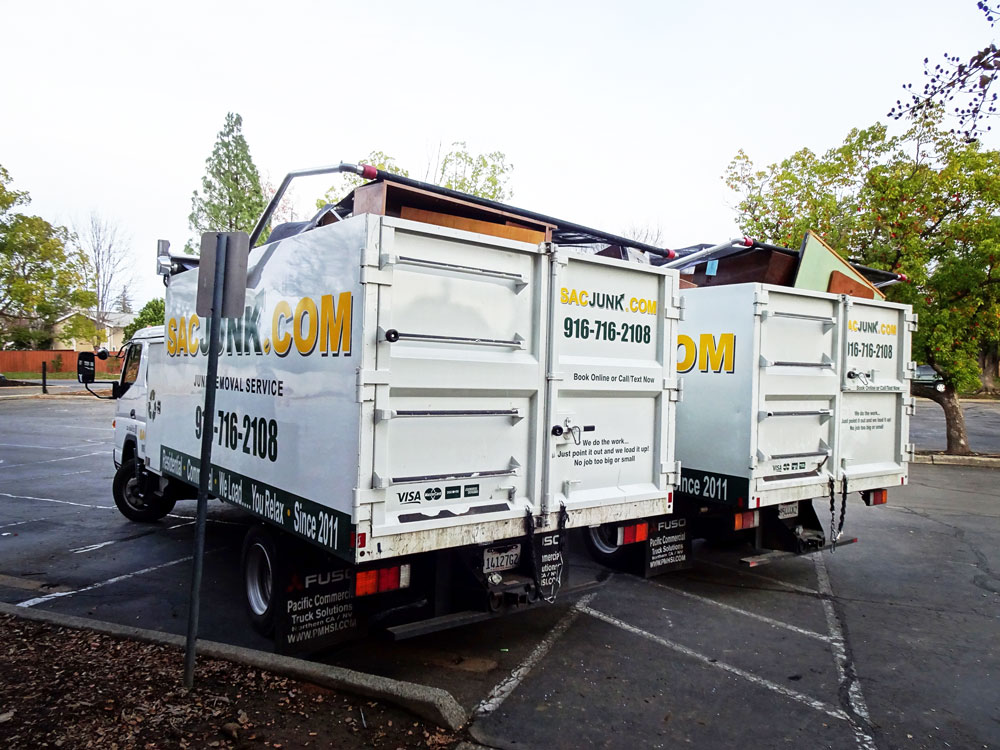
That is especially relevant in Sacramento, where pickup needs can range from suburban move-outs to commercial clearouts and contractor debris. A local company that offers both curbside and full-service removal is usually better positioned to tell you honestly which option fits the job, rather than forcing every customer into the same package.
It also helps when the company handles donation and recycling responsibly. If a portion of your load can be diverted from the landfill, that is a real value point, not just a nice extra. For many customers, especially on large cleanouts, responsible disposal is part of the buying decision.
So, is curbside junk pickup worth it?
In this curbside junk pickup review, the short answer is yes – when the junk is already outside, easy to access, and you want a lower-cost pickup. It is a useful option for smaller, straightforward loads where you do not need labor included.
But if your real problem is not just disposal and is also lifting, staging, sorting, or clearing the property quickly, curbside pickup can be the wrong tool for the job. In those cases, full-service junk removal is not a luxury. It is the service that actually solves the problem.
That is why the best companies do not just offer pickup. They help you choose the right level of service for the amount of work involved. If you are staring at a pile of junk and wondering whether curbside is enough, the right answer usually comes down to one question: do you want to save a little money, or do you want the whole mess off your plate?