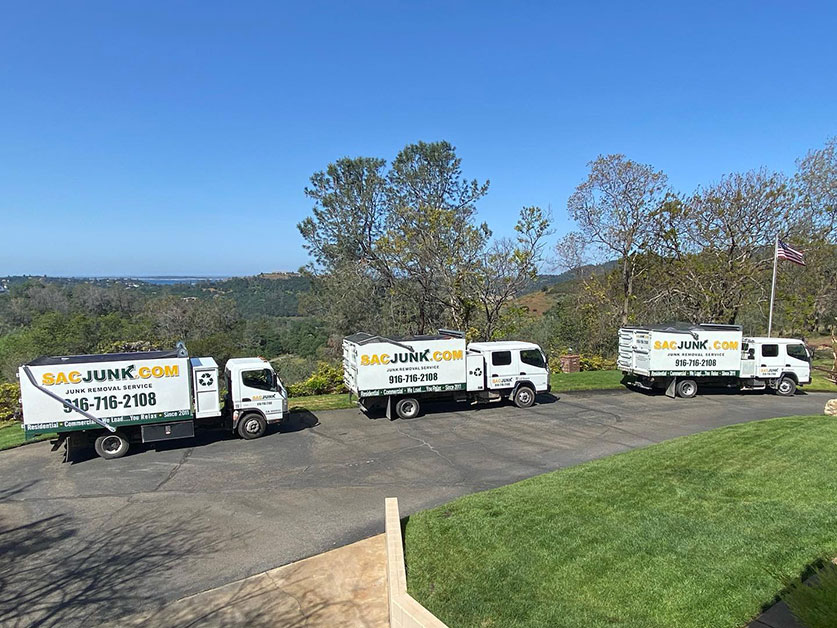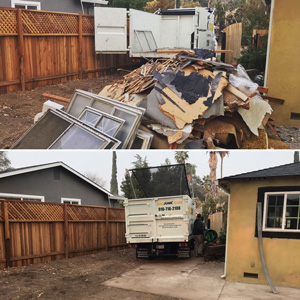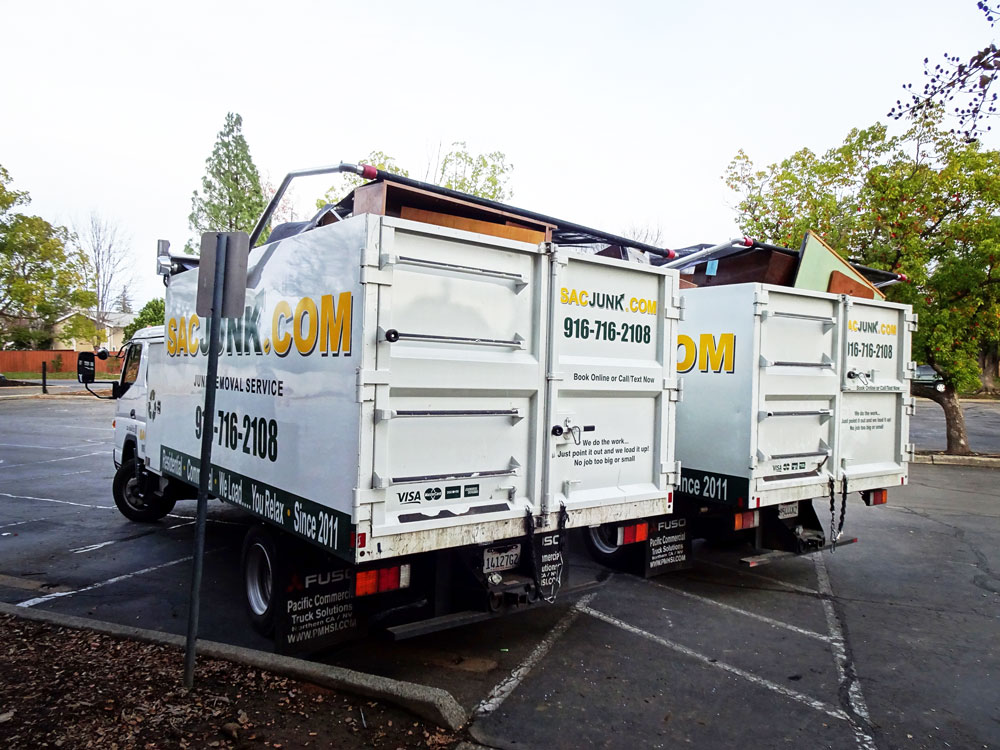
A sofa wedged in a stairwell, busted pallets behind a warehouse, a garage stacked to the ceiling – this is exactly how crews remove junk without turning your day into a full-blown cleanup project. The job is not just hauling stuff away. It is planning the load, protecting the property, doing the lifting safely, and clearing the space fast enough that you can move on.
For homeowners, landlords, contractors, and business operators, that difference matters. Anyone can toss a few bags in a truck. A real junk removal crew handles bulky items, awkward access, mixed materials, and time pressure without pushing the work back on the customer.
How crews remove junk step by step
Most full-service junk removal jobs start before a single item gets loaded. The crew needs to understand what is coming out, where it is located, and how much truck space it will take. That is why the process usually begins with a quick review on arrival. The customer points out what needs to go, and the crew checks volume, access, labor, and any special handling concerns.
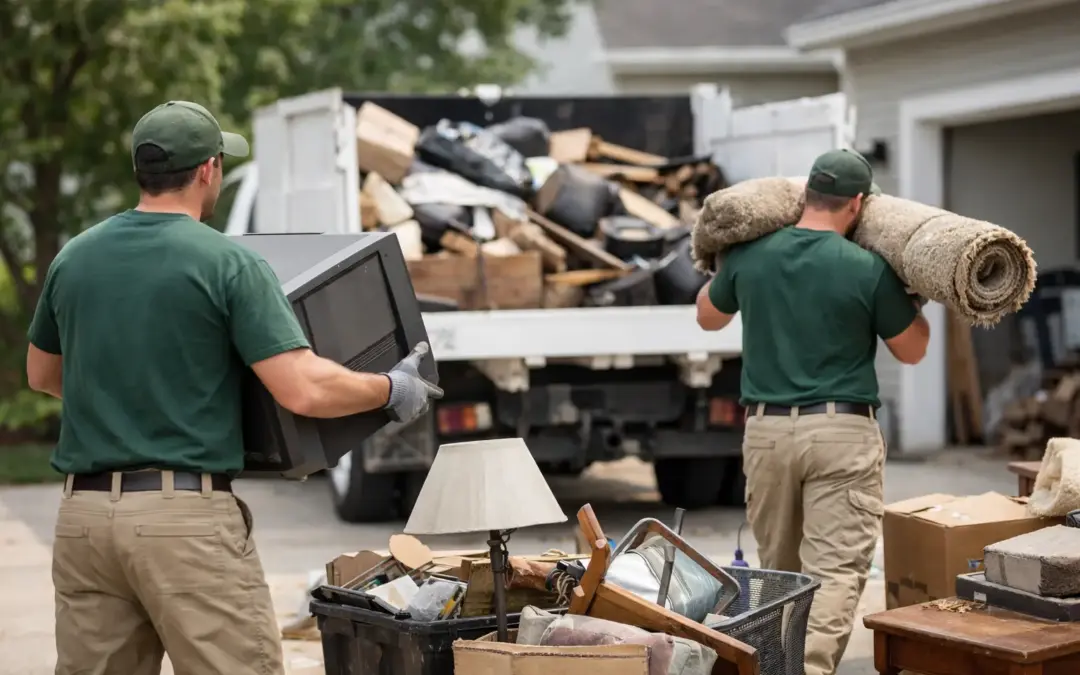
Once the quote is approved, the physical work starts. Good crews do not ask customers to drag items to the curb or break everything down first. They handle the lifting, loading, and hauling from wherever the junk is sitting – inside the house, upstairs in an office, out in a side yard, or at the back of a warehouse.
The loading itself is more methodical than people expect. Heavy items usually go first so the truck stays balanced. Loose debris gets consolidated. Recyclable or donatable items may be separated if that can be done efficiently. At the end, the crew does a basic sweep-up so the area is not left with nails, dust, or scraps scattered around.
What happens before the lifting starts
The fastest jobs usually come from clear communication up front. If a customer says, “old furniture in the garage,” that can mean three chairs or a packed two-car space. Crews often work better when they know whether the job includes appliances, mattresses, yard waste, cubicles, or renovation debris, because each one affects truck space and labor.
Access is the next big factor. A ground-floor pickup with a clear driveway is simple. A third-floor apartment, narrow gate, or fenced commercial lot changes the pace. That does not mean the job cannot be done. It means the crew has to plan the safest route out and make sure they can move large items without scraping walls, damaging railings, or blocking work areas.
This is also when pricing gets settled. Volume-based pricing is common because it is straightforward. Customers are paying for the amount of truck space used, with labor, loading, hauling, and disposal built in. That works well for mixed loads and cleanouts, although very dense materials or specialty jobs can sometimes affect pricing. The key is seeing the job on site so there are fewer surprises.
How crews remove junk safely
Safety is one of the biggest differences between a professional crew and a do-it-yourself cleanup. Junk looks harmless until someone tries to lift a sleeper sofa alone, pull a rusted shed apart, or carry an old refrigerator down wet steps. Back injuries, cuts, smashed fingers, and property damage happen fast when the work is rushed.
Professional crews rely on basic but important habits. They lift with enough people for the item, not just whoever happens to be closest. They use gloves and moving tools when needed. They break down oversized pieces if that is safer than forcing them through a doorway. They also pay attention to trip hazards, unstable stacks, and sharp debris that gets hidden under clutter.
There is a trade-off here. The fastest route out is not always the safest route out. A good crew knows when to slow down, remove obstacles, or take apart an item instead of trying to muscle it through. That can add a few minutes, but it usually saves damage and headaches.
Different properties need different removal methods
Not every junk job works the same way. In a house, the challenge is often protecting floors, door frames, and tight hallways while removing furniture, mattresses, appliances, or garage clutter. In rental properties, speed matters because every extra day can affect turnover and leasing.
Commercial jobs are different. Office cleanouts may involve desks, cubicles, e-waste separation, and working around active staff. Warehouse cleanouts often include shelving, broken equipment, pallets, and bulky debris spread across a large footprint. Construction and job site pickups can involve mixed loads that need to be cleared without slowing down the next phase of work.
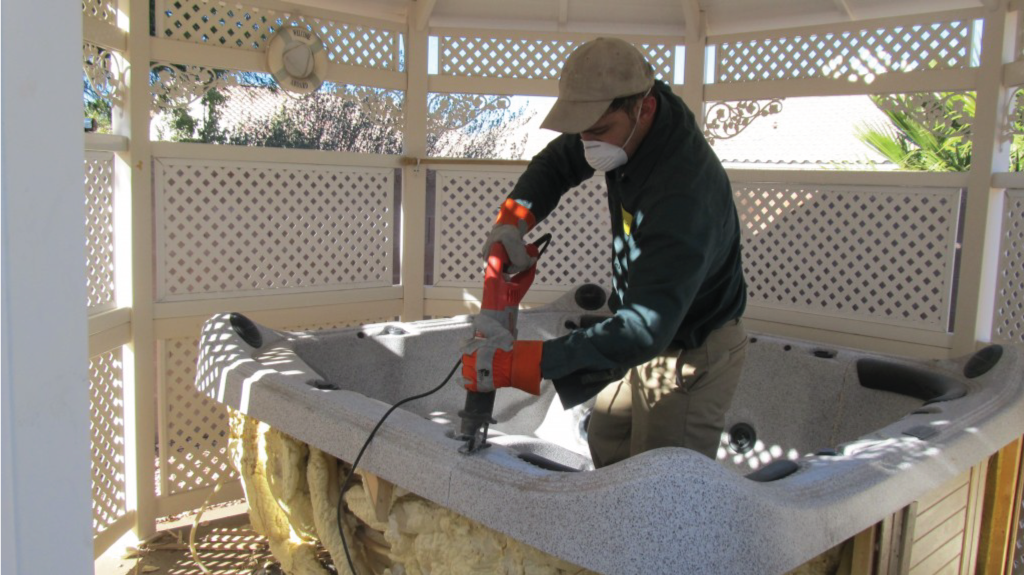
Outdoor jobs have their own issues. Yard waste, fencing, hot tubs, sheds, and trash buildup are rarely packed neatly in one pile. Weather, uneven ground, and difficult access can all change how the crew loads out. That is why experienced haulers do not treat every pickup like a simple curbside job.
What crews can usually take – and what they cannot
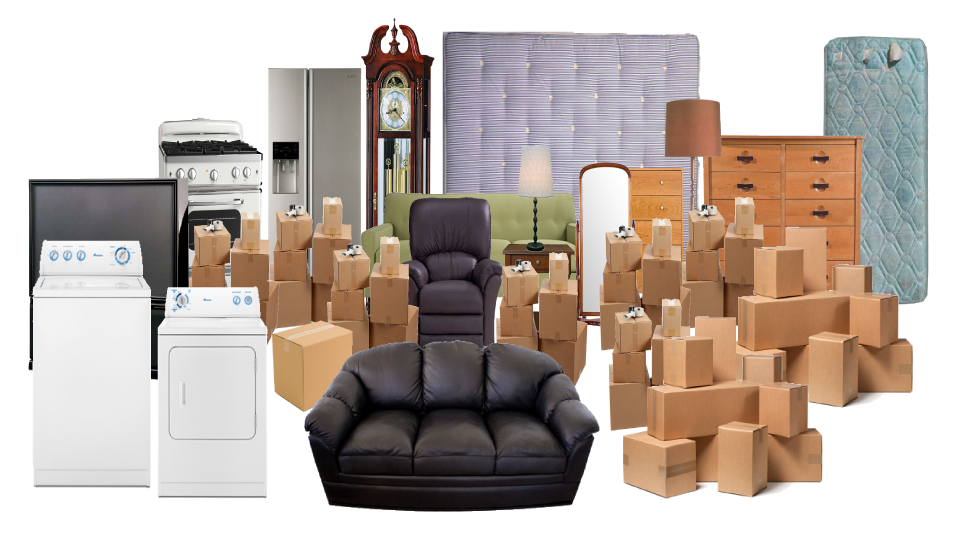
Most junk removal crews focus on non-hazardous items. That covers the bulk of what people need gone: old furniture, appliances, mattresses, boxes, yard debris, office equipment, retail fixtures, general clutter, and mixed cleanup material from move-outs or property cleanouts.
What they usually cannot take is just as important. Hazardous waste, chemicals, paint, solvents, fuels, asbestos, and certain regulated materials require different handling and disposal rules. Customers sometimes assume junk removal means anything goes, but that is not how legitimate operations work. A responsible crew will tell you what is outside the service scope instead of loading something they should not touch.
That honesty matters. It protects the customer, the crew, and the disposal process.
Why sorting and disposal matter after the truck is loaded
The job is not finished when the truck door shuts. What happens next says a lot about the quality of the service. Some items can be donated. Others can be recycled. Some materials have no practical recovery path and end up as landfill waste.
A company that sorts loads responsibly can reduce landfill volume and keep usable material in circulation. That matters for customers who want a cleaner property without feeling like everything is getting dumped. It is also a practical advantage for the community. Less waste going straight to the landfill is better for the Sacramento area and better for the long term.
There is an efficiency balance here too. Not every item is worth separating on site, and not every load can be neatly sorted item by item during a fast pickup. The best crews move quickly at the property, then process reusable and recyclable materials through their normal disposal flow whenever possible.
What customers can do to make junk removal faster
You should not have to do the hard labor, but a little prep can make the appointment smoother. If possible, identify exactly what stays and what goes before the crew arrives. On larger cleanouts, that saves time and avoids accidental removal of items you wanted to keep.
It also helps to mention access issues ahead of time. If there is a gate code, limited parking, a loading dock, stairs, or a tight pickup window, say so early. Crews can work around a lot, but they work faster when they know what they are walking into.
For landlords and property managers, photos are often useful when the site is messy or the load is large. For business owners, it helps to know whether the job needs to happen during operating hours or after closing. None of this is complicated. It just keeps the job moving.
The real value behind full-service junk removal
When people ask how crews remove junk, they are usually asking something bigger: how do I get this mess gone without losing a day, hurting my back, or guessing at the price? That is where full-service removal earns its keep.
You are paying for labor, speed, hauling, and simplicity. You are paying for a crew that shows up, gives you a clear quote, does the lifting, loads the truck properly, and leaves the area cleaner than they found it. If the company is local, accountable, and set up to donate and recycle a meaningful share of the load, even better.
At Sac Junk, that is the point of the service. Customers do not call because they want a truck. They call because they want the burden gone.
If you are looking at a room, yard, office, or job site that needs to be cleared, the smartest move is usually the same one – let a crew handle the work so you can get your space back and get on with what matters next.