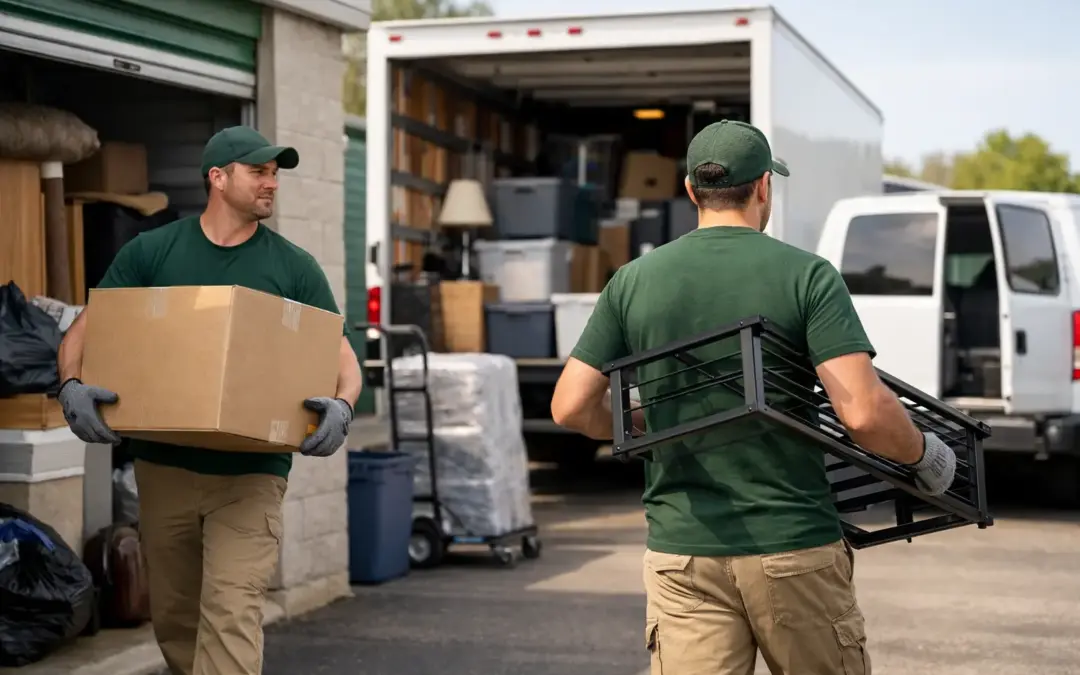
That monthly storage bill gets expensive fast, especially when the unit is packed with furniture, boxes, broken appliances, and things nobody has touched in years. If you’re figuring out how to clear storage units without losing a full weekend, the real job is not just emptying the space – it is making fast decisions, moving heavy items safely, and getting everything out before the clock and rental fees keep running.
For most people, storage units become a holding zone for delayed decisions. Move-outs, evictions, estate cleanouts, business overflow, and renovation leftovers all end up behind a roll-up door. Then one day you need it gone, and suddenly the job is bigger than it looked from the entrance.
How to clear storage units without wasting time
The biggest mistake is showing up with no plan and starting from the front. That sounds productive, but it usually turns into opening old boxes, getting distracted, and moving the same items twice. A faster approach is to decide your categories before you touch anything.
Keep it simple. Most storage unit contents fall into five groups: keep, donate, recycle, trash, and heavy items that need hauling. If you make every item fit one of those buckets, the job moves a lot quicker. The goal is not perfect organizing. The goal is getting the unit cleared.
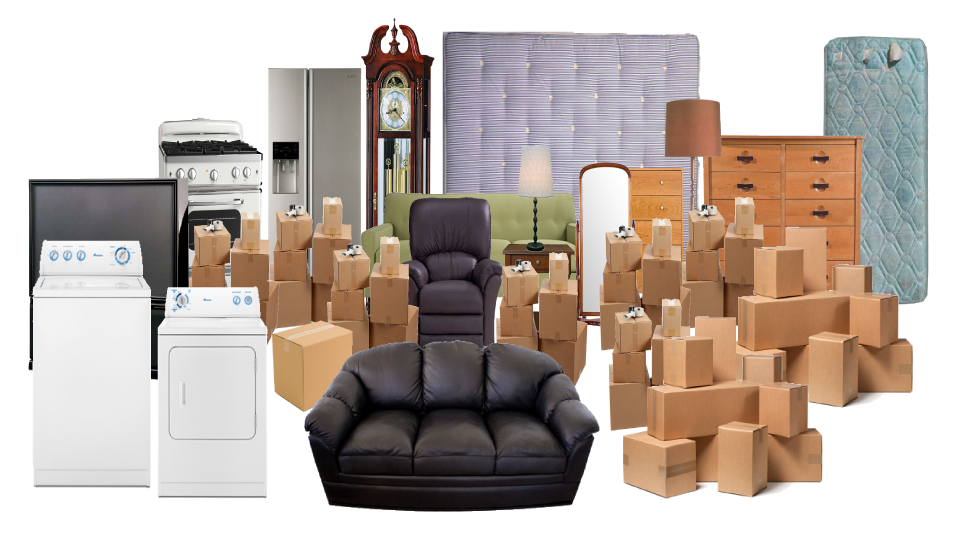
Start by opening the unit and taking a quick visual inventory. Look for obvious bulk first – couches, mattresses, dressers, shelving, appliances, bags of clothes, loose debris, and damaged boxes. Large items set the pace because they take up the most room and usually require the most labor. Once those are out, the smaller decisions get easier.
If the unit belongs to a business, landlord, or property manager, do one more step first. Check for anything tied to records, keys, devices, contracts, tenant files, or equipment tags. Commercial and rental property cleanouts often have a few items that matter more than the rest, and you do not want those mixed into the trash pile by accident.
Start with access, safety, and a time limit
Before you haul a single thing, make sure you have room to work. If the unit is overpacked, create a three-foot path from the front to the back. That path matters more than people think. It prevents trips, speeds up loading, and gives you a clean way to remove bulky items without dragging everything over loose boxes and broken furniture.
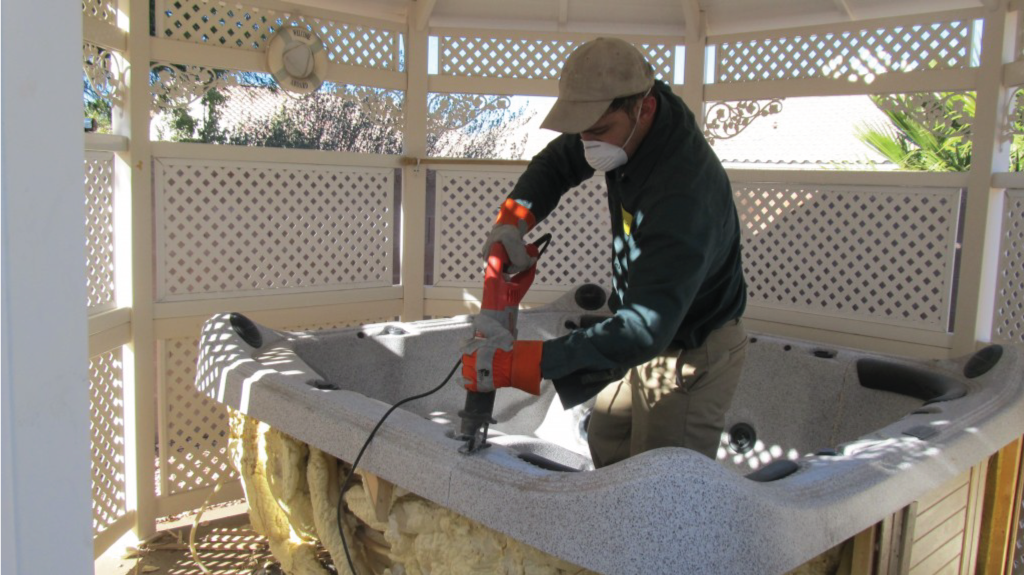
Wear gloves and closed-toe shoes. Storage units often hold more than clutter. You may run into dust, exposed nails, cracked glass, unstable stacks, pest droppings, or water-damaged materials that fall apart when lifted. If you are dealing with old shelving or swollen particle board furniture, expect it to break while moving.
Then set a hard deadline. Give yourself a target like two hours to sort and two hours to clear, or one truckload by noon. Without a cutoff, storage cleanouts expand to fill the day. A time limit forces faster decisions, which is exactly what clears the unit.
Sort for speed, not sentiment
This is where many cleanouts stall. People stop to read papers, test electronics, or debate whether a chipped side table might still be useful someday. If you need the unit empty, sentiment has to take a back seat to pace.
Pull out obvious trash first. Broken furniture, ruined mattresses, soaked cardboard, torn bags, unusable décor, and low-value debris should not stay in the decision zone. Remove it early so it does not keep taking up space or attention.
After that, pull out obvious keeps. Important documents, labeled family bins, business records, tools you actively use, or clearly valuable items should go straight into a separate vehicle or protected area. Do not leave your keep pile near the haul-away pile unless you want expensive mistakes.
Everything else gets judged quickly. If it has not been used in years, has no resale value, and costs money to keep stored, it is probably time for it to go. That is especially true with old couches, damaged office furniture, low-end particle board shelving, and mystery boxes nobody wants to reopen.
Bulky items are usually the real problem
If you want to know how to clear storage units efficiently, focus on the pieces that require the most labor. Sofas, refrigerators, washers, cubicles, mattresses, filing cabinets, and packed shelving units are what slow most people down. They are awkward, heavy, and difficult to dispose of legally.
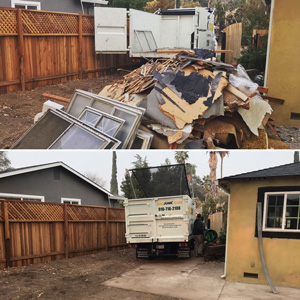
This is also where DIY has limits. If you have a pickup truck and a few helpers, a small unit may be manageable. But if the unit contains oversized furniture, commercial fixtures, or multiple loads of junk, you can burn hours on loading, unloading, dump runs, and disposal fees alone. What looks cheaper on paper can get expensive once you factor in labor, truck rental, fuel, and your time.
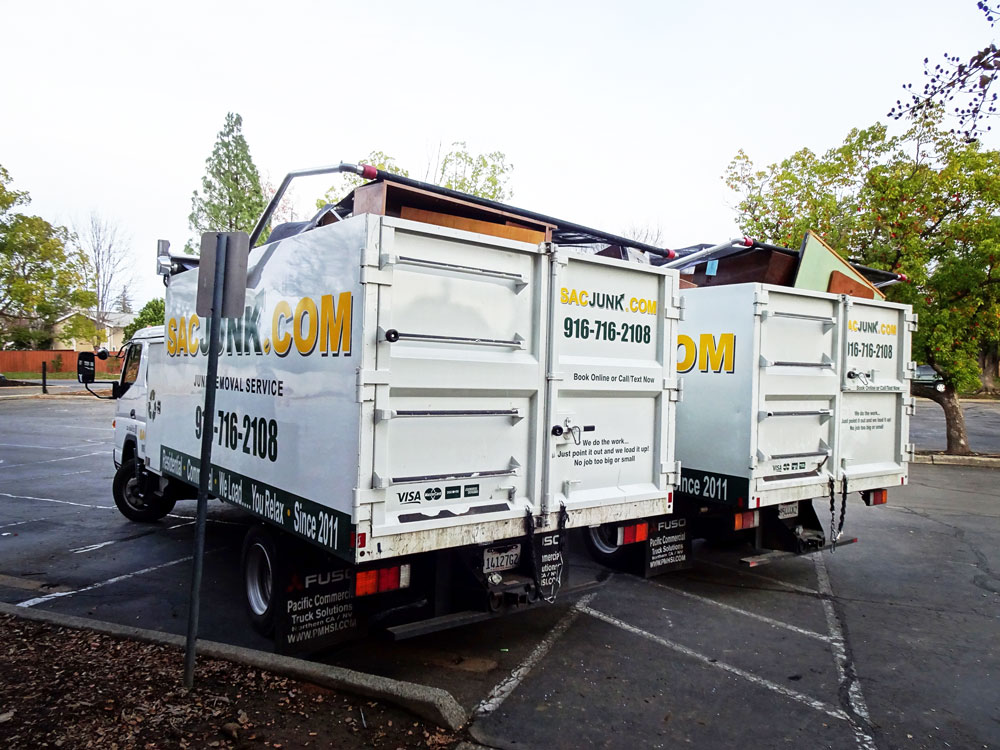
There is also the issue of stairs, elevator access, narrow aisles, and storage facilities with strict move-out rules. Some sites want the unit broom-clean, some limit dumping access, and some have fixed gate hours. A full-service junk removal crew can usually move faster because the lifting, loading, hauling, and cleanup are handled in one shot.
Donation and recycling can reduce landfill waste
Not everything in a storage unit belongs in the dump. Clothing, usable furniture, metal items, tools, décor, and some household goods may be recyclable or donatable depending on condition. If your main goal is speed, you do not need to sort with museum-level detail, but separating obviously reusable items can still make sense.
The trade-off is time. If you are trying to avoid another month of storage rent, calling five charities and driving donations across town may not be worth it. That is why many people prefer a hauling service that already handles donation and recycling where possible. It keeps the job moving while still cutting down on landfill waste.
For Sacramento-area customers, that can matter on larger cleanouts. Estate units, office storage, and long-abandoned rental overflow often contain a mix of junk and reusable goods. Having one crew remove everything and sort it responsibly after pickup is often the most practical option.
Know what cannot go in standard junk removal
Most non-hazardous junk from storage units can be removed, but there are exceptions. Paint, solvents, chemicals, fuel, asbestos, ammunition, and certain biohazards usually require specialized handling. Some electronics, tires, and appliances may need separate processing depending on the item and local requirements.
That is why a quick screening matters before cleanup day. If you spot anything questionable, set it aside and identify it before loading starts. A good rule is simple: if it leaks, burns, corrodes, or looks industrial, do not assume it can go with general junk.
When it makes sense to hire help
There are plenty of cases where doing it yourself is fine. A small 5×5 unit with a few boxes and lightweight furniture is not a major production. But if you are dealing with a packed unit, a property turnover, an estate, or commercial overflow, speed matters more than proving you can do it alone.
Hiring help makes the most sense when labor is the bottleneck. Maybe you do not have enough people to lift safely. Maybe the unit has to be cleared this week. Maybe you are a landlord trying to turn space fast, or a business owner who cannot spend the day at a storage facility sorting old inventory and broken office furniture.
That is where a full-service crew earns its keep. You approve the quote, and the crew handles the lifting, loading, hauling, and sweep-up. No chasing helpers. No multiple dump runs. No trying to figure out how to get a dead refrigerator out of the back of a unit.
A simple plan that works
If you need a practical way to approach the job, keep it straightforward. Show up with boxes, gloves, trash bags, and a clear vehicle strategy. Make one pass for keeps, one pass for trash, and one pass for heavy haul items. Do not reorganize the unit. Empty it.
If the volume is more than one vehicle load, or if bulky items are stacked deep, get hauling help before you start moving smaller things around. Otherwise, you risk doing all the sorting work and still ending the day with half the unit left.
For larger storage cleanouts in Sacramento, especially ones tied to move-outs, rental property turnover, business closures, or estate situations, bringing in a local junk removal crew is often the fastest path from packed unit to clean, usable space. You are not just paying for disposal. You are paying to remove the labor, the delays, and the headache.
Storage units are supposed to hold things temporarily. If yours has turned into an expensive backlog of furniture, boxes, and old problems, the best move is usually the simplest one: make fast decisions, clear the big items first, and get the space back under control.