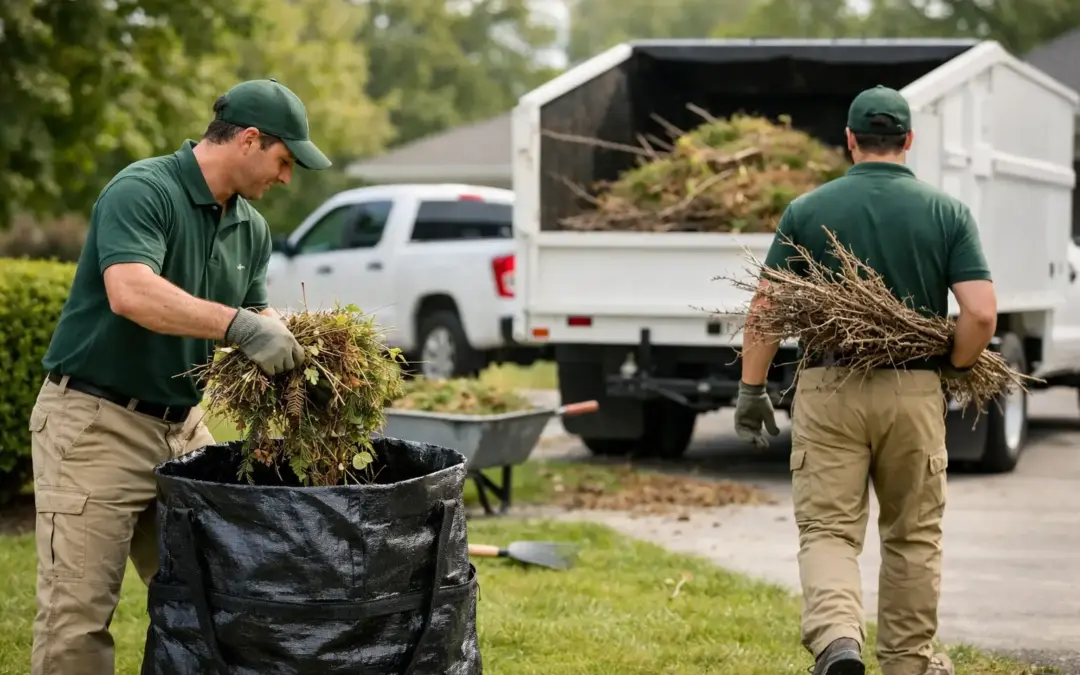
A yard can go from manageable to overwhelming in one weekend. A hard pruning job, a windstorm, a fallen fence panel, or an overdue cleanup can leave piles of branches, leaves, soil, old planters, and broken outdoor furniture with nowhere to go. Knowing how to remove yard debris starts with separating what can be handled through regular green waste service from the heavy, bulky, or mixed-material piles that need hauling.
The best approach depends on the size of the cleanup, the type of material, and how much lifting you can safely take on. A few bags of leaves are one thing. A backyard full of cut tree limbs, rotting lumber, landscaping leftovers, and an old barbecue is a different job entirely.
How to Remove Yard Debris Step by Step
Start by walking the property before you begin moving anything. Look for more than obvious piles of leaves and branches. Yard debris often gets mixed with items that do not belong in an organics cart, including plastic edging, broken patio furniture, scrap wood, garden hoses, pots, wire fencing, and old tools.
Make separate piles for green waste, reusable items, recyclable materials, and trash. This takes a little extra time up front, but it makes disposal safer and prevents a pile of clean branches from becoming a mixed load that is harder to recycle.
Green waste generally includes loose leaves, grass clippings, small branches, weeds, and plant trimmings. Keep soil, rocks, lumber, plastic bags, and pet waste out of that pile. If you have a large amount of branches, stack them with the cut ends facing the same direction. They will be easier to bundle, load, or haul away.
For large limbs, cut them into sections you can safely carry. Do not try to wrestle an oversized, tangled branch across the yard by yourself. A limb can be heavier than it looks, and hidden thorns, nails, or uneven ground can turn a simple cleanup into an injury.
Once the piles are sorted, decide whether your regular collection service can handle the job. If it is only a few containers of green waste, that may be the most affordable option. If the debris is taking up a driveway, blocking access, or includes bulky outdoor junk, a full-service hauling crew is usually the faster answer.
Know What Counts as Yard Debris
Not every outdoor item should be treated the same. Separating materials helps you avoid loading prohibited items into a green waste cart or paying for more disposal than necessary.
Common yard debris includes branches, brush, leaves, grass, weeds, hedge trimmings, palm fronds, fallen fruit, and untreated natural wood. These materials may be composted, mulched, or processed as green waste when they are kept relatively clean.
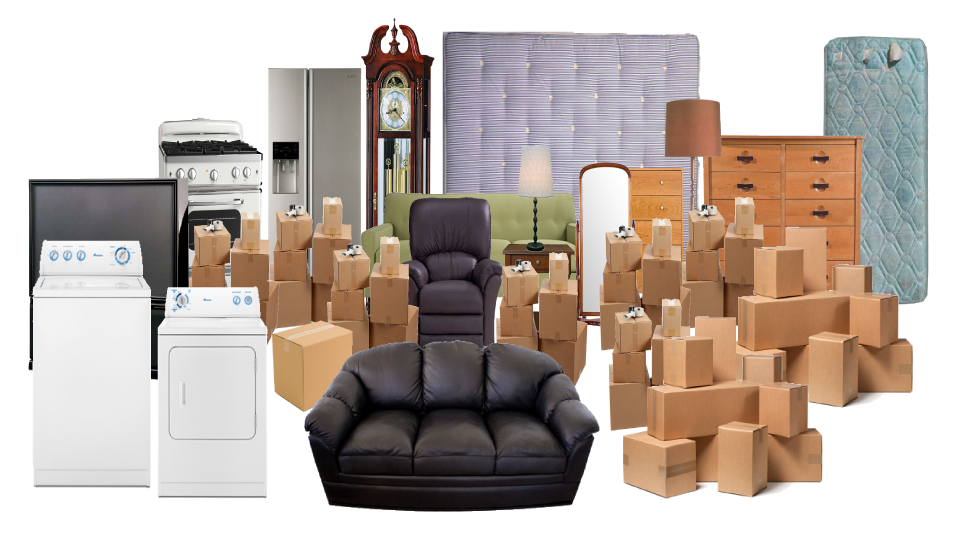
Then there is the debris that comes with a bigger outdoor cleanup. This can include old fencing, damaged deck boards, railroad ties, landscape timbers, bags of soil, concrete chunks, broken pavers, planter boxes, grills, patio sets, lawn equipment, and worn-out sheds. Some of these materials require different disposal methods because they are too heavy, treated, mixed, or awkward for normal curbside service.
Be especially careful with treated wood, paint cans, chemicals, fuel, pesticides, batteries, and anything that may be hazardous. These items should not be mixed into a general yard debris pile. Set them aside and follow local hazardous waste disposal rules. A reputable junk removal company can haul non-hazardous outdoor materials, but hazardous products need specialized handling.
Use Your Green Waste Service for Small Cleanups
For routine yard maintenance, curbside green waste collection is often enough. Bag or containerize material according to your local collection rules, and avoid overfilling carts. Wet leaves, dirt, and freshly cut grass become surprisingly heavy.
If your area allows bundled branches, use natural twine rather than wire or plastic cord. Keep bundles short enough to lift comfortably and within the collection limits for your neighborhood. Cutting branches down before collection can save you from having a pile sit at the curb for weeks.
This option works best when you have time to spread the cleanup over several pickup days. It is less practical after a major landscaping project, tenant move-out, storm cleanup, or property turnover where the debris needs to be gone now.
Rent a Dumpster Only When It Makes Sense
A dumpster can work for ongoing projects that produce debris over several days, such as a major yard renovation or demolition job. It gives you a place to toss material as you work, but it also puts the loading, sorting, and heavy lifting on you.
Before renting one, think about access. You need enough driveway or street space for delivery, and you may need to protect concrete or landscaping from the container. Dumpsters can also be inefficient for a one-time cleanup if you are paying for a container that is only half full.
For a single large pile, full-service removal is often more straightforward. A crew loads the debris, hauls it away, and clears the area without leaving a container parked on your property. That is especially useful for landlords, property managers, and homeowners preparing for inspections, showings, or new landscaping work.
When to Call for Yard Debris Removal
Call for professional hauling when the job involves more than ordinary green waste or when the physical work is not worth the risk. Large branches, dense brush, wet soil, fence materials, old sheds, and abandoned outdoor furniture can fill a truck quickly and are difficult to move safely without help.
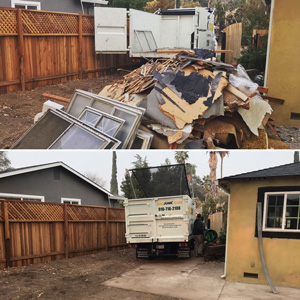
A hauling service is also the right choice when debris is mixed. For example, a backyard cleanup may include tree trimmings, a rusted swing set, broken pots, lumber, an old lawn mower, and boxes left behind by a former tenant. Sorting and making separate disposal runs can eat up an entire day. One pickup keeps the property moving forward.
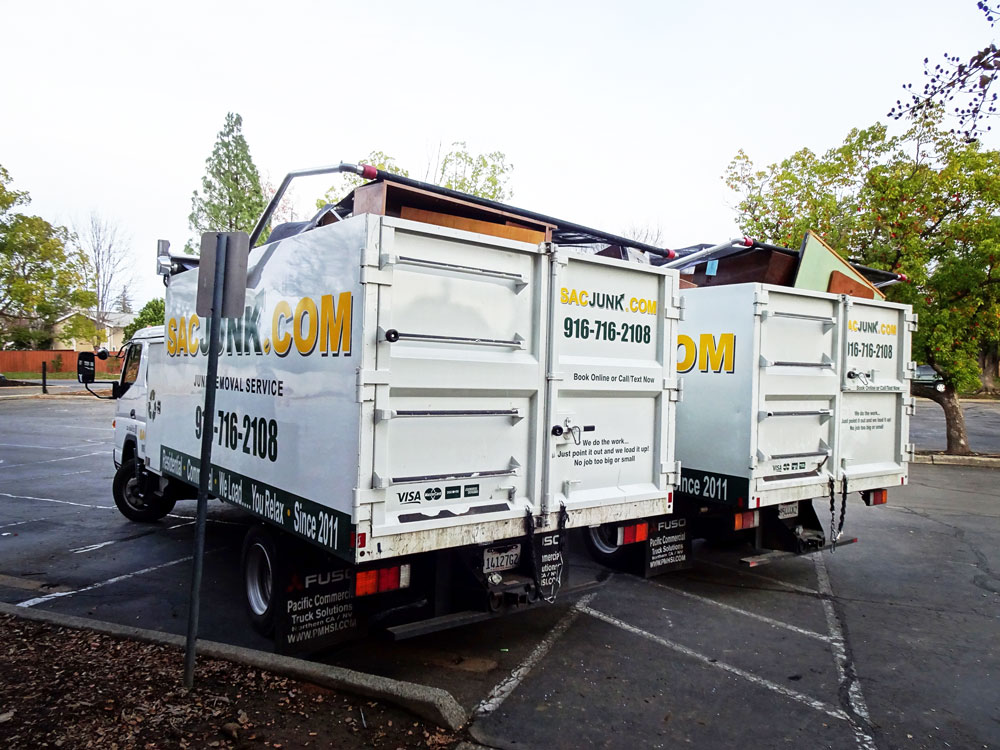
Sacramento-area customers often need this kind of service after seasonal pruning, rental turnovers, fence replacements, or backyard projects that got bigger than expected. Sac Junk provides full-service pickup for non-hazardous yard waste and outdoor junk, with the crew handling the lifting, loading, hauling, and final sweep-up after you approve the on-site quote.
Keep the Cleanup Safe and Efficient
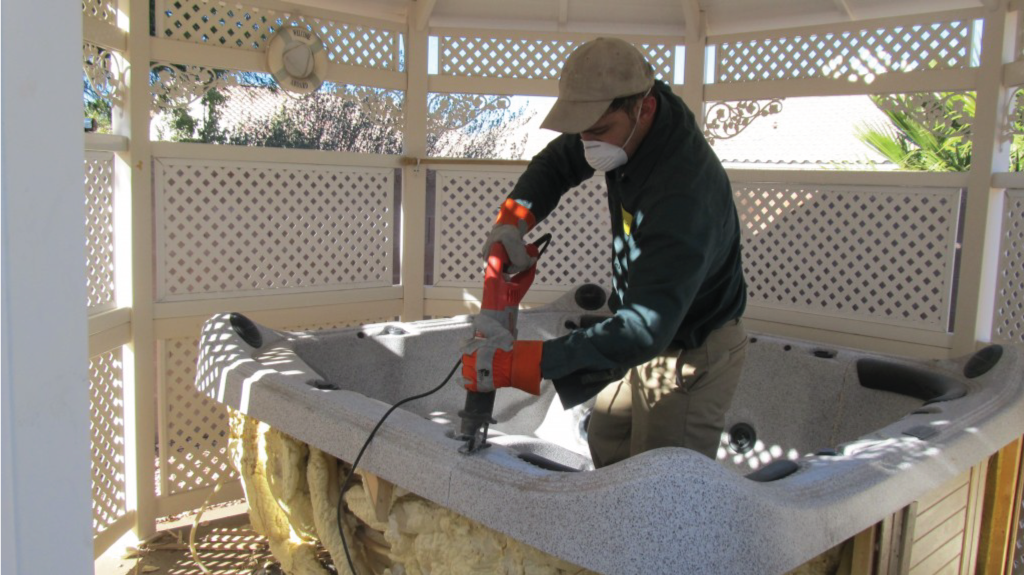
Wear work gloves, closed-toe boots, and eye protection when handling brush or broken materials. Long sleeves are worth it around thorny plants, sharp branches, and old fencing. Check piles carefully before grabbing them, particularly if they have been sitting for a while. You may find nails, broken glass, insects, or small animals underneath.
Lift with a clear path to where you are going. Do not carry a heavy branch backward, step over hoses, or drag sharp materials across walkways where they can damage surfaces. Use a wheelbarrow or yard cart for soil, rocks, and dense bags of leaves rather than trying to carry everything by hand.
If you are using a chainsaw or cutting large limbs, stop if the work is beyond your experience. Branches under tension can snap or shift unexpectedly. Tree work near power lines, roofs, or structures should be handled by qualified professionals before the debris removal begins.
Do Not Let Debris Sit Too Long
A small pile of clippings may not seem urgent, but yard debris can create bigger problems when it sits. Wet leaves can stain concrete and become slippery. Brush piles can hold moisture, attract pests, and become a fire concern during dry conditions. Old lumber and outdoor clutter also make a property look neglected, which matters when you are selling a home, managing a rental, or maintaining a commercial site.
The simplest plan is to clean as you go. Keep a dedicated spot for green waste during routine maintenance, schedule collection before piles grow, and deal with bulky outdoor items as soon as you know they are no longer useful. When the load is too large for your cart, too heavy to move safely, or too mixed for easy disposal, bring in a crew that can clear it in one trip.
A clean yard gives you more than curb appeal. It gives you usable space again, without spending your weekend making multiple runs to the dump.