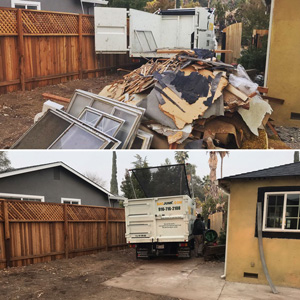

An eviction may give you back access to a rental, but it does not always leave you with an empty unit. Furniture, clothing, boxes, appliances, trash, and personal papers can all remain behind. Knowing how to manage eviction leftover belongings protects your property, keeps turnover moving, and helps you avoid making a rushed decision that creates a bigger problem later.
For Sacramento-area landlords and property managers, the goal is simple: secure the unit, follow the required process, document what is there, and clear the property only when it is appropriate to do so. The physical cleanup can be fast. The legal timeline for abandoned property may not be.
Start With the Legal Process, Not the Cleanup
Once an eviction is complete and you have lawful possession of the property, resist the urge to immediately put every remaining item at the curb. California rules around personal property left after a tenancy can apply, and the right process depends on the circumstances of the eviction, the type and value of property left behind, and whether the former tenant can be reached.
This article is a practical property-cleanup guide, not legal advice. Before disposing of belongings, confirm your obligations with qualified legal counsel or a local landlord association. That quick check is especially worthwhile when you find valuable items, personal records, vehicles, medication, firearms, or anything that could create a dispute.
A clean rental is valuable, but a documented and properly handled turnover is worth more.
Secure the Unit and Document Everything
Your first job is preserving the condition of the property. Change locks when legally permitted, secure windows and doors, and limit access to authorized staff. Do not allow maintenance crews, new tenants, neighbors, or vendors to sort through items before you have a clear record of what was left behind.
Take wide photos of every room first, then photograph individual items that appear valuable or unusual. Include closets, cabinets, garages, patios, storage sheds, and outdoor areas. Video can also help show the overall condition of the unit before anything is moved.
Create a basic written inventory as you go. It does not need to be overly complicated. Note the room, a general description, and the condition of the item. For example, “living room: gray sectional sofa, worn condition,” or “bedroom closet: three boxes marked tax files.” Keep copies of your photos, notices, inventory, and any communication with the former tenant in the tenant file.
This documentation is useful for more than abandoned belongings. It can also support your move-out condition report, cleaning decisions, repair planning, and any claim for unpaid damage where allowed.
Separate Property From Trash Carefully
Not everything left in a unit deserves the same handling. A bag of spoiled food is different from a box of family photos. Broken particleboard furniture may be different from a working refrigerator. The challenge is that what looks like trash to a turnover crew may still be considered personal property.
A practical approach is to make three working categories: obvious trash and spoiled materials, ordinary personal belongings, and items that may have meaningful value. Keep those categories separate until you have confirmed the proper next step.
Obvious trash may include food waste, dirty disposable items, empty containers, and contaminated materials. Ordinary belongings may include clothing, furniture, dishes, books, toys, and boxed household goods. Potentially valuable property includes electronics, tools, jewelry, documents, collectibles, safes, and newer appliances.
Use caution with personal documents. Mail, tax records, medical paperwork, identification, and financial records should not be tossed into an open dumpster. They may require secure handling and destruction after the applicable holding requirements are met.
Give Proper Notice and Store Items Safely
When notice and storage are required, treat the belongings like an organized short-term inventory, not a pile in the hallway. Use a secure, dry location with controlled access. Label boxes or sections by room and keep your inventory updated as items are moved.
Do not use the vacant unit as long-term storage if it will delay repairs, showings, or a new lease. It can also create confusion about whether the unit is truly ready for turnover. Off-site storage, a designated secured maintenance area, or another appropriate location may make more operational sense.
The former tenant may need information about how to retrieve their property, where it is located, applicable deadlines, and any permitted storage or moving costs. The exact notice content, delivery method, deadlines, and disposal options can vary. Confirm those details before sending anything.
Do not overlook special items
Certain items require a different response than standard household junk. Firearms should be handled according to applicable law and with appropriate law-enforcement guidance. Prescription drugs, chemicals, paint, propane tanks, batteries, and other hazardous materials should not be mixed into a general junk load. If you find an animal, contact the proper local animal service agency right away.
Vehicles, trailers, and boats can also involve separate procedures. Do not assume that a car left in the driveway is just another abandoned item to haul away.
Plan the Turnover Around the Holding Period
Property managers often lose time because cleanup, repairs, and storage are treated as one task. They are better handled as separate workstreams.
You can usually begin planning the turnover immediately. Get repair estimates, schedule cleaning, inspect flooring, assess paint, and identify materials that are clearly garbage or unsafe. But do not let a cleanup crew remove stored personal property until your legal process allows it.
A smart turnover plan keeps the work moving without crossing lines:
- Secure and document the unit as soon as possession is returned.
- Inventory and separate belongings from trash, hazardous materials, and maintenance debris.
- Send required notices and arrange secure storage when needed.
- Schedule cleaning, repairs, and final removal for the earliest lawful date.
This approach prevents the common mistake of booking a full cleanout too soon, then realizing that a portion of the load must be retrieved, stored, or accounted for. It also helps you line up vendors so the unit can be turned quickly once the property is cleared.
Choose the Right Removal Option When It Is Time
After the required holding period and disposal process are complete, move quickly. Leftover belongings take up space, hold odors, attract pests, and slow down contractors. A vacant property earns nothing while it sits full of old furniture and bags of debris.
For a small load, your maintenance team may be able to handle the work. For a full apartment, house, garage, or outdoor area, professional junk removal can save substantial labor and downtime. The right crew should handle the lifting, loading, hauling, and basic sweep-up so your staff can focus on repairs and leasing.
Before booking, give the removal company an honest picture of the job. Mention stairs, elevators, oversized furniture, appliances, mattresses, yard debris, garage access, and any items that cannot go in a standard junk load. Ask for on-site pricing before work begins, especially when the volume of material is hard to estimate from photos.
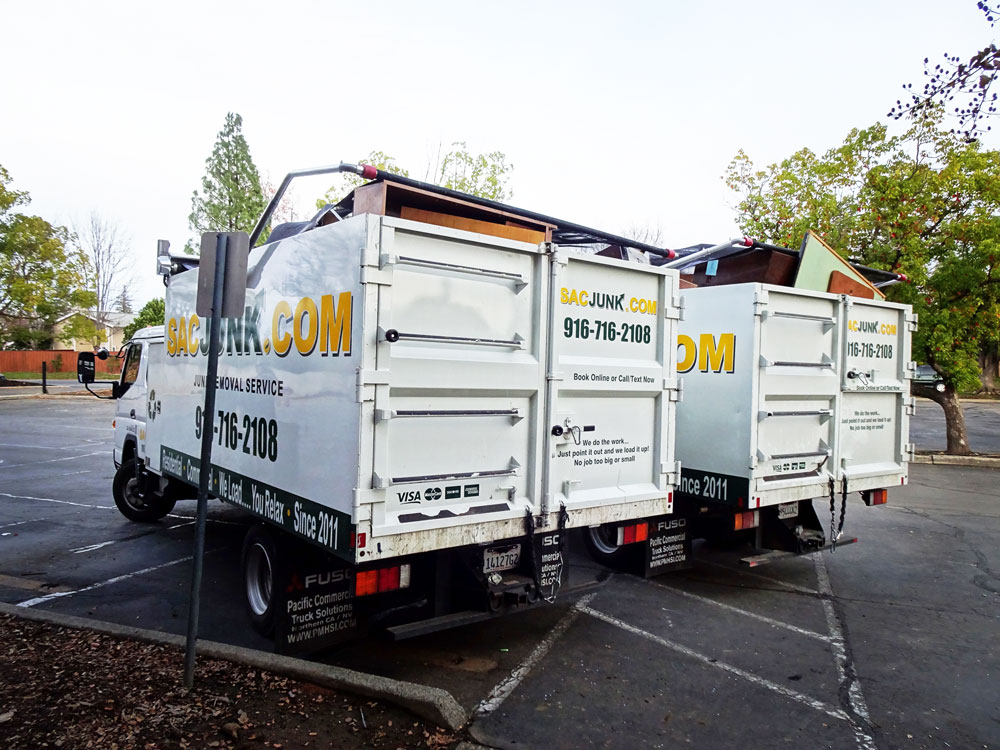
At Sac Junk, crews help Sacramento landlords and property managers clear non-hazardous leftover furniture, household junk, appliances, and rental cleanout debris without making your team do the lifting. Pricing is based on the amount removed, and the crew can sort reusable materials for donation and recycling whenever possible.
Keep Your Next Eviction Cleanup Easier
The best time to improve an eviction turnover process is before the next one happens. Build a simple internal checklist for lock changes, photos, inventory, notices, storage, vendor scheduling, and final inspection. Make sure maintenance staff knows who can authorize removal and which items must be set aside.
It also helps to keep a short list of reliable cleanup partners before you need them. Evictions, abandoned belongings, and sudden move-outs rarely arrive on a convenient schedule. Having a hauling crew ready means you can act fast when the unit is legally clear, rather than losing more days waiting for a cleanup appointment.
When the paperwork is handled and the property is ready, clearing the space should be the easy part. A fast, well-organized cleanout gives you a safer unit, a cleaner turnover, and a better chance to get the next qualified tenant through the door without delay.