
A move-out gets messy fast. What looks like a few boxes, a mattress, and some garage leftovers can turn into a full cleanout once you start opening closets, cabinets, and side yards. If you need a move out cleanout example, the easiest way to think about it is by room, by item type, and by what has to be gone before keys change hands.
For renters, the goal is usually getting the place empty enough to avoid extra charges. For landlords and property managers, it is turnover speed. For homeowners, it is often about leaving behind less stress and fewer last-minute hauling problems. The cleanout itself is not complicated, but it does get heavy, time-sensitive, and easy to underestimate.
A real move out cleanout example
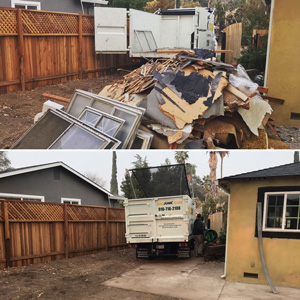
Picture a two-bedroom rental after the tenant has already taken the items they want to keep. What is left behind is common stuff – one old couch, a broken bed frame, two stained mattresses, a dining table, bagged clothing, loose kitchen items, cleaning products, a damaged dresser, and a patio pile of yard debris and random storage bins.
Inside, the living room still has furniture too bulky for a regular trash pickup. The bedrooms have mixed junk and usable donation items. The kitchen has small appliances, pantry leftovers, and cabinets with odds and ends nobody wanted to pack. The garage has paint cans that need separate handling, plus scrap wood, cardboard, and a few rusted tools. Outside, there is a broken grill, branches, and trash from move-out day.
That is a typical cleanout. It is not a hoarding situation, and it is not a light curbside pickup either. It sits right in the range where people realize they need labor, hauling, and a truck big enough to clear everything in one shot.
What usually gets included in a move out cleanout
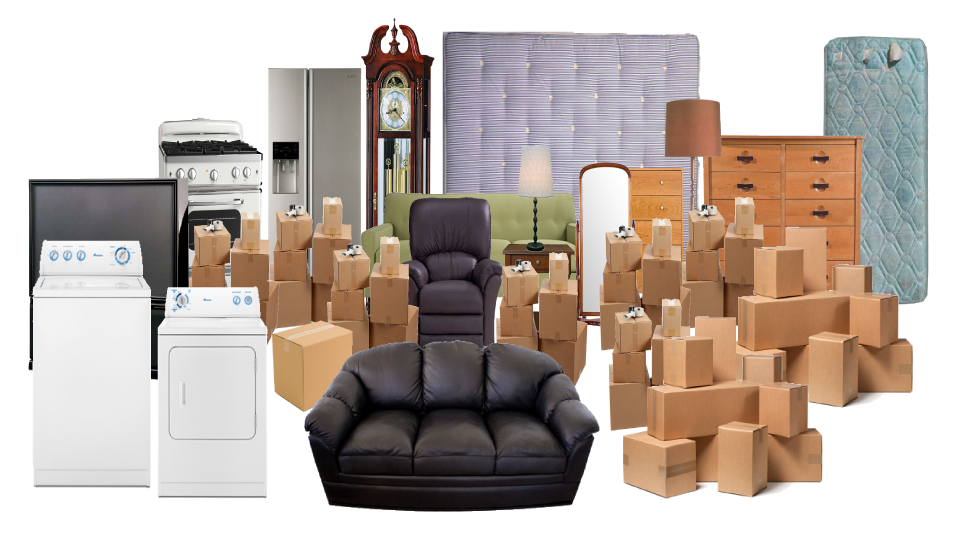
Most move-out cleanouts combine bulky junk, loose trash, and leftover household items. Furniture is the big one – couches, dressers, tables, chairs, bed frames, and entertainment centers. Mattresses and box springs are also common because many people do not want to move older beds into the next place.
Appliances come up often too, especially mini fridges, washers, dryers, microwaves, and old freezers from garages. Then there is the small stuff that adds up: bags of clothes, toys, dishes, broken storage bins, lamps, rugs, and piles of mixed paper or cardboard.
Outdoor areas matter more than people think. A landlord walking a property will notice the side yard, patio, or carport just as fast as the interior. Old planters, fencing scraps, yard waste, grills, and shed leftovers are all part of the same job if they are still on site.
Move out cleanout example by room
Living room and common areas
This is usually where the biggest items are. Sofas, sectionals, recliners, coffee tables, TV stands, and bookshelves take up space and slow down final cleaning. If the item is still usable, donation may make sense. If it is ripped, broken, stained, or missing parts, it is usually junk.
Loose decor gets overlooked here. Floor lamps, curtains, mirrors, wall art, and random electronics tend to stay behind because they are not worth packing at the last minute.
Bedrooms
Bedrooms often look half-cleared until you open drawers and closets. Common leftovers include mattresses, bed frames, dressers, clothing, shoes, hangers, and damaged nightstands. Kids’ rooms can also have toys, play furniture, and old shelving units that are no longer worth moving.
If you are trying to cut labor time, bag small loose items before the crew arrives. That said, full-service cleanout work exists for a reason. Many people are up against a lease deadline and simply need everything gone without doing another full round of sorting.
Kitchen and laundry area
Kitchens collect the most small items. Plates, utensils, food containers, pantry leftovers, cleaning supplies, and broken appliances can fill more volume than expected. Laundry rooms are usually simple, but if an old washer or dryer is being left behind, that changes the job quickly because of weight and access.
Food waste and liquids are where cleanouts get less straightforward. Dry goods are one thing. Open containers, spoiled food, and chemicals can require extra sorting. The cleaner and drier the load, the easier the haul.
Garage, attic, and storage spaces
This is where move-out jobs expand. Garages hide exercise equipment, shelving, scrap wood, tools, tires, cardboard, and renovation leftovers. Attics and storage closets often have holiday bins, old luggage, broken fans, and boxes nobody has touched in years.
These spaces also create the biggest pricing swings because volume adds up fast. A garage that looks half full can still produce enough material to fill a large part of a truck once everything gets pulled out and stacked.
Yard, patio, and exterior areas
A move-out is not finished if the inside is empty but the outside still has debris. Patio furniture, fencing pieces, broken umbrellas, branches, bagged leaves, and general trash all affect whether the property feels ready for turnover.
This matters even more on rental properties. A fast interior cleanout does not help much if the next tenant walks into a cluttered backyard.
How to sort what stays, goes, gets donated, or needs special handling
The fastest system is simple: keep, donate, junk, and separate. Keep means anything you are definitely moving. Donate means usable furniture, clothing, or household goods in decent shape. Junk means broken, worn-out, or low-value material that is not worth storing another month.
Separate means items that should not be mixed into a standard non-hazardous junk load. Paint, chemicals, fuel, and other hazardous materials usually need different disposal. If you are not sure, ask before pickup day instead of assuming it can all go in one load.
This is where people lose time. They spend hours trying to decide whether every low-value item should be saved. If the move deadline is close, speed matters. It is usually better to make a clean decision than drag old clutter into the next property.
Why pricing depends on volume, weight, and access
A move-out cleanout example helps with planning, but price still depends on the actual load. Volume is a major factor because one job may be a few furniture pieces and bagged trash, while another may include a garage, yard debris, and heavy appliances all at once.
Weight matters too. Mattresses, dressers, washers, dryers, and packed storage bins can push a job higher even if the pile does not look huge. Access also changes labor time. A ground-floor pickup is different from hauling furniture down stairs or clearing a back unit with tight gates.
That is why on-site quotes are useful. You get a price based on what is really there, not a guess made from a rushed phone description.
When a full-service crew makes more sense
If you have a single chair at the curb, you do not need a full cleanout. But once the job includes furniture, mixed debris, and multiple rooms, labor becomes the real issue. Most people are not looking for a truck rental plus a day of heavy lifting after they already packed, cleaned, and coordinated a move.
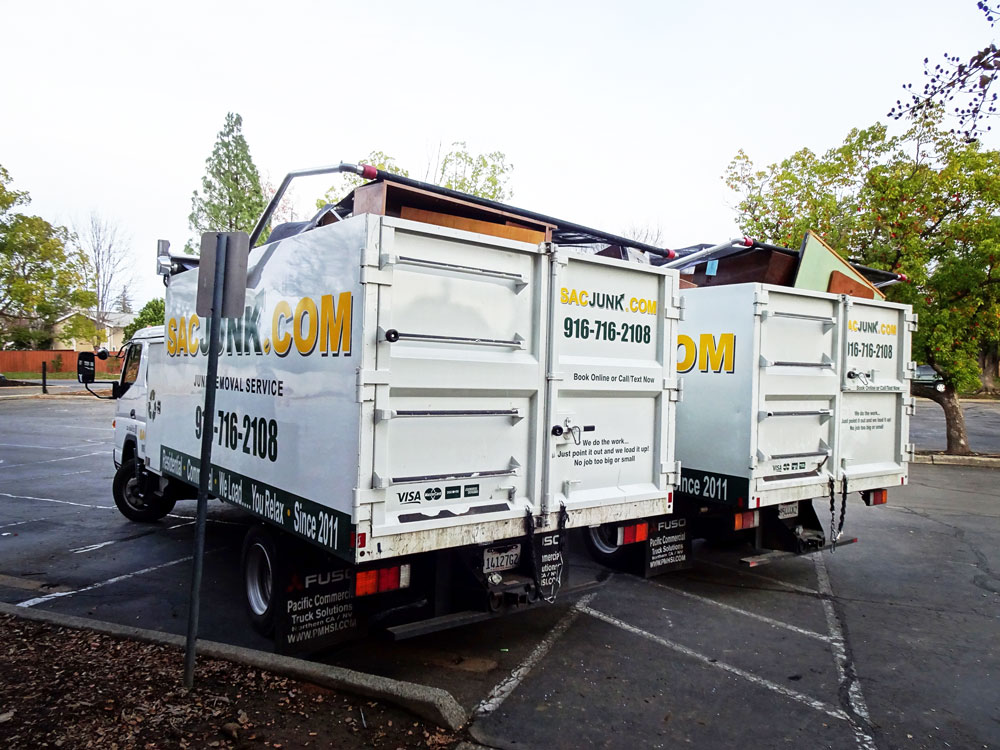
A full-service crew saves time because they do the lifting, loading, hauling, and final sweep of the area. That matters for landlords turning units, homeowners trying to close on time, and renters trying to avoid move-out penalties.
In Sacramento, where rental turnover windows can be tight and dump runs eat up half a day, convenience is not just a bonus. It is often the reason the job gets finished on schedule.
How to prepare before cleanout day
Do one pass for valuables and paperwork first. Check drawers, medicine cabinets, garage shelves, and any hidden storage. Once a cleanout starts, the goal is speed, so anything important should already be pulled aside.
Next, identify anything that needs separate disposal or that you want donated if possible. After that, clear pathways. If the crew can get to each room without working around piles you are still deciding on, the job moves faster and usually more efficiently.
If the property is for a landlord turnover, make sure everyone is clear on what stays with the unit and what must be removed. That sounds obvious, but built-in shelving, spare paint, extra flooring, or maintenance supplies sometimes cause confusion.
What a good move-out result looks like
A good cleanout is not just a pile disappearing. It means the property is empty of unwanted items, accessible for cleaners or maintenance, and no longer held up by furniture, trash, or leftover debris. The best jobs also keep usable items out of the landfill when possible through donation and recycling.
That is the practical standard. The place should look ready for the next step, whether that is a final inspection, a new tenant, a home sale, or simply closing the door on one chapter without hauling old junk into the next one.
If your move-out pile has grown past what fits in your car, your schedule, or your back, that is usually the sign to stop wrestling with it and get it cleared the right way.