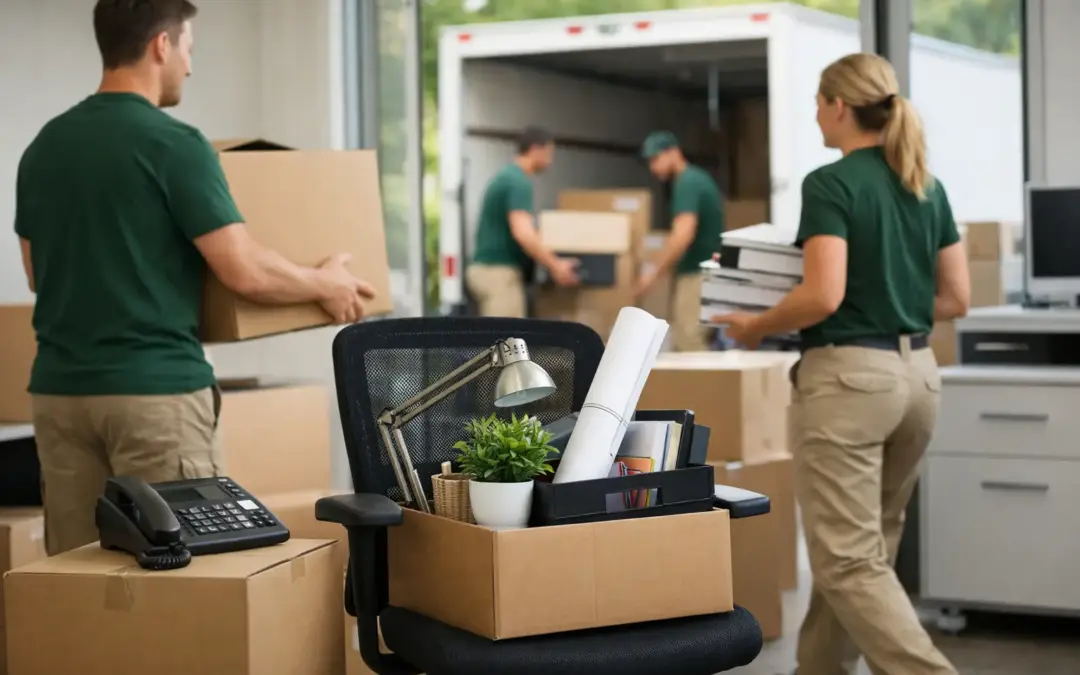
A rushed move is how old desks, dead monitors, banker boxes, and mystery cables end up getting hauled to the new place for no good reason. An office cleanout before moving gives you one chance to cut the junk, lower moving costs, and start fresh in a space that actually works.
For most businesses, the problem is not just volume. It is timing. Staff still need to work, managers are juggling vendors, and nobody wants to stop the day to figure out what to do with broken chairs, outdated cubicles, or a storage room full of obsolete equipment. That is why the smartest cleanouts are simple, fast, and handled in the right order.
Why an office cleanout before moving saves money
Every extra item you move costs something. Sometimes it is direct, like higher moving labor, more truck space, or longer elevator reservations. Sometimes it is indirect, like lost time, employee distraction, or setting up junk in the new office only to get rid of it later.
A proper office cleanout before moving trims those costs before they stack up. If you remove damaged furniture, outdated electronics, excess shelving, and years of leftover clutter ahead of the move, your movers spend less time handling things you do not want. Your team also spends less time sorting through piles after move-in.
There is also a space-planning benefit. Many businesses downsize when they relocate, switch to hybrid schedules, or move into layouts with fewer private offices and more shared work areas. That means not every filing cabinet, cubicle wall, or conference table deserves a spot on the truck.
What should go before the move
The fastest way to stall a commercial move is trying to make keep-or-toss decisions item by item on moving day. It works better to group things by category and decide early.
Old office furniture
Broken desks, stained chairs, outdated cubicles, wobbly tables, and extra bookcases are usually the first items to remove. Furniture takes up major space, slows down packing, and often is not worth relocating if it is already near the end of its usable life.
If your new office has a different footprint, large furniture may not fit well anyway. A reception desk built for one suite can become a problem in another. The same goes for old panel systems and storage cabinets.
Electronics and e-waste
Offices collect dead printers, extra monitors, old phones, cords, routers, and outdated computer accessories faster than most teams realize. These items tend to get shoved into IT closets, under desks, or into back rooms and forgotten until move week.
Some electronics still have value, and some need proper recycling. What matters is identifying them early so they do not get mixed into general trash or packed by mistake.
Paper files and storage overflow
File rooms are often where cleanouts get delayed. Nobody wants to sort old records, but moving boxes of outdated paperwork is expensive and unnecessary. Review retention requirements first, then shred, archive, or remove what no longer needs to stay on-site.
This is one area where it depends on your industry. Medical, legal, and financial offices may need a more careful process than a general admin office or sales team.
Breakroom and miscellaneous clutter
The office kitchen, supply room, and back storage areas usually hide more junk than expected. Mini fridges that stopped working years ago, extra chairs, unused decor, cleaning supplies, damaged shelving, and random bulk items all add up.
These spaces matter because they are easy to ignore until the last minute. Then they become a delay nobody planned for.
How to plan the cleanout without disrupting work
A good cleanout does not need to throw the whole office into chaos. It just needs a clear scope and a realistic schedule.
Start with a walkthrough of the entire space. Include private offices, bullpen areas, conference rooms, storage closets, server or IT rooms, copy areas, and any warehouse or back-of-house space tied to the office. Mark what is staying, what is moving, and what needs to go.
After that, assign decision-makers. One person from operations, facilities, or management should approve removals so employees are not making conflicting calls. If everyone has a different opinion on what should stay, the cleanout drags out fast.
Then work in phases. Remove obvious junk first. That includes broken furniture, empty shelving, old electronics, and anything abandoned in common areas. Next, handle storage rooms and file areas. Last, clear out the remaining furniture and move leftovers once staff packing is nearly done.
For active offices, after-hours service is often the best option. It keeps crews out of your team’s way and avoids turning a workday into a loading dock operation.
Common mistakes that make office moves harder
Businesses usually do not run into trouble because the cleanout is too big. They run into trouble because they wait too long.
One common mistake is treating the cleanout like a side task. It is not. If the office has been occupied for years, there is almost always more to remove than expected.
Another mistake is assuming staff will handle disposal themselves. In reality, employees are there to do their jobs. Asking them to disassemble furniture, carry heavy items downstairs, or figure out where to take a pile of junk usually means the work gets delayed or done poorly.
There is also the issue of underestimating labor. Cubicles, conference tables, copy machines, and packed file cabinets are not quick curbside items. They take time, manpower, and safe handling.
And then there is disposal. Not everything can be tossed into a dumpster behind the building. Electronics, reusable furniture, and large commercial items often need a more responsible plan.
When full-service removal makes the most sense
If your office only has a few boxes of trash, internal cleanup may be enough. But if you are dealing with bulky furniture, e-waste, storage-room overflow, or a full suite turnover, full-service removal is usually the faster call.
That is especially true when the landlord expects the space cleared quickly or when your move schedule is tight. A full-service crew handles the lifting, loading, hauling, and sweep-up, which keeps your team focused on the move itself instead of the mess around it.
For Sacramento-area businesses, speed matters. Office moves often happen on short lease timelines, and building access can be limited to certain hours. Working with a local hauling crew that understands commercial pickups, onsite quotes, and volume-based pricing can take a lot of pressure off the process.
Sac Junk handles office furniture removal, cubicle removal, e-waste-adjacent cleanouts, warehouse overflow, and general commercial junk hauling, which is helpful when your move involves more than a few unwanted items.
What to expect from a well-run office cleanout before moving
The best cleanouts are straightforward. You book the job, confirm access details, point out what needs to go, approve the quote, and the crew gets to work. No hidden labor charge for stairs. No trying to round up your own team to do the heavy lifting.
That simplicity matters when you are already coordinating movers, internet setup, keys, vendor schedules, and employee communication. You do not need one more complicated part of the move.
A solid removal crew should also leave the area cleaner than they found it. Once desks, shelving, and junk piles are gone, a basic sweep-up helps the office look move-out ready instead of half-abandoned.
If donation or recycling is possible for part of the load, that is worth asking about too. Many businesses want to reduce landfill waste, especially when clearing usable furniture or materials during a relocation.
A smarter way to approach moving day
The cleanest office moves are the ones where moving day is only about what is actually worth taking. That means the junk is already gone, the furniture count is under control, and the new office is not starting out with old problems from the last one.
If you are planning an office relocation, do not wait until the final week to deal with broken furniture, storage-room clutter, and old equipment. Clearing space early gives you better visibility, fewer surprises, and a move that feels a lot more manageable.
A good office cleanout before moving is not just about getting rid of stuff. It is about making the next space easier to set up, easier to work in, and a lot less expensive to fill with things you never needed to bring.