An office move, renovation, downsizing, or lease turnover can leave you with far more than a few extra chairs. Old desks, cubicles, conference tables, filing cabinets, and broken equipment take up valuable space fast. This office furniture removal guide explains how to clear it out safely, keep your team focused on work, and avoid the common delays that turn a simple pickup into a bigger project.
For Sacramento-area businesses, the best plan is usually the one that gets the space cleared quickly without asking employees to lift heavy furniture, figure out disposal rules, or make multiple trips to a landfill. A full-service junk removal crew handles the labor, loading, hauling, and basic cleanup after the items are gone.
Start Your Office Furniture Removal Plan Early
Office furniture removal is easier when it is part of the move-out or renovation schedule, not the last task standing between you and a deadline. Walk through the space and identify what must stay, what can be reused, and what needs to go. If your lease has a required move-out date, work backward from that date and leave room for cleaning, repairs, and final inspections.
Do not assume every item has the same removal needs. A rolling office chair can usually be carried out quickly, while a large conference table may need to be disassembled. Modular cubicles, wall-mounted shelving, and oversized reception desks can require more planning because they affect access routes and may need to come apart before hauling.
Take a few clear photos and make a rough item count before requesting service. You do not need a perfect inventory, but knowing whether you have five desks or fifty makes it easier to schedule the right crew and truck capacity.
Separate What Stays From What Goes
The fastest cleanouts happen when employees and managers clearly mark the items being removed. Use signs, painter’s tape, or a designated staging area. A chair left beside a desk may look disposable to one person and necessary to another, so get approvals before pickup day.
Keep confidential records, personal belongings, IT equipment, and anything your business plans to sell or relocate out of the removal area. This protects your property and helps the crew work without stopping for repeated questions.
Know What a Full-Service Crew Can Remove
Most non-hazardous office furniture can be hauled away in one scheduled pickup. Common items include:
- Desks, workstations, credenzas, and reception furniture
- Office chairs, guest seating, stools, and breakroom tables
- Cubicles, partitions, shelving, and file cabinets
- Conference tables, whiteboards, bookcases, and display fixtures
- Breakroom appliances, mattresses from workplace lodging, and general office clutter
There are limits. Hazardous materials, chemicals, paint, fuel, medical waste, and certain regulated electronics may require a specialized disposal provider. If you are unsure about an item, ask before the crew arrives. That quick question can prevent a last-minute change in the removal plan.
File cabinets also deserve special attention. Empty them before removal whenever possible. Paper files add weight, slow down loading, and may contain sensitive information. For documents that need secure destruction, arrange shredding separately before the furniture pickup.
Plan Access Before Pickup Day
Heavy furniture is only easy to remove when there is a clear path from the office to the truck. Check hallways, elevators, stairwells, loading docks, parking rules, and door widths. Let the removal company know if your office is upstairs, inside a secured building, or located where truck parking is limited.
For larger commercial buildings, reserve the freight elevator and loading dock if your property manager requires it. Some properties also require a certificate of insurance or advance vendor notice. Handle those building rules early, especially for downtown Sacramento offices, medical suites, and multi-tenant complexes where loading access can be tight.
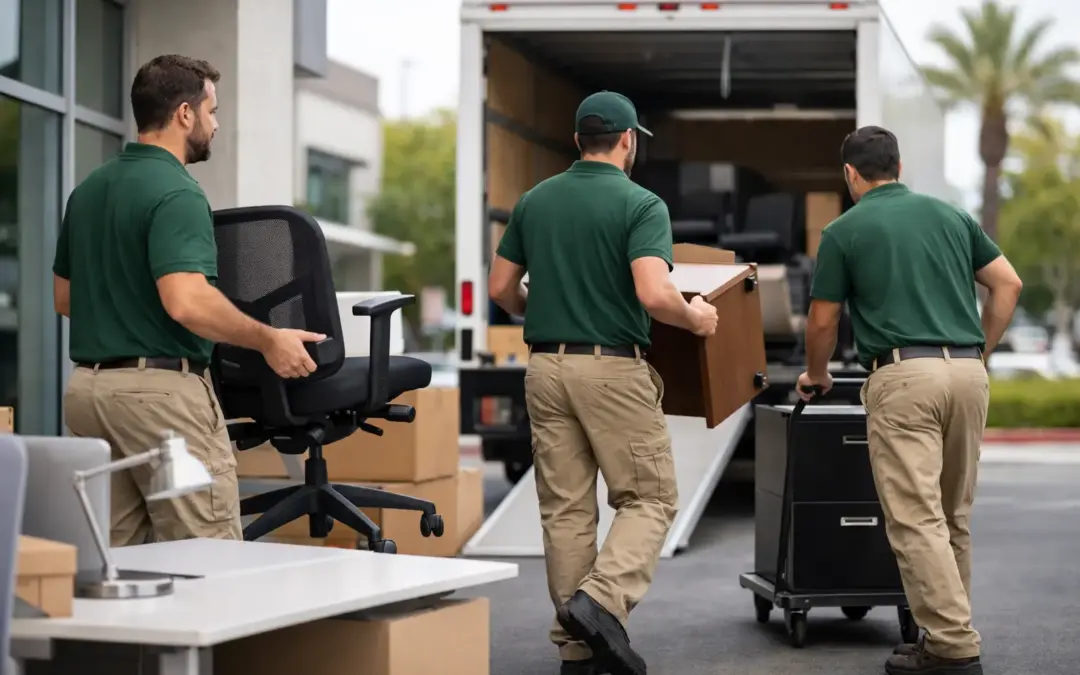
You can speed up the job by clearing small loose items from desks and pathways. There is no need to drag desks or stack chairs outside yourself. In fact, moving bulky furniture without the right equipment can damage walls, floors, door frames, and backs. Let the hauling crew do the lifting and loading.
Cubicle Removal Takes More Coordination
Cubicle systems are not all built the same. Some panels detach quickly, while others are connected to power poles, data cabling, overhead bins, or wall-mounted components. If cubicles are wired, have a qualified professional disconnect power and data connections before removal begins.
Tell the removal crew approximately how many stations you have and whether they need to be broken down. This helps set realistic timing and ensures the crew arrives prepared for the amount of labor involved. If you are keeping some cubicles, clearly identify the stations that remain in place.
Understand How Office Furniture Removal Pricing Works
Pricing should be straightforward. For most junk removal jobs, the price is based on how much room your items take up in the truck, along with the labor needed for unusual conditions such as long carries, stairs, or major disassembly. The exact price depends on the load, which is why an on-site quote is useful.
A reputable crew should show you the price before work starts. Once you approve the quote, they begin loading. That approach gives you control over the cost and avoids surprises after the furniture is already on the truck.
The lowest price is not always the lowest total cost. A cheap curbside-only option can leave your staff to dismantle cubicles, carry desks downstairs, rent a truck, pay disposal fees, and clean up afterward. Full-service removal costs more than asking employees to do the physical work, but it can save time, reduce injury risk, and get your operation back to normal sooner.
Decide What Can Be Donated or Recycled
Not every desk or chair belongs in a landfill. Usable furniture may have a second life through donation channels, while materials such as metal can often be recycled. Condition matters. A clean, functional chair has more reuse potential than a damaged chair with torn upholstery, and older particleboard furniture may have limited recycling options.
When you choose a company that sorts materials responsibly, you do not have to manage each disposal route yourself. Sac Junk works to donate and recycle up to 60% of the materials it removes, depending on condition and available local outlets. That is a practical way for businesses to clear space while keeping reusable materials in the community when possible.
If sustainability reporting matters to your organization, ask your removal provider what happens to the material after pickup. The honest answer will depend on the actual load. No company can promise that every item will be donated or recycled, but responsible sorting is still better than treating everything as trash.
Schedule Removal Around Business Operations
A busy office does not always need to shut down for furniture removal. For a smaller pickup, the crew may be able to work around normal business hours if access is clear. For a full floor cleanout or cubicle removal project, an early morning, evening, or weekend appointment may make more sense.
Consider noise, elevator traffic, customer access, and employee safety. If you operate a medical office, retail store, warehouse, or shared workspace, choose a time when hauling will cause the least disruption. Let employees know the schedule so they can remove personal items and avoid blocked work areas.
Same-day service can be helpful when a tenant leaves furniture behind, a landlord needs a unit turned quickly, or a renovation crew needs space cleared before the next phase starts. Availability varies, so call as soon as you know the job is coming up.
A Simple Office Furniture Removal Checklist
Before the crew arrives, confirm that you have separated keep items from removal items, emptied drawers and cabinets, disconnected electronics and cubicle wiring, reserved access areas if required, and received approval from building management. Then make sure an authorized decision-maker is available to review and approve the quote.
That is all the preparation most businesses need. Once the price is approved, a professional crew should handle the hard part: lifting, loading, hauling, and leaving the area swept up.
A cleared office is more than an empty room. It is a space ready for a new tenant, a remodel, a better layout, or simply a cleaner workday. When old furniture is in the way, schedule the removal early and let a local hauling crew take the weight off your team.