A lot of junk removal jobs used to end the same way – load the truck, head to the dump, move on to the next stop. That is changing fast. Recycling trends in hauling are pushing the industry toward smarter sorting, more material recovery, and fewer one-way trips to the landfill. For homeowners, landlords, contractors, and business owners, that shift matters because disposal is no longer just about getting items off the property. It is also about where those items go next.
If you are clearing out a house, emptying a rental, cleaning up a warehouse, or dealing with renovation debris, the hauling company you hire can affect cost, speed, and landfill impact. Some items still have recycling value. Some can be donated. Some need to be separated before they can leave the site. The better the hauling operation, the more efficiently that gets handled.
Why recycling trends in hauling are changing the job
The biggest shift is simple: mixed loads are harder to process responsibly. When everything gets tossed together, recyclable material often gets contaminated and ends up as trash. That is why more hauling companies now pay closer attention to what is being loaded, how it is grouped, and what facilities can actually take it.
That sounds good in theory, but on the ground it changes the job. Crews need to identify recyclable metal, cardboard, wood, appliances, e-waste, yard debris, and reusable furniture while still working quickly. Customers still want fast pickup and fair pricing. The challenge is finding a system that keeps the job moving without treating every load like landfill-only waste.
This is especially relevant for cleanouts. A garage cleanout might include broken shelving, scrap metal, paint-contaminated debris, old electronics, yard waste, and usable household goods all in one space. A warehouse cleanout may involve pallets, racking, cardboard, office furniture, and outdated equipment. Recycling is no longer a separate nice-to-have step. It is part of how a modern hauling company plans the work.
Material sorting is becoming a bigger part of hauling
One of the clearest recycling trends in hauling is more sorting before final disposal. That does not always mean a customer needs to separate everything in advance. In many cases, the value of a full-service junk crew is that they handle the lifting, loading, and basic sorting themselves. But behind the scenes, sorting has become a much bigger operational issue.
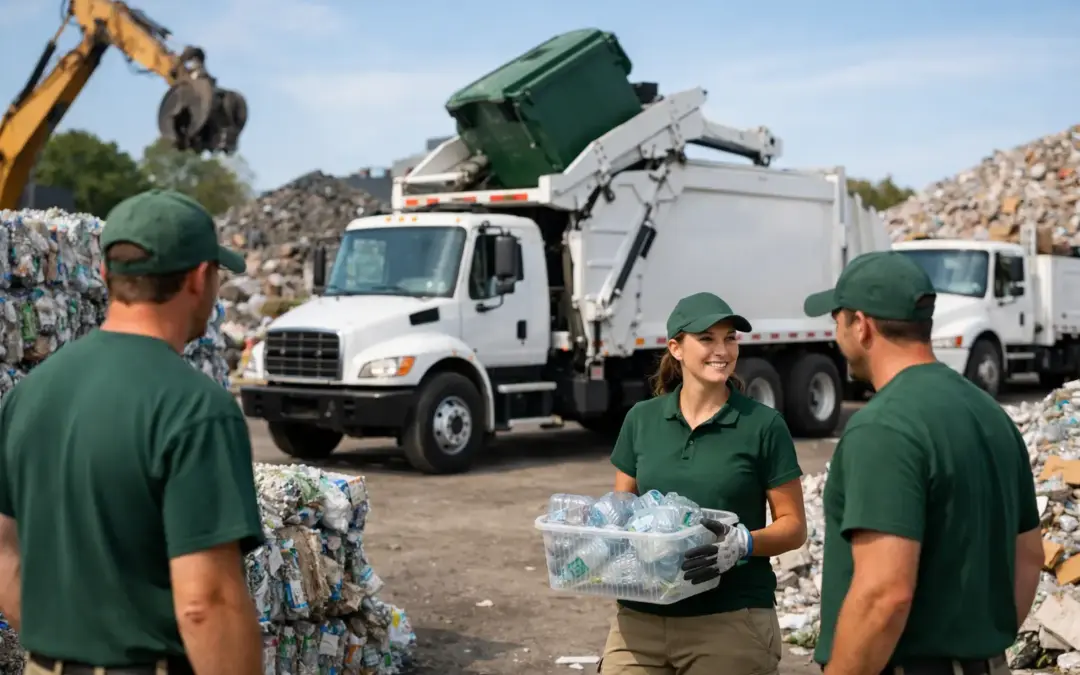
Metals are one of the easiest examples. Water heaters, old bed frames, shelving, filing cabinets, and broken appliances often have recyclable scrap value. Cardboard from retail backrooms and office moves can usually be diverted if it is not soaked or contaminated. Green waste from yard cleanups may go to composting or green processing facilities rather than a landfill.
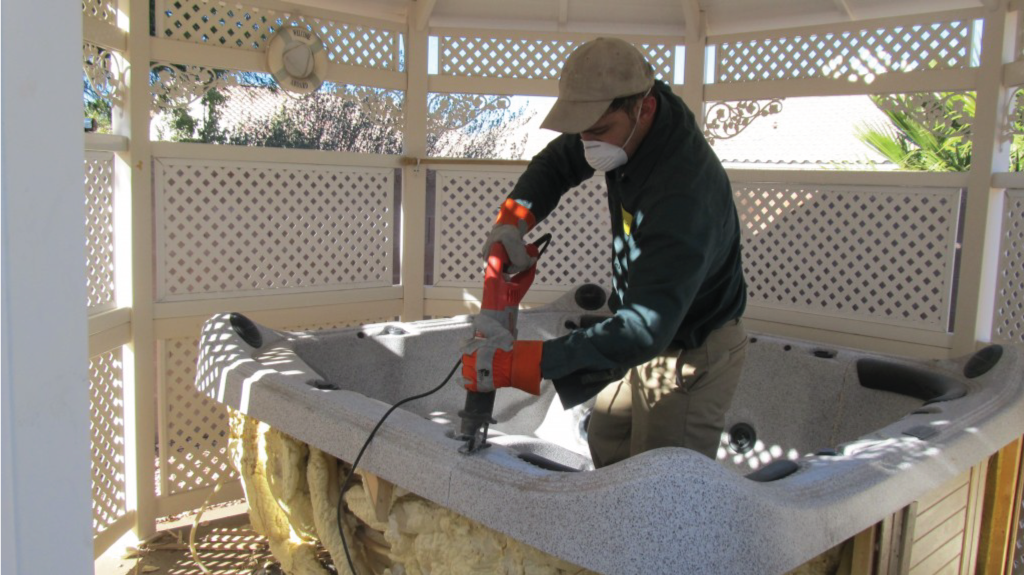
Wood is where it gets more complicated. Clean wood may have recycling or reuse potential, but treated, painted, or heavily damaged wood often has fewer options. Mattresses are another gray area. Some recycling programs break them down into metal springs, foam, and fabric, but availability depends on local processing capacity and contamination rules. The same item that is recyclable in one market may be landfill-bound in another.
That is the part customers do not always see. Recycling depends on item condition, local facility rules, labor time, and load composition. A hauling company can improve the outcome, but not every load can be recycled at the same rate.
Donation and reuse are part of the trend too
When people hear recycling, they usually think of processing waste into raw material. In hauling, reuse and donation are often just as important. A decent couch, working appliance, usable desk, or set of cabinets may have more value as a donated item than as a recycled one.
This matters for two reasons. First, reuse keeps bulky items out of the landfill without the extra processing costs tied to recycling. Second, it can reduce waste on large cleanouts where not everything is truly junk. Estate cleanouts, office downsizing, and move-outs often include items that still have some useful life left.
There is a limit, though. Donation only works when items are clean, safe, and accepted by the receiving organization. Torn mattresses, stained furniture, and damaged particle-board pieces usually do not make that cut. Good hauling crews know the difference and do not waste time pretending every item is donatable.
Customers are asking better disposal questions
Another trend is customer awareness. More property owners now ask what gets recycled, what gets donated, and what goes to the landfill. They want the job done fast, but they also want to avoid waste when possible.
That is a good thing, especially for landlords turning over units, contractors cleaning up job sites, and businesses managing regular disposal needs. These customers are not looking for a lecture. They want clear answers. Can the old office furniture be donated? Will the metal be recycled? Does yard debris go to green waste? What happens to old appliances?
A hauling company that can answer those questions clearly builds more trust than one that just says everything will be “taken care of.” Straight answers matter. So does honesty when the answer is no.
Technology is helping, but labor still drives results
Software, route planning, and digital job photos have improved hauling efficiency, but recycling still depends heavily on labor. Somebody has to recognize materials, separate recoverable items, and know where each part of the load should go. That is why experienced crews matter.
For example, a pickup from a commercial property might include cardboard, fluorescent fixture housings, old desks, and metal shelving mixed with general trash. On paper, that looks like one load. In practice, better handling can split that into multiple disposal paths and reduce landfill volume.
Technology helps track jobs and improve logistics, but it does not replace the judgment needed on-site. Hauling remains a hands-on business. If a company cuts corners on labor, recycling rates usually suffer first.
What these trends mean for pricing and service
Customers sometimes assume greener hauling always costs more. Sometimes it does. Extra sorting, longer unload times, and multiple disposal stops can add labor and fuel costs. But that is not the whole picture.
Some recyclable materials offset disposal expenses. Donation and diversion can reduce landfill tipping fees on certain jobs. More important, efficient hauling companies build these decisions into their operation instead of treating recycling like an expensive add-on every time.
That is where straightforward pricing still matters. Most customers want one thing first: the junk gone without hidden fees or wasted time. Environmental responsibility only helps if the service is still convenient. A full-service crew that does all the lifting, gives an upfront quote, and handles sorting behind the scenes is usually the best fit for real-world cleanouts.
In Sacramento, where property turnover, remodeling, and business cleanups happen year-round, that balance matters. People need fast removal. They also want to know usable and recyclable material is not being dumped carelessly when better options exist.
How to use recycling trends in hauling to your advantage
If you are booking junk removal, the practical move is to think in categories before the crew arrives. You do not need to stage every item perfectly, but it helps to identify obvious groups like metal, appliances, electronics, cardboard, yard waste, and reusable furniture. That gives the crew a cleaner starting point.
It also helps to be realistic about condition. Broken, wet, moldy, or heavily contaminated materials usually have fewer recycling or donation options. If you are clearing a rental after a rough move-out or cleaning a job site with mixed debris, expect a portion of the load to be true disposal waste.
When talking with a hauling company, ask simple questions. Do you recycle metal and appliances? Do you separate donations when possible? How do you handle mattresses, e-waste, or yard debris? You are not looking for a perfect zero-landfill promise. You are looking for a crew that already has a process.
That is the difference between marketing and operations. A company can say it cares about recycling. A better company can explain how that actually works during a real pickup.
For a local operation like Sac Junk, that approach fits the job. Customers want fast service, fair rates, and a crew that handles the heavy lifting. But they also want to know that usable items, recyclable material, and landfill waste are being dealt with the right way when the truck pulls out.
The hauling industry is not moving toward perfect waste recovery on every load, and nobody should pretend otherwise. What is happening is more practical than that. Better sorting, smarter disposal decisions, and more recovery of reusable and recyclable materials are becoming part of standard service. If you are hiring a junk removal team, that is worth paying attention to – because the best hauling job does more than clear space. It clears it responsibly.