
A storage unit is supposed to make life easier. Then a move, inherited furniture, old business inventory, or years of “I might need this” can turn it into a packed, expensive problem. Storage cleanouts give you a practical way to take back that space without spending your weekend lifting heavy items, making dump runs, or trying to fit a couch into a pickup truck.
Whether you are clearing a personal unit, preparing a rental property, or emptying commercial storage, the goal is the same: separate what matters from what is costing you space and money, then get the rest removed responsibly.
When a Storage Cleanout Makes Sense
The monthly fee is often the first sign that it is time to clean out a storage unit. If you have not opened the unit in months, cannot remember what is inside, or are paying to store items worth less than the monthly rent, a cleanout can stop the drain.
Cleanouts are also common after a move, estate settlement, renovation, business closure, tenant turnover, or warehouse reorganization. Property managers may need a unit cleared after an abandoned storage space is auctioned or released. Contractors and business owners may need old fixtures, shelving, office furniture, packaging, or surplus materials hauled away quickly so the space can be used again.
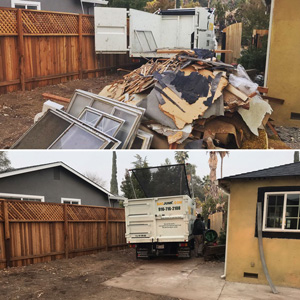
The job can be small, but storage units have a way of hiding more than expected. A few boxes at the front may lead to old mattresses, broken appliances, bulky furniture, bagged trash, or loose debris at the back. That is where a full-service crew saves real time. They handle the lifting, loading, hauling, and final sweep-up while you focus on decisions that only you can make.
Start With a Clear Plan Before You Open the Door
A cleanout goes faster when you decide what success looks like before moving the first box. Are you trying to close the unit completely? Make room for items you actually use? Prepare it for a tenant or new inventory? Your answer determines how aggressively you sort.
Bring gloves, a flashlight, water, and a few empty boxes or bags for items you plan to keep. If the unit has been closed for a long time, expect dust, pests, and surprise weight in boxes. Do not rush into moving unstable piles or lifting heavy furniture alone. A storage unit can be tight, poorly lit, and hard on your back.
Start at the entrance and work toward the rear. Create a narrow walking path first, then sort one section at a time. Opening every box before making a decision can drag the job out for hours. Look for labels, photos, paperwork, and sentimental items, but do not let one uncertain box stop the entire project. Set aside a small “decide later” area and keep moving.
Use Four Simple Categories
Most storage cleanouts become manageable once every item has a destination. Keep only the items you use, genuinely value, or have a specific place for after the cleanout. Donate usable furniture, household goods, clothing, and supplies when they are in condition for someone else to use.
Recycle materials that have an appropriate recycling path, such as certain metals, electronics, cardboard, and appliances. Everything else can be removed as junk, including broken furniture, damaged mattresses, worn-out décor, trash, and items that are not safe or useful to pass on.
Be realistic about the keep pile. Keeping something because it was expensive years ago is not the same as having a reason to store it now. If you are closing the unit, every item you keep needs a destination. Moving clutter from a storage unit into a garage only postpones the next cleanout.
For estate and family storage units, take extra care with documents. Set aside tax records, legal paperwork, identification, photos, jewelry, and small valuables before hauling begins. Check drawers, file boxes, cabinets, and furniture pockets. Once the unit has been loaded out, retrieving an overlooked item can be difficult or impossible.
What a Full-Service Crew Can Remove
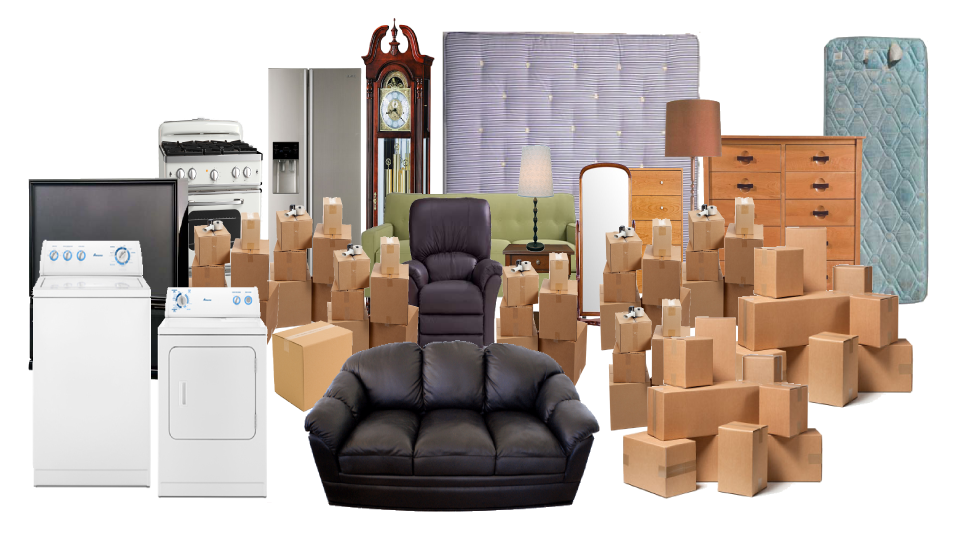
A professional hauling crew can clear most non-hazardous items from storage units, including furniture, appliances, mattresses, boxes, bagged trash, exercise equipment, office furniture, shelving, yard tools, and general household clutter. For commercial spaces, that can also include cubicles, desks, displays, packaging, warehouse debris, and outdated inventory that cannot be resold.
The key word is non-hazardous. Chemicals, fuel, paint, propane tanks, ammunition, medical waste, and other regulated materials may require a separate disposal option. Tell the removal company about anything unusual before the appointment so the crew can explain what they can take and help you avoid a wasted trip.
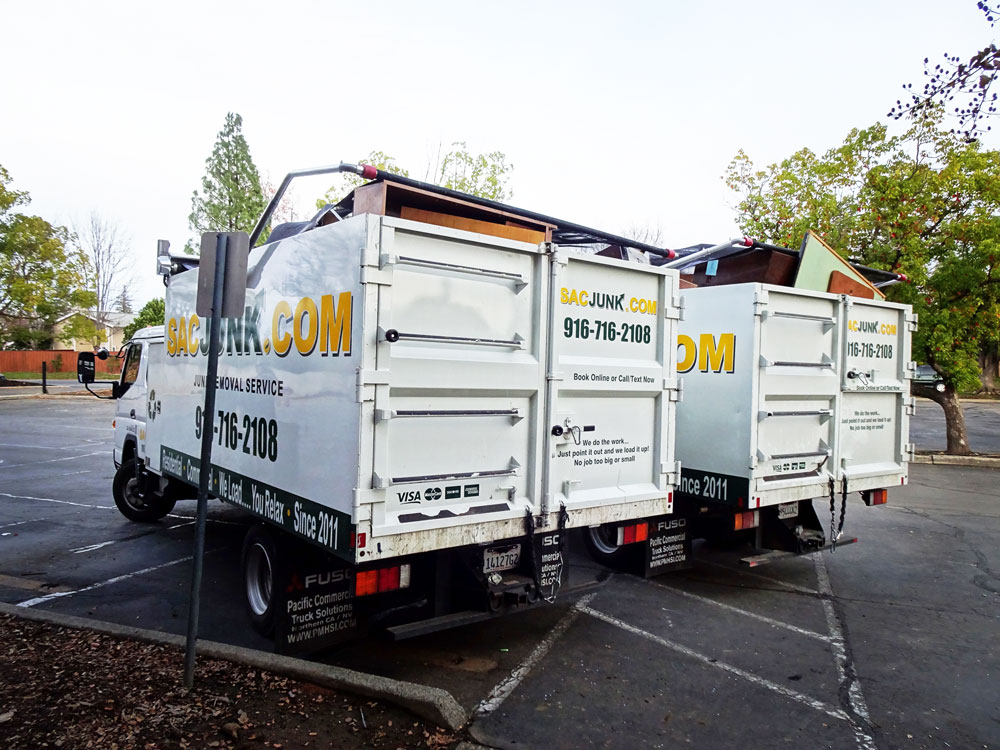
A good cleanout service does more than carry items out. The crew should load the truck, haul the materials away, and leave the unit broom-clean so you can turn in the lock, photograph the empty space, or prepare it for its next use. That labor matters when the unit is on an upper floor, down a long hallway, or packed wall to wall.
How Storage Cleanout Pricing Usually Works
Storage cleanout pricing depends on how much space the items take up in the truck, along with the labor required to remove them. A lightly filled 5-by-5 unit costs far less than a packed 10-by-20 unit with heavy furniture and debris. Stairs, elevators, long walks, and difficult access can also affect the job.
The easiest way to avoid surprises is to get an on-site quote before loading starts. You should know the price and approve it before the crew begins work. Volume-based pricing is especially useful for storage cleanouts because it matches the actual amount being removed. You are not paying for an oversized dumpster that sits unused, and you do not need to estimate truckloads on your own.
If you have already sorted and bagged everything, the job may move faster. But do not feel pressured to do all the prep work. For many customers, the point of hiring help is avoiding the physical labor altogether. It depends on your timeline, budget, and how much decision-making is left.
Avoid the Mistakes That Make Cleanouts Harder
Waiting until the last day of a move-out or storage lease can create unnecessary pressure. You may need time to sort documents, contact family members, or handle items that cannot go in regular junk removal. If possible, schedule the cleanout before your deadline and leave yourself a buffer.
Another common mistake is trying to sell every item. Selling can make sense for clearly valuable furniture, collectibles, tools, or inventory, but listing, messaging buyers, and arranging pickups takes time. If the storage bill is adding up, a fast cleanout may be worth more than trying to recover a small amount from each item.
Finally, do not assume every unwanted item belongs in a dumpster. Donation and recycling can keep usable materials out of the landfill when handled correctly. Sac Junk works to donate and recycle up to 60% of the materials it removes, helping Sacramento-area customers clear space with a more responsible disposal plan.
Make the Empty Unit the Finish Line
Before the crew leaves, walk through the unit once more. Open drawers, check corners, look behind doors, and confirm that your keep items are loaded into your vehicle or set aside. Take a few photos of the cleared unit for your records, especially if you are ending a lease or turning over a property.
An empty storage unit is not just a cleaned-up room. It is one less monthly bill, one less delayed project, and one less pile competing for your attention. Set a realistic deadline, keep what earns its place, and let the heavy lifting leave with the junk.