A warehouse cleanout usually starts the same way – someone needs space back fast, there are pallets or broken fixtures in the way, and nobody on staff has time to stop regular work and deal with the mess. This warehouse cleanout checklist guide is built for that exact situation. If you manage a warehouse, small distribution space, storage unit, or back-of-house commercial property, the goal is simple: clear what needs to go, keep what matters, and avoid turning a cleanout into a week-long disruption.
What a warehouse cleanout checklist guide should actually help you do
A good cleanout plan is not just about throwing things away. It should help you make decisions quickly, protect usable inventory, reduce safety risks, and keep labor costs under control. The biggest mistake most operators make is starting with hauling before they have sorted what is staying, what is moving, and what is trash.
That is where a checklist matters. It gives your team a clear order of operations so the cleanout moves forward instead of stalling out halfway through with piles everywhere.
Start with the reason for the cleanout
Not every warehouse cleanout is the same. Some happen because a tenant moved out. Some happen after years of overflow, damaged inventory, abandoned equipment, or failed shelving systems. Others happen before a lease turnover, renovation, inspection, or change in operations.
Your reason affects the pace and the scope. If you are preparing for a new tenant or a property handoff, speed and complete removal usually matter most. If you are still operating in the space, the better move is often a phased cleanout that keeps aisles open and avoids shutting down receiving or shipping.
Before anyone starts lifting, define the goal in one sentence. For example: clear the back third of the warehouse for new racking, remove all abandoned materials from a former tenant, or empty the building before final turnover. That sounds basic, but it keeps everyone working toward the same result.
Warehouse cleanout checklist guide: what to do before removal starts
Walk the space first. Do not rely on memory or a few photos from the front door. A real walk-through helps you spot blocked exits, unstable stacks, damaged furniture, unusable pallets, outdated equipment, and anything that may require special handling.
As you walk, divide items into four groups: keep, relocate, donate or recycle, and remove. That one step saves time later because your crew is not stopping every five minutes to ask what belongs where.
You also want to check access. Make sure loading areas are open, gates work, and trucks can get close enough for efficient hauling. In a lot of warehouse jobs, the hidden delay is not the junk itself – it is poor access, parked vehicles, or materials stacked in a way that slows loading.
Then look at safety. If there are broken shelves, nails, glass, leaking non-hazardous debris, or unstable piles, flag those areas before the job starts. Cleanouts move faster when the risk spots are identified early instead of discovered while carrying a heavy load.
Sort inventory before you touch the junk pile
If your warehouse still has active stock, separate it first. That means clearly tagging current inventory, returns, tools, equipment, and records that must stay on site. Once hauling begins, anything left mixed into debris can get damaged, misplaced, or loaded by mistake.
This part does not need to be fancy. Use tape, labels, cones, or designated zones. What matters is making the keep area obvious.
If you are dealing with old business materials, it also helps to assign one decision-maker. Too many warehouse cleanouts slow down because three different people want approval on every shelf, desk, or box. One person should have authority to say yes, keep it, or no, haul it.
Know what should be removed
Most warehouse cleanouts include the same problem items: broken pallets, damaged shelving, old desks, filing cabinets, cubicles, packaging waste, non-working appliances, scrap wood, outdated displays, leftover fixtures, and bulky trash from previous operations. Sometimes there is also a mix of abandoned tenant property and general site debris.
The trick is not just identifying junk. It is identifying what is worth your labor to keep. A worn-out rack system that nobody trusts is not an asset. A pile of empty boxes that has been sitting for eight months is not inventory. A broken conference table in the corner is just taking up square footage you are already paying for.
This is where practical judgment matters. If an item has not been used, assigned, repaired, or moved in a long time, it is usually a candidate for removal.
Plan labor and timing realistically
Warehouse cleanouts often get underestimated. What looks like a half-day job can turn into a full day once crews start breaking down shelving, clearing pathways, and hand-loading bulky material from deep inside the building.
Build your schedule around loading time, not just floor size. A small warehouse packed wall to wall with debris can take longer than a larger space with easy access. Stairs, narrow doors, mezzanines, and long push distances also add time.
If your business is still operating, schedule the cleanout around your least disruptive hours. For some facilities that means early morning. For others it means after receiving is done or between tenant turnovers. The best cleanout plan is the one that clears space without creating a second problem for your staff.
Decide what can be donated or recycled
Not everything in a warehouse cleanout belongs in the landfill. Usable furniture, fixtures, shelving components, and other non-hazardous materials may be eligible for donation or recycling depending on condition and local handling options.
That matters for two reasons. First, it can reduce waste. Second, it can help you feel better about clearing out usable items instead of letting them sit and deteriorate for another year.
A full-service hauling crew can make this easier by separating recyclable and reusable materials during removal. If environmental responsibility matters to your business, ask about that before the pickup date instead of after the truck is already loaded.
Keep paperwork and communication simple
For larger cleanouts, confusion usually comes from poor communication, not hard labor. Make sure your team knows who is on site, what is approved for removal, where the keep items are going, and whether certain rooms or racks are off limits.
If you manage the property for someone else, document the condition before the cleanout starts. Basic photos can protect you if there is any question later about what was left behind, what was removed, or how much material was involved.
It also helps to confirm pricing structure up front. Volume-based pricing is often the easiest model for warehouse jobs because the amount of debris can change once piles are opened up and hidden material gets exposed.
When it makes sense to bring in a hauling crew
Some warehouse teams can handle light cleanup in-house. But once the job includes bulky furniture, cubicles, pallet piles, heavy fixtures, or a full property cleanout, outside labor usually becomes the faster and cheaper option.
That is especially true when your staff has better things to do than spend a day dragging debris across a warehouse floor. Full-service removal means the crew does the lifting, loading, hauling, and sweep-up so your team can stay focused on operations.
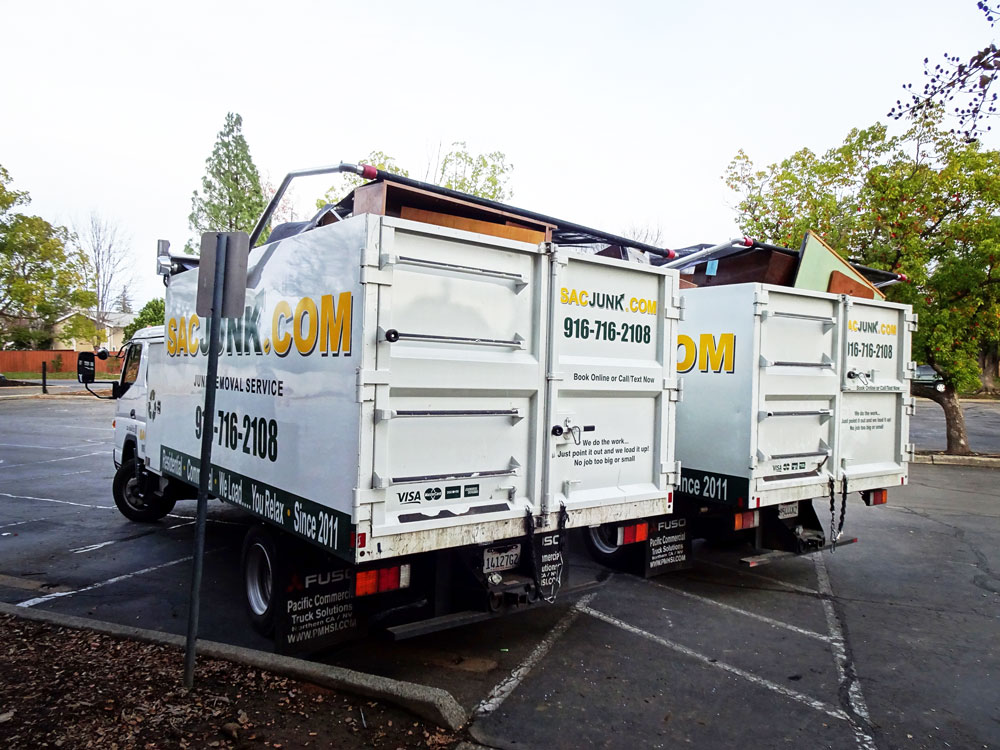
For businesses in Sacramento dealing with a warehouse turnover, abandoned commercial junk, or a packed storage area, working with a local company like Sac Junk can also reduce delays. You get a crew that shows up, gives you an on-site quote, and clears the material without turning the job into a drawn-out project.
The final walkthrough matters more than people think
Before the job is done, walk the warehouse again. Check corners, back walls, mezzanines, offices, restrooms, and exterior loading areas. A lot of cleanouts look finished from the middle of the room but still leave loose debris, forgotten fixtures, or stacked materials along the edges.
This is also the time to confirm the result against your original goal. Did you clear enough space for the next tenant, new inventory, safer movement, or renovation work? If yes, the cleanout worked. If not, it is better to catch the remaining issues while the crew is still there.
A clean warehouse is not just nicer to look at. It is easier to lease, easier to work in, and easier to manage when things get busy again. If your space has been carrying dead weight for too long, the right plan is usually straightforward: sort first, remove decisively, and do not let junk keep costing you usable space.