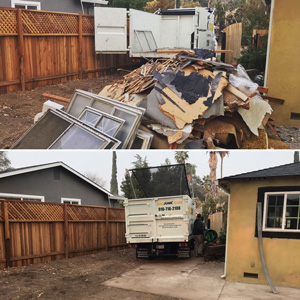

A garage cleanout can be a few boxes and an old chair, or it can be years of furniture, broken appliances, yard debris, and renovation leftovers packed wall to wall. That difference is exactly why people ask what affects junk removal cost before booking a pickup. The fair answer is not a mystery: the amount of space your items take up, the work required to remove them, and the disposal needs of certain materials all shape the final quote.
A professional junk removal crew should make pricing easy to understand. You should know the price before work begins, and that price should include the lifting, loading, hauling, and basic cleanup – not a surprise charge after the truck is full.
What Affects Junk Removal Cost Most?
For most residential and commercial jobs, truck volume is the biggest factor. Junk removal is commonly priced by how much of the truck your items fill, from a small minimum pickup to a full truckload or multiple loads. A neat stack of boxes may take very little room. A sectional sofa, mattress, bulky entertainment center, and several bags of debris can fill a much larger section of the truck than customers expect.
Volume-based pricing is practical because it accounts for the hauling capacity needed for your specific job. It also works well when a pile includes mixed items, such as furniture, household clutter, scrap wood, and bags from a move-out. A crew can see the full load in person, explain the price, and let you approve it before anything is loaded.
Weight can matter too, especially for dense materials. Concrete, dirt, roofing materials, tile, heavy lumber, and large quantities of construction debris may not take up much space, but they add substantial weight. Hauling those materials affects fuel use, labor, truck capacity, and disposal costs.
1. The Amount of Junk You Have
The more truck space your items need, the more the job will typically cost. This is why an accurate estimate starts with seeing the pile, whether in person or through clear photos. A few items placed curbside are different from a garage, attic, backyard, or warehouse that needs a complete clear-out.
If you are preparing for pickup, it helps to separate the items you want removed from the items you are keeping. You do not need to bag every small object or move heavy furniture outside. Full-service removal means the crew handles the lifting and loading. But a clearly defined pile helps everyone confirm the scope and avoid confusion.
2. The Type of Items Being Removed
Not all junk is handled the same way. An old coffee table is simple to load and dispose of. A refrigerator, mattress, television, hot tub, or large commercial copier may require specific handling, recycling channels, or disposal fees.
Appliances are a good example. Refrigerators and freezers can contain refrigerants that need proper recovery before disposal. Mattresses may have dedicated disposal requirements. Electronics often should be kept out of the regular landfill stream. These items can affect the cost because responsible disposal takes more coordination than tossing ordinary household clutter.
Usable furniture, household goods, and other reusable materials may be donated when possible. Recycling and donation efforts can keep a significant amount of material out of local landfills, but they still require sorting, transportation, and the right drop-off locations. Responsible hauling is part of the service, not an afterthought.
3. Labor, Stairs, and Access
Labor is included with full-service junk removal, but the amount of labor still affects the scope of a job. A curbside pickup with clear access is faster than carrying heavy furniture down three flights of stairs, through narrow hallways, or across a large apartment complex.
Access challenges may include steep driveways, gated communities, long walks from a rear yard, tight stairwells, elevators, low-clearance parking areas, or items packed into a shed. None of these automatically means a job will be expensive. They simply affect the time, crew size, and equipment needed to do the work safely.
Large items also need careful planning. A sofa may fit through a doorway easily, while a bulky armoire or commercial desk may need to be disassembled first. A professional crew should protect the work area, communicate clearly, and remove items without asking you to risk an injury trying to move them yourself.
4. Special Disposal and Recycling Fees
Some materials come with fees set by transfer stations, recycling facilities, or specialty disposal programs. Those costs can be part of a junk removal quote, particularly for items that cannot be disposed of with regular mixed debris.
Common examples include mattresses, tires, electronics, appliances with refrigerants, paint, chemicals, and certain automotive materials. Non-hazardous junk removal companies generally cannot take hazardous waste, including gasoline, pesticides, solvents, and many chemicals. Those items need to go through an approved household hazardous waste program or another proper disposal channel.
Before scheduling, mention any items you think may need special handling. A quick conversation upfront is better than having a crew arrive and find materials they cannot legally haul. It also lets the company give you clearer expectations on what can be removed during the appointment.
5. Indoor, Outdoor, or Job Site Conditions
Where the junk is located changes the work. Outdoor debris may be wet, muddy, scattered across a yard, mixed with soil, or hidden behind overgrown brush. Interior cleanouts can involve packed closets, crawl spaces, basements, storage rooms, or units left behind after a tenant move-out.
Job sites and commercial properties can add another layer. A warehouse cleanout may involve pallets, shelving, office furniture, broken equipment, or large volumes of packaging. An office cleanup could include cubicles, desks, monitors, and filing cabinets. The price depends on how much material there is, how accessible it is, and whether the work needs to happen around business hours, tenants, or active crews.
For landlords and property managers, fast removal can be worth as much as the hauling itself. Clearing a rental quickly helps prepare it for repairs, showings, and the next tenant. In that situation, a reliable crew, a clear quote, and a finished site matter more than spending hours trying to coordinate multiple trips to the dump.
6. Urgency and Scheduling Needs
Same-day or next-day junk removal can be a lifesaver when a move-out deadline, property inspection, contractor schedule, or estate sale is approaching. Availability can affect scheduling options, especially during busy periods, but a local crew can often respond faster than a large franchise operating through a distant call center.
Being flexible with your appointment window may give you more options. If you need service at a specific time, need a courtesy call before arrival, or have a limited access window at a commercial property, say so when booking. Clear details help the crew arrive ready for the job instead of losing time sorting out logistics at the door.
7. How Well the Job Is Described Upfront
The most accurate quote comes from accurate information. Photos are useful for showing volume, access, and unusual items. For a bigger cleanout, list the main categories: furniture, appliances, bags, construction debris, yard waste, or office equipment. You do not need to count every box, but it helps to mention anything especially large or heavy.
Be honest about the location of the items, too. A single photo of the front of a garage does not show a second pile behind the shed or a mattress upstairs. Good information protects you from a changed estimate and helps the hauling team bring enough labor and truck space.
How to Keep Junk Removal Costs Fair
The goal is not to do the hard work yourself. It is to make the job clear. Set aside items you want to keep, point out everything that needs to go, and mention special materials before the crew arrives. If you have donation-ready goods, keep them clean and separate from trash when possible.
Avoid choosing a company on the lowest vague price alone. Ask whether labor, loading, hauling, disposal, and cleanup are included. A low starting number can become a frustrating bill if it leaves out stairs, heavy items, or disposal fees. An upfront on-site quote gives you the chance to approve the cost before the work starts.
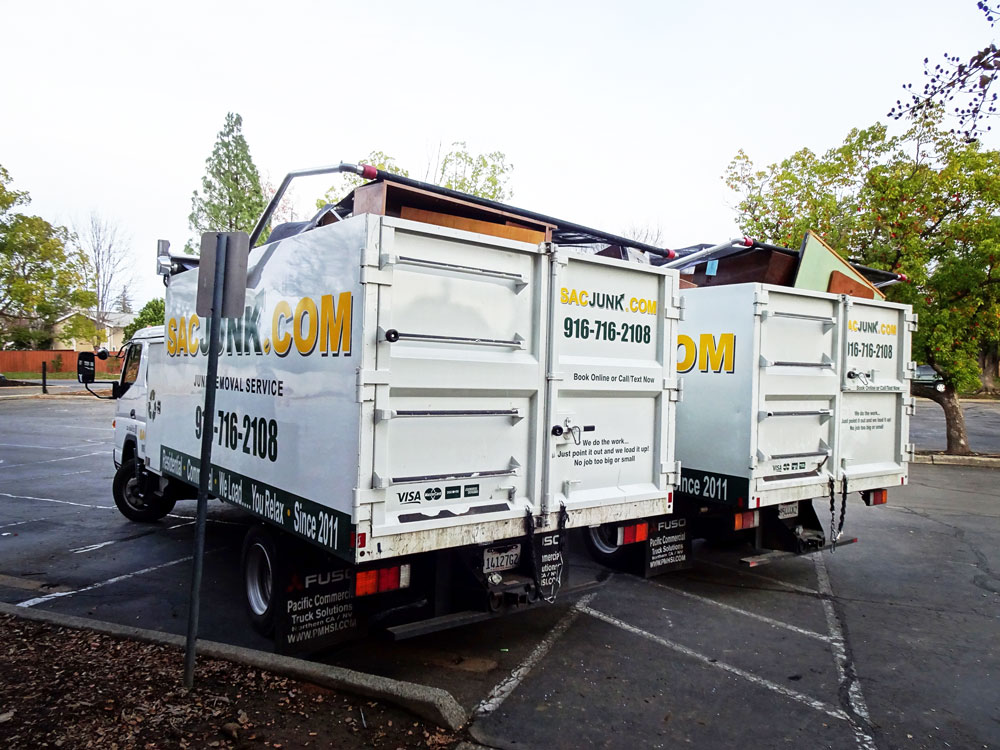
For Sacramento-area homeowners, landlords, contractors, and businesses, Sac Junk keeps the process straightforward: show the crew the items, review the volume-based quote, approve it, and let the team do the lifting. When the clutter is blocking a move, renovation, turnover, or fresh start, the best next step is simply getting a clear price and getting the space back.