That old couch in the garage, the broken fridge behind the rental, the pile of yard debris that keeps growing – most people don’t need another weekend project. They need to know what items will junk removal take, what gets turned away, and how to get it gone without dragging it to the curb themselves.
The short answer is this: junk removal companies usually take most non-hazardous items from homes, offices, job sites, and outdoor areas. That includes bulky furniture, appliances, mattresses, bagged trash, renovation debris, and general clutter. The main limits are hazardous materials, certain chemicals, and anything that creates a legal or safety issue during hauling.
What items will junk removal take from a home?
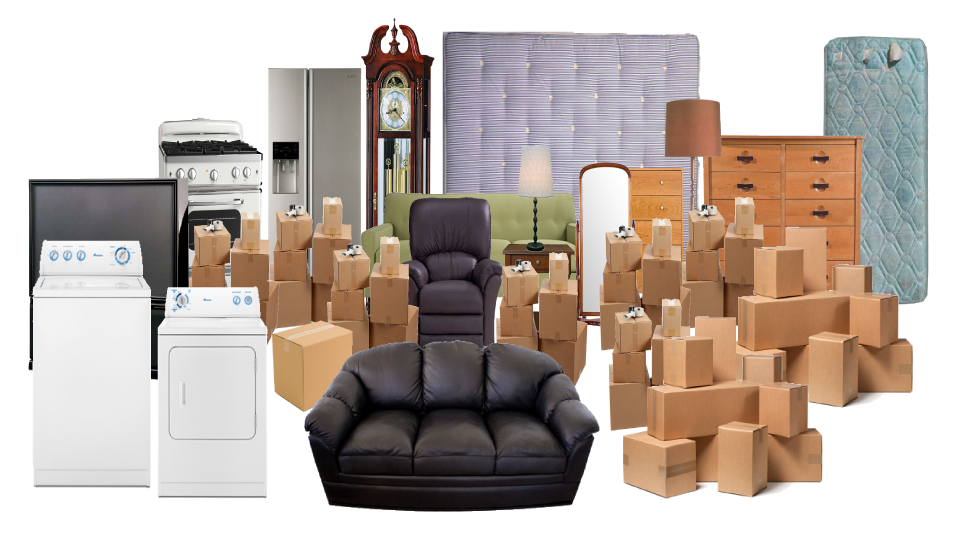
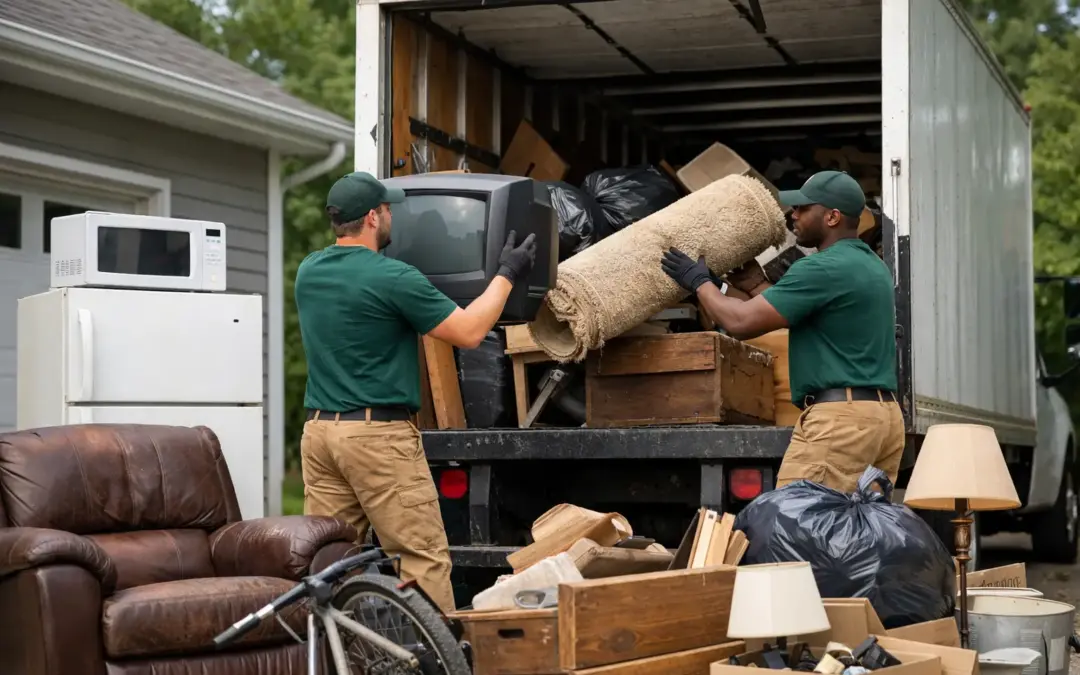
For most residential pickups, crews are there to remove the stuff that is too heavy, too awkward, or too time-consuming to deal with on your own. Furniture is one of the most common categories. Sofas, sectionals, recliners, dressers, dining tables, chairs, bed frames, desks, bookshelves, entertainment centers, and patio furniture are all standard items for pickup.
Appliances are also commonly accepted, especially large ones people can’t safely move by themselves. Refrigerators, washers, dryers, ovens, stoves, dishwashers, freezers, and microwaves are usually fair game. The catch is that some appliances need extra handling because of size, weight, or components that require proper disposal. A crew may still take them, but it helps to mention them when booking.
Mattresses and box springs are another frequent pickup item. They are bulky, hard to transport, and not something most people want sitting around during a move-out or cleanout. The same goes for exercise equipment like treadmills, home gyms, ellipticals, and stationary bikes.
Then there is the day-to-day clutter that fills garages, spare rooms, sheds, and side yards. Old toys, broken storage bins, boxes of junk, holiday decorations, carpet rolls, scrap wood, fencing, and unwanted household items are usually included as long as they are non-hazardous.
What items will junk removal take from businesses and properties?
Commercial junk removal covers more than just office trash. Businesses often need larger-volume hauling and labor-heavy removal, especially during turnover, remodeling, or closures. Office furniture is a major category, including desks, chairs, cubicles, conference tables, filing cabinets, shelving, and electronics setup debris.
Retail and warehouse cleanouts often include pallets, packaging waste, display fixtures, racking, old inventory, broken furniture, and general bulk trash. Property managers and landlords usually need help with tenant move-outs, abandoned items, appliance removal, yard overgrowth, and leftover junk from garages, carports, and common areas.
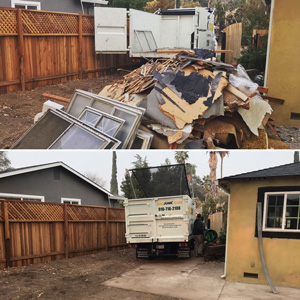
Construction and renovation sites create a different kind of load. Crews often haul drywall scraps, lumber, tile, old cabinets, demolition debris, flooring, insulation, and non-hazardous job site waste. Not every company handles every material in the same way, so if you have mixed debris from a remodel, it is smart to ask ahead instead of assuming everything goes in one load.
Common items junk removal companies usually accept
If you are trying to figure out whether your pile is worth scheduling, these are the kinds of items most companies regularly remove:
- Couches, loveseats, chairs, tables, dressers, and bed frames
- Refrigerators, washers, dryers, ovens, dishwashers, and freezers
- Mattresses, box springs, and bedroom furniture
- Yard waste, branches, brush, leaves, and small wood debris
- Carpet, flooring, cabinets, and renovation debris
- Office desks, cubicles, shelving, and warehouse junk
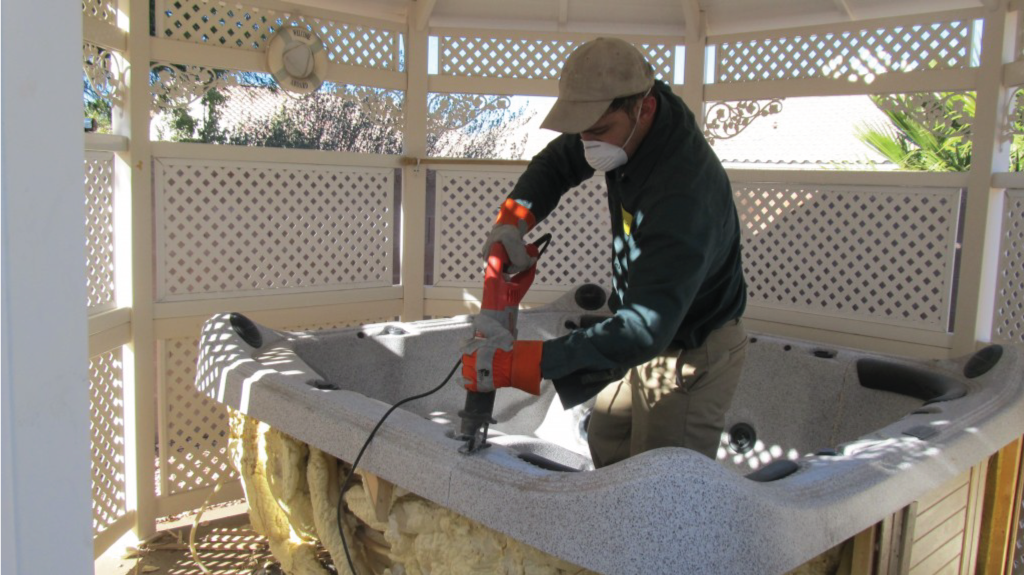
- Hot tubs, sheds, playsets, and other bulky outdoor structures
- Bagged trash, garage clutter, and general household junk
That said, every load is a little different. A single sofa pickup is simple. A collapsed shed, a backyard full of mixed debris, or a warehouse cleanout with heavy fixtures takes more labor, more truck space, and sometimes more sorting for donation or recycling.
What junk removal usually will not take
This is where people get tripped up. Junk removal is built for non-hazardous waste, not everything under the sun. If an item can leak, ignite, contaminate, or create a disposal problem, there is a good chance it will not be accepted in a standard pickup.
That usually includes paint, solvents, motor oil, gasoline, propane tanks, pesticides, herbicides, pool chemicals, asbestos-containing materials, medical waste, and other hazardous chemicals. Ammunition and explosives are also off the table. In many cases, tires, car fluids, and certain automotive parts depend on local rules and the company’s disposal channels.
Electronics are a gray area for some providers. Many companies do take TVs, monitors, computers, printers, and similar items, but some charge differently or limit what they will accept because of recycling requirements. The same goes for refrigerators or air conditioners if they contain regulated refrigerants. It does not mean they cannot be removed. It means you should ask first.
Why accepted items can still depend on the job
Two customers can both ask about “junk,” but the actual job can be completely different. A pile of clean furniture from a move-out is straightforward. A backyard with loose debris, broken concrete, and rotted fencing may need extra labor and different loading time. A third-floor apartment pickup with no elevator is different from a curbside load.
That is why reputable junk removal companies usually give an on-site quote after seeing the volume, access, and type of material. The question is not only what they will take. It is also how much space it fills in the truck, how difficult it is to remove, and whether any items need special handling.
For customers, that is actually a good thing. It keeps pricing tied to the real job instead of a vague estimate that changes later.
Donation, recycling, and landfill limits
Not everything hauled away gets dumped. Good junk removal companies sort usable items when possible and divert recyclable material from the landfill. Furniture in decent condition, appliances that can be processed properly, scrap metal, cardboard, and some household goods may be donated or recycled depending on condition and local options.
That matters if you are clearing out an estate, downsizing, or emptying a rental where some items still have life left in them. It also matters if you simply do not want everything going straight to the dump. In Sacramento, many customers care about getting the job done fast without creating more waste than necessary, and that is a reasonable expectation to bring up when you book.
How to know if your items qualify before pickup
The easiest way to avoid delays is to be specific before the crew arrives. Instead of saying, “I have some junk,” describe the actual load. Mention heavy furniture, appliances, yard debris, construction waste, electronics, or anything unusually large like a spa or shed. If access is tight, stairs are involved, or the junk is in multiple locations, say that too.
Photos help when a company allows them. A quick set of pictures can show volume, item type, and job complexity much better than a short phone description. That is especially useful for landlords, contractors, and business owners managing a property they are not standing in front of.
You do not need to sort and stage everything perfectly. Full-service junk removal exists because people do not want to spend hours dragging debris into one pile. Still, separating obvious hazards from regular junk and identifying anything questionable can save time.
When junk removal makes more sense than dumpster rental
If you have labor-heavy junk, bulky items, or a one-time cleanout, junk removal is often the simpler option. You do not have to load a container, guess the right dumpster size, or leave junk sitting around for days. A crew shows up, gives you a quote, does the lifting, loads the truck, and sweeps up after.
For homeowners, that means no wrestling a couch down the hallway or figuring out where to dump a mattress. For landlords and property managers, it means faster turnover. For businesses, it means less disruption and no asking employees to haul broken desks or fixtures out the door.
A dumpster can still make sense for an extended renovation where debris piles up over several days. But if the goal is fast removal with labor included, full-service hauling usually wins on convenience.
The best way to ask what items will junk removal take
Be direct and give details. Ask whether the company takes your specific items, whether anything has extra disposal requirements, and whether the quote is based on volume, item type, or both. If you have a mixed load, mention the full scope instead of only the biggest items.
A good local crew will tell you clearly what they can take, what they cannot, and what needs a different disposal route. That kind of straight answer saves time for everyone and keeps pickup day simple.
If you are staring at a garage full of junk, a trashed unit, or a pile of debris behind the building, do not overthink it. Most non-hazardous clutter can be hauled away quickly. Start by asking about the exact items you have, and let the crew do the heavy lifting from there.