A yard can go from manageable to overwhelming fast. One weekend of pruning, a windstorm, a tenant move-out, or a backyard project can leave piles of branches, leaves, palm fronds, soil, lumber, and old outdoor junk sitting where you need clear space. This yard waste guide explains what belongs in green waste, what needs a different disposal plan, and when it makes more sense to have a hauling crew load it all up.
Start by Separating Yard Waste From Outdoor Junk
The fastest way to make a yard cleanup harder is to throw everything into one pile. Green waste programs and composting facilities are intended for natural, untreated plant material. A load mixed with plastic, metal, treated wood, or household trash may be rejected or require sorting before it can be processed.
Natural yard waste usually includes grass clippings, leaves, weeds, brush, small branches, tree trimmings, plants, flowers, and fallen fruit. Larger limbs may be accepted depending on local collection rules and container limits. If you are using your regular green waste cart, check the current rules for your city or waste provider before cutting material down to fit.
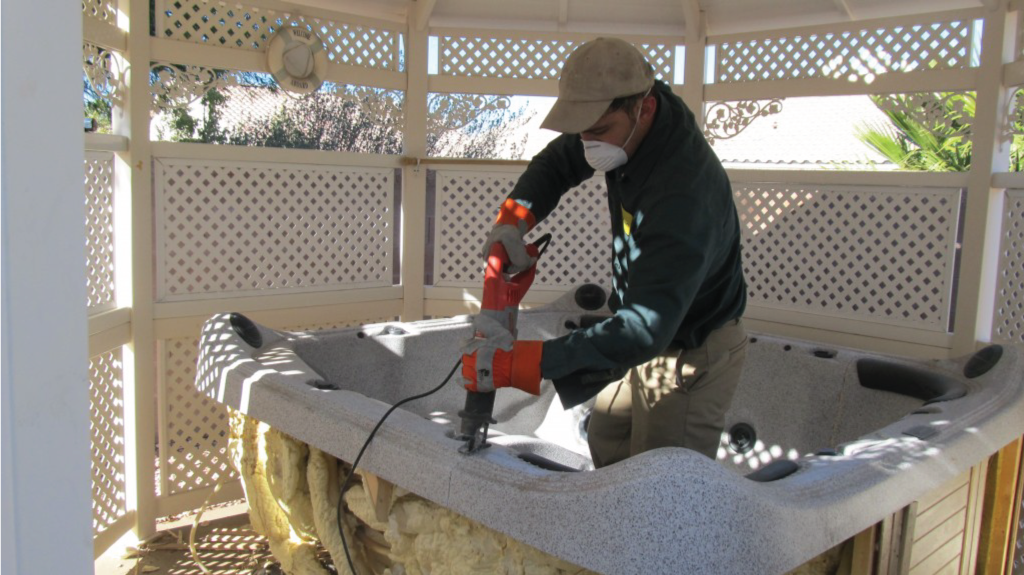
Outdoor junk is different. It can include broken patio furniture, old grills, fencing, garden tools, pots, irrigation parts, landscape fabric, tarps, hoses, playground equipment, and damaged sheds. These items generally do not belong in a green waste bin, even when they are dirty or covered in leaves.
For a large cleanup, make two broad zones: clean organic debris in one area and everything else in another. That simple step makes disposal safer, faster, and more likely to keep recyclable or compostable material out of the landfill.
Yard Waste Guide: What Can Usually Be Composted
Clean plant material is the easiest type of yard debris to manage. Leaves, grass, brush, and untreated trimmings can often go into municipal green waste collection or a dedicated compost pile. Composting works best when material is reasonably clean and free of non-organic items.
Branches deserve a closer look. Thin branches and brush are usually manageable in green waste collection, while large tree limbs may exceed cart capacity or local size limits. Do not force oversized limbs into a cart or leave a pile at the curb without confirming that it will be collected. A missed pickup leaves you with the same problem, plus blocked access around the property.
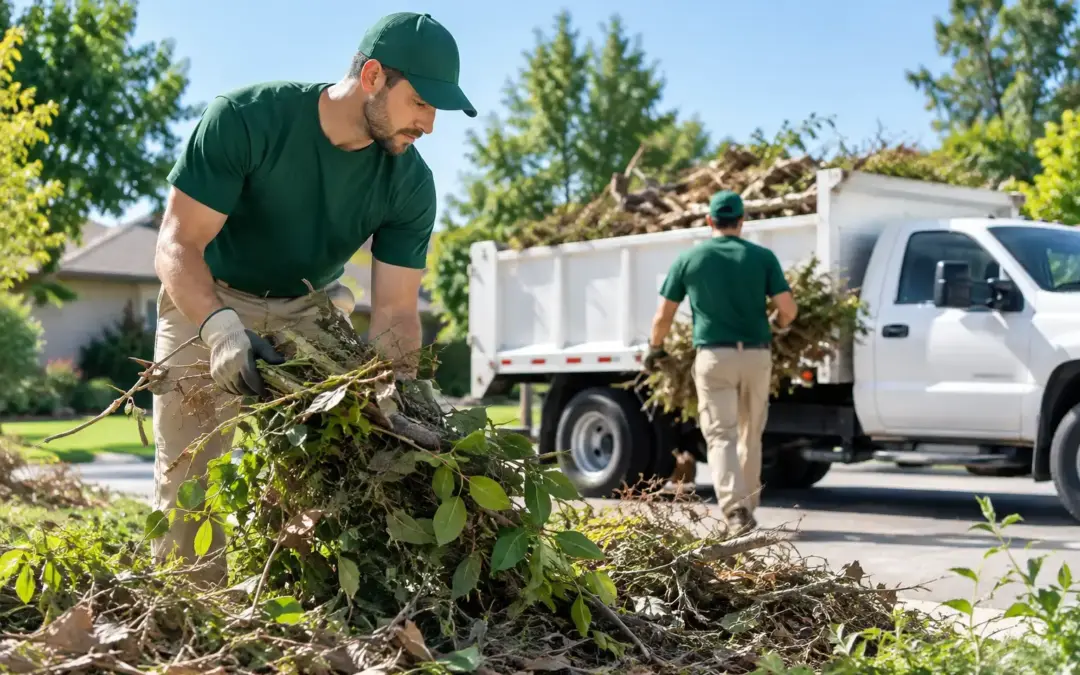
Palm fronds, bamboo, thorny brush, and dense hedge trimmings can take up far more space than expected. They may technically count as green waste, but their volume can make weekly bin service impractical. A full-service pickup is often the better choice after major trimming or landscaping work because the crew can load loose debris, bags, and branches in one visit.
If you compost at home, keep the pile practical. Grass clippings and leaves break down well, but thick woody material takes longer. Chipping branches can speed the process, though renting or operating a chipper is not always worth the time, cost, and safety risk for a one-time cleanup.
What Does Not Belong With Green Waste
Not every item found in a backyard is yard waste. Mixing the wrong materials into organic debris can contaminate a load and create extra handling work. Keep these items separate:
- Pressure-treated, painted, stained, or composite lumber
- Fencing, decking, plywood, particleboard, and construction scraps
- Plastic pots, lawn edging, landscape fabric, drip tubing, and hoses
- Rocks, bricks, concrete, pavers, soil, and sod
- Furniture, grills, appliances, toys, and outdoor décor
- Chemicals, pesticides, fuel, paint, batteries, or other hazardous materials
Soil and sod cause frequent confusion. They are natural materials, but they are not typically accepted with routine green waste. Dirt is heavy, can damage collection equipment, and may contain rocks, roots, irrigation pieces, or contaminants. If a landscaping project involves excavated soil, broken concrete, or a removed lawn, plan for a separate disposal solution.
Wood also depends on its condition. Clean, untreated lumber may have recycling options in some situations, but demolition lumber and old fencing often contain nails, coatings, or chemical treatments. Never burn treated wood or construction debris in a backyard fire pit. It can release harmful fumes and creates a fire risk.
Bagging, Bundling, and Staging Debris Safely
A little preparation helps any yard waste pickup go smoothly. Rake loose leaves and grass into manageable piles or approved bags if your disposal method requires them. Keep branches in a separate stack with cut ends facing the same direction. This prevents tangles and makes loading faster.
Do not overpack bags. Wet leaves, grass, and soil become surprisingly heavy, and oversized bags can tear before they reach the curb or truck. If you are filling a green waste cart, avoid compacting material so tightly that it gets stuck inside. Collection crews cannot always stop to pull out packed debris.
Place piles where they can be reached without blocking a driveway, sidewalk, gate, mailbox, or fire access. For professional hauling, a crew can often collect materials from the backyard, side yard, or other hard-to-reach areas, but clear paths save time and reduce the chance of damage to plants, fences, or outdoor furniture.
Be careful with thorny vines, sharp branches, and storm-damaged limbs. Wear gloves, closed-toe shoes, and eye protection while gathering debris. Watch for nests, insects, snakes, and hidden tools beneath leaf piles. If a large limb is under tension, tangled in power lines, or leaning against a structure, leave it alone and call a qualified tree service or utility provider as needed.
Choose the Right Disposal Option for the Job
Your best option depends on the amount of debris, the type of material, and how quickly you need the space cleared. A few bags of clippings can wait for normal green waste service. A large pile after tree trimming, a rental turnover, or a landscaping project usually needs a faster plan.
A green waste cart is affordable for small, routine amounts. The trade-off is capacity. It may take several collection cycles to clear a yard that has been heavily pruned or neglected for months.
Self-hauling can work if you have a suitable vehicle, time to load it, and a disposal site that accepts your materials. Keep in mind that loose branches need to be secured, wet debris is heavy, and multiple trips can eat up an entire day. You may also need to sort green waste, bulky junk, and construction debris into separate loads.
A dumpster can make sense for an extended renovation or landscaping project with steady debris. It is less convenient for a quick cleanup when you do not want a container sitting in the driveway, managing loading yourself, or estimating the right size.
Full-service junk removal is often the simplest answer when the job includes both yard debris and outdoor clutter. Rather than cutting branches to fit a cart or making repeated dump runs, you point out what needs to go. The crew handles the lifting, loading, hauling, and basic sweep-up after the load is removed.
When to Schedule a Yard Waste Pickup
Do not wait until a pile becomes a bigger property problem. Yard debris can block walkways, attract pests, create trip hazards, hold moisture against fences, and make a rental or commercial property look neglected. In Sacramento, dry brush and dead vegetation can also become a bigger concern during hot, dry conditions.
Schedule pickup after a major pruning job, storm cleanup, landscape replacement, move-out, estate cleanup, or property turnover. It is also a smart move before listing a home, hosting an event, beginning construction, or turning over a rental unit. A clear yard makes access easier for contractors and gives the whole property a cleaner first impression.
For mixed loads, tell the removal company what you have before the appointment. Mention large branches, heavy soil, concrete, sheds, fencing, or bulky items. Accurate details help the crew arrive prepared and give you a clearer quote.
Get the Yard Back Without the Hauling Headache
A clean yard should not require a truck, a free weekend, and a sore back. If your green waste cart cannot keep up or the pile includes branches, bags, fencing, old patio items, and other debris, Sac Junk can handle the loading and hauling for Sacramento-area properties. You approve the on-site price before work begins, then the crew clears the material so you can get back to using the space.