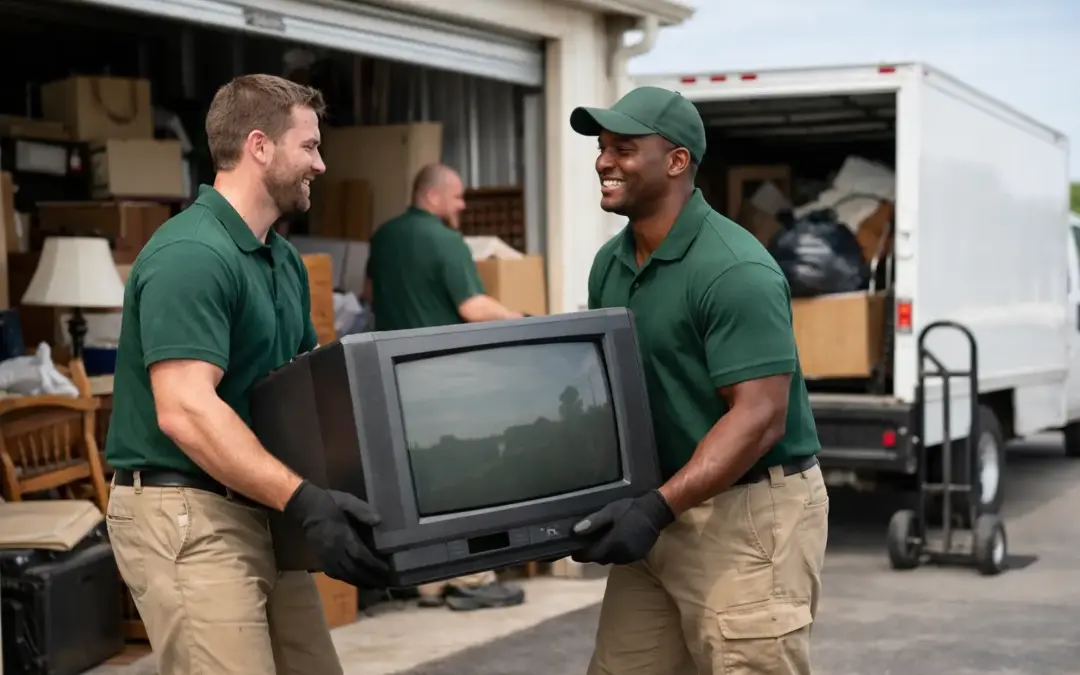
A storage unit usually starts with good intentions – extra room during a move, a place to hold business inventory, a temporary fix after a remodel. Then the door rolls up months later, and you are staring at broken furniture, old boxes, dead appliances, and a bill for space you do not even want anymore. That is where storage unit junk removal stops being a side task and becomes the fastest way to clear the unit, avoid more rental fees, and move on.
When storage unit junk removal makes sense
Sometimes a unit still holds useful items that are worth sorting, selling, or moving. Other times, the math is obvious. If the contents are low value, damaged, outdated, or too heavy to deal with yourself, paying for continued storage rarely makes sense.
This comes up a lot after move-outs, evictions, estate cleanouts, business closures, and downsizing. Landlords and property managers run into it when tenants abandon units or leave behind overflow from a rental. Contractors and business owners see it too when old equipment, shelving, fixtures, and job site leftovers pile up offsite and start costing more to store than they are worth.
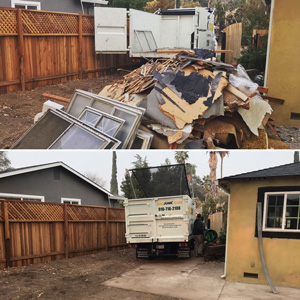
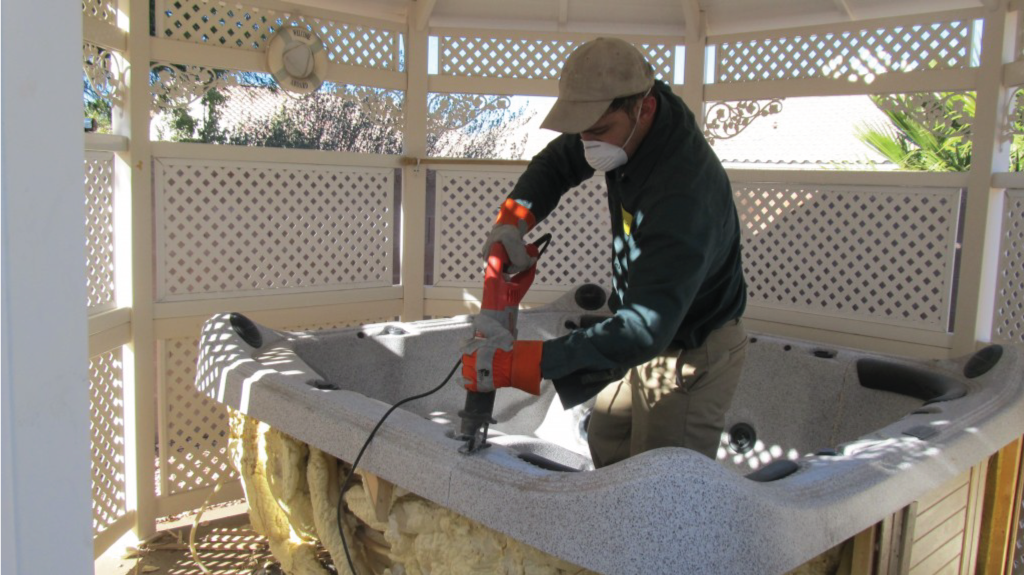
The biggest mistake is waiting because the job feels too messy or too physical. Storage units are tight, dusty, and often packed wall to wall. Once bulky items are stacked in front, even figuring out what is inside can feel like a project. Full-service junk removal works because the crew does the lifting, loading, hauling, and sweep-up, so you are not stuck renting a truck, finding labor, and making multiple dump runs.
What can be removed from a storage unit?
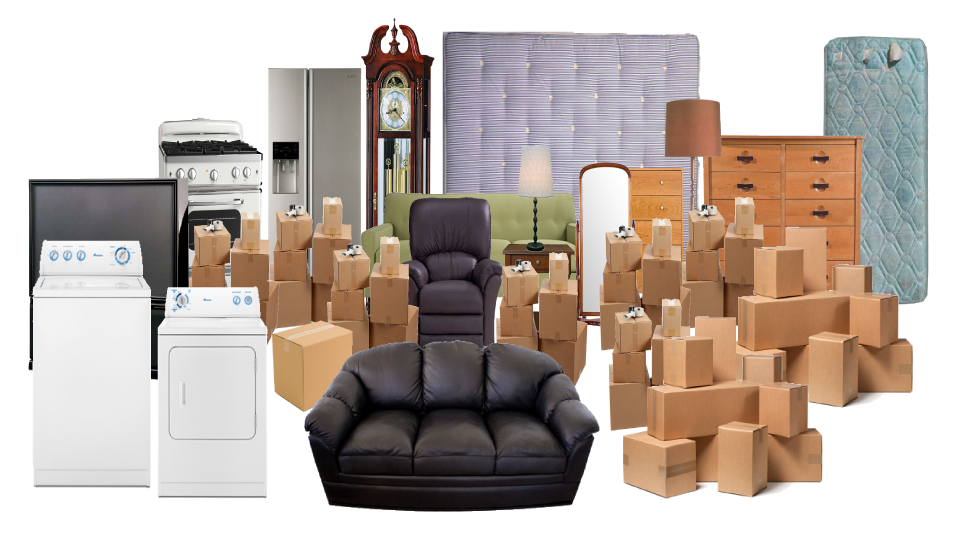
Most non-hazardous junk can go. That includes couches, mattresses, dressers, desks, chairs, boxed household clutter, toys, clothing, old electronics, shelving, tools, yard equipment, and general trash. Commercial cleanouts often include cubicles, office furniture, file cabinets, fixtures, warehouse leftovers, and damaged inventory.
Appliances may also be removable, depending on condition and access. The same goes for large exercise equipment, old patio furniture, and renovation debris that found its way into storage because there was nowhere else to put it.
What usually cannot go through standard junk hauling is hazardous waste. Paint, chemicals, fuel, propane, asbestos-containing materials, and certain automotive fluids typically need specialized handling. If a unit has a mix of junk and restricted materials, that does not always stop the job, but it does mean the load needs to be identified clearly before removal starts.
That is why on-site quotes matter. A good crew can quickly separate what can be hauled right away from what may need another disposal path.
The real value of full-service storage unit junk removal
A lot of people compare junk removal to doing it themselves with a pickup or trailer. On paper, DIY can look cheaper. In real life, it depends on how much stuff is in the unit, how heavy it is, how far the dump is, and how much your time is worth.
If the unit has one broken chair and a few bags, self-hauling might be fine. But if you are dealing with a packed 10×15 unit, an abandoned tenant cleanout, or a storage locker full of old furniture and trash, the labor is the real issue. You still have to sort, lift, drag, load, secure, unload, and clean up. Then you may have disposal fees on top of truck rental and fuel.
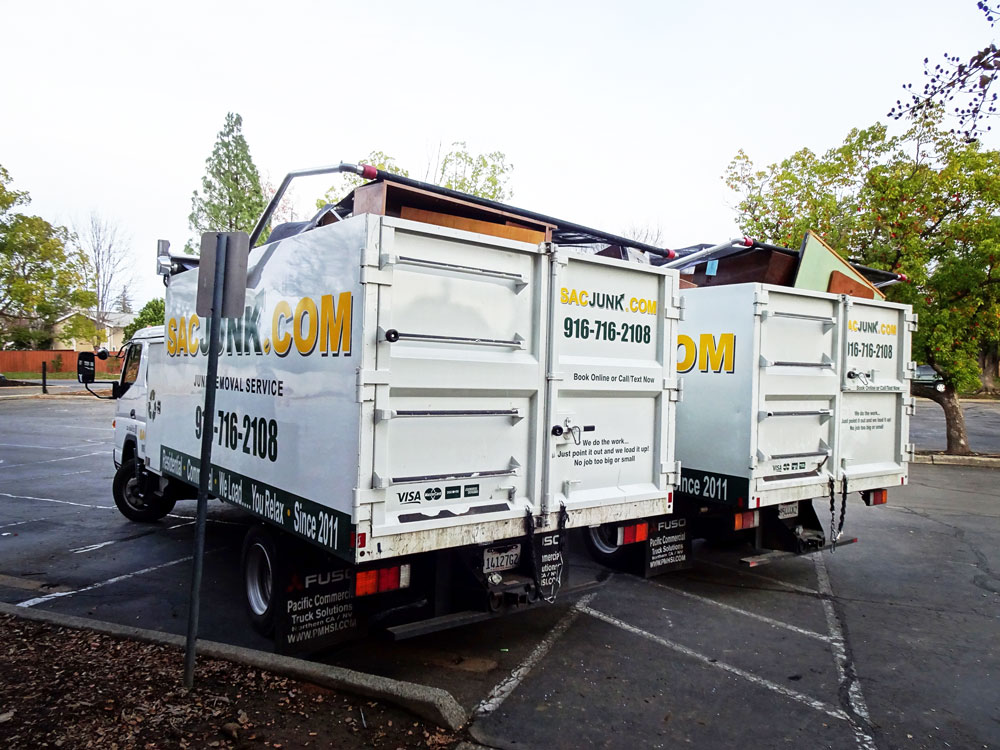
Full-service removal is built for the situations where the job is bigger than your free afternoon. You point to what needs to go, approve the quote, and the crew handles the hard part. That matters when you are on a deadline with the storage facility, trying to turn over a rental, closing out an estate, or just done paying monthly for a unit you no longer need.
How pricing usually works
For storage unit junk removal, volume-based pricing is often the simplest approach. Instead of charging you separately for every couch, mattress, and box, the price is based on how much room the load takes up in the truck. Labor, loading, hauling, and basic cleanup are typically included.
That pricing model works well because storage units are unpredictable. A unit may look half full but contain dense, heavy materials. Another may be packed with lightweight boxes that take up more space than expected. An on-site quote gives you a real number based on what is actually there, the access conditions, and any special handling involved.
There are a few things that can affect cost. Tight hallways, upper-floor units, long carry distances, elevator restrictions, and extremely heavy items can change labor time. So can loose debris scattered across the floor instead of boxed or stacked contents. None of that means the job is not worth doing. It just means honest pricing depends on seeing the load in person.
Storage unit cleanouts move faster with a plan
How to prepare for storage unit junk removal
You do not need to organize the whole unit before the crew arrives. In fact, many customers call because they do not want to handle the mess at all. Still, a little preparation can make the job faster.
If there is anything you want to keep, pull it out or mark it clearly before removal starts. Important documents, family photos, cash, jewelry, hard drives, and personal keepsakes should be checked first. If the unit belongs to a business, set aside records, keys, branded materials, and anything tied to equipment or inventory counts.
It also helps to let the hauler know about access ahead of time. Storage facilities may have gate codes, elevator rules, loading zone limits, or required appointment windows. Sharing those details early avoids delays on the day of pickup.
If you cannot be on site, that is not always a deal breaker. For property managers, landlords, and business owners, remote coordination is often possible as long as access is arranged and the scope is clear.
Who usually needs this service?
Homeowners and renters use it when a move left behind more than expected or when a temporary storage solution turned into a long-term bill. Families handling estate cleanouts often need it because not everything in a unit is worth moving or sorting item by item.
Landlords and property managers rely on it when abandoned belongings need to be removed fast so a unit, property, or lease situation can move forward. Business owners use it to clear outdated office furniture, fixtures, records storage overflow, or dead inventory that has been sitting for too long.
This is especially common around Sacramento, where people are balancing busy schedules, rising storage costs, and limited time to do heavy labor themselves. A local, full-service crew can often get the unit cleared in one visit, which is a lot easier than stretching the job across multiple weekends.
Donation and recycling matter more than people think
Not everything in a storage unit is trash. Some furniture, household goods, and reusable materials can be donated or recycled instead of dumped. That matters for two reasons. First, it reduces landfill waste. Second, it can make the cleanup feel less wasteful when the unit contains items that still have some life left.
The reality is that every storage unit is different. Water damage, pests, mold, and age can limit what is reusable. But when materials are salvageable, responsible sorting makes a difference. That is one reason many customers prefer working with a local company that treats disposal as more than just throwing everything into a landfill.
Fast removal beats another month of storage fees
The longer junk sits in a storage unit, the more expensive it gets. Monthly rent adds up quietly, especially when the contents are mostly broken, unwanted, or replaceable items. People often hold onto a unit because clearing it feels like too much work. That hesitation is exactly what keeps the bill going.
A fast, labor-inclusive removal service changes the equation. Instead of spending days figuring out truck rental, dump access, helpers, and disposal rules, you can get the unit cleared and stop paying for dead space. For many customers, that is the real savings.
If your storage unit has turned into a holding place for furniture, trash, old business equipment, or leftover move-out debris, waiting usually does not improve the situation. The practical move is to get a quote, clear what no longer serves a purpose, and take the space and stress off your plate.
When junk is the only thing left in the unit, the best next step is usually the simplest one – have a crew come haul it out so you can close the door on it for good.