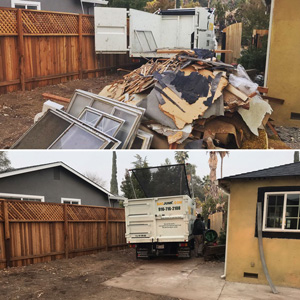
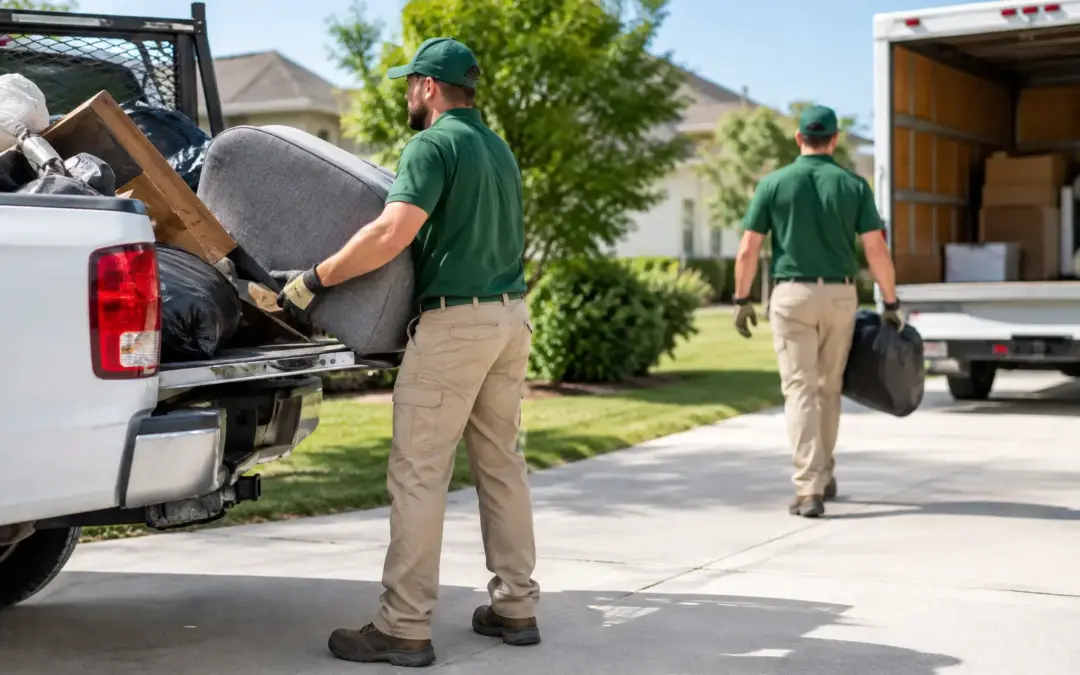
A full truck leaves your driveway, rental unit, office, or job site, and one practical question usually follows: where does removed junk go? It does not all go to one place. A professional junk removal crew sorts the load by material, condition, local facility requirements, and whether an item can be reused.
That sorting matters. A usable dresser should not necessarily take the same route as a broken mattress, and a pile of green waste does not belong with old office electronics. The right disposal plan keeps the job moving quickly while giving reusable and recyclable materials a better destination whenever possible.
Where Does Removed Junk Go After Pickup?
Most removed junk follows one of three paths: donation or reuse, recycling or material recovery, and disposal. Which path an item takes depends on its condition and what Sacramento-area facilities can accept at that time.
A pickup crew generally loads everything first so your space can be cleared without asking you to make multiple trips, lift heavy items, or figure out facility rules on your own. Afterward, the load is separated as much as practical. Items in good, safe, usable condition may be set aside for donation. Materials such as metal, cardboard, clean wood, yard debris, and certain electronics may be directed to the proper recycling or recovery facility. What cannot be reused or recycled goes to an approved disposal site.
That is the honest answer: responsible junk removal reduces landfill waste, but it cannot eliminate it for every item. Wet, broken, contaminated, heavily damaged, or mixed-material junk is often difficult or impossible to recover. A reliable company should tell you that upfront instead of promising that every piece will be recycled.
First Stop: Donation and Reuse
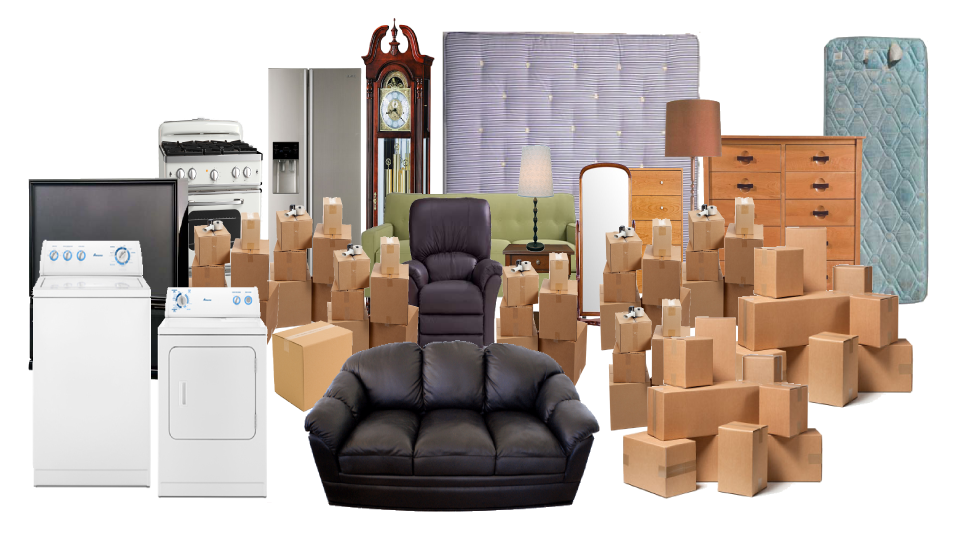
The best outcome for an unwanted item is often continued use. Furniture, household goods, working appliances, office chairs, shelving, tools, and decor may be suitable for donation when they are clean, complete, and in safe working condition.
Condition is the deciding factor. A solid dining table with a few scratches may have plenty of life left. A couch with severe stains, pests, ripped cushions, or strong odors usually does not. Donation centers have their own intake rules, storage limits, and safety standards, so an item that looks usable to an owner may still be declined.
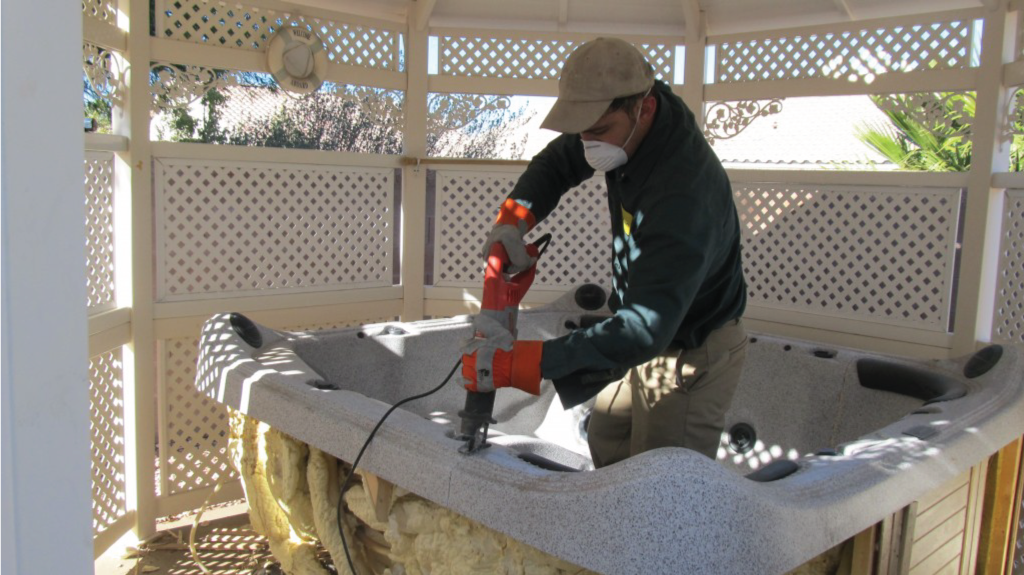
Reuse can also happen through salvage. A contractor-grade cabinet, metal worktable, or warehouse rack may not be ready for a donation floor, but usable components can sometimes be recovered. Keeping materials in use is usually preferable to breaking them down, provided there is a practical outlet for them.
For local customers, this is one reason to choose a full-service hauler rather than treating a cleanout like a single dump run. An experienced crew can identify the obvious donation candidates while handling the heavy lifting, loading, and transportation.
Next Stop: Recycling and Material Recovery
Recycling is not one process. It is a group of different processes, each built for a particular material. Once separated, materials can be processed into feedstock for new products or diverted into specialized recovery channels.
Common examples include metal from appliances, bed frames, filing cabinets, grills, and equipment; cardboard from move-outs and commercial cleanouts; and green waste from yard cleanup, pruning, and landscaping projects. Concrete, brick, clean wood, and some construction debris may also have recovery options, although acceptance rules vary by facility and by contamination level.
Electronics need special attention. Computers, monitors, TVs, printers, cables, and similar equipment contain recoverable materials, but they can also contain components that should not be handled like ordinary trash. They need to go through an appropriate e-waste channel. Before any computer or phone leaves your property, remove or wipe personal data when possible. Recycling protects materials, but it does not automatically protect your information.
Appliances are another category where the details matter. Washers, dryers, refrigerators, stoves, and dishwashers contain valuable metal. Refrigerators and air conditioners may require special handling because of refrigerants. The item may be recyclable, but it must be processed the right way.
At Sac Junk, the goal is to donate and recycle up to 60% of removed materials when the load and available facilities allow it. That figure can change from one job to another. A garage cleanout filled with cardboard, metal, and usable goods will have more diversion potential than a water-damaged eviction cleanout or a pile of mixed renovation debris.
What Usually Goes to Disposal
Disposal is the final option for material with no safe or practical reuse or recycling path. This can include badly damaged furniture, contaminated household junk, broken particleboard, soaked carpet, worn-out mattresses, mixed trash, and debris that is too blended or degraded for a recycling facility to accept.
Mattresses are a good example of why the answer is not always simple. Some mattress components can be recovered through the right program, including metal springs and foam. But moisture, mold, pest concerns, and local processing availability can change the outcome. The same is true for old couches, carpet, and heavily used upholstered items.
Landfill disposal is not the result anyone wants, but it is sometimes the correct route for public health, safety, and facility compliance. Responsible hauling means using approved disposal locations, not leaving items at curbs, vacant lots, alleys, or behind commercial properties.
Some Items Require a Different Plan
Junk removal companies typically handle non-hazardous materials. That limitation protects your property, the crew, and the people processing the load later. Hazardous or regulated items cannot simply be tossed into a truck with furniture and garage clutter.
These items usually need a dedicated household hazardous waste program, retailer take-back program, or specialty provider:
- Paint, solvents, chemicals, pesticides, and automotive fluids
- Propane cylinders, gasoline, and other fuels
- Batteries, including vehicle and lithium-ion batteries
- Medical waste, sharps, and prescription medications
- Asbestos-containing materials and certain contaminated debris
If you are not sure whether something is hazardous, ask before your appointment. A quick conversation can prevent a delayed pickup and make sure the item reaches the correct facility.
What You Can Do Before a Junk Pickup
You do not need to pre-sort an entire property to book junk removal. That is part of the service. Still, a few simple steps can help the crew work faster and protect items that matter to you.
Pull out documents, cash, heirlooms, keys, medications, and personal data devices before the crew arrives. If you already know certain items are not to be taken, label them or move them to a separate area. For commercial cleanouts, identify leased equipment, company records, and anything your team plans to keep.
It also helps to point out items you believe are reusable, recyclable, or require special handling. The crew will make the final call based on safety and facility requirements, but the information gives them a better starting point. Clear access to the items can speed up loading, especially for garages, sheds, upstairs furniture, warehouses, and backyard debris.
A Better Answer Than “It All Goes to the Dump”
The old idea that junk removal means one truck, one landfill, and one problem pushed out of sight is incomplete. Professional removal is a logistics job. It involves labor, loading, transportation, sorting, donation opportunities, recycling rules, and compliant disposal.
For a homeowner clearing a garage, a landlord facing a move-out, or a business closing an office, the biggest benefit is simple: the space gets cleared without you having to manage every destination yourself. You approve an upfront quote, the crew does the lifting and loading, and the material is routed as responsibly as the condition of the items allows.
If clutter is taking over your Sacramento property, focus first on clearing the space safely and quickly. A capable local crew can handle the hard work while making sure your unwanted items get the most practical next stop.