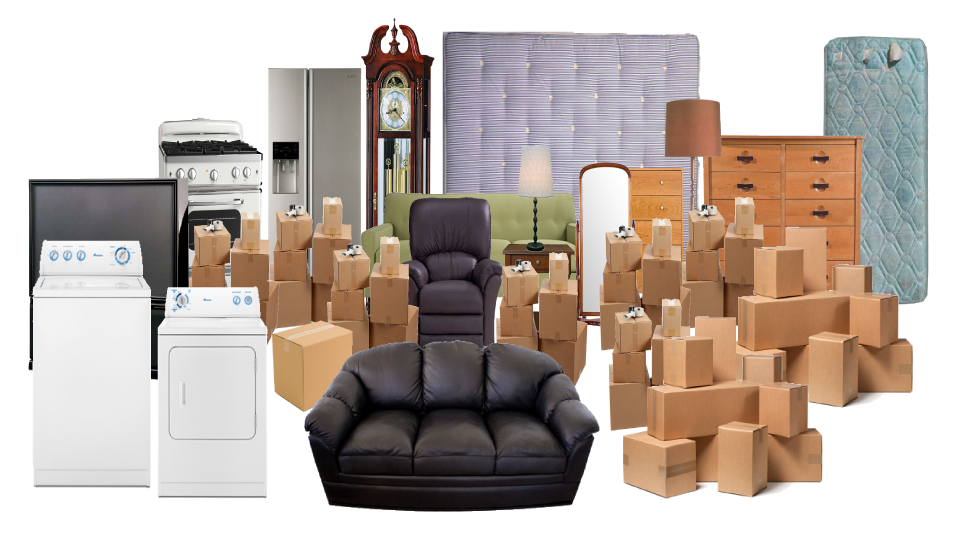

That old sectional is not going to fit in your trash cart. Neither are a broken refrigerator, soaked mattress, worn-out patio set, or the pile of cabinets left after a remodel. The best bulky item disposal options depend on what you have, how quickly it needs to go, and whether you can safely move it yourself.
For Sacramento homeowners, renters, landlords, and businesses, the wrong choice can mean wasted time, extra dump fees, or an item sitting in the driveway for another week. Here is how to choose the disposal method that makes sense for the job.
1. Full-service junk removal
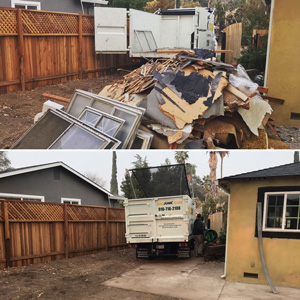
Full-service junk removal is usually the best option when the item is heavy, awkward, upstairs, or part of a larger cleanup. A professional crew comes to the property, provides an on-site quote, does the lifting and loading, hauls the material away, and leaves the area swept up.
This approach works especially well for couches, mattresses, appliances, entertainment centers, office furniture, garage clutter, yard debris, and move-out leftovers. It also eliminates the two biggest headaches of bulky disposal: finding a vehicle large enough to haul the item and finding enough people to move it without damaging walls, floors, or backs.
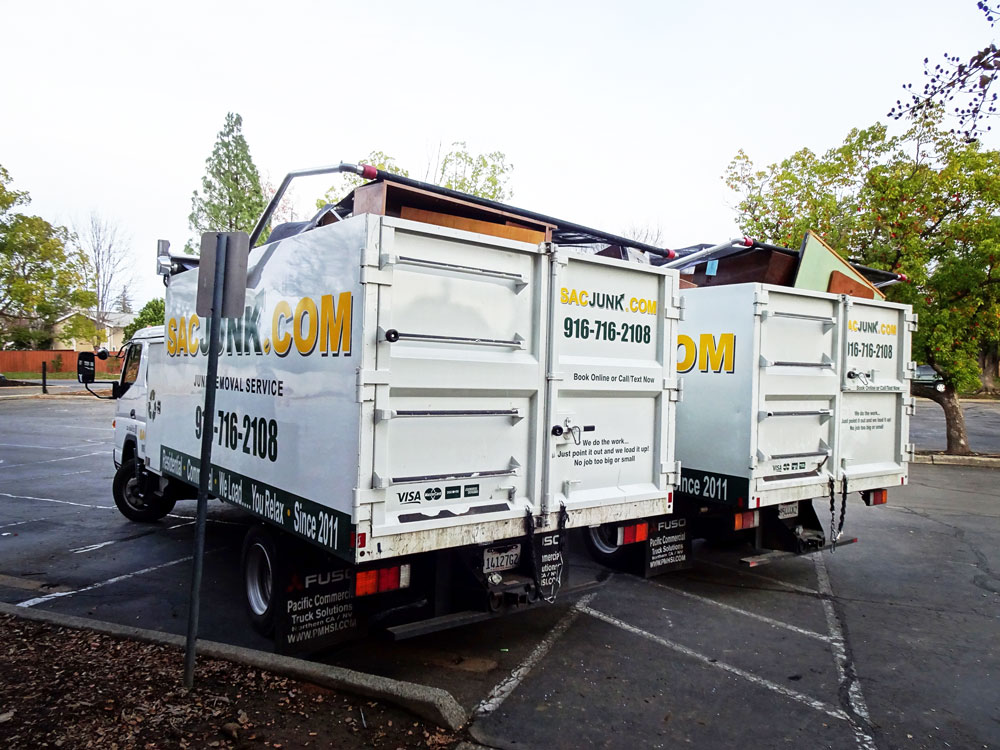
The trade-off is that full service costs more than dropping a single small item off yourself. But when labor, fuel, dump fees, and your time are part of the equation, it can be the better value. For urgent cleanouts in Sacramento, a local crew like Sac Junk can be particularly useful because you approve the price before loading starts and do not have to manage the physical work.
2. Donate items that are still usable
If a bulky item is clean, complete, and in working condition, donation is often the most responsible first choice. Furniture with good upholstery, functioning appliances, usable desks, bookcases, and household goods may get a second life instead of taking up landfill space.
Be realistic about condition. Donation centers generally cannot accept torn mattresses, heavily stained furniture, recalled items, broken appliances, or pieces with major structural damage. A couch that is sagging, smells of smoke, or has pet damage is likely disposal material, not a donation item.
Pickup availability also varies. Some organizations schedule pickups only for certain items or only when they have capacity. If you are clearing a rental unit on a deadline or emptying an estate, waiting for a donation pickup may not be practical. In that case, a removal company can sort out reusable items for donation when possible while taking the rest in one trip.
3. Use a transfer station or landfill drop-off
A self-haul trip can be one of the lowest-cost bulky item disposal options if you have a pickup truck, trailer, and the ability to load safely. It is a solid choice for a small amount of broken furniture, renovation debris, or a few items that cannot be donated.
Before you load up, check the facility’s accepted materials, hours, payment rules, and load requirements. Mattresses, tires, appliances, electronics, treated wood, and construction debris may have separate fees or designated disposal areas. Loads may also need to be covered and secured for transport.
This option makes less sense when the item is extremely heavy or when you have a whole-house cleanup. A trip that looks simple can turn into several runs, plus unloading time and disposal charges. If you need to borrow a truck or trailer, the savings can disappear quickly.
4. Schedule a local bulky-item collection
Some waste providers and local programs offer bulky-item pickup for residential customers. This can be convenient for a limited number of items, particularly when you are not in a rush and can place materials at the approved curbside location.
Read the rules before dragging anything outside. Programs often limit the number of items, require advance scheduling, and exclude materials such as hazardous waste, construction debris, electronics, refrigerators, or oversized items. You may also be responsible for removing doors from appliances or preparing certain items in a specific way.
Curbside collection is not ideal for apartments, commercial properties, busy streets, or properties governed by an HOA. It can also leave you doing all the heavy lifting. If carrying a sofa down stairs or moving a refrigerator across a property is the hard part, curbside service does not solve the real problem.
5. Recycle appliances, metal, and electronics separately
Many bulky items contain recoverable materials. Metal bed frames, washers, dryers, stoves, filing cabinets, exercise equipment, and old grills may be recyclable. Electronics also need proper handling because they can contain materials that should not go into regular trash.
Appliances deserve extra attention. Refrigerators, freezers, air conditioners, and other cooling units may contain refrigerants that require proper recovery. Do not leave them at the curb or try to dismantle them yourself. The same goes for televisions, monitors, batteries, and other electronic waste.
Separate recycling can be worthwhile if you have a single item and know where to take it. For a mixed load of furniture, appliances, boxes, scrap, and debris, it is usually more efficient to use a hauling service that can direct materials to the right disposal or recycling stream.
6. Rent a dumpster for ongoing debris
A dumpster works best when material is being generated over several days. Contractors handling a remodel, landlords turning over multiple units, and property managers clearing a large site may need a container on-site rather than a one-time pickup.
The key difference is labor. A dumpster gives you a place to toss debris, but you still have to carry every item to it. That can be fine for drywall, lumber, and lighter construction waste already being handled by a work crew. It is less convenient for large furniture, appliances, or clutter buried in a garage, attic, warehouse, or backyard.
Watch for restrictions on heavy materials, prohibited items, weight limits, driveway placement, and rental periods. If the cleanup is a one-day job, a full-service pickup can be faster and may prevent you from paying for a container that sits half-full.
7. Sell or give away items with real value
A solid wood dining set, newer patio furniture, working gym equipment, or a clean appliance may be worth selling or giving away locally. This route can keep useful items in circulation and may put some money back in your pocket.
The downside is time. You will need to take photos, answer messages, arrange pickup windows, and deal with no-shows. It is rarely the best option when you are moving tomorrow, preparing a property for new tenants, or trying to clear a business space on a deadline.
A practical rule: list an item only if it is in good condition and you can give it a short deadline. If it has not moved after a few days, move on to donation, recycling, or removal instead of letting it become permanent garage inventory.
How to choose the right bulky item disposal option
Start with condition. Usable items should be considered for donation or resale. Recyclable materials, especially appliances and metal, should be kept out of the landfill when possible. Broken, contaminated, or heavily worn items usually need disposal.
Then look at the labor and timeline. Self-hauling works when you have the right vehicle, enough help, and time for the trip. A dumpster works for ongoing debris. Full-service junk removal is the straightforward answer when you need heavy items gone quickly, the load is mixed, or you simply do not want to lift a thing.
Before booking any service, make a quick inventory and include where the items are located. A crew can work more efficiently when they know there are stairs, a long carry, an appliance in a tight space, or a shed full of debris. Clear access where you can, keep valuables aside, and ask for the quote before work begins.
The best disposal plan is the one that clears your space safely without creating another weekend project. Choose the option that fits the item, the deadline, and the amount of lifting you are willing to take on.